
Selecting the right yoga mat for workout sessions in a warm, humid climate like the Philippines requires balancing grip, hygiene, and durability. When your practice involves high-intensity movements or high-sweat sessions, the material of your mat directly influences your stability and safety. There is no single universal option for every fitness routine; instead, the choice between Thermoplastic Elastomer (TPE), Natural Rubber, and Polyvinyl Chloride (PVC) depends on how each material manages moisture, how much maintenance you can commit to, and your sensitivity to weight and cushioning.
Understanding the physical properties of these materials helps prevent slipping and ensures your equipment lasts. While some mats excel at repelling moisture to maintain hygiene, others absorb sweat to provide a reliable grip during active transitions. By evaluating these material characteristics against your personal workout environment, you can make an informed decision that supports your physical practice.
Material Profiles: TPE, Natural Rubber, and PVC
Thermoplastic Elastomer (TPE) is a synthetic material blend that combines the performance characteristics of plastic and rubber. Typically manufactured with a closed-cell structure, TPE mats do not allow liquids to penetrate their surface. This engineering makes them exceptionally lightweight, easy to carry to local studios, and resistant to moisture-induced degradation. They are often textured on both sides to provide physical traction without relying on chemical coatings.
Products mentioned in this guide
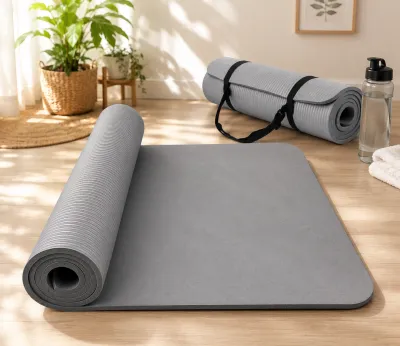
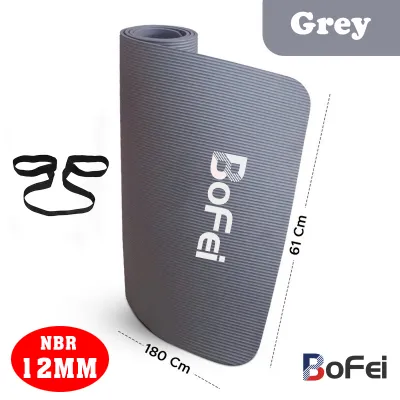
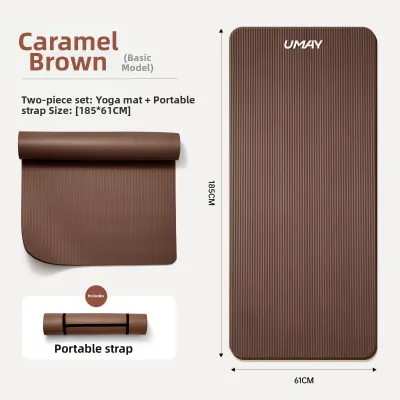
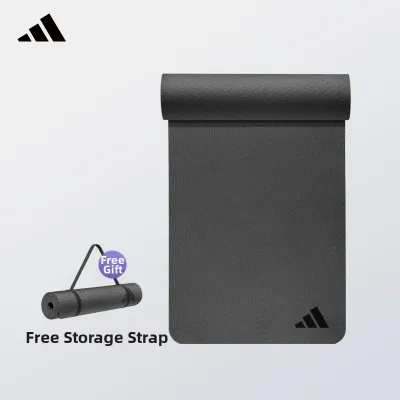
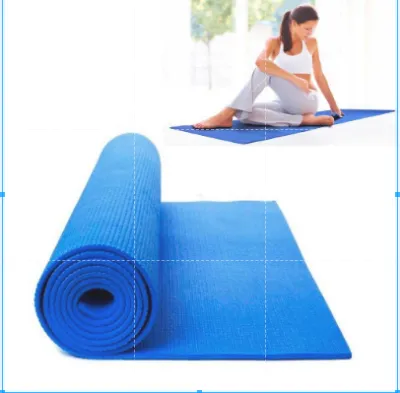
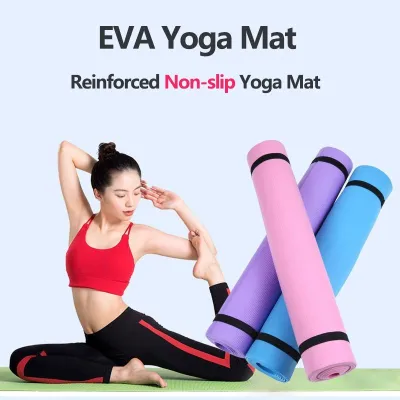
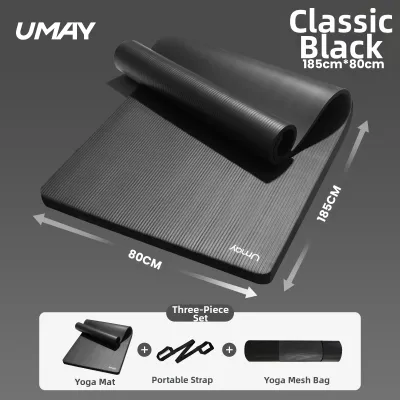
Prices are valid at publication and may change. Please refer to the product page for the latest price.
Natural Rubber is a dense, heavy material harvested from rubber trees. Unlike synthetic alternatives, natural rubber mats generally feature an open-cell structure, which allows them to absorb moisture rather than letting it pool on the surface. This material is naturally springy, providing a supportive cushion that responds well to joint pressure. However, because it is a natural organic compound, it is heavier to transport and more sensitive to environmental factors like heat and direct sunlight.
Polyvinyl Chloride (PVC) is a highly durable synthetic polymer that has long been a standard in fitness equipment. PVC mats are manufactured with a dense, closed-cell structure, making them completely impervious to water and sweat. This material is highly resistant to tearing, flaking, and compression over years of regular use. While PVC is incredibly durable, its synthetic nature means it does not degrade easily, and its surface performance depends heavily on factory finishes.
It is important to recognize that the base material alone does not dictate the final performance of a yoga mat. Surface textures, proprietary top-layer laminates, and manufacturing treatments play an equally critical role in wet traction. A smooth-looking mat may have a specialized polyurethane coating that enhances grip, while a textured mat might rely on physical ridges to prevent your hands from sliding.
Evaluating Slip-Resistance and Sweat Management
The functional difference between open-cell and closed-cell structures is the most critical factor in sweat management. Closed-cell mats, such as those made of PVC and TPE, act as a complete barrier to liquids. When you sweat during a workout, the moisture has nowhere to go, causing it to pool on the surface. In high-humidity environments, this pooling can quickly turn the mat into a slippery surface, requiring the addition of a specialized microfiber towel to maintain traction.

Conversely, open-cell mats, which are typical of natural rubber, act like a microscopic sponge. They draw sweat away from the contact points of your hands and feet, keeping the surface relatively dry and maintaining a reliable grip even during intense, high-sweat transitions. However, this absorption means that sweat, body oils, and bacteria are pulled into the core of the mat, requiring a commitment to thorough cleaning and drying after every session to prevent hygiene issues.
When shopping for a yoga mat for workout sessions, you should check product labels for specific performance claims rather than assuming material-wide characteristics. Look for terms like “sweat-activated grip” or “textured non-slip surface” on natural rubber options, or “hygienic closed-cell barrier” on TPE and PVC options. These designations indicate how the manufacturer has treated the surface to handle moisture.
Surface texture is a primary driver of wet traction. Embossed patterns, ribbed designs, or cross-hatched textures on TPE and PVC mats help channel moisture away from your hands, providing physical grip points. Smooth-surfaced mats, often made of natural rubber topped with a thin polyurethane layer, rely on molecular adhesion to keep you stable, which performs exceptionally well under wet conditions but requires careful handling to avoid scratching the surface.
Durability, Comfort, and Maintenance Requirements
Maintenance routines vary significantly depending on whether your mat has an open-cell or closed-cell structure. Closed-cell PVC and TPE mats are highly low-maintenance. Because sweat cannot penetrate the surface, they can be quickly wiped down with a damp cloth and mild soap after a workout. They dry rapidly in warm air, making them highly convenient for daily use in humid climates where mold and mildew are constant concerns.
Open-cell natural rubber mats require specialized care to prevent odors and material breakdown. Because they absorb sweat, they must be deep-cleaned regularly using mild, diluted solutions recommended by the manufacturer, such as a highly diluted water-and-vinegar mixture. They must never be cleaned with harsh industrial chemicals, alcohol-based sprays, or essential oils, as these substances degrade the natural rubber proteins, causing the mat to become brittle, flake, or lose its grip entirely.
Thickness and density are the primary factors governing joint comfort and standing stability. A thicker mat, such as a 6mm TPE mat, offers excellent cushioning for sensitive knees and elbows during floor exercises. However, because TPE is lightweight and less dense, your joints may sink completely through to the floor during standing balance poses, compromising your stability. A dense 4mm natural rubber or high-density PVC mat provides superior joint protection and a firm, stable foundation because the material resists compression under heavy loads.
Always verify the manufacturer’s care instructions before applying any cleaning solution to your mat. Some TPE blends are sensitive to high heat and should not be left in hot cars or exposed to direct sunlight, which can warp the material. Natural rubber is highly sensitive to ultraviolet (UV) light; exposing a wet rubber mat to direct sunlight to dry can cause rapid oxidation, leading to a sticky, unusable surface.
Decision Framework: Which Material Fits Your Practice?
To choose the right material for your routine, evaluate your workout intensity, sweat volume, and willingness to perform regular equipment maintenance.
Choose PVC or TPE if:
- You prioritize a lightweight mat that is easy to carry on public transport or walk with to a local fitness center.
- You prefer a simple, quick wipe-down cleaning routine that fits into a busy schedule.
- You want a hygienic, closed-cell surface that completely blocks sweat from entering the interior of the mat.
- You are working within a budget where lightweight portability and easy storage are your primary goals.
Choose Natural Rubber if:
- You require maximum wet grip during high-sweat workouts without needing to lay down an extra towel.
- You prefer sustainably sourced, plant-based materials over synthetic plastics.
- You do not mind carrying a heavier mat (often weighing over 2 kilograms) to ensure a dense, stable foundation.
- You are fully committed to a regular routine of deep cleaning, air-drying, and storing your mat away from heat and sunlight.
Verify First if:
- You have a known latex allergy or sensitivity, as natural rubber mats contain natural latex proteins that can trigger reactions.
- You are purchasing a premium mat; check the manufacturer's specific warranty terms regarding high-sweat use and approved cleaning agents.
- You plan to use the mat outdoors; verify if the material is UV-resistant to prevent premature cracking and flaking.
Comparison Matrix: Key Specifications to Check Before Buying
Use the following matrix to compare specific products on online marketplaces or in local sporting goods stores. Do not rely solely on generic material assumptions, as manufacturers often modify these bases with proprietary coatings.
| Specification Field | TPE (Thermoplastic Elastomer) | Natural Rubber | PVC (Polyvinyl Chloride) |
|---|---|---|---|
| Cell Structure | Closed-cell (repels moisture) | Open-cell (absorbs moisture) | Closed-cell (repels moisture) |
| Average Weight | Lightweight (approx. 0.8–1.2 kg) | Heavy (approx. 2.0–3.2 kg) | Moderate to Heavy (approx. 1.5–3.0 kg) |
| Primary Grip Type | Textured physical embossing | Material tackiness / open-cell absorption | Textured surface / sticky finish |
| Wet Traction | Moderate (may require a towel) | High (absorbs sweat for grip) | Low to Moderate (requires a towel) |
| Maintenance Level | Low (wipe down and quick dry) | High (specialized wash and slow air-dry) | Low (highly durable, easy wipe down) |
| UV Sensitivity | Moderate (avoid extreme heat) | High (degrades in direct sunlight) | Low (highly resistant to environmental wear) |
When evaluating these specifications on product packaging, look for independent material certifications only if they are explicitly stated and verifiable through the manufacturer’s official documentation. Investing in a high-quality mat that matches your specific sweat level and maintenance habits will ensure a safer, more stable workout experience.
Frequently Asked Questions (FAQ)
Do I need a yoga towel with a TPE or PVC mat?
Yes, if you experience moderate to heavy sweating during your workouts, a microfiber yoga towel is highly recommended when using a TPE or PVC mat. Because both materials feature a closed-cell structure, sweat cannot penetrate the surface and will pool under your hands and feet. This pooling reduces friction and can cause slipping. Placing a slip-resistant microfiber towel over your mat absorbs this moisture, protecting your traction and keeping your workout space safe.
How do I prevent natural rubber mats from smelling after sweaty sessions?
To prevent odors in an open-cell natural rubber mat, you must never roll it up while it is still damp with sweat. Immediately after your workout, wipe the surface with a damp cloth and a manufacturer-approved, highly diluted mild soap solution. Hang the mat to air-dry completely in a well-ventilated indoor space away from direct sunlight. Ensuring the core of the mat is entirely dry before rolling and storing it prevents the growth of odor-causing bacteria and mold.
Community discussion
Share your experience or ask a question. Comments are reviewed before publication.