
A large yoga mat offers the luxury of extra space, allowing you to flow freely without constantly stepping off the edges. However, upgrading to a larger format fundamentally changes how a mat behaves. The material you choose becomes the single most important factor in determining whether your mat is a joy to use or a cumbersome chore to store and transport.
To find the perfect match for your practice, you must weigh the trade-offs of the three dominant materials on the market: Thermoplastic Elastomer (TPE), natural rubber, and Polyvinyl Chloride (PVC). Each material responds differently when scaled up to oversized dimensions, directly impacting grip, weight, cushioning, and durability.
Why Material Choice Matters More for a Large Yoga Mat
When you transition from a standard-sized mat to a large yoga mat, you encounter what is known as the “multiplier effect.” A standard mat typically measures 68 inches by 24 inches, but extra-large formats can easily extend to 72 by 30 inches, 84 by 36 inches, or even larger. This increase in surface area means that the physical characteristics of the material are magnified significantly.
Products mentioned in this guide
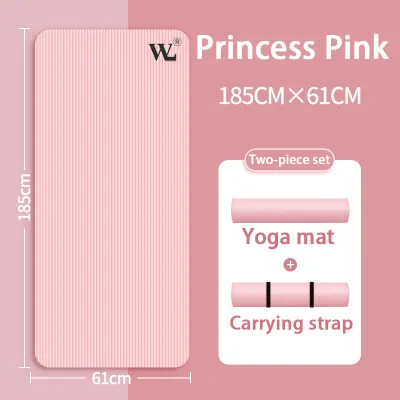
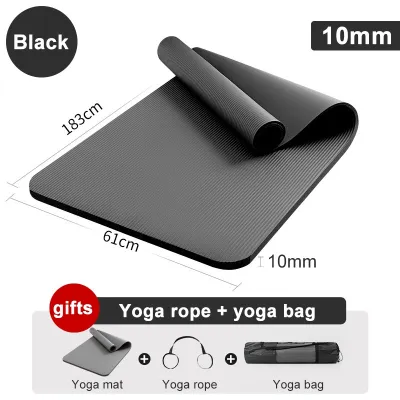
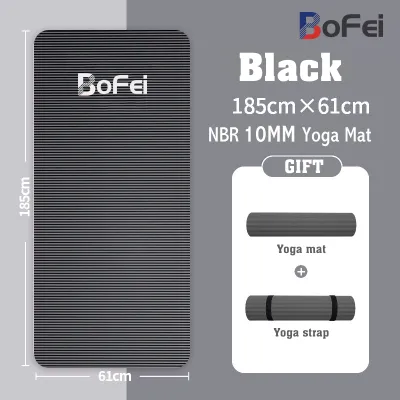
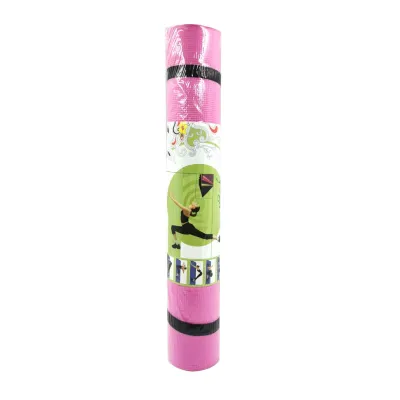
Prices are valid at publication and may change. Please refer to the product page for the latest price.
A material that feels slightly heavy or bulky in a standard size becomes incredibly heavy and difficult to manage when scaled up. For instance, a dense material like natural rubber or high-density PVC can quickly double in weight, making it a challenge to carry on a daily commute. Similarly, a thick material that is tough to roll tightly will result in a massive rolling diameter, requiring substantial storage space.
Choosing the right material requires balancing portability against performance. If you frequently travel to studios, you will need to prioritize lightweight options that roll up compactly. If your mat will remain in a dedicated home gym, you can prioritize maximum cushioning, stability, and grip without worrying about the physical effort required to carry it.
TPE (Thermoplastic Elastomer): The Lightweight Contender
Thermoplastic Elastomer, commonly known as TPE, is a synthetic blend of plastic and rubber polymers. It has gained popularity as a modern yoga mat material because it is lightweight, recyclable, and PVC-free. When manufactured as a large yoga mat, TPE offers distinct advantages and clear limitations.

Weight and Portability
The defining benefit of TPE is its incredibly low density. Even in extra-large and thick formats, a TPE mat remains remarkably light and easy to carry. This makes it the ideal choice if you regularly commute to local yoga studios, travel, or need to pack your mat away after every session. It rolls up tightly and easily fits into most standard oversized carrying bags or straps without straining your shoulders.
Grip and Performance
TPE mats typically feature a textured, closed-cell surface that provides a reliable dry grip for low-to-medium intensity practices. However, because the material is closed-cell, it does not absorb moisture. During high-intensity sessions, hot yoga, or in humid environments, sweat can pool on the surface. This pooling can cause your hands and feet to slip during demanding poses like Downward-Facing Dog, meaning you may need to pair the mat with a microfiber towel for added traction.
Durability and Care
While TPE is highly flexible and comfortable, it has a moderate lifespan compared to denser materials. It is highly sensitive to environmental factors, particularly high heat and direct sunlight. Leaving a TPE mat in a hot car trunk or exposing it to intense tropical sun can cause the polymer bonds to break down. This degradation leads to warping, flaking, or a loss of cushioning over time, requiring careful storage in a cool, shaded environment.
Best For
- Practitioners who prioritize portability: Ideal for those who need an extra-large mat but must carry it frequently.
- Gentle practice styles: Best suited for Yin, Restorative, Hatha, or gentle stretching routines where sweat production is minimal.
- Budget-conscious buyers: TPE is generally more affordable in large formats than premium natural rubber or high-density PVC.
Natural Rubber: Superior Grip with a Heavy Penalty
Natural rubber is harvested from rubber trees, making it a highly sought-after material for eco-conscious yogis who demand professional-grade performance. It is a dense, high-traction material that offers unmatched stability, but its physical weight presents a significant logistical challenge when scaled up to a large yoga mat.
Grip and Traction
The primary reason practitioners choose natural rubber is its exceptional, non-slip grip. Natural rubber features an open-cell structure, meaning it naturally absorbs microscopic amounts of moisture. This allows the mat to maintain its high-traction surface even during intense, sweaty Vinyasa flows or in highly humid conditions. It provides a rock-solid, stable foundation for wide stances and dynamic transitions, ensuring your hands and feet stay locked in place.
The Weight Factor
The biggest drawback of a large natural rubber mat is its sheer weight. Because natural rubber is highly dense, an extra-large format mat can easily weigh between 3 and 5 kilograms. Carrying this weight on public transit or walking long distances can quickly become exhausting. If you choose a large rubber mat, you will likely need to invest in a heavy-duty, wide-strap carrying harness, as standard lightweight bags may tear under the weight.
Allergies and Odor
Because natural rubber is derived from organic sources, it contains natural latex proteins. Anyone with a known latex allergy should exercise caution and verify their sensitivity before purchasing. Additionally, new natural rubber mats emit a distinct, sweet rubbery scent. This odor is entirely normal but can be overpowering initially, requiring you to unroll the mat in a well-ventilated room for several days to allow it to off-gas before your first practice.
Environmental Sensitivity
Natural rubber is biodegradable, which is excellent for sustainability but means the material is prone to natural degradation. It is highly sensitive to ultraviolet (UV) light and extreme heat. If left in direct sunlight or stored in hot, unventilated spaces, the rubber can dry out, become brittle, and begin to crack or crumble. Proper care and storage are essential to preserving its lifespan.
Best For
- Dedicated, high-intensity yogis: Perfect for those practicing Ashtanga, Vinyasa, or hot yoga who require absolute slip resistance.
- Eco-conscious practitioners: Ideal for users who want a biodegradable, sustainably sourced material.
- Home-based practices: Best suited for setups where the mat stays in one place, minimizing the need for frequent transport.
PVC (Polyvinyl Chloride): Durable and Cushioned but Bulky
Polyvinyl Chloride, or PVC, is the traditional material used in the yoga industry. Known for its extreme durability and dense cushioning, a high-quality PVC mat is built to last a lifetime. However, its environmental impact and physical bulk are critical factors to consider when purchasing a large yoga mat.
Durability and Cushioning
High-density PVC is virtually indestructible. It resists tearing, flaking, stretching, and compression, maintaining its shape and support even after years of daily use. In a large format, PVC excels at providing dense joint protection. This thick, supportive barrier is highly beneficial for expansive floor work, long restorative poses, or practicing on hard tile and concrete floors, as it prevents your joints from bottoming out.
Weight and Bulk
Like natural rubber, high-density PVC is heavy. When manufactured as an extra-large mat, the weight is substantial, making it highly impractical for daily commuting. Furthermore, PVC is stiff and dense, which means a large mat will have a very wide rolling diameter. It is difficult to roll tightly, making it bulky to store in small closets or transport in compact vehicles.
Grip and Sweat
Standard PVC is a closed-cell material, meaning it does not absorb moisture. Out of the box, PVC mats often feature a thin manufacturing film that can feel slick. This film requires a “break-in” period, which is typically achieved through regular use or a light scrub with coarse salt. Once broken in, PVC offers a good dry grip, but it will become slippery when wet with heavy sweat. If you sweat heavily, using a grip towel is highly recommended.
Best For
- Permanent home studios: Ideal for users who want to lay the mat down permanently in a home gym or living space.
- Practitioners seeking joint support: Excellent for those who require dense, reliable cushioning for sensitive knees, wrists, or hips.
- Long-term investment: Best for buyers who want a highly durable mat that will not need to be replaced for many years.
How to Choose the Right Material for Your Practice
Selecting the best material for your large yoga mat requires aligning your personal practice style, your physical environment, and your daily lifestyle. By analyzing these key factors, you can make an informed decision that enhances your wellness routine.
Practice Style and Sweat Levels
Your movement style should dictate your material choice. If your routines are dynamic, fast-paced, or highly sweaty, the open-cell grip of natural rubber is unmatched. If you prefer slow, restorative, or alignment-focused practices where sweat is minimal, the lightweight comfort of TPE or the dense cushioning of PVC will serve you perfectly without the added weight of rubber.
Portability and Commuting Needs
Be honest about how often you will move your mat. If you commute by foot, public transit, or bicycle, a heavy rubber or PVC mat will quickly become a burden. In this scenario, a lightweight TPE mat is the practical choice. However, if your mat will live permanently on your living room floor or in a dedicated home gym, prioritize the performance, grip, and durability of natural rubber or PVC.
Climate and Moisture Considerations
In warm, humid, tropical climates like the Philippines, moisture management is essential for safety and hygiene. High humidity can cause closed-cell mats (TPE and standard PVC) to feel exceptionally slick, increasing the risk of slips and joint strain. If you choose a closed-cell mat, always keep a microfiber towel nearby.
Furthermore, humidity accelerates the growth of mold and mildew. Never roll up a damp mat after a sweaty session. Wipe your mat down immediately after use and allow it to air-dry completely in a flat, shaded, and well-ventilated area before rolling it for storage.
Maintenance and Care Verification
Every material has unique chemical properties that require specific care. Before cleaning your mat, always verify the manufacturer’s specific washing, cleaning, and storage instructions. Using the wrong cleaning solution—such as applying essential oils to natural rubber or harsh chemical detergents to TPE—can permanently damage the material, compromise its grip, and void your warranty. When in doubt, consult the manufacturer’s official care guide to ensure your investment lasts.
Frequently Asked Questions (FAQ)
Is a thick, large yoga mat too heavy to carry?
Yes, thickness combined with a larger surface area significantly increases overall weight. While a standard 4mm mat is relatively light, an extra-large 6mm or 8mm mat made of dense natural rubber or high-density PVC can easily weigh over 4 kilograms. If you plan to commute or travel with your mat, always check the manufacturer’s listed product weight before purchasing. If portability is your top priority, a lightweight TPE mat is generally the most manageable option.
How do I clean a large natural rubber yoga mat without damaging it?
Natural rubber is highly sensitive to chemicals and oils. To clean it safely without damaging the material, wipe it down with a soft microfiber cloth dampened with a mixture of warm water and a few drops of mild, oil-free dish soap. Avoid using harsh chemical cleaners, alcohol, solvents, or essential oils, as these will degrade the rubber and destroy its natural grip. Always allow the mat to air-dry completely flat in a cool, shaded, and well-ventilated indoor area. Never expose it to direct sunlight, as UV rays will cause the rubber to dry out, crack, and become brittle.
Will a large PVC yoga mat leave marks on my floor?
Some PVC mats contain plasticizers that can chemically react with certain hardwood floor finishes, polyurethane coatings, or delicate vinyl tiles over time. This reaction can leave a yellow stain or a sticky residue on your floor, especially if the mat is left unrolled in the same spot for extended periods. To protect your flooring, check the care guidelines from both your flooring manufacturer and the mat manufacturer. If there is a risk of a reaction, place a thin, breathable, non-reactive rug pad or a natural fiber cloth underneath the mat when it is in use.
Community discussion
Share your experience or ask a question. Comments are reviewed before publication.