
Quick Answer: Which Exercise Mat Material Should You Choose?
Selecting the right floor mat for exercise depends on your training style, joint support needs, and budget. There is no single material that excels in every scenario, especially when factoring in the high humidity and warm temperatures of a tropical climate.
If your routine focuses on dynamic movement, balance, and moderate joint protection, a Thermoplastic Elastomer (TPE) mat offers the most balanced performance. It is lightweight, provides excellent dry grip, and features a closed-cell structure that prevents sweat absorption, making it highly hygienic for daily use.
For individuals prioritizing maximum cushioning during low-impact, floor-based routines like Pilates, core training, or physical therapy, Nitrile Butadiene Rubber (NBR) is the ideal choice. Its thick, foam-like composition protects sensitive joints from hard floors, though it sacrifices the stability required for standing balance poses.
Products mentioned in this guide
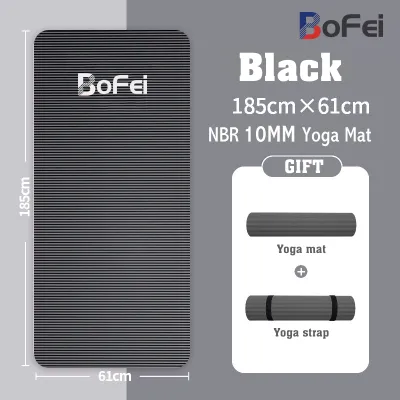
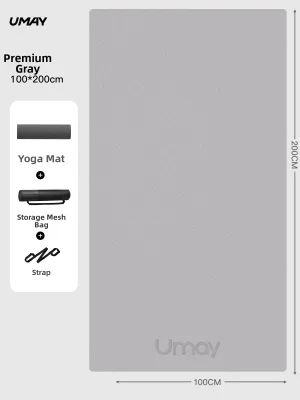
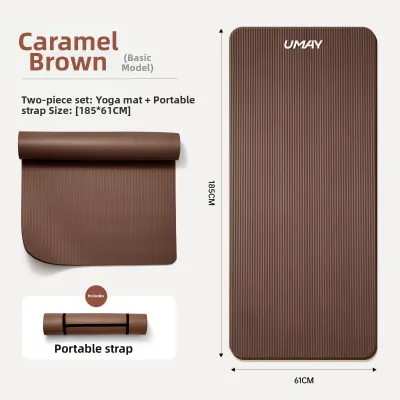
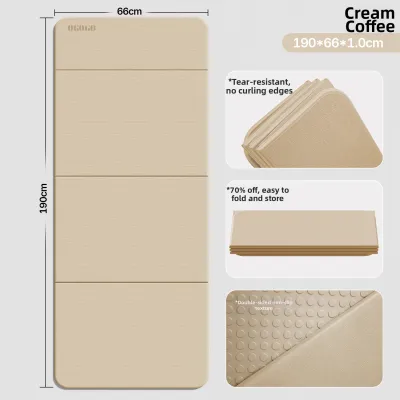
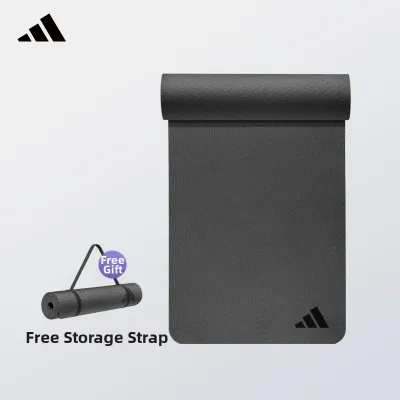
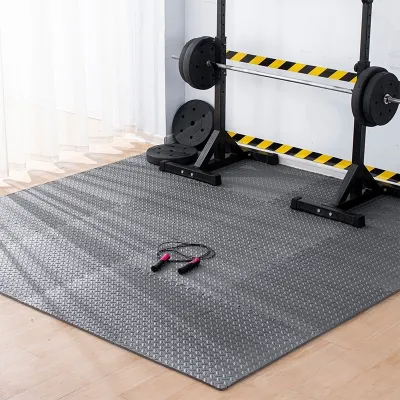
Prices are valid at publication and may change. Please refer to the product page for the latest price.
If durability, longevity, and cost-effectiveness are your primary concerns, Polyvinyl Chloride (PVC) remains a highly reliable option. Standard PVC mats are incredibly tough and budget-friendly, making them excellent for high-intensity training with shoes, provided you take steps to manage surface slickness when sweating.
TPE, NBR, and PVC: Understanding the Core Materials
To make an informed decision, it is essential to understand the physical and chemical properties of these three dominant materials. Each material behaves differently under compression, moisture exposure, and repeated physical stress.

TPE (Thermoplastic Elastomer)
Thermoplastic Elastomers represent a modern class of materials that blend the performance characteristics of rubber with the recycling advantages of plastics. This material is typically manufactured using a non-toxic process that avoids heavy chemical solvents, resulting in a product that is generally more eco-conscious than traditional plastics.
The physical structure of TPE is almost always closed-cell. In a closed-cell material, the microscopic air pockets are completely sealed off from one another, creating an impermeable barrier. This prevents sweat, oils, and moisture from penetrating the interior of the mat. In humid environments, this non-porous nature is a significant advantage, as it prevents the growth of mold, mildew, and odor-causing bacteria.
TPE mats are exceptionally lightweight, making them highly portable for those who commute to fitness studios or local parks. They typically feature a soft, textured surface that provides a secure grip under dry conditions. However, because TPE is more sensitive to extreme heat and prolonged compression than PVC, users must verify the manufacturer’s care instructions regarding storage and temperature limits.
NBR (Nitrile Butadiene Rubber)
Nitrile Butadiene Rubber (NBR) is a synthetic rubber copolymer processed into a thick, low-density foam that provides a soft, pillowy barrier between the body and the floor. It is highly valued for its elastic properties and resistance to tearing under normal stretching conditions.
Most NBR mats are manufactured with a thickness ranging from 10mm to 15mm, which is substantially thicker than standard TPE or PVC options. This thickness is designed to distribute weight across a larger surface area, reducing localized pressure on the knees, elbows, hips, and spine during floor-based exercises.
However, the open-cell or semi-closed-cell nature of NBR foam means it can act like a sponge if exposed to heavy moisture. Sweat can seep into the material over time, requiring thorough cleaning and drying to maintain hygiene. Additionally, because NBR has low density and high compressibility, it offers very little resistance under concentrated loads, meaning it will bottom out under heavy standing pressure or when supporting fitness equipment.
PVC (Polyvinyl Chloride)
Polyvinyl Chloride is a traditional, highly durable synthetic plastic polymer that has been the industry standard for fitness mats for decades. It is favored by commercial gyms and studios for its extreme resistance to abrasion, tearing, and cracking, even under heavy, daily foot traffic.
PVC can be manufactured in both open-cell and closed-cell configurations. Open-cell PVC mats, often referred to as “sticky mats,” offer excellent dry grip because the open pores absorb tiny amounts of moisture from the hands. However, premium PVC mats utilize a high-density, closed-cell structure that completely blocks moisture penetration, ensuring the mat remains hygienic and incredibly long-lasting.
New PVC mats often have a thin manufacturing film that can make the surface feel slippery. This film requires a break-in period, which can be accelerated by a gentle salt scrub or regular use. When purchasing a PVC floor mat for exercise, consumers should look for certifications such as OEKO-TEX Standard 100 or safety documentation confirming the material is free from harmful phthalates and heavy metals.
Comparing Grip, Cushioning, Durability, and Budget
When evaluating these materials, comparing their practical performance across key functional dimensions helps narrow down the choices. The table below outlines how TPE, NBR, and PVC compare under standard conditions.
| Material | Dry Grip | Wet Grip | Cushioning Profile | Durability | Relative Cost |
|---|---|---|---|---|---|
| TPE | Excellent | Moderate to Good | Responsive & Moderate | Moderate | Mid-range |
| NBR | Moderate | Poor (Slippery) | Thick & Pillowy | Low to Moderate | Budget-friendly |
| PVC | Good to Excellent | Poor to Moderate | Dense & Supportive | High to Extreme | Budget-friendly to Premium |
Surface texture engineering plays a critical role in the overall grip of any floor mat for exercise. Manufacturers use various patterns, such as pebble textures, diamond grids, or alignment lines, to mechanically increase friction between your skin and the mat. While TPE naturally offers a high-friction surface, PVC relies heavily on these textured patterns to provide adequate grip before it is fully broken in.
Cushioning is determined by a combination of thickness and material density. A thick mat is not automatically a highly cushioned or supportive mat. For instance, a 10mm NBR mat is thick but low-density, meaning it compresses completely under a concentrated load like a standing heel. Conversely, a 6mm high-density PVC mat is thinner but offers superior joint protection because it resists complete compression, keeping your joints suspended above the hard floor.
In terms of budget, prices vary widely depending on brand reputation, manufacturing standards, and included accessories. Generally, NBR mats occupy the budget-friendly segment, making them highly accessible for home workouts. TPE mats typically fall into the mid-range bracket, offering a solid balance of performance and environmental consideration. PVC spans the widest range: basic PVC mats are highly affordable, while professional-grade, high-density PVC mats are premium investments designed to last a lifetime.
How to Match the Mat Material to Your Workout Style
To maximize your safety, comfort, and performance, you should align the physical properties of your mat with the specific demands of your exercise routine.
High-Intensity and Sweat-Heavy Workouts
For high-intensity interval training (HIIT), cardio circuits, and hot yoga, maintaining a secure footing is paramount to preventing slips and joint strain. Under hot and humid conditions, sweat quickly accumulates on the surface of the mat, turning closed-cell materials into slippery surfaces if they lack specialized wet-grip engineering.
When performing dynamic movements like burpees, mountain climbers, or lunges, you need a mat that stays firmly anchored to the floor and does not stretch or slide. TPE mats with textured undersides perform well here, but high-density PVC mats with a non-slip backing are often preferred for their ability to withstand the friction of athletic shoes.
If your chosen mat material does not feature a specialized wet-grip surface, it is highly recommended to use a microfiber yoga towel overlay. These towels are designed to absorb sweat and actually increase their grip as they become damp, ensuring your hands and feet remain locked in place during the most intense phases of your workout.
Yoga, Pilates, and Floor-Based Stretching
Yoga and Pilates require a delicate balance between joint cushioning and physical stability. In standing poses, such as Warrior II or Tree Pose, your feet must feel connected to the ground to maintain balance. An overly thick, soft mat like NBR will allow your feet to sink, causing your ankles to wobble and increasing the risk of strain.
For these practices, a dense 4mm to 6mm TPE or PVC mat is highly recommended. These mats provide enough cushioning to protect your knees and wrists during table-top positions while maintaining a firm, stable foundation for standing balances. The responsive feedback of a denser mat allows you to make precise micro-adjustments to your alignment.
If your routine consists primarily of floor-based stretching, yin yoga, or classical Pilates, where you spend most of your time on your back, side, or knees, joint comfort becomes the primary priority. In this specific scenario, the thick, pillowy support of an NBR mat is highly beneficial, as it cushions the pressure points of the spine, ribs, and pelvis against hard tile or wood floors.
Heavy Equipment and High-Impact Training
If your home workout space involves the use of heavy fitness gear, such as dumbbells, kettlebells, or stationary exercise bikes, standard yoga and fitness mats are generally inadequate. Placing heavy, concentrated weights on TPE or NBR mats will cause permanent indentation, tearing, and rapid material degradation.
Even high-density PVC mats can suffer damage if subjected to the sharp edges of iron weights or the high-impact force of dropped equipment. For these heavy-duty applications, you should look for specialized high-density rubber flooring or interlocking EVA foam tiles designed specifically for weight rooms.
Before placing any heavy equipment on a fitness mat, check the manufacturer’s specifications regarding weight limits and compression resistance. Utilizing the correct heavy-duty flooring protects not only your equipment and subfloor but also ensures a stable, non-slip foundation for lifting weights safely.
Cleaning and Maintaining Your Exercise Mat for Longevity
Proper maintenance is essential to preserve the structural integrity, hygienic properties, and grip of your floor mat for exercise, particularly in warm, humid climates where bacteria thrive.
To clean your mat safely, follow these low-risk steps after every workout session:
- Prepare a mild cleaning solution by mixing a few drops of non-abrasive, gentle dish soap with warm water in a spray bottle.
- Lightly spray the surface of the mat, taking care not to saturate the material, especially if it is an open-cell NBR or PVC mat.
- Wipe the surface thoroughly with a soft microfiber cloth to remove sweat, skin oils, and dirt.
- Wipe down the mat a second time with a clean cloth dampened with plain water to remove any soapy residue, which can cause the mat to become slippery during your next workout.
Never use harsh chemical cleaners, bleach, rubbing alcohol, or essential oils unless they are explicitly approved by the manufacturer’s care label. Essential oils can break down the synthetic polymers in TPE and leave a slick residue on PVC. Avoid machine washing or submerging your mat in water unless the care instructions specifically state it is safe to do so.
After cleaning, always air-dry your mat completely before rolling it up for storage. Lay it flat or hang it over a drying rack in a shaded, well-ventilated indoor area. Never leave your mat in direct sunlight; the intense UV rays can rapidly degrade TPE, causing it to crumble, and can warp or discolor NBR and PVC, permanently ruining their texture and performance.
Frequently Asked Questions (FAQ)
Are TPE mats better than PVC for the environment?
Thermoplastic Elastomer (TPE) is generally considered a more environmentally friendly option than standard Polyvinyl Chloride (PVC). TPE manufacturing requires less energy, does not utilize chlorine, and the material itself is recyclable, meaning it can be melted down and repurposed at the end of its lifecycle. In contrast, traditional PVC is difficult to recycle and can release harmful chemical byproducts during production and disposal. However, eco-friendliness varies by brand; consumers should look for specific certifications, such as OEKO-TEX or RoHS, and verify if the manufacturer offers a dedicated recycling program rather than assuming all TPE products are entirely biodegradable.
Why does my new synthetic mat smell, and is it safe?
A distinct chemical or rubber-like odor from a newly unpacked mat is a common occurrence known as off-gassing. This smell is caused by the release of volatile organic compounds (VOCs) that accumulate during the manufacturing and packaging processes of synthetic materials like TPE, NBR, and PVC. For most high-quality mats, this odor is harmless and will naturally dissipate within a few days. To accelerate the process, unroll your new mat and let it air out in a well-ventilated, shaded area before your first workout. If you have sensitive airways or chemical allergies, check the product documentation for independent safety certifications like SGS or OEKO-TEX.
Community discussion
Share your experience or ask a question. Comments are reviewed before publication.