
Finding the right mat exercise pad requires looking past generic marketing terms and focusing on how different materials perform under specific conditions. In a warm, humid climate like the Philippines, where sweat can quickly turn a workout surface into a slipping hazard, your choice of material directly impacts both your safety and your exercise form. There is no single universal option that excels at everything; instead, the ideal mat depends on your specific workout intensity, joint cushioning needs, and grip requirements.
Understanding the physical properties of Polyvinyl Chloride (PVC), Nitrile Butadiene Rubber (NBR), and Thermoplastic Elastomer (TPE) is the first step toward making an informed choice. Each material offers a distinct balance of density, texture, and durability. By matching these material characteristics to your primary exercise style, you can select a mat that supports your movements and stands up to daily wear.
How TPE, NBR, and PVC Exercise Mats Differ
PVC (Polyvinyl Chloride) is the traditional standard for fitness mats. It is a synthetic plastic polymer that offers high structural durability and a dense, firm feel. Because it is highly resistant to wear and relatively inexpensive to manufacture, PVC mats are often the most budget-friendly options available on online marketplaces. However, their closed-cell structure means they do not absorb moisture, which can cause sweat to pool on the surface during intense sessions.
Products mentioned in this guide
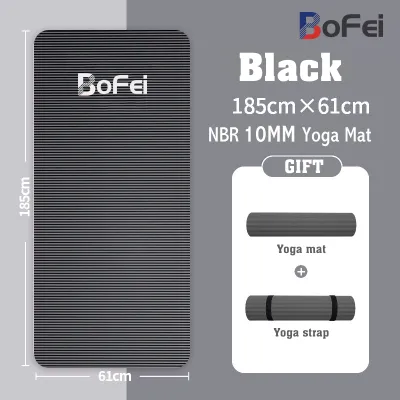
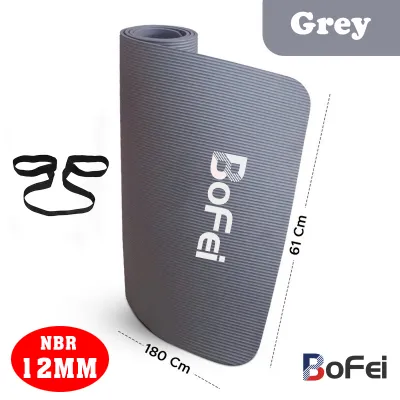
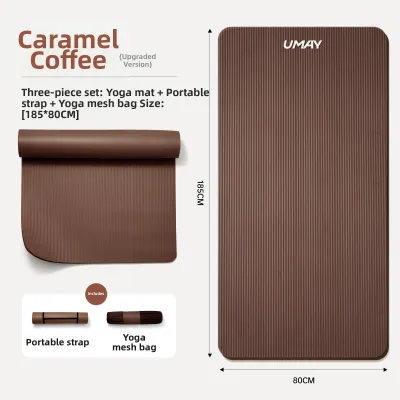
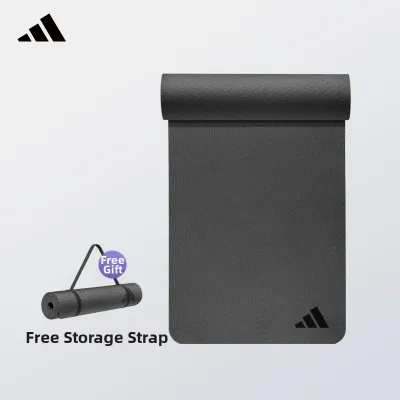
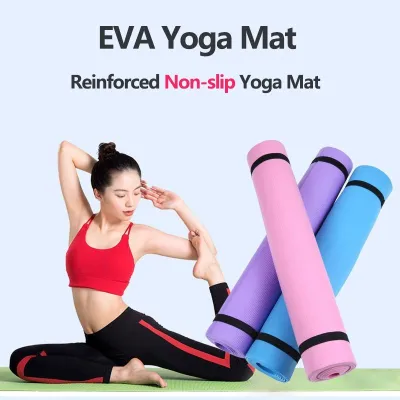
Prices are valid at publication and may change. Please refer to the product page for the latest price.
NBR (Nitrile Butadiene Rubber) is a synthetic rubber foam known for its highly compressible, pillowy texture. NBR mats are typically manufactured to be much thicker than PVC or TPE options, often ranging from 10mm to 15mm. This thickness makes them highly effective at absorbing impact and protecting sensitive joints during floor-based routines. The material is naturally soft, but its high compressibility means it can feel unstable when you attempt to stand or balance on it.
TPE (Thermoplastic Elastomer) represents a modern material class that blends the physical properties of plastic and rubber. TPE mats are often lighter than PVC mats of comparable thickness and feature a distinct, textured surface designed to provide dry traction. They are frequently chosen by practitioners who want a middle-ground option that offers moderate cushioning without the heavy weight or high compressibility of NBR.
When shopping, always check the manufacturer’s product label for the exact material composition. Many modern mats use proprietary blends or add specific plasticizers and foaming agents to alter the density and texture. A cheap TPE mat may feel vastly different from a premium TPE mat, so verifying the specific product specifications is essential before making a purchase.
Comparing Grip, Cushioning, and Durability
Grip and traction are critical safety factors, especially during dynamic movements or in high-humidity environments where perspiration is inevitable. PVC mats generally offer reliable dry grip once they are broken in, but they can become slippery when wet unless they feature a specialized textured pattern. NBR mats have a smooth, slightly waxy texture that can lose traction when exposed to heavy sweat, making them less suitable for fast-paced, high-sweat workouts. TPE mats typically feature molded, textured patterns on both sides to enhance mechanical grip, though their slip resistance can still decrease if moisture accumulates on the surface.

Cushioning and joint support must be balanced against stability. Thick NBR mats provide excellent comfort for your knees, hips, and spine during floor exercises like Pilates or physical therapy stretches. However, this same plushness can cause your feet to sink, making standing balance poses difficult and potentially straining your ankles. PVC and TPE mats are generally thinner (usually 4mm to 6mm) and much denser, providing a firm, stable foundation that keeps your feet grounded during standing exercises while still offering basic protection from hard tile or concrete floors.
Durability and wear determine how long your investment will last under regular use. PVC is highly resilient, resisting tears, stretching, and flaking even when subjected to high-impact workouts with athletic shoes. TPE is moderately durable but can show signs of wear, such as stretching or surface abrasion, if used for high-impact training with shoes. NBR is the most delicate of the three; its soft, foamy structure is highly susceptible to gouges, scratches, and permanent indentations from heavy equipment or sharp fingernails.
Because manufacturing quality varies widely across brands, always verify specific product specifications, density ratings, and user reviews. A high-density PVC mat will perform differently than a low-density, cheap alternative, so look for detailed product descriptions rather than relying solely on the material acronym.
Matching the Mat Material to Your Workout Routine
Choose a PVC mat if your routine consists of general fitness, strength training, or high-impact aerobics where you might wear athletic shoes. Its tough, dense structure can withstand the friction of shoes without tearing, and its water-resistant surface is easy to sanitize after a sweaty session. If you are looking for a budget-friendly option to place on a home gym floor for basic push-ups, planks, and dumbbell work, a durable PVC mat is a highly practical choice.
Select an NBR mat if your primary activities are floor-based, such as Pilates, core conditioning, deep stretching, or physical therapy. If you frequently experience joint discomfort on hard floors, the thick, shock-absorbing foam of NBR provides the necessary barrier to keep you comfortable. However, keep in mind that NBR is not designed for standing balance work or high-intensity agility drills, as the soft foam can shift underfoot and compromise your stability.
Opt for a TPE mat if you practice yoga, Pilates, or dynamic stretching and need a lightweight, portable option to carry to a local studio. TPE provides a balanced combination of moderate cushioning and firm stability, allowing you to transition between standing poses and floor work without losing your footing. Its lighter weight makes it highly convenient for commuters who need to roll up their mat and carry it throughout the day.
Before finalizing your choice, verify if you have any specific material sensitivities. While NBR and TPE are often latex-free, individuals with sensitive skin should check product labels for hypoallergenic certifications. Additionally, if you plan to practice hot yoga or high-intensity interval training (HIIT) in a warm room, verify if the mat requires a companion microfiber towel to maintain safe traction when wet.
Care, Maintenance, and Lifespan Expectations
Proper cleaning is essential to maintain the surface grip and hygiene of your mat exercise pad. After every workout, wipe down the surface with a damp cloth and a mild, diluted soap solution. Avoid using harsh household chemicals, bleach, or concentrated essential oils, as these substances can degrade synthetic foams, strip away textured grip coatings, and accelerate material breakdown.
Storage conditions play a major role in preventing premature aging, particularly in tropical climates with high ambient temperatures. Always allow your mat to air dry completely in a shaded, well-ventilated area before rolling it up. Store the rolled mat flat in a cool, dry place away from direct sunlight, as prolonged exposure to UV rays and extreme heat can cause PVC to warp, NBR to dry out and crumble, and TPE to lose its elasticity.
Regularly inspect your mat for visible signs of wear to ensure your workouts remain safe. If you notice surface flaking, deep cracks, permanent compression divots that no longer bounce back, or a significant loss of traction, it is time to replace the mat. Continuing to use a degraded mat can lead to slips, joint strain, or injuries due to inadequate cushioning and support.
Frequently Asked Questions (FAQ)
Are TPE mats completely non-toxic compared to PVC?
While TPE is frequently marketed as an eco-friendly, non-toxic alternative to traditional PVC because it is typically manufactured without phthalates or heavy metals, actual safety depends on the specific manufacturer’s quality control. Some low-cost TPE mats may still contain chemical additives or processing agents that emit strong odors. To ensure safety, look for independent testing certifications on the product label rather than relying solely on the material name.
Can I use a thick NBR mat for standing yoga poses?
Using a thick NBR mat for standing yoga poses is generally not recommended because the soft, highly compressible foam compromises your balance. When you stand on a thick foam surface, your ankles must work harder to stabilize your body, which can lead to fatigue or joint strain. For balance-heavy routines, a thinner, denser TPE or PVC mat provides a much safer and more stable foundation.
How do I know if my exercise mat is wearing out?
You can identify a worn-out mat by looking for physical signs of degradation such as surface peeling, thinning in high-pressure areas under your hands and feet, or a noticeable loss of grip. If you find yourself slipping during standard movements or if your joints feel the hard floor beneath the mat, the material has lost its structural integrity. Stop using the mat immediately to prevent accidental slips or impact injuries.
Community discussion
Share your experience or ask a question. Comments are reviewed before publication.