
Selecting the right exercise mat is one of the most important decisions you can make for your daily fitness routine. The material of your mat directly dictates how well you can balance, how much stress your joints absorb, and how safe you remain during high-energy movements. With options ranging from lightweight synthetic polymers to dense natural materials, finding the perfect match requires looking closely at your specific training style, your physical needs, and even your local environment.
In a warm and tropical climate, factors like high relative humidity and intense sweat production play a massive role in how a mat performs. A mat that feels perfectly grippy in a dry, air-conditioned showroom might become dangerously slick during a mid-afternoon home workout. By understanding the physical characteristics, practical limits, and maintenance requirements of Thermoplastic Elastomer (TPE), Nitrile Butadiene Rubber (NBR), and natural or synthetic rubber, you can invest in a surface that fully supports your fitness journey.
Quick Guide: Which Mat Material Fits Your Workout?
If you want a rapid reference to guide your purchase, this matrix maps the three primary materials to their ideal workout applications, physical profiles, and typical price points in the local market.
Products mentioned in this guide
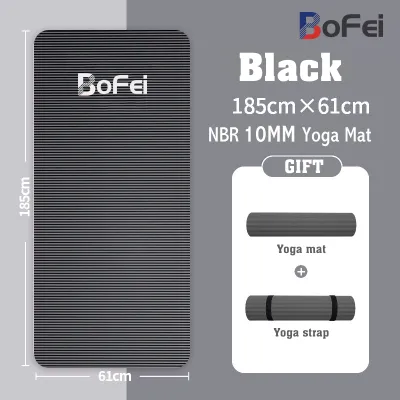
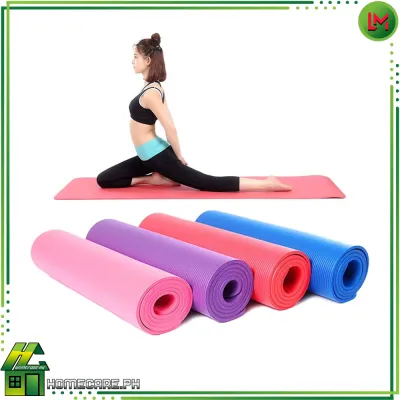
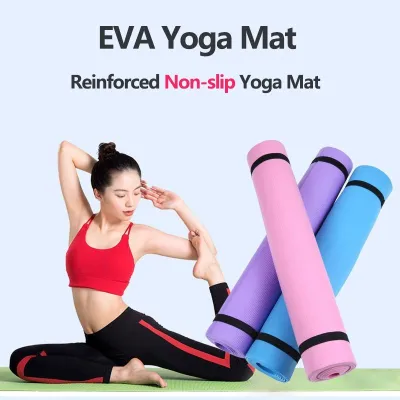
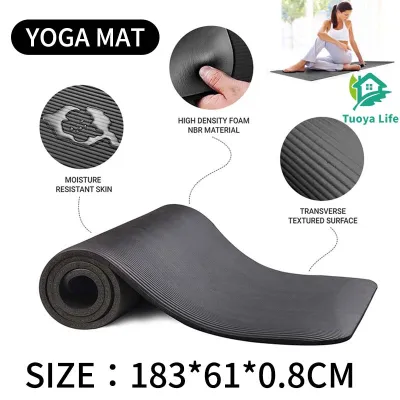
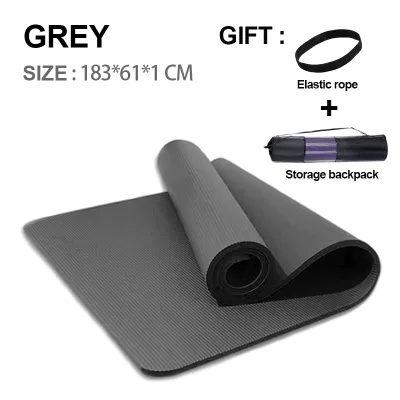
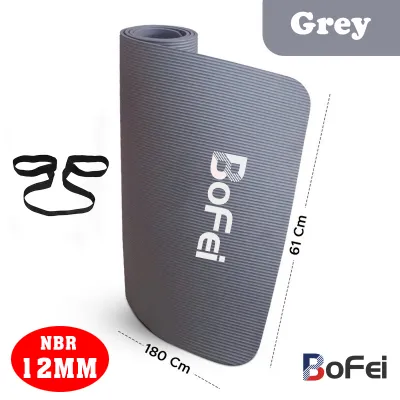
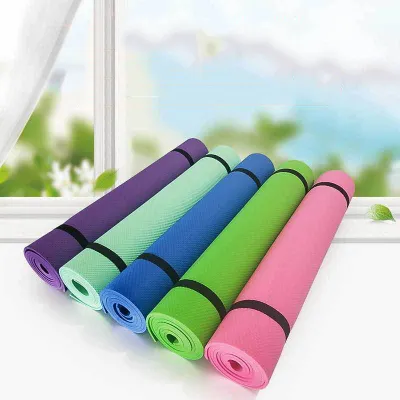
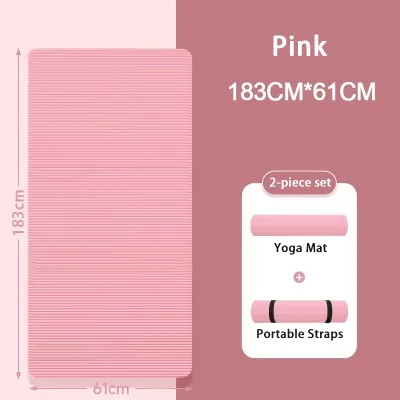
Prices are valid at publication and may change. Please refer to the product page for the latest price.
| Material | Best Workout Match | Cushioning & Support | Grip & Traction | Portability | Price Range (PHP) |
|---|---|---|---|---|---|
| TPE | General yoga, Pilates, light home workouts | Moderate & responsive | Good dry grip; moderate wet grip | High (very lightweight) | ₱800 – ₱2,000 |
| NBR | Floor stretching, core work, physical therapy | High & pillowy (thick) | Low to moderate; slippery when wet | Moderate (bulky but light) | ₱400 – ₱1,200 |
| Rubber | Hot yoga, power yoga, heavy strength training | Dense, firm & highly stable | Exceptional wet & dry grip | Low (heavy to carry) | ₱2,500 – ₱6,000+ |
- TPE is the ideal middle-ground option for those who prioritize a lightweight design, easy transport, and balanced performance for general floor exercises.
- NBR serves as an affordable, ultra-cushioned shield for individuals with sensitive joints who primarily perform low-impact, slow-tempo floor routines.
- Rubber represents a premium, high-performance investment designed for maximum stability, intense grip under sweaty conditions, and long-term durability.
Understanding the Core Materials: TPE, NBR, and Rubber
To make an informed choice, it helps to understand what these materials actually are and how their physical structures behave under pressure.

TPE (Thermoplastic Elastomer)
Thermoplastic Elastomer, commonly known as TPE, is a synthetic blend of plastic and rubber polymers. This hybrid composition yields a material that is highly flexible, soft to the touch, and remarkably lightweight. One of its most significant physical advantages is its closed-cell structure. Because the surface cells are tightly sealed, TPE resists absorbing liquids, meaning sweat, oils, and moisture remain on the surface rather than sinking into the core of the mat.
For fitness enthusiasts, this closed-cell design makes TPE highly hygienic and easy to clean, especially in humid conditions where bacteria thrive. TPE mats are also generally considered more environmentally friendly than traditional PVC mats, as many formulations are recyclable and manufactured without phthalates. They are easy to roll up tightly and carry to a local studio, though users should always check product labels for specific density ratings, as lower-quality TPE can sometimes feel overly soft or stretch slightly under lateral tension.
NBR (Nitrile Butadiene Rubber)
Nitrile Butadiene Rubber, or NBR, is a highly resilient synthetic rubber foam. It is widely recognized in the fitness industry for its ability to be manufactured into exceptionally thick sheets, typically ranging from 10mm to 15mm. This thickness, combined with the material’s natural air-filled foamy texture, creates a pillowy barrier that excels at absorbing shock and distributing localized pressure.
Because NBR is highly affordable to produce, these mats are widely available at budget-friendly price points. However, this soft, foamy structure comes with distinct trade-offs. While the surface of a new NBR mat is generally closed-cell, the material is highly susceptible to punctures and deep scratches. If the outer skin is compromised, NBR can act like a sponge, absorbing sweat and environmental moisture. Additionally, its high loft and squishy nature mean it lacks the firm, structural stability required for standing balance poses or rapid, multi-directional footwork.
Natural and Synthetic Rubber
Premium rubber exercise mats are typically crafted from natural rubber harvested from the sap of rubber trees, though some high-performance models utilize advanced synthetic rubber blends. Unlike NBR foam, solid rubber mats are incredibly dense, heavy, and structurally rigid. This density provides an uncompromisingly stable foundation that lies completely flat on the floor without curling at the corners.
Natural rubber is highly prized for its open-cell or micro-textured surface, which offers an inherent, high-friction grip that actually improves as it comes into contact with moisture. This makes it the premier choice for demanding, high-sweat disciplines. The primary trade-offs of natural rubber are its weight—often exceeding 2.5 kilograms—and a distinct, earthy scent that is characteristic of raw rubber. It also requires specialized, gentle maintenance to prevent the natural organic compounds from drying out, cracking, or degrading over time.
Head-to-Head Comparison: Grip, Cushioning, and Durability
When evaluating an exercise mat, comparing how these materials perform across key functional dimensions will help you narrow down your choices based on your workout environment.
Grip and Traction in Humid Conditions
In tropical climates where humidity is high, maintaining a secure grip on your exercise mat is a critical safety consideration. Slipping during a dynamic movement or a complex yoga pose can easily lead to joint strains or falls.
- Rubber offers the absolute best traction in both dry and wet conditions. The natural tackiness of the material ensures that your hands and feet remain firmly planted, even when the mat is damp with sweat. For hot yoga or high-intensity training, rubber is the safest and most reliable option.
- TPE provides excellent dry grip, often enhanced by textured geometric patterns molded into the surface. However, if sweat pools on a TPE mat, the closed-cell surface can become slippery. If you choose TPE and tend to sweat heavily, keeping a microfiber grip towel nearby to lay over the mat is a highly recommended safety measure.
- NBR performs poorly under wet conditions. The smooth, synthetic foam surface quickly loses traction when exposed to moisture, making it highly slippery. NBR should generally be reserved for dry, low-sweat workouts, or paired with a highly absorbent, non-slip towel to prevent sliding.
Cushioning and Joint Support
Cushioning is not just about thickness; it is about density and how the material responds to the weight of your body.
- NBR is the undisputed champion of plush comfort. If you have highly sensitive knees, wrists, or a prominent tailbone, a 10mm to 12mm NBR mat provides a soft, forgiving cushion that prevents painful contact with hard tile or concrete floors. However, this deep compression means your joints sink into the mat, which can compromise ankle stability during standing exercises.
- Rubber takes the opposite approach, offering thin (typically 3mm to 5mm) but incredibly dense support. While it does not feel pillowy, it prevents your joints from bottoming out to the hard floor beneath. This dense feedback is essential for maintaining proper alignment, balance, and joint safety during standing poses or weighted movements.
- TPE sits comfortably in the middle, usually offering a thickness of 6mm to 8mm. It provides a responsive, medium-density cushion that absorbs moderate impacts while remaining firm enough to support basic standing balance work without excessive wobbling.
Durability and Wear Resistance
Investing in a mat means considering how well it will withstand the friction of your hands, feet, shoes, and gear over hundreds of sessions.
- Rubber is exceptionally durable. It resists tearing, stretching, and permanent compression. Even under daily, rigorous use, a high-quality rubber mat will maintain its shape, density, and grip for years, making it the most cost-effective option over its lifespan.
- TPE offers moderate durability. It holds up exceptionally well to barefoot, low-impact routines. However, TPE can easily scuff, peel, or tear if subjected to abrasive athletic shoes, sharp equipment, or aggressive, high-impact lateral forces.
- NBR has the lowest wear resistance of the three. It is highly prone to showing permanent indentations from heavy body parts or equipment. Fingernails, pet claws, and shoes can easily gouge or tear the soft foam, and over time, the air cells within the foam will permanently collapse, leaving flat, unsupportive zones.
Matching the Material to Your Workout Style
Your choice of material should align directly with the movements you perform most frequently.
Yoga, Pilates, and Stretching
For technical yoga practices like Vinyasa, Ashtanga, or Power Yoga, a dense Rubber mat is highly recommended. The uncompromising grip allows you to hold demanding postures safely, while the firm density protects your wrists and ankles from rolling.
If your routine consists of gentle Hatha yoga, restorative stretching, or classic mat Pilates, a TPE mat is an excellent, versatile choice. It provides comfortable cushioning for long floor holds while remaining light enough to roll up and carry effortlessly. Avoid using thick, squishy NBR mats for any practice that involves standing balance sequences, as the unstable surface increases the risk of ankle strain.
HIIT, Calisthenics, and Floor Work
High-intensity interval training (HIIT) and bodyweight calisthenics involve rapid transitions, jumps, and high-impact floor exercises like burpees, mountain climbers, and planks. For these workouts, a thick TPE mat with a highly textured, non-slip bottom is highly effective. It offers enough shock absorption to protect your joints during plyometric landings while maintaining enough structural integrity to keep the mat from sliding across smooth tile floors.
If your HIIT routine is strictly low-impact and focused heavily on core work—such as sit-ups, leg raises, and kneeling glute kickbacks—a thick NBR mat can provide the deep comfort your spine and hips require. However, always perform a quick manual check before starting to ensure the mat’s bottom grip is securely stuck to your floor to prevent any sudden sliding during dynamic movements.
Weightlifting and Heavy Equipment Use
If you plan to use dumbbells, kettlebells, or barbells, or if you want a protective barrier to place under a heavy cardio machine, standard yoga and fitness mats are entirely unsuitable.
For any weighted strength training, you should exclusively use dense, heavy-duty Rubber mats. Solid rubber resists the intense compression forces of dropped weights and prevents heavy metal edges from cutting through to your subfloor. Attempting to lift weights on a soft TPE or NBR mat is highly dangerous, as the squishy, unstable surface compromises your footing, making it difficult to maintain a safe, flat posture during squats, deadlifts, or overhead presses.
Care, Maintenance, and Longevity
To maximize the lifespan of your exercise mat and keep it hygienic, you must tailor your cleaning routine to the specific vulnerabilities of its material, especially in a humid climate.
- TPE and NBR Care: Because TPE is closed-cell, and NBR has a protective outer skin, both can be cleaned easily. After a sweaty workout, wipe down the surface using a soft microfiber cloth dampened with warm water and a few drops of mild, pH-neutral dish soap. Avoid soaking NBR mats in water, as any micro-tears can allow water to seep into the inner foam core, where it will struggle to dry and potentially cultivate mold.
- Rubber Care: Natural rubber requires specialized care. It is highly sensitive to harsh detergents, alcohol, and essential oils, which can strip the natural moisture from the material and cause it to dry out, flake, and lose its grip. Clean your rubber mat using a dedicated, pH-balanced rubber mat wash or a highly diluted solution of white vinegar and water.
- Drying and Storage: Regardless of the material, never expose your exercise mat to direct sunlight to dry. The intense UV rays will rapidly degrade TPE, cause NBR to become brittle, and oxidize natural rubber, permanently ruining its texture. Always lay or hang your mat to air-dry completely in a shaded, well-ventilated indoor space. Once dry, roll the mat with the top (usable) side facing outward; this simple habit ensures the corners lay flat on the floor during your next workout.
Frequently Asked Questions (FAQ)
Is TPE or NBR better for beginners?
The ideal choice for a beginner depends entirely on your physical comfort and the primary type of exercise you plan to do. If you struggle with joint pain, sensitive knees, or discomfort on hard floors, the thick, pillowy cushioning of an NBR mat will make your workouts much more comfortable and inviting. However, if your beginner routine focuses on standing yoga poses, balance work, or light cardio, a standard-thickness TPE mat is a safer option, as it provides the necessary stability to prevent ankle rolling and slips.
Why does my rubber exercise mat smell?
A distinct, earthy, or rubbery odor is completely normal for brand-new natural rubber mats. This scent is a natural characteristic of the organic latex harvested from rubber trees and is entirely non-toxic. To minimize the odor, unroll your new mat and let it air out in a cool, shaded, and well-ventilated room for several days. Avoid using harsh chemical sprays, deodorizers, or leaving the mat in the sun to speed up the process, as this will damage the natural fibers and ruin the mat’s grip.
Can I use my standard yoga mat for heavy weightlifting?
No, standard TPE or NBR yoga mats should never be used for heavy weightlifting. These mats are designed for bodyweight exercises and lack the density and tensile strength required to handle heavy steel weights. Placing heavy dumbbells or barbells on a standard yoga mat will instantly tear the material, create permanent compression divots, and create an unstable, squishy surface that compromises your balance and lifting safety. For weight training, always invest in dense, heavy-duty vulcanized rubber mats or specialized gym flooring tiles.
Community discussion
Share your experience or ask a question. Comments are reviewed before publication.