
Quick Answer: Which Workout Mat Material Is Right for You?
Selecting the ideal workout floor mat is a critical decision that directly influences your exercise safety, joint comfort, and overall performance. With options like Thermoplastic Elastomer (TPE), Nitrile Butadiene Rubber (NBR), and natural or synthetic rubber, the market offers vastly different physical profiles. The correct choice depends on your specific workout intensity, floor conditions, and portability needs.
To make a quick decision:
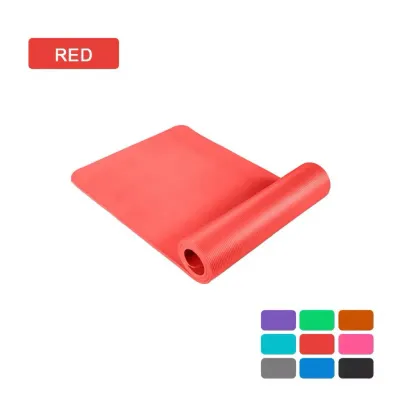
- NBR mats are thick, soft, and highly cushioned, making them ideal for joint support during low-impact, floor-based routines like Pilates and stretching.
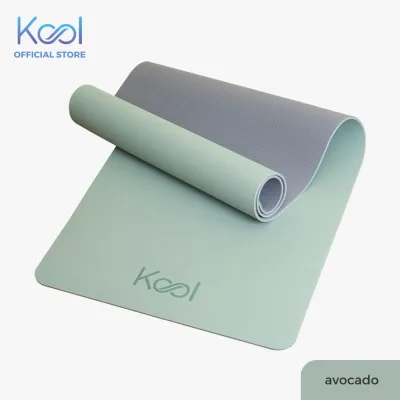
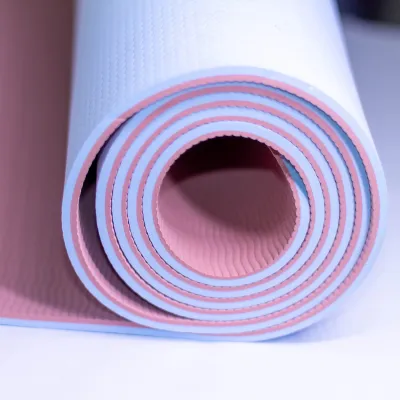
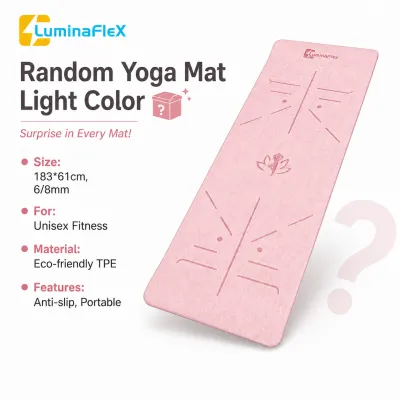
- TPE mats provide a balanced, lightweight, and moderately cushioned alternative that works exceptionally well for general fitness and standard yoga.
- Rubber mats are dense, heavy, and offer maximum grip and durability, making them the premier choice for high-intensity interval training (HIIT), weightlifting, and vigorous exercise routines where a stable, non-slip foundation is mandatory.
No single material is universally superior; instead, matching the mat’s characteristics to your movement style will ensure safety and longevity.
Products mentioned in this guide
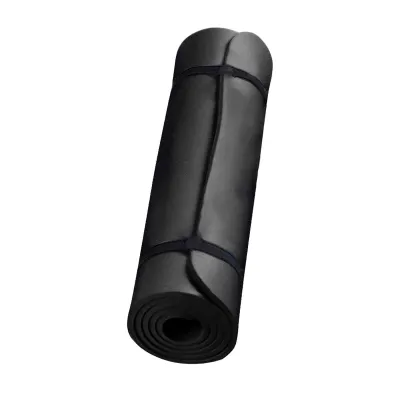
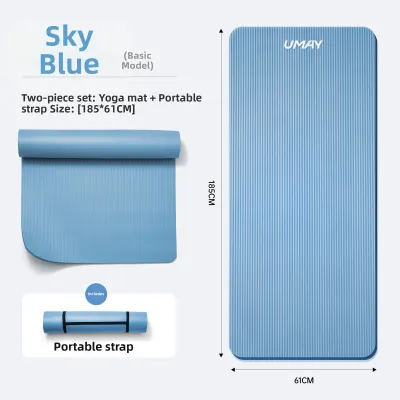

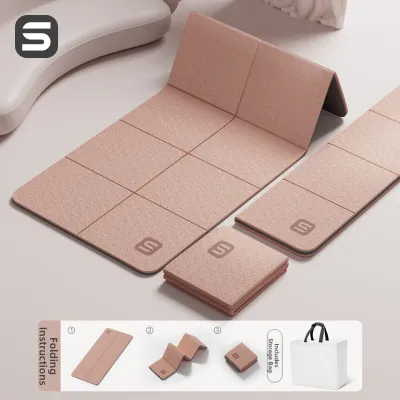
Prices are valid at publication and may change. Please refer to the product page for the latest price.
TPE, NBR, and Rubber: Core Characteristics Compared
Understanding the physical and chemical composition of these materials is the first step in finding the right workout floor mat. Each material is manufactured using different processes, resulting in unique densities, weights, and environmental profiles.

NBR (Nitrile Butadiene Rubber) Mats
Nitrile Butadiene Rubber, commonly known as NBR, is a synthetic rubber copolymer renowned for its highly elastic and oil-resistant properties. In the fitness industry, NBR is processed into a soft, air-filled foam that typically yields very thick mats, often ranging from 10mm to 15mm. This manufacturing method creates a plush, pillowy surface that excels at absorbing pressure.
Because of this high level of cushioning, NBR mats are highly favored by individuals seeking maximum joint protection. If your routine involves a lot of kneeling, lying down, or seated movements—such as in classical Pilates, physical therapy, or deep core training—NBR provides a comfortable barrier against hard concrete or tile floors. However, this softness comes with a trade-off: the material has low density, meaning it compresses easily under concentrated weight. When you stand on an NBR mat, your feet sink deeply, which can make balancing difficult. Additionally, NBR is prone to stretching and tearing under shearing forces, so it is not recommended for dynamic, high-impact movements or workouts where you wear athletic shoes. Always check the product label for density specifications, as higher-density NBR will offer slightly better resistance to bottoming out.
TPE (Thermoplastic Elastomer) Mats
Thermoplastic Elastomer, or TPE, represents a modern class of materials that blend the elastic characteristics of rubber with the easy processing of plastics. TPE mats are constructed with a closed-cell structure, meaning the tiny air pockets within the material are sealed off from one another. This design prevents moisture, sweat, and dirt from penetrating the interior of the mat, making it highly hygienic and easy to clean.
TPE is widely positioned as a versatile, middle-ground alternative to traditional PVC (polyvinyl chloride) mats. It offers a moderate level of cushioning—usually between 4mm and 8mm—and provides a firm yet comfortable surface. This balance of support and stability makes TPE highly suitable for general fitness, bodyweight exercises, and standard yoga practices where you need both joint comfort and a stable foundation for standing poses. Furthermore, TPE is exceptionally lightweight, often weighing less than half of a comparable rubber mat, making it highly portable. While often marketed as a more eco-friendly option due to its recyclability and lack of toxic phthalates, consumers should verify specific environmental and non-toxic certifications on the product packaging to ensure these claims are backed by independent testing.
Natural and Synthetic Rubber Mats
Rubber mats are the heavy-duty workhorses of the exercise world. They can be made from natural rubber, harvested from the sap of rubber trees, or synthetic rubber compounds such as polyurethane (PU). Unlike NBR and TPE, rubber is incredibly dense and solid, offering a heavy, grounding presence that lays perfectly flat on any floor surface without curling at the edges.
The primary advantage of a rubber workout floor mat is its high density and resistance to compression. When you perform heavy lifts, jump squats, or rapid lateral movements, a rubber mat provides a completely stable, non-yielding surface that protects your joints from unstable lateral shifting. It also offers exceptional natural traction, gripping both the subfloor and your feet or shoes with high friction. However, rubber is significantly heavier than other materials, with standard mats often weighing between 2.5 kg and 4.5 kg, which limits their portability. Additionally, natural rubber contains latex proteins, which can cause allergic reactions in sensitive individuals. It is crucial to check the manufacturer’s material breakdown and allergy warnings before purchasing a rubber mat to ensure it is safe for your household.
How to Choose Based on Your Workout Needs
Selecting the right workout floor mat requires a deep dive into how these materials perform under different physical demands. By evaluating cushioning, grip, durability, and portability, you can align your purchase with your daily exercise habits.
Cushioning and Workout Intensity
The intensity and style of your workouts should dictate the thickness and density of the mat you choose. Low-intensity, floor-based routines like restorative yoga, stretching, and Pilates require a mat that prioritizes comfort. For these activities, a thicker mat (such as a 10mm to 12mm NBR mat) is highly beneficial, as it shields sensitive pressure points like the knees, elbows, and tailbone from hard surfaces.
For high-intensity training, weightlifting, or dynamic standing exercises, the priority shifts from soft cushioning to firm stability. Performing jumps, lunges, or overhead lifts on a soft, thick NBR mat is highly unstable and can cause your ankles to roll, increasing the risk of sprains. For these intense routines, a dense, thin mat (such as a 3mm to 5mm rubber or TPE mat) is essential. It provides a solid, flat surface that allows your feet to establish a firm connection with the ground, ensuring proper alignment and balance. Remember that thickness does not equal support; a dense 4mm rubber mat can offer better joint protection during high-impact landings than a soft 12mm foam mat that bottoms out completely. Always verify the product’s density and intended use cases before making a decision.
Grip and Sweat Resistance
Maintaining a secure grip is vital for safety, particularly in tropical climates like the Philippines where high humidity and warm temperatures lead to heavy sweating during workouts. A slippery mat can cause your hands or feet to slide out of position, leading to muscle strains or falls.
Rubber mats offer the absolute best traction, especially in wet conditions. Open-cell rubber and PU-topped rubber mats are designed to absorb moisture, pulling sweat away from the surface to maintain a high-friction grip even during intense, sweaty sessions. TPE mats provide excellent dry grip due to their textured surfaces, but because they have a closed-cell structure, sweat can pool on the surface. If you sweat heavily on a TPE mat, it can quickly become slick, requiring the use of a microfiber yoga towel to absorb moisture and maintain traction. NBR mats are the least slip-resistant when wet. The smooth, non-porous surface of NBR foam does not absorb moisture, and sweat accumulation can turn the mat into a hazard. If you choose NBR, it should be kept strictly for low-sweat, low-impact routines. When shopping, look for terms like “non-slip texture,” “open-cell,” or “moisture-wicking” to ensure the mat matches your sweat level.
Durability and Lifespan
The long-term value of your workout floor mat depends heavily on its material density and resistance to wear. Rubber is by far the most durable option. It is highly resistant to tearing, scratching, and the abrasive friction of athletic shoes. A high-quality rubber mat can withstand daily high-intensity workouts, heavy equipment placement, and outdoor use for several years without showing significant signs of degradation.
TPE offers moderate durability. It can withstand regular barefoot workouts and light bodyweight exercises, but it will wear down faster if subjected to the constant friction of training shoes or heavy weights. Over time, TPE may show signs of surface wear or minor flaking in high-use areas. NBR is the least durable of the three. Because it is a soft, low-density foam, it is highly susceptible to punctures from fingernails, jewelry, or pet claws. Wearing athletic shoes on an NBR mat will rapidly tear and shred the foam surface, and leaving heavy objects on it can cause permanent compression indents that never pop back up. To maximize your investment, choose a material that matches the physical demands of your routine, and read user reviews to verify long-term resistance to flaking and tearing.
Portability and Storage
Your workout location plays a major role in determining which mat material is practical for your lifestyle. If you primarily work out at home in a dedicated space, a heavy, high-density rubber mat is an excellent choice. It can be unrolled and left in place, serving as a semi-permanent gym floor that stays securely anchored.
However, if you commute to a fitness studio, practice yoga in a park, or need to pack away your gear after every session, portability becomes a primary concern. TPE mats are the gold standard for portability; they roll up tightly and are incredibly lightweight, making them effortless to carry on public transport or sling over your shoulder. NBR mats are also lightweight, but their extreme thickness makes them bulky and difficult to roll into a compact size, often requiring wider storage straps or a large carrying bag. Consider whether you need a travel-friendly companion or a stationary floor anchor before choosing your mat’s material and thickness.
TPE vs NBR vs Rubber: Feature Comparison at a Glance
To help you quickly synthesize this information, the table below compares TPE, NBR, and rubber across key decision dimensions. Use these relative ratings alongside your personal workout habits to narrow down the best option for your fitness space.
| Material | Best For | Cushioning Level | Grip & Sweat Resistance | Weight & Portability | Durability |
|---|---|---|---|---|---|
| NBR | Pilates, stretching, joint therapy | High (Soft & Plush) | Low (Slippery when wet) | Light but Bulky | Low (Prone to tearing) |
| TPE | General fitness, yoga, commuting | Moderate (Balanced) | Medium (Needs towel for heavy sweat) | Very Light & Compact | Medium (Good for barefoot use) |
| Rubber | HIIT, weightlifting, intense yoga | Low to Medium (Firm) | High (Excellent wet & dry grip) | Heavy & Stiff | High (Very resilient) |
When using this table, consider your primary exercise environment. If you frequently move between home and a studio, prioritize the weight and portability of TPE. If you are setting up a permanent home gym space on a hard tile floor, the durability of rubber or the plush cushioning of NBR will serve you much better.
Maintaining Your Workout Floor Mat for Longevity
Investing in a high-quality workout floor mat is only half the battle; proper maintenance is essential to preserve its texture, hygiene, and performance over time. Because different materials react uniquely to moisture and cleaning agents, adopting a safe, material-specific care routine will significantly extend your mat’s lifespan.
For routine cleaning, a simple solution of warm water and a few drops of mild dish soap applied with a soft microfiber cloth is highly effective for all three materials. Gently wipe down the surface to remove sweat, body oils, and dust, then wipe it again with a clean, damp cloth to remove any soap residue.
Warning: Never use harsh chemical disinfectants, bleach, or concentrated essential oils on your mat. These substances can break down the polymer chains in TPE, cause NBR foam to dry out and crumble, or strip natural rubber of its natural moisture, leading to a slick, degraded surface.
Drying your mat thoroughly is critical, especially in humid tropical climates like the Philippines where trapped moisture can quickly lead to mold, mildew, and unpleasant odors. Always hang or lay your mat flat to air dry completely before rolling it up for storage. However, you must keep both TPE and natural rubber mats out of direct sunlight. The intense heat and UV rays will rapidly oxidize natural rubber, causing it to crack, fade, and lose its grip, while TPE can warp or melt under extreme heat. Always roll your mat with the top (working) surface facing outward; this prevents the corners from curling upward when you lay it down for your next workout. Finally, always consult the manufacturer’s care label and instructions before applying any commercial mat sprays, as improper cleaning can void your warranty.
Final Verdict: Matching the Mat to Your Exercise Routine
Choosing the right workout floor mat comes down to a clear understanding of your physical needs and training style. Use this conditional framework to make your final decision:
- Choose NBR if your exercise routine consists primarily of floor-based, low-impact movements like Pilates, core conditioning, or physical therapy, and your absolute top priority is joint comfort on hard surfaces.
- Choose TPE if you want a highly versatile, lightweight, and budget-friendly mat for general fitness, bodyweight exercises, and yoga, especially if you frequently travel or commute to a studio.
- Choose Rubber if you perform high-intensity interval training (HIIT), lift weights, practice hot yoga, or require a highly durable, non-slip surface that can withstand athletic shoes and heavy sweat.
- Verify first if you have any latex sensitivities before purchasing a natural rubber mat, and check if your home gym flooring requires a specific non-marking mat backing to prevent discoloration or chemical reactions with your floor finish.
Frequently Asked Questions (FAQ)
Can I use a thick NBR mat for standing yoga poses?
It is highly discouraged to use a thick NBR mat for standing balance work. Because NBR is a soft, low-density foam, your feet will sink deeply into the material, creating an unstable foundation. This instability forces your ankles and stabilizer muscles to overcompensate, which compromises your balance and increases the risk of joint strain or ankle rolling. For standing yoga poses, a denser, thinner mat (such as a 4mm to 6mm TPE or rubber mat) is much safer and more effective.
Are TPE mats completely non-toxic and recyclable?
While TPE is generally free of harmful PVC, phthalates, and heavy metals, its environmental claims require careful verification. TPE is technically recyclable because it is a thermoplastic that can be melted down and repurposed, but most local curbside recycling programs do not accept it. To recycle a TPE mat, you typically need to send it to a specialized recycling facility or participate in a manufacturer-sponsored take-back program. Always check the brand’s specific certifications, such as OEKO-TEX, to verify its non-toxic claims.
Why does my new rubber mat smell, and how do I get rid of it?
Natural rubber mats often have a strong, distinct vanilla-like or tire-like odor when first unpacked, which is a natural characteristic of the raw material. To eliminate this smell, unroll the mat and let it air out in a well-ventilated indoor room or a shaded outdoor area for several days. Do not expose it to direct sunlight, use harsh chemical deodorizers, or put it in a washing machine, as these actions will damage the rubber’s structural integrity and ruin its natural grip.
Community discussion
Share your experience or ask a question. Comments are reviewed before publication.