
Finding the right yoga mat for a sweaty workout in a warm, humid climate requires understanding how different materials interact with moisture. When your hands and feet start to sweat, the interface between your skin and the mat determines whether you stay securely in your pose or slide out of alignment. For a reliable non-slip grip during intense, sweat-heavy sessions, natural rubber mats—especially those with an open-cell structure or a polyurethane (PU) top layer—consistently provide highly effective wet traction. While thermoplastic elastomer (TPE) and nitrile butadiene rubber (NBR) offer distinct advantages in terms of weight and cushioning, they require specific strategies to manage moisture and maintain traction. Selecting the ideal mat involves balancing grip, thickness, and stability to protect your joints and keep you grounded even during high-humidity workouts.
Comparing TPE, NBR, and Rubber for Wet Grip
Natural rubber is widely regarded as a benchmark material for traction, particularly in wet conditions. This material can be manufactured with either an open-cell or closed-cell structure. Open-cell natural rubber mats feature microscopic pores that actively absorb moisture, drawing sweat away from the surface to maintain a high-friction grip throughout your practice. However, because these pores absorb sweat, they require regular, careful cleaning to prevent odor buildup. Some premium rubber mats feature a polyurethane (PU) top layer, which acts as an absorbent, smooth surface that actually becomes grippier as it gets wetter, making it an excellent choice for intense vinyasa or hot yoga sessions.
Thermoplastic Elastomer, commonly known as TPE, is a synthetic blend of plastic and rubber polymers. TPE mats are closed-cell, meaning they do not absorb moisture, sweat, or dirt. While this makes them incredibly easy to wipe clean, it also means that sweat will pool on the surface. To compensate, manufacturers emboss TPE mats with deep surface textures, such as waffle or pebble patterns, to create mechanical traction. If you sweat heavily on a TPE mat, you may experience a sudden loss of grip once a thin film of moisture covers these textured ridges, requiring you to keep a towel handy to wipe down the surface periodically.
Products mentioned in this guide
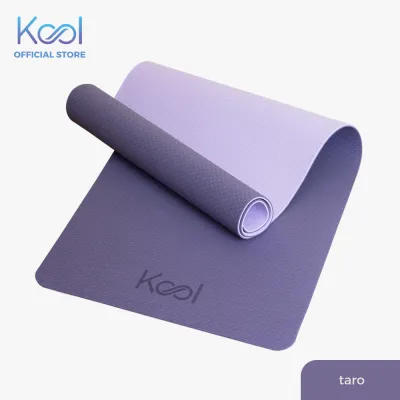
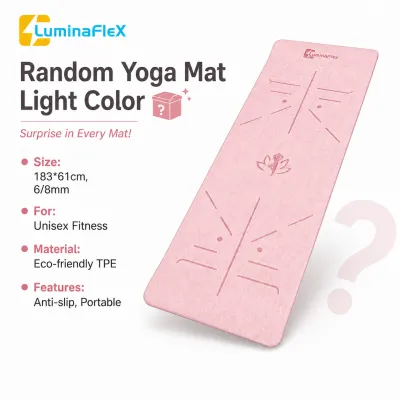
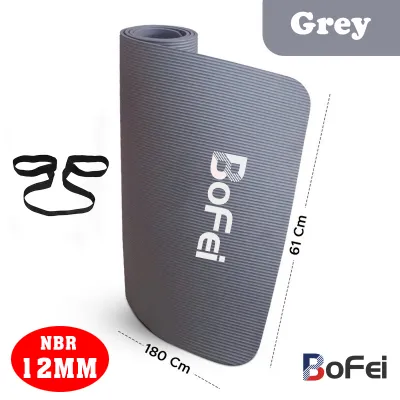
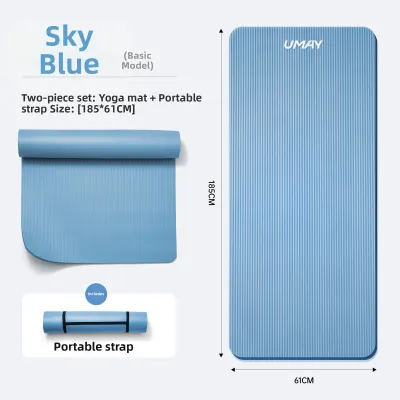
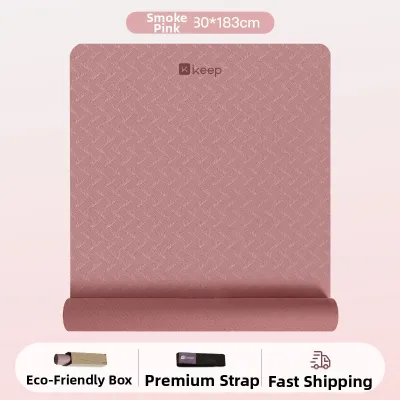
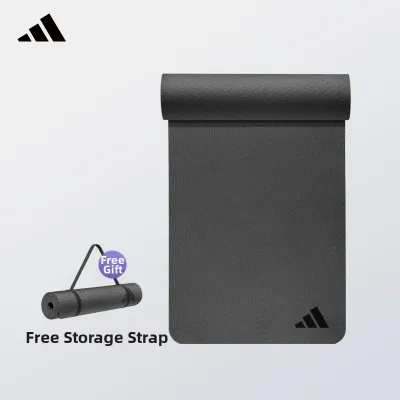
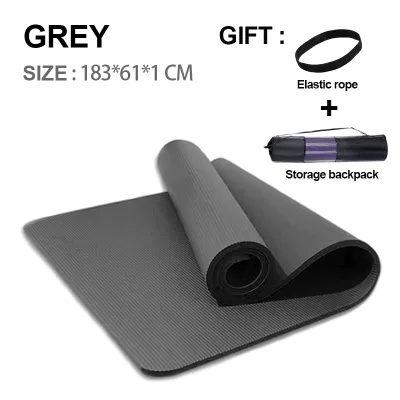
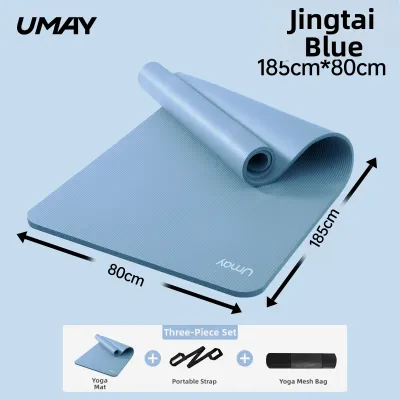
Prices are valid at publication and may change. Please refer to the product page for the latest price.
Nitrile Butadiene Rubber, or NBR, is a highly compressible synthetic rubber foam frequently used for budget-friendly, extra-thick mats. Like TPE, NBR is a closed-cell material that repels moisture. However, NBR has a much lower density and a smoother, more plasticky surface finish. When exposed to sweat, NBR becomes exceptionally slick, offering very little wet traction. Because of this, NBR mats are generally unsuitable for dynamic, sweaty yoga flows where hand and foot placement must remain locked. They are far better suited for static, floor-based stretching, Pilates, or general fitness routines where you do not rely on surface friction to hold complex standing poses.
When browsing online marketplaces or local fitness stores, it is crucial to verify product descriptions carefully. Look for explicit mentions of “open-cell construction” or “absorbent PU top layer” if wet grip is your primary concern. Be cautious of generic “non-slip” claims, which often refer only to dry traction; instead, look for specifications that detail how the mat performs under wet conditions or whether it incorporates specialized microfiber top layers designed to grip when damp.
Balancing Thickness and Stability During Dynamic Movements
While grip is essential, the thickness of your mat plays a critical role in protecting your joints and maintaining your balance. Many practitioners instinctively reach for the thickest mat available, assuming that more cushioning always equals better comfort. However, there is a direct physical trade-off between thick cushioning and joint stability during standing or balancing poses. When a mat is too thick and soft, your feet and hands sink deep into the material, making it difficult for your stabilizing muscles to find a firm foundation, which can lead to ankle wobble and wrist strain during dynamic transitions.

The key to resolving this trade-off lies in understanding how material density interacts with thickness. A dense, heavy material like natural rubber provides excellent joint protection even at a relatively thin profile, such as 3mm to 5mm. Because the rubber is dense, it cushions your knees and elbows against the hard floor without compressing completely or causing you to sink. In contrast, a low-density material like NBR foam must be much thicker—often 10mm to 15mm—to prevent your joints from bottoming out against the floor. However, this extreme thickness comes at the cost of stability, making standing balances like Tree Pose or Warrior III highly challenging and potentially unsafe.
To identify the optimal thickness for your practice, consider the specific types of workouts you perform most frequently. For dynamic, standing-heavy flows like Vinyasa or Ashtanga, a firm, high-density mat in the 4mm to 5mm range offers an optimal balance of joint protection and solid floor feedback. If your routine consists primarily of floor-based yin yoga, restorative practices, or Pilates, a thicker 6mm TPE mat or even a 10mm NBR mat can provide the plush comfort your spine and hips need, as these routines do not require rapid, standing balance adjustments.
Before purchasing, check the product specifications for both the thickness measurement and the overall weight of the mat. A heavier weight for a given thickness is a reliable indicator of high material density. For instance, a 4mm natural rubber mat will often weigh significantly more than a 6mm TPE mat, signaling that the rubber mat offers a firmer, more stable foundation that will not compress excessively under pressure.
Practical Steps to Test and Verify Non-Slip Performance
Evaluating a mat’s grip in a retail store or online can be challenging, as many mats feature a thin protective coating from the factory that temporarily alters their true texture. To ensure your new mat can handle a sweaty workout, you can perform a simple “wet hand” or spray bottle test at home. Lightly mist a small section of the mat with water to simulate sweat, then press your palm firmly onto the wet area and push forward. A high-performance wet-grip mat, such as an open-cell rubber or PU mat, will resist your hand’s forward movement, while a slicker material like NBR or untreated TPE will allow your hand to slide easily.
In addition to testing the material itself, inspect the mat for physical grip enhancements. High-quality mats often feature laser-etched alignment lines, raised geometric patterns, or textured zones designed to channel moisture away from your contact points. These physical textures not only assist with proper hand and foot placement but also create additional surface area to help prevent slipping when the mat is damp.
It is also important to distinguish between hand-slipping on the top surface and the entire mat sliding across the floor. A safe workout requires excellent base adhesion. Lay the mat on your typical workout surface—whether it is polished wood, tile, or concrete—and attempt to slide the mat with your foot. Natural rubber mats are inherently heavy and tacky, providing superb floor grip that prevents the mat from bunching or sliding during dynamic jumps. Lighter TPE and NBR mats require deep, slip-resistant patterns on their underside to grip the floor effectively; if the bottom is smooth, the mat may shift dangerously during rapid movements.
When purchasing a mat online, always review the seller’s return and exchange policies. Look for platforms that offer a clear return window, allowing you to unroll the mat at home, inspect its density, and perform a dry traction test. Keep in mind that some manufacturers recommend a “break-in” period or a gentle wash to remove factory residues before the mat reaches its peak non-slip performance, so check the included care instructions before deciding to return a product.
Cleaning and Maintenance to Preserve Long-Term Grip
Proper maintenance is vital to preserving the non-slip properties of your yoga mat, especially in warm, humid tropical environments where sweat and body oils accumulate rapidly. Different materials have strict cleaning boundaries that you must respect to prevent premature degradation. For example, harsh chemical cleaners, alcohol, or dish soaps can strip the natural oils from rubber mats, causing them to dry out, crack, and lose their natural tackiness. Similarly, TPE is sensitive to extreme heat and harsh solvents, which can break down its polymer bonds and leave the surface permanently slick or crumbly.
To clean a closed-cell TPE or NBR mat, a simple solution of warm water and a few drops of mild, gentle soap is usually sufficient. Wipe the surface down with a soft cloth after every sweaty session, and ensure it is completely dry before rolling it up. For open-cell natural rubber or PU mats, which absorb sweat, a deeper clean is occasionally necessary. Use a specialized, highly diluted rubber mat wash or a damp cloth with water, avoiding any oil-based cleaners that can clog the open pores and permanently ruin the wet grip.
Drying protocols are equally critical, particularly in high-humidity regions. Never leave a natural rubber mat in direct sunlight to dry, as ultraviolet rays rapidly degrade natural rubber, causing it to oxidize, flake, and lose its grip. Instead, hang your mat to dry in a shaded, well-ventilated indoor area. For open-cell mats, ensure they are completely dry throughout their core before rolling them up; storing a damp open-cell mat can trap moisture inside, leading to mold, mildew, and unpleasant odors that are incredibly difficult to remove.
Over time, all yoga mats will eventually show signs of wear. You can recognize observable degradation by looking for flaking material, bald spots where the texture has worn smooth, permanent slickness that no longer responds to cleaning, or a loss of rebound where the mat remains compressed after use. Rather than relying on a fixed calendar timeline, monitor these physical cues to decide when to retire your mat. Continuing to use a degraded, slippery mat increases the risk of joint strain or accidental slips during dynamic transitions, making a timely replacement essential for your safety.
Frequently Asked Questions (FAQ)
Can I use a yoga towel to improve the grip of an NBR or TPE mat?
Yes, using a specialized microfiber yoga towel is an excellent way to manage sweat on closed-cell mats like NBR or TPE. Because these mats do not absorb moisture, sweat pools on the surface and creates a slippery barrier. A microfiber towel laid over the mat absorbs this moisture, utilizing the dampness to actually increase its friction and grip. To get the best results, lightly spray the hand and foot areas of the towel with water before you begin your practice to activate the microfiber’s grip properties immediately. However, keep in mind that towels can shift or bunch up during rapid, highly dynamic transitions, which may disrupt your flow.
Does a heavier rubber mat guarantee better floor grip during jumps?
While a heavier weight helps keep a natural rubber mat flat and stable, weight alone does not guarantee reliable floor grip on every surface. The primary factor preventing a mat from sliding during high-impact jumps is the material’s inherent tackiness and the texture of its bottom surface. Natural rubber has a natural grip that adheres well to polished wood, tile, and laminate floors. However, if the floor itself is dusty or if the bottom of the mat has accumulated dirt, even a heavy mat can slide. Always ensure both your floor and the underside of your mat are clean, and check the manufacturer’s guidelines to verify compatibility with your specific flooring type.
Are extra-thick mats suitable for high-intensity interval training (HIIT)?
Extra-thick mats, particularly those made of highly compressible NBR foam measuring 10mm or more, are generally not suitable for high-intensity interval training (HIIT). The soft, squishy nature of these mats creates significant instability underfoot, increasing the risk of rolling your ankle or straining your knees during lateral jumps, lunges, or rapid directional changes. For HIIT or high-impact workouts, you should look for a high-density, firm exercise mat—typically 5mm to 6mm thick—that offers impact absorption without sacrificing a solid, non-slip foundation. Alternatively, perform high-impact movements on a dedicated, firm fitness floor or wear supportive athletic shoes on a thin, high-density mat designed for training.

Community discussion
Share your experience or ask a question. Comments are reviewed before publication.