
Choosing the right gym mat in the Philippines often comes down to how well a material handles high humidity, intense sweat, and your specific exercise routine. The “best” material is not a single universal winner; rather, it is the one that aligns with your workout style, joint cushioning needs, and maintenance habits. Thermoplastic Elastomer (TPE), Polyvinyl Chloride (PVC), and natural rubber each offer distinct physical properties, traction levels, and lifespans. By understanding these material profiles, you can select a mat that stays stable on your floor and supports your fitness goals without premature wear.
Decoding TPE, PVC, and Natural Rubber Mat Structures
To make an informed choice, you must first understand what goes into these three common gym mat materials. Each material has a unique manufacturing process and physical composition that dictates how it feels under your hands and feet. These structural differences affect everything from the weight of the mat in your gym bag to how it responds to moisture.
TPE, or Thermoplastic Elastomer, is a synthetic blend typically made from plastic and rubber polymers. It features a closed-cell structure, meaning the microscopic pockets of air within the material are sealed off from one another. This design prevents liquids, sweat, and dirt from penetrating the surface of the mat. TPE mats are generally lightweight, making them easy to roll up and carry to a local fitness studio or outdoor park.
Products mentioned in this guide
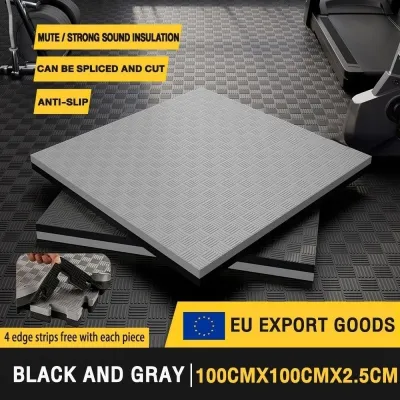
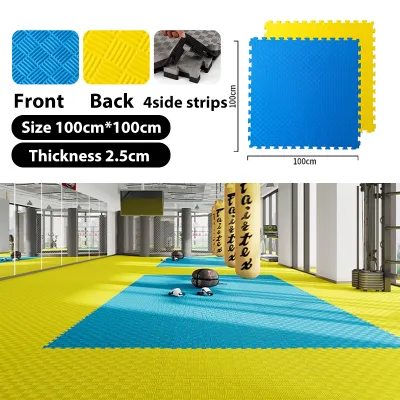
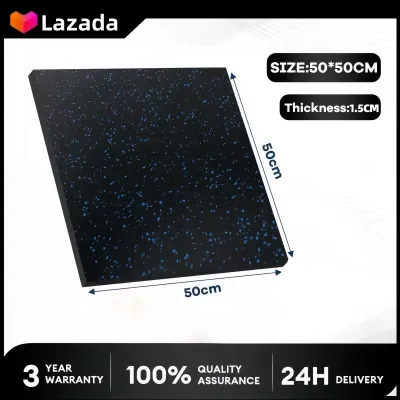
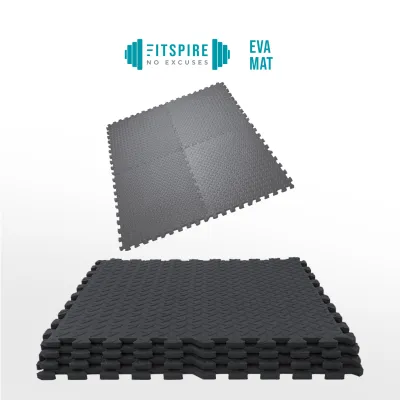
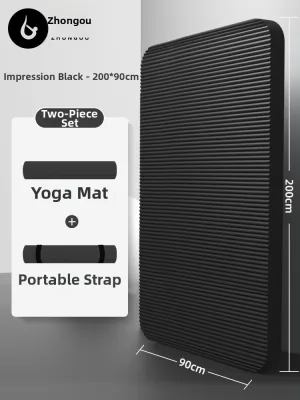
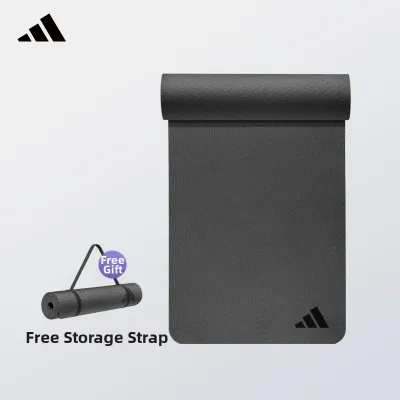
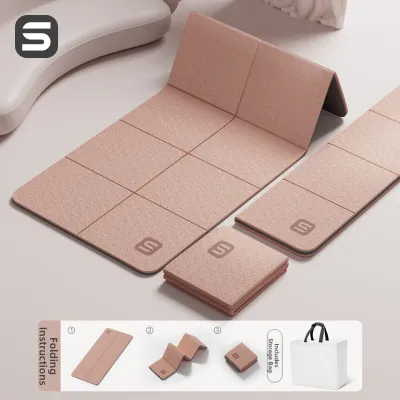
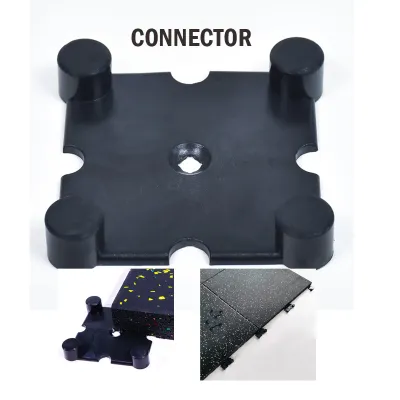
Prices are valid at publication and may change. Please refer to the product page for the latest price.
PVC, which stands for Polyvinyl Chloride, is a traditional synthetic polymer that has been used in fitness gear for decades. Like TPE, PVC is a closed-cell material, which makes it highly resistant to moisture absorption and very easy to wipe clean. It is known for its high structural density and resistance to tearing, though new PVC mats often have a thin manufacturing residue that requires a brief breaking-in period before reaching optimal grip.
Natural rubber mats are made from organic latex harvested from rubber trees, offering a dense and heavy physical profile. Unlike synthetic options, natural rubber typically features an open-cell or porous structure. This open-cell design allows the mat to absorb moisture, which can be highly beneficial for maintaining traction during sweaty workouts. However, this density also makes natural rubber mats significantly heavier than TPE or PVC alternatives, meaning they are often better suited for permanent home gym setups.
Evaluating Grip, Durability, and Care Requirements
Traction is a safety priority for any fitness routine, especially in warm, tropical climates where sweat is inevitable. The way a mat handles moisture depends directly on whether it has an open-cell or closed-cell structure. Open-cell natural rubber mats act like a sponge, drawing moisture away from the surface to maintain a reliable grip even during high-intensity interval training (HIIT) or hot yoga.

Closed-cell mats, such as those made of TPE or PVC, do not absorb moisture, meaning sweat will pool on the surface. To compensate for this, manufacturers often emboss these mats with specific surface textures, such as ribbed, textured, or pebbled patterns. When shopping for a closed-cell mat, you should inspect the product photos or physical labels to verify that the surface texture is deep enough to provide traction when wet.
Durability and wear resistance also vary widely across these materials and depend heavily on density. While PVC is highly resistant to flaking and tearing under heavy shoe friction, a low-density PVC mat may compress permanently over time. Natural rubber offers excellent structural resilience and springiness, but it can degrade if exposed to harsh environmental factors. To ensure long-term durability, check the manufacturer’s density specifications rather than relying solely on the material name.
Cleaning and maintenance routines must match the material’s structural type to prevent odor buildup and degradation. Closed-cell TPE and PVC mats can be easily wiped down with a mild soap and water solution after every workout. Because they do not absorb liquids, they dry quickly and are highly resistant to bacteria. Natural rubber mats require more specialized care; because they are porous, using harsh detergents or submerging them in water can trap moisture inside, leading to material breakdown and unpleasant odors.
Matching the Right Material to Your Workout Style
Your daily fitness routine should dictate your material choice, as different exercises place unique demands on a gym mat. Selecting a mat that complements your movements ensures better stability, safety, and comfort.
Choose natural rubber if your workouts involve heavy floor work, weightlifting, or dynamic movements that require maximum ground feedback. The dense weight of natural rubber keeps the mat firmly anchored to the floor, preventing it from bunching up or sliding during lateral jumps. This material is ideal for those who want a solid, non-slip foundation, provided they do not have a latex allergy or sensitivity.
Choose TPE if you prioritize lightweight portability and easy cleaning for high-sweat cardio, pilates, or studio classes. If you regularly commute with your mat or attend group classes, the light weight of TPE reduces carrying fatigue. Additionally, TPE is a practical choice for those who prefer a synthetic blend with a smaller environmental footprint during production compared to traditional PVC.
Choose PVC if you need a highly durable, budget-friendly option for general home use and are willing to follow specific care routines. PVC mats excel in high-traffic home gyms where users wear athletic shoes, as the tough surface resists scuffs and tears from sneaker soles. It is an excellent entry-level option for bodyweight exercises, stretching, and light dumbbell workouts.
Verify first if you have specific material sensitivities, require extra joint cushioning, or plan to exercise on abrasive surfaces. For instance, those with latex allergies must avoid natural rubber entirely. If you plan to use your mat on rough outdoor concrete or tiled floors with wide grout lines, you will need to verify that the mat’s thickness and backing texture can handle those specific surfaces without slipping or tearing.
Assessing Value, Thickness, and Long-Term Investment
When investing in a gym mat, looking at the upfront price tag is only part of the equation. You must weigh the initial cost against the expected lifespan, material density, and the amount of maintenance effort required over time.
The price-to-durability ratio varies clearly across the three materials. Natural rubber mats typically command a premium price point, often costing upwards of ₱3,000 to ₱5,000, reflecting their organic sourcing and high density. PVC mats offer entry-level affordability, making them highly accessible for beginners, while TPE generally occupies the mid-range market, offering a balance of performance and moderate pricing.
Thickness and material density are often confused, but they serve different purposes. A thick, low-density PVC mat might feel soft to the touch but can bottom out completely under your knees or elbows, offering poor joint support. Conversely, a thinner but denser natural rubber mat can provide superior joint protection because it does not compress easily under concentrated weight. Always check the manufacturer’s density specifications, usually measured in kilograms per cubic meter, to assess true support.
Knowing when to replace your gym mat is essential for maintaining safety and hygiene during your workouts. Look for observable signs of material breakdown, such as flaking particles, permanent indentations that do not spring back, or a loss of surface texture that leads to slipping. If a mat begins to tear structurally or develops a persistent odor that cleaning cannot resolve, it is time to retire the mat to prevent injury and maintain a clean workout environment.
Frequently Asked Questions (FAQ)
Can I use a natural rubber gym mat outdoors?
Natural rubber mats are generally not recommended for regular outdoor use due to their sensitivity to environmental elements. Direct sunlight and UV exposure can rapidly degrade natural rubber, causing it to dry out, become brittle, and lose its natural grip. High outdoor temperatures and humidity can also accelerate this breakdown process. If you must use your mat outdoors, check the manufacturer’s warranty and usage guidelines first, and always store the mat indoors in a cool, dry place immediately after your workout.
How do I break in a new PVC gym mat to improve grip?
New PVC mats often have a thin, slippery film left over from the manufacturing process that can compromise traction. To break in the mat safely, you can wipe the surface down with a mild, diluted dish soap solution using a soft cloth, then rinse it thoroughly with clean water and let it air dry completely. Avoid using harsh chemical solvents, bleach, or highly abrasive scrubbers, as these can permanently damage the PVC surface and ruin the embossed texture. Regular use over a few weeks will also naturally wear away the factory film and improve the mat’s grip.
Are TPE mats completely free of harmful chemicals?
While TPE mats are generally marketed as a cleaner alternative to traditional PVC because they are manufactured without phthalate plasticizers, their exact chemical composition varies by brand. Because TPE is a synthetic blend of plastic and rubber polymers, some manufacturers may use different additives during production. To verify the safety and chemical profile of a specific TPE mat, look for independent safety certifications, such as OEKO-TEX or RoHS compliance, on the product packaging or the manufacturer’s official website.
Community discussion
Share your experience or ask a question. Comments are reviewed before publication.