
Choosing the right training mat is the foundation of a safe, comfortable, and effective workout routine. In a tropical climate like the Philippines, where high humidity and warm temperatures are daily realities, your mat has to work twice as hard to keep you stable. Slipping during a plank or feeling your knees press directly into a hard tile floor can ruin your focus and increase your risk of injury.
The material of your training mat is the single most important factor determining its grip, cushioning, durability, and hygiene. With options ranging from budget-friendly synthetics to premium organic surfaces, understanding how these materials perform under different conditions is key to making the right investment. This guide breaks down the differences between TPE, PVC, rubber, and cork to help you select the ideal surface for your fitness journey.
Quick Answer: Which Training Mat Material Should You Choose?
Your ideal training mat material depends primarily on your preferred workout style, your budget, and how much you value portability versus heavy-duty stability. Here is a direct decision framework to help you choose immediately:
Products mentioned in this guide
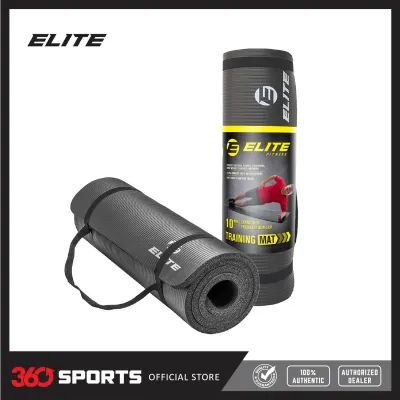
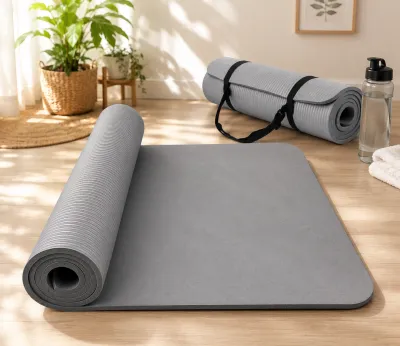
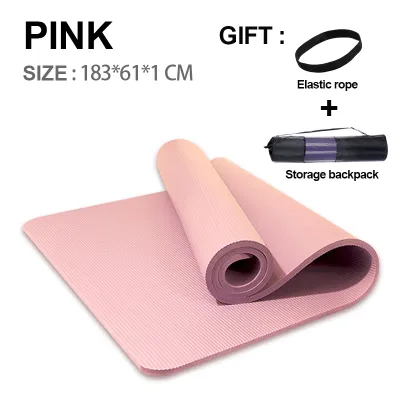
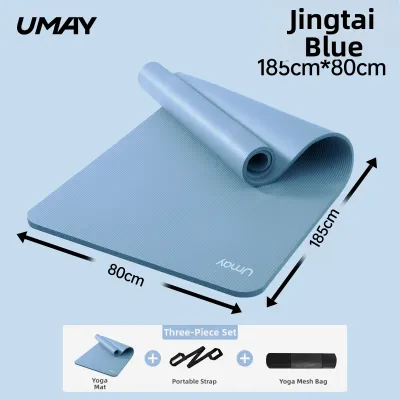
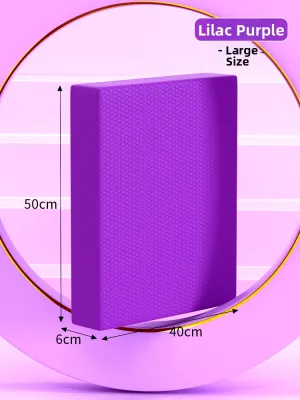
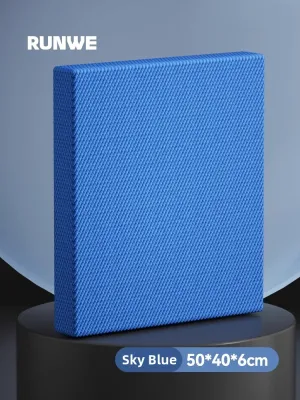
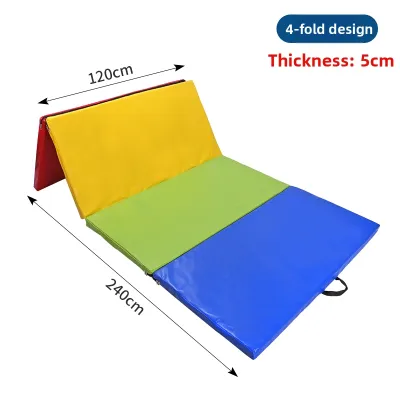
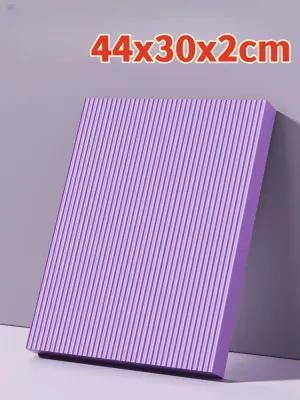
Prices are valid at publication and may change. Please refer to the product page for the latest price.
- Choose TPE (Thermoplastic Elastomer) if you want a lightweight, moderately cushioned, and eco-friendly mat for general fitness, home workouts, or light yoga. It is highly portable and budget-friendly, making it ideal for beginners or those who travel frequently.
- Choose PVC (Polyvinyl Chloride) if durability, easy sanitization, and low cost are your absolute priorities. It is perfect for high-traffic commercial studios, high-impact workouts with shoes, or budget-conscious fitness enthusiasts who do not mind synthetic materials.
- Choose Natural or Synthetic Rubber if you require maximum grip, dense joint protection, and absolute stability for intense floor work, hot yoga, or heavy lifting. It is heavy and premium, making it best for dedicated, stationary home setups.
- Choose Cork if you prefer an organic, naturally antimicrobial surface that actually becomes grippier as you sweat. It is excellent for hot yoga, Pilates, and mindful practices, though it offers a firmer feel underfoot.
Please note that proprietary brand formulations, specialized surface textures, and varying thicknesses can modify these baseline material characteristics. Always verify the manufacturer’s specific product specifications and user reviews before making your final purchase.
Understanding the Core Training Mat Materials
To make an informed decision, it is essential to understand what these materials are, how they are manufactured, and how their physical structures behave under the stress of daily workouts.

TPE (Thermoplastic Elastomer)
TPE is a modern synthetic material that blends plastic and rubber polymers to create a flexible, rubber-like foam. It is manufactured using a closed-cell structure, which means the material is completely non-porous and does not absorb moisture, sweat, or bacteria. This makes TPE mats incredibly hygienic and easy to wipe clean after a humid workout session.
One of the biggest advantages of TPE is its weight; these mats are remarkably light, often weighing less than a kilogram, which is a massive benefit if you regularly commute to a local fitness studio. TPE is also recyclable and typically manufactured without toxic phthalates, making it a popular eco-friendly alternative to traditional plastics. However, because TPE is less dense than rubber, it can compress permanently over time under concentrated heavy loads, such as heavy dumbbells or kettlebells.
PVC (Polyvinyl Chloride)
PVC is the traditional material used for fitness mats and remains highly prevalent in commercial gyms due to its low production cost and exceptional longevity. It is highly resistant to tearing, stretching, and cracking, even when subjected to high-impact movements or outdoor use. Because PVC is a closed-cell material, sweat stays on the surface, allowing for quick sanitization with simple disinfectant wipes.
The primary drawback of PVC is its environmental footprint, as it is non-biodegradable and difficult to recycle. Additionally, cheap PVC mats often rely on chemical plasticizers and require a “break-in” period to wash off the factory film that can make them slippery at first. If you choose PVC, look for high-quality, phthalate-free options from reputable brands.
Natural and Synthetic Rubber
Rubber mats are the gold standard for experienced practitioners who demand uncompromising performance. Typically made from natural tree rubber, these mats feature an open-cell structure that absorbs sweat, providing an incredibly secure, non-slip surface even during intense, sweaty workouts. The material is naturally heavy and dense, lying completely flat on the floor without curling at the edges, which prevents tripping hazards.
However, natural rubber has a distinct, earthy smell when new, which gradually dissipates over time. It is also important to note that natural rubber contains latex; anyone with a latex allergy should opt for synthetic rubber alternatives or other materials. Additionally, because they absorb moisture, rubber mats require more thorough, regular cleaning to prevent deep-seated odors.
Cork (Typically Layered over Rubber or TPE)
Cork mats offer a premium, natural aesthetic and a unique tactile experience. The workout surface consists of sustainably harvested cork bark, which is laminated onto a supportive base layer of either TPE or natural rubber to provide cushioning and prevent sliding on the floor. Cork contains a natural organic compound called suberin, which makes it naturally resistant to mold, mildew, and bacteria—a major benefit in humid climates.
Unlike synthetic materials that become slippery when wet, cork becomes grippier as it absorbs moisture, making it highly functional for sweaty sessions. However, cork is inherently less pliable than rubber or synthetic foam, meaning it can chip or crack if it is folded tightly or stored improperly. It must always be rolled with the cork side facing outward.
Key Comparison Dimensions for Your Practice
When comparing these materials, you must weigh several performance dimensions to find the balance that matches your personal priorities.
Grip and Traction
Dry grip refers to how secure the mat feels when your hands are completely dry, while wet grip is the traction you experience when sweating. TPE and textured PVC offer excellent dry grip but can become slick when a layer of sweat pools on their closed-cell surfaces. In contrast, open-cell natural rubber and organic cork excel in wet grip. In high-humidity environments, a wet-grip mat is often safer because it prevents your hands and feet from sliding during active poses or dynamic movements.
Cushioning and Joint Support
Cushioning is determined by both the thickness of the mat and the density of the material. A thick but low-density TPE mat may feel soft to the touch, but your joints may sink straight through to the hard floor during a kneeling posture. Conversely, a thinner, high-density natural rubber mat provides superior joint protection by dispersing your body weight evenly without bottoming out. PVC mats vary widely, with high-end options offering dense, protective foam that mimics the stability of rubber at a slightly lower weight.
Weight and Portability
If your training mat stays in your living room, weight is a minor concern. However, if you are navigating public transport or walking through busy city streets, portability is key. TPE and thin PVC mats are highly portable, usually weighing between 0.8 to 1.5 kilograms. Natural rubber mats are significantly heavier, often weighing between 2.5 to 4 kilograms, which can make them cumbersome to carry over long distances. Cork mats fall in the middle, depending on whether their base layer is made of lightweight TPE or heavy rubber.
Durability and Lifespan
PVC is virtually indestructible, often lasting for years of daily high-impact use without showing signs of wear. Natural rubber is also highly durable but is susceptible to UV degradation, which can cause the material to dry out and crumble if exposed to sunlight. TPE is moderately durable but will wear down faster under intense daily use or if subjected to friction from athletic shoes. Cork is highly durable on its surface but requires careful handling to prevent the edges from fraying or chipping over time.
Eco-Friendliness and Hygiene
For environmentally conscious fitness enthusiasts, cork and natural rubber are the clear winners as they are biodegradable and sourced from renewable resources. TPE represents a middle ground, being recyclable and less chemically intensive to produce than PVC. From a hygiene perspective, closed-cell materials (PVC and TPE) do not absorb sweat, making them easy to sanitize but prone to surface pooling. Open-cell rubber and cork absorb moisture, which keeps the surface dry during exercise but requires more thorough, regular cleaning to prevent deep-seated odors and bacterial growth.
| Material | Dry Grip | Wet Grip | Cushioning Density | Portability | Lifespan | Eco-Friendliness |
|---|---|---|---|---|---|---|
| TPE | High | Moderate | Moderate | Excellent (Light) | Moderate | Moderate (Recyclable) |
| PVC | Moderate | Low | Variable | Good to Moderate | High | Low (Non-biodegradable) |
| Rubber | Excellent | Excellent | High (Very Dense) | Low (Heavy) | High | High (Biodegradable) |
| Cork | Moderate | Excellent | High (Firm) | Moderate | Moderate | High (Renewable) |
Matching Material to Your Practice Style and Environment
Your choice of material should align with the specific physical demands of your workouts and the environment in which you train.
Yoga and Pilates
For gentle, restorative, or alignment-focused practices, TPE or PVC mats are excellent choices as they provide comfortable cushioning and sufficient dry grip. However, if your practice involves dynamic vinyasa or hot yoga, a natural rubber or cork mat is highly recommended. These materials prevent dangerous slips when your palms sweat, ensuring you can transition between poses safely and confidently.
HIIT, Calisthenics, and Floor Work
High-intensity interval training (HIIT) and calisthenics involve explosive movements, jumping, and rapid directional changes. These activities subject the mat to intense friction and shear forces, especially if you wear athletic shoes. A heavy-duty, dense PVC mat or a thick, durable rubber mat is ideal for this style of training. Soft TPE mats can easily tear or stretch under the force of lateral jumps, while cork surfaces can suffer from abrasion from shoe soles.
Weightlifting and Strength Training
When performing standing lifts, such as squats or overhead presses, stability is crucial. Soft, squishy mats can compromise your balance and lead to ankle or knee strain. For strength training, a thin, high-density natural rubber mat (typically 3mm to 5mm) is the best choice. It provides a solid, non-slip foundation that resists compression under heavy loads, ensuring your feet remain firmly planted on the ground.
Climate Considerations
Operating in a tropical climate introduces specific challenges for fitness gear. High ambient humidity means that sweat does not evaporate quickly, leaving a film of moisture on your mat. Closed-cell mats like PVC and TPE can quickly turn into slippery surfaces under these conditions, requiring the use of an additional microfiber yoga towel.
Open-cell rubber or natural cork mats are highly practical solutions for tropical climates, as they maintain their grip even when damp. However, they must be dried thoroughly in a well-ventilated indoor space to prevent musty odors. If you regularly practice in non-airconditioned spaces, investing in a wet-grip mat will significantly improve your safety and performance.
Care, Maintenance, and Lifespan by Material
Proper care and maintenance will significantly extend the lifespan of your training mat, protecting your investment and ensuring a hygienic workout surface.
Cleaning Routines
Closed-cell mats (PVC and TPE) can be cleaned easily with a simple solution of water and mild soap, followed by a quick wipe-down. Open-cell rubber mats require a more delicate touch; they should be wiped with a damp cloth and occasionally deep-cleaned with a highly diluted vinegar-and-water solution. Cork mats are naturally resistant to bacteria, so they typically only require a wipe-down with a damp cloth after use. Avoid soaking cork mats or using harsh chemical cleaners, which can degrade the natural binders holding the cork together.
Drying and Storage
Proper drying is essential to prevent mold and material breakdown. Always air-dry your mat completely in a shaded, well-ventilated indoor area before rolling it up. Never leave rubber or TPE mats in direct sunlight, as UV rays will accelerate the decomposition of natural rubber and cause TPE to warp and lose its elasticity. When storing your mat, always roll it with the top workout surface facing outward; this prevents the corners from curling up during your next practice and protects the cork or rubber surface from creasing.
When to Replace
While high-quality mats can last for years, they do eventually wear out. Look for clear, physical signs of degradation, such as flaking cork, deep cracks in rubber, a noticeable thinning of the cushioning in high-pressure areas (like where your hands and feet rest), or a persistent, unpleasant odor that does not go away after cleaning. If you find your hands slipping on a mat that used to be highly grippy, it is likely time to invest in a replacement.
Safety Boundary
To protect your investment and ensure your safety, always check the manufacturer’s care label before applying any commercial cleaning sprays, essential oils, or home remedies. Certain essential oils can dissolve the natural oils in rubber, while alcohol-based sprays can dry out TPE and cause it to crack prematurely. If the manufacturer’s care instructions conflict with general cleaning advice, always defer to the manufacturer’s specific guidelines.
Frequently Asked Questions (FAQ)
Are thicker training mats always better for joint support?
No, thickness does not automatically equate to better joint support. A very thick mat (such as a 15mm budget foam mat) is often made of low-density material that bottoms out completely under your knees, offering very little actual protection while making standing balance poses highly unstable. A thinner, high-density mat (such as a 5mm natural rubber mat) provides much better joint support because the dense material absorbs impact and distributes your weight evenly without collapsing under pressure.
Can I use my indoor training mat outdoors?
It is generally not recommended to use a high-quality indoor training mat outdoors, particularly on rough surfaces like concrete, gravel, or asphalt. Rough ground can easily puncture PVC, tear TPE, and chip cork surfaces. Furthermore, outdoor exposure to direct sunlight and high heat will rapidly degrade natural rubber and TPE mats. If you enjoy working out in local parks or at the beach, it is best to use a dedicated, inexpensive, or specialized outdoor mat designed to withstand rugged surfaces and UV exposure.
Community discussion
Share your experience or ask a question. Comments are reviewed before publication.