
Finding the right yoga mat for a non-slip workout depends heavily on how your body interacts with the material under different moisture levels. For high-sweat sessions or humid tropical environments, natural rubber and cork often provide reliable wet grip because of their porous, moisture-absorbing, or moisture-activated surfaces. In contrast, thermoplastic elastomer (TPE) and polyvinyl chloride (PVC) mats feature closed-cell structures that largely repel moisture, meaning they rely on physical surface textures to assist with traction and often require a companion microfiber towel when sweat begins to pool. To choose the best option, you must evaluate your typical sweat volume, the intensity of your practice, and how much effort you are willing to put into maintaining your mat.
How Sweat and Surface Structure Affect Mat Grip
To understand why a mat slips, it is essential to distinguish between dry grip and wet grip. Dry grip refers to the initial traction your hands and feet experience when you first step onto a dry mat. Wet grip, on the other hand, is the traction maintained once your body begins to perspire or when practicing in high-humidity environments.
The primary factor governing this distinction is whether the mat has an open-cell or closed-cell structure. Open-cell materials feature microscopic pores that draw moisture away from the surface. This helps prevent sweat from pooling, thereby maintaining direct skin-to-mat friction even during active, high-sweat sessions.
Products mentioned in this guide
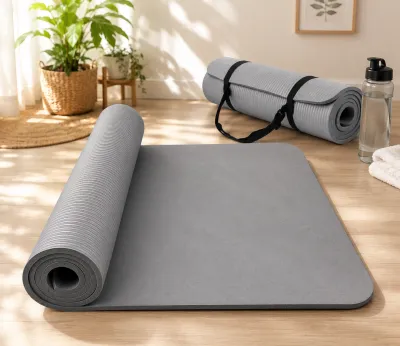
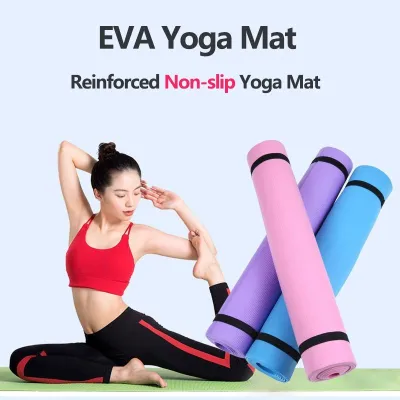
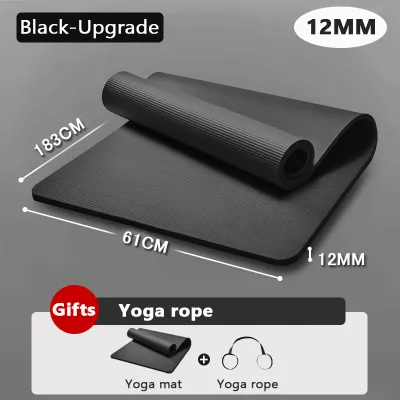
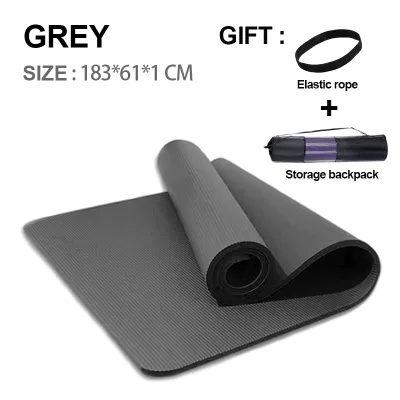
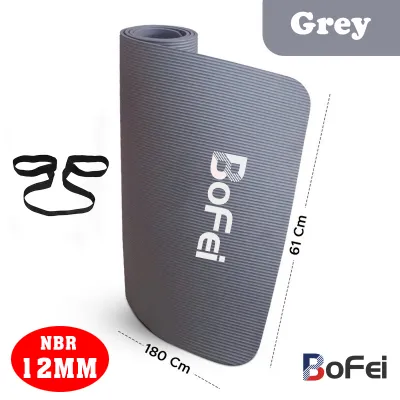
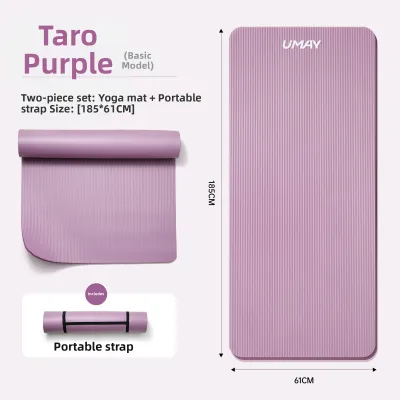
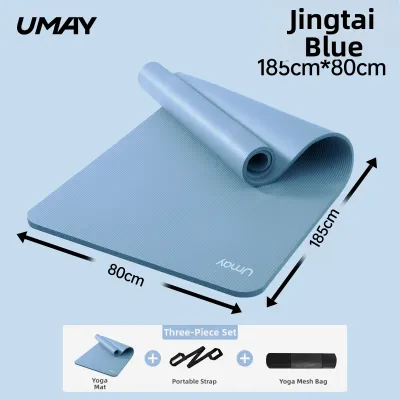
Prices are valid at publication and may change. Please refer to the product page for the latest price.
Conversely, closed-cell materials feature a sealed surface that repels moisture. While this makes the mat relatively easy to clean, it forces sweat to remain on top of the material. In warm, humid climates, this pooled sweat can act as a lubricant, reducing friction and causing hands and feet to slide during weight-bearing poses.
To compensate for this, manufacturers of closed-cell mats often apply deep embossed surface textures, patterns, or specialized finishes. These physical ridges are designed to channel moisture away or provide mechanical resistance. However, if the volume of sweat exceeds the depth of the texture, the physical grip may still decrease, making additional accessories necessary.
Comparing 4 Common Yoga Mat Materials for Slip Resistance
When shopping for a non-slip yoga mat, it is easy to assume that all mats of a certain material perform identically. In reality, slip resistance is determined by a combination of the material’s natural porosity, its surface finish, and how it responds to moisture.

Understanding the distinct performance profiles of natural rubber, cork, TPE, and PVC will help you match a mat to your specific workout environment and physical needs. Let us break down how each of these four common materials handles traction, durability, and daily use.
Natural Rubber: Open-Cell Moisture Absorption
Natural rubber is widely favored as a high-traction material due to its natural open-cell structure. When you sweat, the porous surface of a natural rubber mat immediately absorbs the moisture, keeping the top layer dry and maintaining a high level of friction. This makes it highly reliable for dynamic, fast-paced practices where maintaining stability is crucial.
However, this grip profile comes with several practical trade-offs. Natural rubber is a dense, heavy material, which makes carrying it to a local studio or commuting with it a physical chore. Additionally, because the open-cell structure absorbs sweat, oils, and dirt, these mats require regular, meticulous cleaning to prevent the buildup of odors and bacteria.
Over time, exposure to sweat, sunlight, and improper cleaning agents can cause natural rubber to degrade, dry out, or lose its elasticity. This material is ideal for practitioners who engage in high-sweat flows, such as Vinyasa or hot yoga, and who are committed to a dedicated maintenance routine to preserve the mat’s integrity.
Cork: Moisture-Activated Traction
Cork offers a unique, natural alternative that actually improves its slip resistance as it gets wetter. This is due to a natural substance within cork called suberin, which becomes waxier and grippier when exposed to moisture. For practitioners who experience heavy sweating, a cork mat provides an increasingly secure surface as the workout progresses, reducing the need for a separate towel.
In addition to its moisture-activated grip, cork is naturally resistant to mold, mildew, and odors, which is a significant advantage in humid tropical climates. The surface remains relatively cool to the touch and offers a firm, grounded feel that many practitioners appreciate for balance poses.
Despite these benefits, cork has structural limitations. The material is relatively rigid and can feel firm on sensitive joints if it lacks sufficient cushioning. To address this, cork mats are almost always manufactured with a supportive base layer made of natural rubber or TPE to keep the mat flat and cushioned. Furthermore, low-quality cork can flake or crack over time, especially if the mat is rolled tightly with the cork side facing inward.
TPE (Thermoplastic Elastomer): Textured Closed-Cell Grip
Thermoplastic Elastomer, or TPE, is a synthetic blend of plastic and rubber that has become popular for its lightweight and budget-friendly nature. Because TPE is a closed-cell material, it does not absorb sweat, moisture, or dirt. This makes it easy to wipe clean after a workout and prevents the growth of deep-seated bacteria or unpleasant odors.
The downside to this closed-cell design is that sweat will pool on the surface during intense workouts. To provide traction, TPE mats rely heavily on deep, embossed textures on both the top and bottom surfaces. While these textures work well for light to moderate sweating, they can quickly become slippery once a significant layer of moisture accumulates.
If you plan to use a TPE mat for high-intensity or sweaty workouts, you will likely need to pair it with a microfiber yoga towel to absorb excess moisture. However, for practitioners who engage in low-sweat styles, value lightweight portability for travel, or are looking for an affordable entry-level option, TPE offers a highly practical balance of features.
PVC (Polyvinyl Chloride): The Durable Standard
Polyvinyl Chloride, commonly known as PVC, is the traditional material used in many commercial and studio yoga mats. PVC is highly valued for its durability and long lifespan; a high-quality PVC mat can withstand years of daily use without tearing, flaking, or losing its structural integrity. It also offers an excellent dry grip, providing a solid, stable foundation when your hands and feet are completely dry.
However, PVC is a closed-cell material that becomes exceptionally slippery when wet. Without an absorbing accessory, even a small amount of sweat can turn a PVC mat into a hazard. Additionally, new PVC mats often come with a thin factory film that requires a significant break-in period—often involving salt scrubs or weeks of regular use—before the material achieves its optimal dry grip.
From an environmental standpoint, PVC is non-biodegradable and requires synthetic chemicals during manufacturing, which may concern eco-conscious buyers. It is also a relatively heavy material. PVC is best suited for studio environments, low-sweat restorative practices, or practitioners who always use a yoga towel and prioritize maximum product lifespan over built-in wet traction.
How to Choose the Right Material for Your Workout
Selecting the right yoga mat material requires matching your physical practice, sweat levels, and lifestyle to the material’s inherent properties. There is no single mat that is perfect for every individual, so you must prioritize the features that matter most to your daily routine.
If your primary concern is maintaining a secure, reliable grip during high-sweat, high-intensity workouts without using an extra towel, natural rubber is your best option. You must, however, be prepared to handle a heavier mat and commit to a regular cleaning schedule to keep the open-cell pores free of oils and odors.
If you prefer a firm, natural surface and want a mat that actually becomes grippier as your hands and feet sweat, cork is an excellent choice. This material is particularly well-suited for humid environments where mold resistance is a priority, provided you choose a mat with a high-quality rubber or TPE backing for stability.
For those who prioritize lightweight portability, easy cleaning, and affordability, TPE is the most practical choice. It is ideal for gentle yoga, stretching, or travel, though you should keep a microfiber towel nearby if you plan to transition into a sweat-inducing workout.
If you are looking for a highly durable, long-lasting mat for low-sweat practices, or if you already prefer using a full-length yoga towel for every session, PVC remains a reliable standard. It offers excellent value in terms of lifespan, provided you are willing to go through the initial break-in process.
Before making any purchase, there is a critical safety check to perform: if you have a known latex allergy or sensitivity, you must avoid natural rubber mats entirely. In such cases, cork with a TPE backing, pure TPE, or PVC are much safer alternatives that will not trigger an allergic reaction.
Specifications to Verify Before You Buy
Because manufacturers use different blends and surface treatments, you should always verify specific product details on the label or product description rather than relying solely on the general material name. First, check whether the product description explicitly states “open-cell” or “closed-cell” construction. This specification will tell you exactly how the mat manages sweat and whether you will need to budget for an additional grip towel.
Second, look closely at the texture descriptions provided by the manufacturer. High-quality mats often feature specific embossed patterns, such as pebble textures, diamond grids, or laser-etched alignment lines. These physical features are designed to enhance mechanical grip, which is especially important for closed-cell materials like TPE and PVC.
Finally, review the manufacturer’s care and cleaning instructions before buying. Some high-grip mats require specialized, mild cleaning solutions and cannot tolerate standard household disinfectants, alcohol, or exposure to direct sunlight. Ensuring that the maintenance routine matches your lifestyle will help protect the mat’s non-slip properties during cleaning.
Frequently Asked Questions (FAQ)
Do I need a yoga towel for non-slip PVC or TPE mats?
Yes, if you tend to sweat heavily or practice in warm, humid conditions, a microfiber yoga towel is highly recommended for PVC and TPE mats. Because these materials are closed-cell, they cannot absorb moisture, causing sweat to pool on the surface and create a slippery barrier. A specialized yoga towel with silicone grip nubs on the bottom will absorb the sweat while providing the traction your hands and feet need to stay in place.
How do I clean an open-cell rubber or cork mat without ruining the grip?
To clean an open-cell natural rubber or cork mat, always refer to the manufacturer’s specific guidelines first. Generally, you should use a very mild, highly diluted solution of water and a few drops of gentle dish soap, wiping the surface down with a damp cloth. Avoid using harsh chemical cleaners, alcohol, essential oils, or submerging the mat in water, as these substances can clog or degrade the open-cell structure, permanently ruining the mat’s natural grip.

Community discussion
Share your experience or ask a question. Comments are reviewed before publication.