
Quick Answer: Core Differences Between Trail and Road Backpacks
Trail running requires self-sufficiency, meaning you need a pack with higher storage capacity for safety gear, extra hydration, and durable materials to withstand rough terrain. Road running, by contrast, prioritizes speed, breathability, and minimal weight, as you are rarely far from help or water sources.
To help you decide, consider this baseline comparison:
- Trail Running: High capacity (typically 5L to 12L), multiple hydration options (flasks and reservoirs), durable fabrics, and attachment loops for trekking poles.
- Road Running: Minimalist capacity (under 5L), streamlined profile, highly breathable mesh, and high-visibility reflective details for urban traffic safety.
Your choice ultimately depends on your typical running environment, the duration of your training sessions, and the local weather conditions you expect to encounter.
Products mentioned in this guide
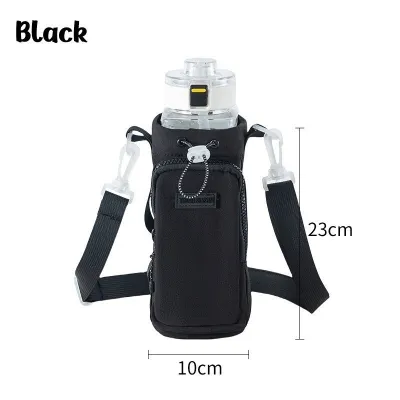
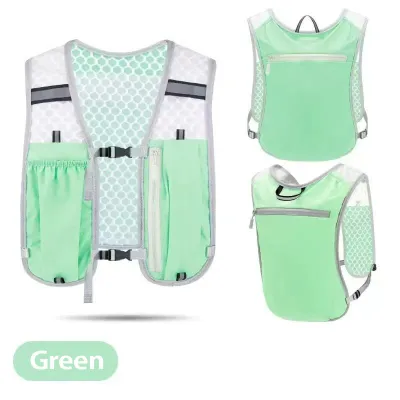
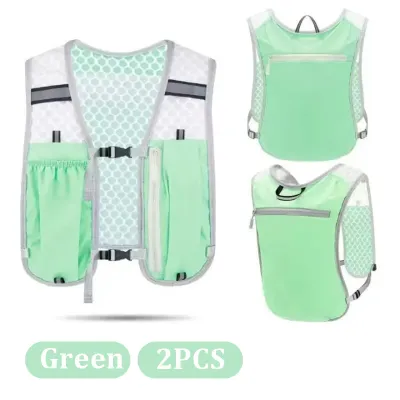
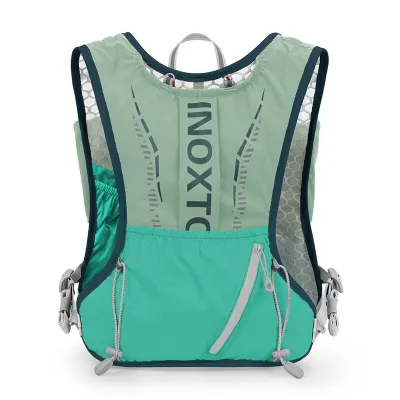
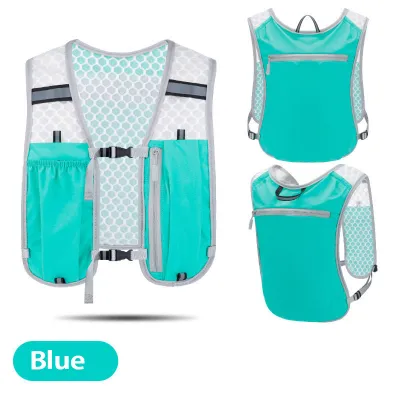
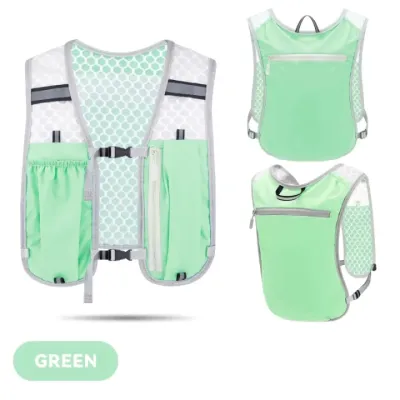
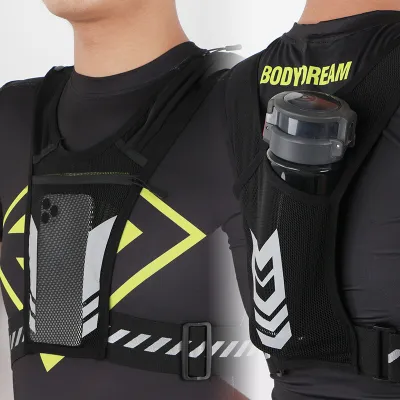
Prices are valid at publication and may change. Please refer to the product page for the latest price.
Trail Running Requirements: Gear, Hydration, and Durability
Off-road environments demand preparation for changing weather, especially in tropical climates where sudden downpours can occur. When evaluating a running backpack for men on the trail, storage capacity is your first consideration. Look at the manufacturer’s volume specifications to ensure the pack can hold a lightweight rain jacket, a basic first-aid kit, and trail snacks.

Hydration is critical when running far from clean water sources. Trail packs typically support dual hydration systems. You can verify if a pack accommodates front-mounted soft flasks for quick sips on the move, or a rear hydration bladder sleeve for larger water volumes. Having both options allows you to balance your fluid intake during long, humid efforts.
Durability is another key factor when navigating narrow paths with overhanging branches or sharp rocks. Check the product labels for high-denier ripstop nylon or polyester fabrics. Water-resistant coatings or integrated rain covers are also valuable features to verify, helping to keep your dry gear protected during sudden tropical storms.
Stability features prevent the pack from shifting as you navigate uneven terrain. Look for models with adjustable dual sternum straps and side compression cords. If you plan to tackle steep mountain ascents, verify whether the pack includes dedicated trekking pole carry loops or bungee attachments to secure your gear when it is not in use.
Additionally, consider the layout of the pockets. Quick-access mesh pockets on the sides or front harness allow you to grab energy gels, salt tablets, or a trail map without having to stop and take off the pack.
Road Running Requirements: Lightweight Design and Breathability
Road running on paved streets or urban paths requires a different design philosophy. Because you are usually running repetitive, high-cadence strides on flat surfaces, any excess weight or loose fabric can cause uncomfortable chafing. A minimalist running backpack for men focuses on a streamlined, low-profile fit that hugs the body closely to eliminate bounce.
In hot and humid climates, heat dissipation is a major comfort factor. When selecting a road pack, examine the manufacturer’s specifications for open-mesh back panels and ventilated shoulder straps. These materials allow sweat to evaporate more quickly, reducing the risk of heat buildup and skin irritation during long pavement runs.
Hydration needs on the road are often simpler because you can plan routes near convenience stores or water fountains. Instead of carrying a heavy, sloshing water reservoir on your back, look for packs designed for lightweight handheld bottles or small front-pocket flasks. This keeps your back free of heavy loads and improves your overall running posture.
Safety in urban environments is highly dependent on visibility, especially if you run during the early morning or late evening to avoid the midday heat. Verify that the backpack features highly reflective strips, logos, or attachment points for safety lights. Choosing bright, high-visibility colors also helps ensure you remain visible to motorists and cyclists on busy roads.
Furthermore, road packs often feature dedicated, secure pockets for personal items. A zippered, sweat-resistant pocket is ideal for keeping your smartphone, keys, and cash safe and dry while you focus on your pacing.
Cross-Over Options: Can One Backpack Handle Both Terrains?
If your weekly routine includes a mix of city streets and weekend trail escapes, you might wonder if a single running backpack can handle both environments. Hybrid designs do exist, offering a compromise by balancing moderate storage capacity with a lightweight, form-fitting footprint. These versatile options typically feature a 5-liter to 8-liter capacity.
However, choosing a single pack involves clear trade-offs. A hybrid pack may feel slightly bulky and warm during short, fast road sessions where you only need to carry your keys and phone. Conversely, on long, remote trail runs, you might find yourself struggling to fit mandatory safety gear and sufficient hydration into a streamlined hybrid design.
A single, versatile pack makes the most sense if you primarily run shorter trail routes where extensive safety gear is not required, or if you are working within a strict budget. If you decide to go this route, prioritize a pack with highly adjustable compression straps so you can shrink the volume when running light on the road.
This approach allows you to adapt the pack’s profile to your immediate needs, ensuring that a single investment serves you well across different running disciplines.
Fit and Sizing: Adjusting for the Male Torso and Shoulders
No matter how many features a running backpack has, it will not perform well if it does not fit your body correctly. Men typically have broader shoulders and a different torso-to-hip ratio than women, making proper sizing essential to prevent chafing and shoulder strain. Before purchasing, measure your torso length from the base of your neck to the top of your hips.
Compare your measurements directly against the manufacturer’s sizing chart, as sizing can vary significantly between brands. When trying on a pack, pay close attention to the shoulder straps. They should curve comfortably around your chest and shoulders without pinching your neck or restricting your arm swing.
The sternum straps are critical for securing the load. Adjust them so they sit flat across your chest, keeping the pack stable without compressing your ribcage or making it difficult to breathe deeply. The pack should sit relatively high on your back, centering the weight between your shoulder blades to maintain a natural, upright running posture.
Before heading out on your first run, perform a quick home test. Fill the hydration flasks with water and pack the compartments with your typical gear weight. Jog in place or run up and down a flight of stairs to check for any bouncing, rubbing, or pressure points, allowing you to make adjustments before hitting the road or trail.
Taking the time to verify these fit details ensures that your pack remains comfortable and secure, even during high-humidity runs where wet fabric is more prone to causing skin irritation.
Frequently Asked Questions (FAQ)
How do I clean and maintain my running backpack after sweaty runs?
To keep your running backpack fresh and prevent fabric degradation from sweat and salt, always check the manufacturer’s care label first. Most technical running packs should be hand-washed in cool water using a mild, sports-specific detergent. Avoid fabric softeners and bleach, as these can damage breathable mesh and water-resistant coatings. After washing, rinse the pack thoroughly and hang it to air-dry in a well-ventilated area away from direct sunlight and high heat sources.
Should I use a running backpack or a hydration vest?
The choice depends on how you prefer the weight to be distributed. Traditional running backpacks feature classic shoulder straps and carry the majority of the weight on your back, making them suitable for carrying larger, heavier items. Hydration vests, on the other hand, use a wide, garment-like harness that wraps around your torso, distributing weight evenly across your chest and back to minimize bounce. Check product descriptions to see if a model is classified as a vest or a pack to match your comfort preferences.
Community discussion
Share your experience or ask a question. Comments are reviewed before publication.