
Selecting the correct boxing glove is not merely a matter of personal style or color preference; it is a critical decision that directly impacts your physical safety, the well-being of your training partners, and the longevity of your gear. Using the wrong equipment can lead to severe hand injuries, wrist strain, or unnecessary friction with gym members and coaches. The choice between a training glove and a sparring glove depends entirely on your primary target: are you hitting inanimate objects or are you hitting a human training partner?
To make an informed choice, consider this direct decision framework:
- Choose Training Gloves if: Your daily routine consists primarily of heavy bag work, double-end bags, focus mitts, and Thai pad drills. In these scenarios, your priority is protecting your own hands from repetitive, high-impact shock while ensuring the glove's outer shell can withstand constant friction against abrasive canvas or vinyl surfaces.
- Choose Sparring Gloves if: You regularly engage in partner drills, controlled technical sparring, or active ring work. Here, the priority shifts from self-protection to partner safety, requiring a glove designed to absorb and disperse impact force to minimize the risk of cuts, bruises, and concussions.
- Verify First if: You are an absolute beginner who only participates in light fitness boxing or non-contact cardio classes. In this case, a single pair of versatile, mid-weight general training gloves may suffice until you transition to contact-based training.
This comparison focuses strictly on standard boxing gloves used for traditional boxing, kickboxing, and Muay Thai. It excludes specialized mixed martial arts (MMA) grappling gloves, which feature open fingers and minimal padding, as well as professional competition fight gloves designed for maximum impact delivery rather than daily training safety.
Products mentioned in this guide
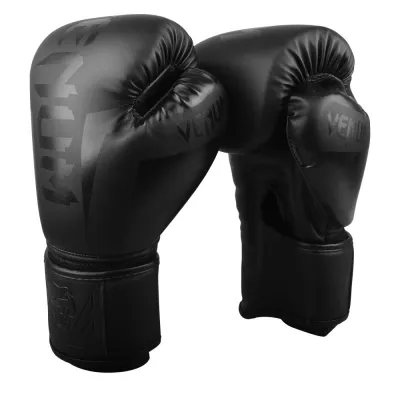
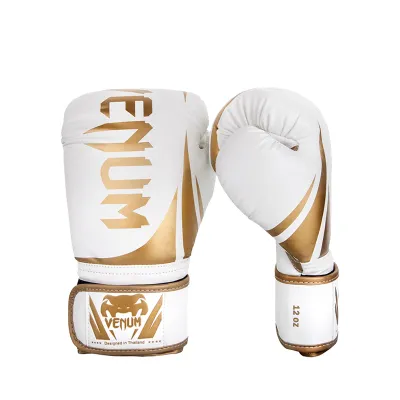
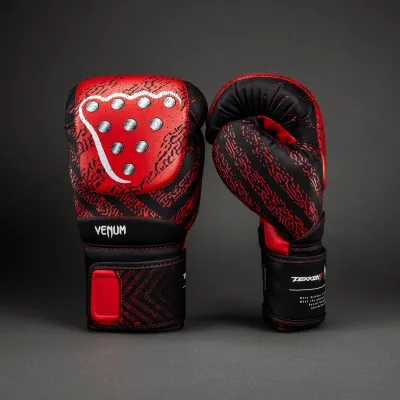

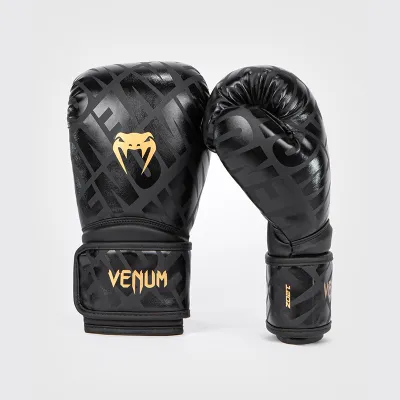

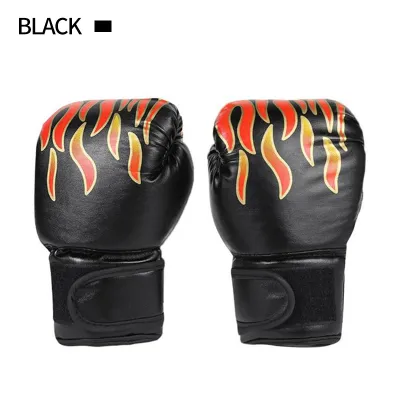
Prices are valid at publication and may change. Please refer to the product page for the latest price.
Core Design Differences: Padding, Protection, and Durability
Understanding the engineering behind boxing gloves explains why training and sparring gloves cannot be used interchangeably without consequences. The fundamental design philosophy of a training glove is to shield the wearer’s hand and maximize the glove’s operational lifespan. Conversely, a sparring glove is engineered with the safety of the person being hit as the primary objective. These contrasting goals dictate the internal foam density, outer material thickness, and overall weight distribution of the glove.
Using a dense training glove during a sparring session is a serious safety hazard. The hard, compacted foam of a bag glove does not compress sufficiently upon hitting a human target, transmitting the full force of the blow directly to your partner’s head or ribs. Conversely, using a soft sparring glove on a heavy bag will quickly destroy the delicate, impact-dispersing foam layers inside, rendering the glove useless for partner safety and leaving your knuckles unprotected.
Padding Distribution and Protection Focus
Training gloves feature dense, highly compacted padding designed to absorb the repetitive, high-velocity shock of hitting solid, unyielding surfaces. When you strike a heavy bag weighing 40 to 50 kilograms, the resistance is immense. The dense foam layers—often consisting of closed-cell foam or integrated gel layers—prevent your knuckles from bottoming out against the hard interior of the bag, thereby safeguarding the delicate metacarpal bones in your hand.
Sparring gloves utilize a softer, more pillowy, and significantly thicker padding configuration. This design is engineered to spread the impact force over a wider surface area and prolong the deceleration of the punch upon contact. By absorbing and dissipating the kinetic energy, sparring gloves reduce the peak force transmitted to a partner’s face or body, lowering the risk of superficial cuts, deep bruising, and closed-head trauma. Before purchasing, verify the manufacturer’s product specifications to ensure the glove is explicitly rated for active sparring.
No glove, regardless of design or padding thickness, can completely eliminate the risk of concussions, facial fractures, or wrist injuries. Protective gear is a secondary safety measure that must always be paired with proper technical training, controlled power execution, and experienced coaching supervision. If you experience sharp pain in your wrists or hands, or if your partner displays signs of dizziness or disorientation, stop training immediately and seek professional medical evaluation.
Durability and Surface Wear
Because training gloves are built to strike rough, abrasive materials like heavy canvas, synthetic vinyl, or thick leather pads, their outer shells are constructed from highly durable, wear-resistant materials. Manufacturers frequently use thick, genuine cowhide leather or high-grade, reinforced synthetic microfibers. These materials are chosen for their ability to withstand thousands of high-friction impacts without peeling, tearing, or cracking.
Sparring gloves often employ softer, more pliable outer materials to ensure a smooth contact surface that will not scratch or scrape a partner’s skin. However, this softer exterior is highly vulnerable to abrasive wear. If you repeatedly strike a heavy bag with sparring gloves, the friction will quickly scuff, tear, or degrade the outer shell, exposing the delicate inner foam. Once the outer material is compromised, the glove loses its structural integrity and must be retired from sparring duties immediately.
When to Use Training Gloves (Heavy Bag, Pads, and Mitts)
Training gloves are the workhorses of the boxing gym. They are specifically designed for solo training and pad-work routines where you are building power, endurance, and striking technique. The primary use cases for these gloves include heavy bag workouts, double-end bag drills, speed bag sessions, focus mitt training, and Thai pad work.

Because you are hitting dense, stationary, or semi-stationary targets, your hands require consistent, structural support to prevent repetitive strain injuries. Training gloves keep your hand in a locked, anatomically correct fist position, ensuring that the force of each strike is distributed evenly across your wrist and forearm rather than concentrating on your knuckles.
When selecting a training glove, evaluate the following essential criteria:
- Weight (oz): Training gloves typically range from 10oz to 14oz. Lighter gloves (10oz or 12oz) are ideal for speed work, hand-eye coordination drills, and focus mitts, allowing you to feel the precision of your punches. Heavier gloves (14oz) offer thicker padding and are highly recommended for intense heavy bag sessions, especially for larger individuals or hard hitters. Check the manufacturer's sizing chart to match the glove weight to your body weight and training goals.
- Wrist Support: High-impact bag work puts immense stress on your wrist joints. Look for training gloves with a wide, rigid wrist strap. Hook-and-loop (Velcro) closures are highly popular for training because they allow you to easily put on and take off your gloves without assistance during a workout. Ensure the strap wraps tightly around your wrist, acting like a splint to keep your hand and forearm aligned.
- Fit and Knuckle Room: Always try on training gloves with your hand wraps on. Hand wraps are a mandatory safety component that fills the empty space inside the glove and stabilizes the small bones in your hand. The glove should feel snug but not so tight that it restricts blood flow or pinches your fingers. Your knuckles should align perfectly with the thickest part of the padding.
To maximize the lifespan of your training gloves, wipe down the exterior shell with a damp microfiber cloth after every session. This simple step removes abrasive canvas dust, sweat, and salt buildup that can dry out and crack both genuine leather and synthetic materials over time.
When to Use Sparring Gloves (Partner Drills and Ring Work)
Sparring gloves are dedicated safety tools reserved exclusively for partner-to-partner training. This includes technical sparring (where punches are thrown at a fraction of full power to practice movement and timing), hard sparring, defensive partner drills, and competitive ring simulations. In any reputable boxing or combat sports gym, using standard bag gloves or worn-out training gloves for sparring is strictly prohibited by gym etiquette and safety regulations.
When you step into the ring with a training partner, you enter a contract of mutual respect. Your goal is to develop your skills, timing, and reflexes without causing unnecessary injury to the person helping you train. Sparring gloves are the physical manifestation of this contract, providing the necessary cushioning to keep the sparring environment productive and safe for both participants.
When choosing a sparring glove, pay close attention to these critical selection criteria:
- Weight (oz): Sparring gloves are significantly heavier than training gloves, with 14oz and 16oz being the industry standards. In the Philippines, most boxing gyms enforce a strict minimum weight of 16oz for sparring gloves, especially for anyone weighing over 60 kilograms (approximately 132 pounds). The extra weight comes from the dense concentration of soft padding over the knuckles, which slows down punch velocity slightly and cushions the impact.
- Thumb Placement: Look for gloves featuring an attached or ergonomically tucked thumb design. An unattached or poorly designed thumb can easily flare outward during a chaotic exchange, leading to severe thumb hyperextension for you or an accidental eye poke for your partner.
- Shock Absorption: Verify that the gloves utilize multi-layered foam systems specifically engineered for shock dissipation. High-quality sparring gloves often feature a combination of latex, memory foam, and closed-cell foam layers that work together to absorb the kinetic energy of a strike before it reaches your partner.
Remember that equipment is never a substitute for self-control, proper defensive mechanics, and ring awareness. Even with 16oz sparring gloves, a full-power punch can cause injury. Always communicate with your partner, establish clear power limits before starting, and stop the round immediately if either person shows signs of injury, confusion, or distress.
Quick Reference: Matching Gloves to Your Routine
To help you quickly verify which glove type is appropriate for your specific training activities, consult the comparison matrix below. This table outlines the primary differences based on general, verifiable design principles.
| Feature / Dimension | Training Gloves | Sparring Gloves |
|---|---|---|
| Primary Target | Inanimate objects (Heavy bags, pads, mitts) | Human training partners (Sparring, partner drills) |
| Padding Density | Dense, compact, and highly resistant to bottoming out | Soft, thick, and highly dispersed for impact cushioning |
| Typical Weight Range | 10oz to 14oz (depending on user weight and speed goals) | 14oz to 16oz+ (16oz is the standard gym safety requirement) |
| Outer Material Focus | High abrasion resistance against canvas and vinyl | Smooth, non-abrasive surface to prevent cuts and scrapes |
| Gym Etiquette Rule | Recommended for solo bag work; prohibited for sparring | Mandatory for sparring; prohibited for heavy bag work |
| Wrist Closure Type | Typically Hook-and-Loop (Velcro) for easy self-use | Hook-and-Loop or Lace-up (Lace-up offers superior support) |
Can You Use One Pair for Everything?
For many beginners, purchasing two separate pairs of high-quality boxing gloves can feel like a significant financial commitment. This leads to the common question of whether a single “all-around” or “hybrid” glove can handle both heavy bag work and sparring. While many manufacturers market general-purpose training gloves as suitable for all activities, this option is always a compromise.
A single hybrid glove cannot excel at both tasks because the physical demands of bag work and sparring are fundamentally opposed. If you use a hybrid glove on the heavy bag, the dense target will rapidly compress and break down the soft foam layers required for safe sparring. Within a few weeks of heavy bag use, that hybrid glove will become too hard and dangerous to use on a partner. Conversely, if you keep the glove soft enough for sparring, it will lack the rigid knuckle protection you need to prevent joint soreness during heavy bag sessions.
However, a single-glove strategy can work under very specific, limited conditions:
- Absolute Beginners: If you are in your first few weeks of boxing and your classes consist entirely of shadowboxing, light pad work, and fitness-oriented heavy bag drills, a single pair of 12oz or 14oz general training gloves is perfectly acceptable.
- No Contact: If your training program does not involve any form of partner sparring or contact drills, you do not need sparring gloves at all. A dedicated pair of training gloves is all you require.
You must upgrade to a two-glove system as soon as you transition to regular, active sparring. Continuing to use a single pair of gloves for both heavy bag work and sparring compromises your hand safety on the bag and risks injuring your training partners in the ring.
While buying two pairs of gloves requires a higher initial investment, it is highly cost-effective in the long run. By reserving your sparring gloves strictly for partner work and your training gloves for the heavy bag, you prevent premature foam degradation in both pairs. This specialized use ensures that both sets of gloves last significantly longer than a single pair subjected to daily, multi-purpose abuse, saving you money on replacements while keeping your hands and your partners safe.
Frequently Asked Questions (FAQ)
Do beginners need to buy both types of boxing gloves immediately?
No, beginners do not need to purchase both types of gloves when starting their boxing journey. If you are taking introductory classes that focus on cardiovascular conditioning, shadowboxing, light focus mitt drills, and basic heavy bag work, a single pair of versatile general training gloves is sufficient. For most adult beginners, a 12oz or 14oz glove provides an excellent balance of protection and weight. You should only invest in a dedicated pair of 16oz sparring gloves when your coach officially clears you to participate in active partner drills, technical sparring, and ring work.
How does a humid climate affect boxing glove maintenance?
In tropical, high-humidity environments like the Philippines, boxing glove maintenance requires diligent care. High humidity and ambient heat accelerate sweating, which traps moisture inside the glove’s inner lining. If left unaddressed, this dark, damp environment becomes a breeding ground for bacteria, mold, and mildew, leading to foul odors and rapid degradation of the internal foam padding.
To protect your investment and maintain hygiene in a humid climate, implement these actionable steps:
- Air Dry Immediately: Never leave your wet gloves inside a closed gym bag or a dark locker. As soon as you finish training, open the wrist straps as wide as possible and place the gloves in a well-ventilated, shaded area with active airflow.
- Use Absorbent Inserts: Insert specialized glove deodorizers, cedar chips, or simple silica gel packets into the gloves after use to actively draw out moisture from the deep finger cavities.
- Wear Clean Hand Wraps: Always wear clean, dry hand wraps for every session. Hand wraps act as a primary barrier, absorbing the majority of your sweat before it can saturate the glove's internal foam.
- Avoid Direct Heat and Sunlight: While it may be tempting to dry wet gloves under the intense tropical sun or with a hair dryer, extreme heat will dry out, crack, and warp both genuine leather and synthetic outer shells. Stick to cool, shaded air drying.
Community discussion
Share your experience or ask a question. Comments are reviewed before publication.