
Selecting the right gymnastics attire directly impacts your focus, safety, and performance. When choosing leotards for women, the decision between training and competition styles comes down to a balance of utility versus theatrical presentation. Training leotards act as high-durability workhorses designed to withstand hours of repetitive drills in warm, humid environments. In contrast, competition leotards serve as high-performance statement pieces engineered to catch the judges’ eyes while adhering strictly to regional and international athletic regulations. Understanding these differences ensures you invest your budget wisely while maintaining peak comfort during grueling training sessions.
Core Differences: Functionality vs. Presentation in Leotards for Women
The fundamental divergence between training and competition leotards lies in their design philosophy. A training leotard is built for the daily grind. Gymnasts often spend up to twenty hours a week practicing routines, executing repetitive drills, and conditioning. Consequently, training wear must prioritize physical comfort, breathability, and exceptional durability. These garments are meant to be worn, sweated in, and washed repeatedly without losing their shape or elasticity.
On the other hand, a competition leotard is designed for presentation, artistry, and impact. It is a specialized piece of performance gear worn for brief periods under intense arena lighting. Its primary goal is to enhance the athlete’s body lines, project confidence, and align with the aesthetic theme of the routine. Because of this, competition wear features delicate fabrics, intricate embellishments, and high-shine finishes that are unsuitable for daily practice.
Products mentioned in this guide
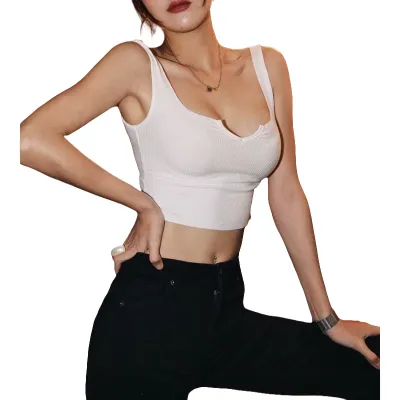
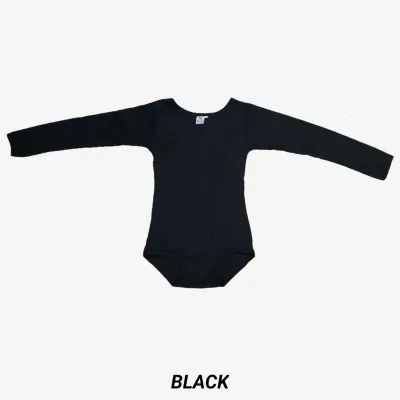
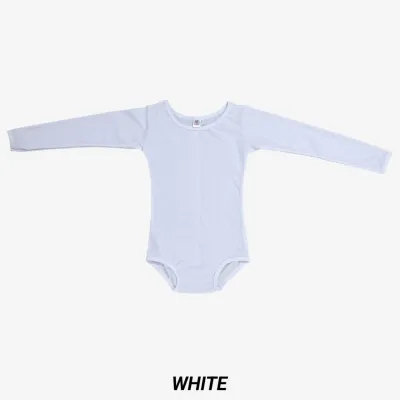
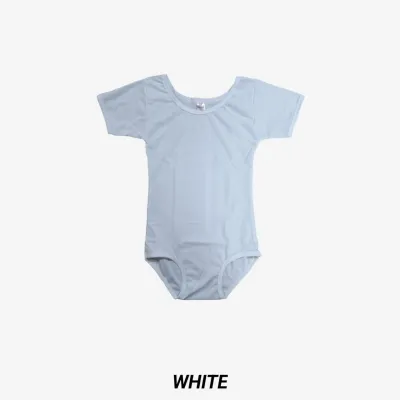
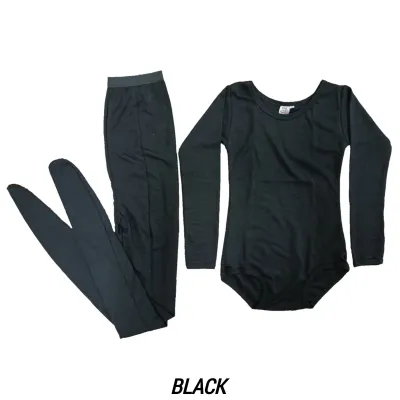
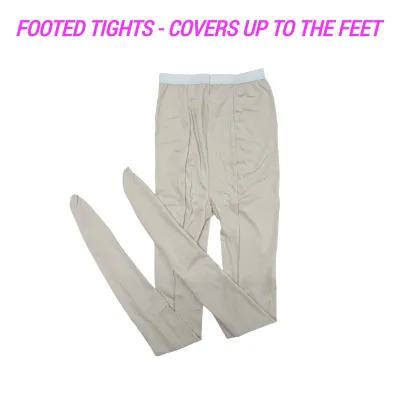
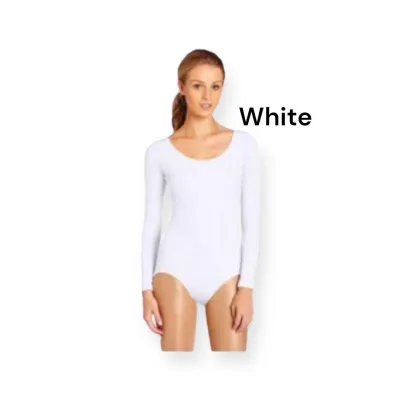
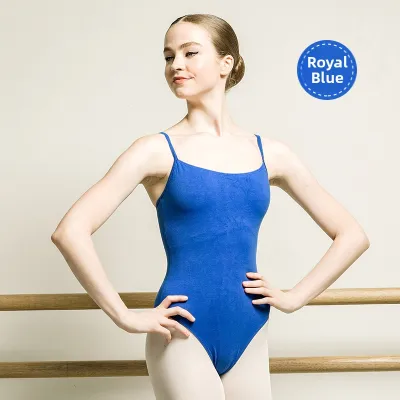
Prices are valid at publication and may change. Please refer to the product page for the latest price.
The frequency of use directly dictates the materials and construction methods chosen by manufacturers. Daily wear relies on robust, low-maintenance textile blends that resist friction from mats and equipment. Competition wear utilizes fragile, high-performance fabrics like mystique, holograms, and sheer mesh panels that require meticulous hand-washing and delicate handling.
Slipping on a competition leotard also triggers a powerful psychological shift. Transitioning from the familiar, utilitarian practice gear to a sparkling, custom-fitted performance outfit signals to the athlete that it is time to perform. This mental transition helps focus the mind, turning hours of repetitive training into a polished, confident presentation on the competitive floor.
Essential Features of a Daily Training Leotard
Selecting the right daily practice wear requires prioritizing physical comfort and garment endurance over visual flair. Since training sessions are long and physically demanding, your choices should support continuous movement without distraction.

Fabric and Breathability: In the tropical climate of the Philippines, gym temperatures can rise quickly, especially in training halls without centralized air conditioning. Cotton-spandex blends offer excellent softness and skin compatibility, making them ideal for gymnasts with sensitive skin or during low-intensity training. However, for intense, high-sweat sessions, advanced moisture-wicking synthetic microfibers, such as polyester-elastane blends, are superior. These fabrics pull sweat away from the skin, preventing the garment from becoming heavy, waterlogged, and prone to slipping.
Construction and Comfort: Repetitive movements on the vault, bars, and beam mean that any minor point of friction can lead to painful skin chafing. Look for training garments constructed with flatlock seams, which lie completely flat against the skin rather than rubbing. Tagless labels are highly recommended to prevent constant irritation at the neck. Keep embellishments to an absolute minimum on practice wear; sequins or raised crystals can scratch your arms during complex releases or catch on training mats.
Practical Designs: Training sessions can last several hours, making convenience a priority. Practical cuts, such as tank-style straps or racerbacks, offer a secure fit without slipping off the shoulders. Some recreational or lower-intensity training leotards feature slightly wider leg openings or more flexible necklines to simplify quick bathroom breaks without requiring a complete wardrobe disassembly.
Durability: Practice wear must endure rigorous friction. The constant contact with wooden uneven bars, vinyl vault tables, and carpeted spring floors will quickly wear down weak fabrics. High-quality training leotards feature reinforced stitching at high-stress points, such as the armpits and groin, ensuring the garment retains its shape and elasticity through dozens of weekly wash-and-wear cycles.
Selecting a Competition Leotard: Aesthetics and Compliance
Choosing a competition leotard requires balancing artistic expression with strict regulatory compliance. The right garment should make you feel confident while ensuring you do not lose valuable fractions of a point due to wardrobe violations.
Visual Elements and Confidence: A competition leotard is designed to complement the theme of your routine, particularly in floor exercises. Long-sleeve designs are standard for elite and international competitions, creating long, elegant lines that make extensions look more dramatic. Sleeveless competition options are popular in warmer regional meets across the Philippines, offering a cooler alternative while still utilizing high-shine fabrics. Embellishments like hot-fix crystals, metallic foils, and sheer mesh inserts catch the arena lights, boosting the athlete’s confidence as they step onto the floor.
Compression and Secure Fit: Unlike training wear, which prioritizes relaxed comfort, competition garments require a higher-compression fit. This firmer hold ensures that the leotard remains perfectly anchored during high-velocity flips, twists, and extensions. High-compression fabrics like heavy mystique or thick nylon-spandex prevent the leg lines from riding up or the neckline from shifting, allowing the gymnast to focus entirely on execution rather than wardrobe adjustments.
Rule Compliance: Before purchasing a competition leotard, you must consult the official rulebook of your governing body, such as the Gymnastics Association of the Philippines (GAP) or the International Gymnastics Federation (FIG). Regulatory bodies enforce strict rules regarding neckline depth, the height of the leg cut, and the transparency of mesh panels. For example, a leg cut that rises above the hip bone or a neckline that drops too low can result in automatic score deductions. Ensure any sheer panels are backed with skin-toned lining to meet modesty requirements.
Custom vs. Off-the-Rack: Many competitive clubs order custom-designed team leotards to foster unity and clear brand recognition on the competition floor. Custom orders allow for exact color matching and personalized sizing, though they carry higher price points and longer lead times. For individual competitors or local meets, high-quality retail off-the-rack competition leotards offer a more immediate, cost-effective solution, provided they meet all compliance standards.
Cross-Scenario Use: Can One Leotard Do Both?
Gymnastics can be an expensive sport, leading many athletes and parents to wonder if a single garment can serve both training and competition needs. While a dual-purpose strategy works in specific contexts, higher levels of play require a clear separation of wardrobes.
When Dual-Purpose Works: For beginners, recreational gymnasts, or those participating in local club showcases, buying two separate wardrobes is rarely necessary. A clean, well-fitted, sleeveless training leotard—perhaps with a subtle touch of foil or a vibrant color—is perfectly acceptable for introductory events. This approach keeps initial costs manageable for families testing the waters of competitive gymnastics.
When to Separate Wardrobes: As a gymnast progresses to formal competitive levels, separating the wardrobes becomes essential. The delicate materials used in competition wear, such as holographic foils and hand-applied crystals, degrade rapidly when exposed to daily chalk, sweat, and frequent machine washing. Reserving the competition leotard exclusively for meets preserves its structural integrity and ensures the gymnast experiences that psychological spark of readiness on competition day.
Budget Strategy: Building a functional gymnastics wardrobe requires a balanced spending plan. For training, look for budget-friendly multi-packs of basic tank leotards, which typically range from ₱800 to ₱1,500 per piece. Save your primary investment for the competition leotard, where high-quality construction, compliant cuts, and durable embellishments can range from ₱3,500 to ₱8,000 or more. Investing in one premium competition piece ensures it will last the entire season without losing its luster or shape.
Sizing, Fit, and Maintenance for Longevity
A leotard’s performance depends entirely on its fit and how well it is maintained. Even the most expensive garment will look unflattering and hinder movement if it is sized incorrectly or damaged by improper washing.
Measuring for the Torso: When shopping for gymnastics wear, do not rely solely on standard clothing sizes. The most critical measurement is the torso girth. To measure this, loop a flexible measuring tape from the top of the shoulder, down through the crotch, and back up to the starting point on the same shoulder. An accurate girth measurement prevents the common issues of shoulder straps digging in painfully or the leg openings riding up during movement.
Evaluating the Fit: A properly fitting leotard should feel like a second skin. It must be snug enough to eliminate loose folds of fabric, which can catch on equipment or obscure the gymnast’s body lines from the judges. Check for gaps around the neckline, armpits, and leg openings; if the fabric gapes when you bend forward or twist, the size is too large. Conversely, if the fabric pinches the skin or restricts deep breathing, you need to size up.
Washing and Care Protocols: The humid tropical climate of the Philippines requires careful laundering to prevent mold and fabric degradation. Always wash leotards inside out in cold water, preferably by hand using a mild, pH-neutral detergent. If using a washing machine, place the garment inside a zippered mesh wash bag on a delicate cycle. Never use fabric softeners, as they leave a residue that breaks down the elastic fibers of spandex and Lycra. Hang the leotard to air-dry indoors or in a shaded area; direct tropical sunlight can fade vibrant sublimation prints and weaken the adhesive holding competition crystals.
Frequently Asked Questions (FAQ)
How many leotards do I need for a typical gymnastics season?
For recreational gymnasts or beginners training once or twice a week, a rotation of 2 to 3 daily training leotards is usually sufficient. This allows ample time for washing and air-drying between sessions, alongside 1 dedicated competition leotard for events. For competitive athletes training four to six days a week, we recommend owning 4 to 5 training leotards to ensure a fresh garment is always available without constant laundry stress, paired with 1 to 2 compliant competition leotards. Rotating your training wear prevents individual garments from wearing out prematurely, preserving fabric elasticity over the course of a long season.
Community discussion
Share your experience or ask a question. Comments are reviewed before publication.