
Quick Answer: Which Boxing Gloves Should You Choose?
When selecting your primary gear, the decision between training and sparring gloves boxing options comes down to your primary training activity and your gym’s safety protocols. If your daily routine consists of hitting the heavy bag, working on focus mitts with a coach, or performing shadowboxing and conditioning drills, you should choose training gloves. These are engineered with high-density, impact-resistant foam designed to protect your hands from repetitive, hard impacts against solid targets.
Conversely, if you are actively engaging in live partner sparring, dedicated sparring gloves are an absolute necessity. Sparring gloves utilize a softer, more pillowy padding layout specifically designed to cushion the impact and protect your training partner from cuts, bruises, and concussions.
Before making a purchase, always verify the specific rules of your local gym in the Philippines. Many local boxing facilities, from community fitness clubs to competitive fight gyms in Metro Manila and Cebu, strictly enforce a minimum weight limit—typically 16 ounces—for any partner sparring to ensure maximum safety. Buying the wrong glove type or weight could mean you are barred from entering the ring, so coordinating with your coach is a vital first step.
Products mentioned in this guide
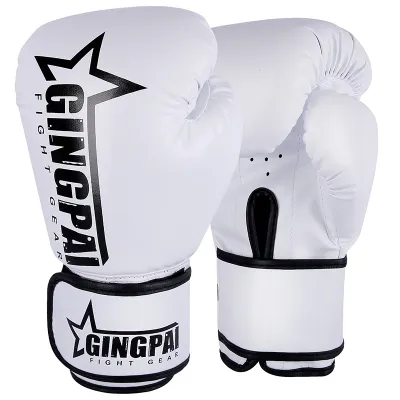
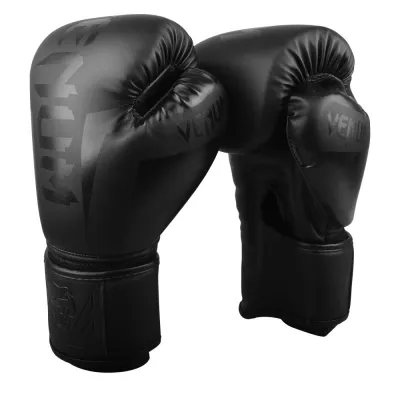

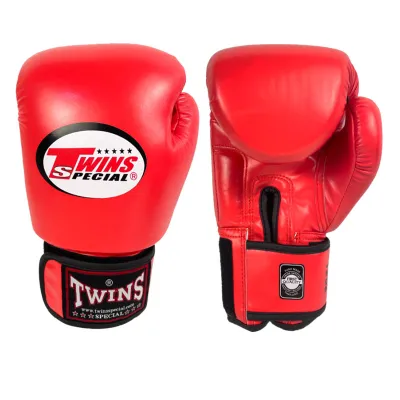
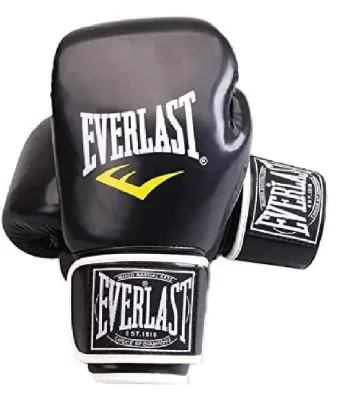
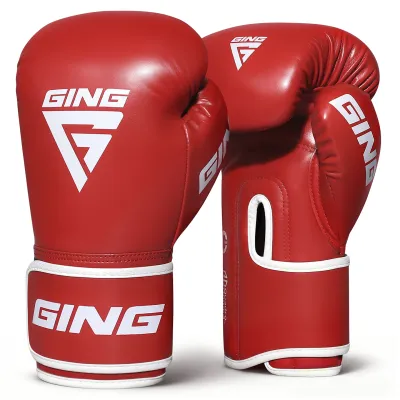
Prices are valid at publication and may change. Please refer to the product page for the latest price.
Core Differences: Comparing Training and Sparring Gloves boxing Equipment
To the untrained eye, all boxing gloves look relatively similar, but their internal architecture is tailored for entirely different physics. The primary difference lies in the foam density and how the padding is distributed across the glove. Training gloves are built to endure the relentless abuse of a heavy bag, which requires a dense, highly compressed foam layer. This dense foam prevents the padding from bottoming out, ensuring your knuckles do not make direct contact with the hard core of the bag. Sparring gloves, on the other hand, feature softer, multi-layered foam that compresses gradually upon impact, absorbing and dispersing the kinetic energy to protect your partner’s face and body.

Another critical structural difference is the thumb positioning and overall hand compartment design. Training gloves often feature a fully locked, tucked-in thumb position. This design keeps the thumb safely out of the way during heavy straight punches and hooks, reducing the risk of jamming or bending your thumb on the bag. Sparring gloves typically employ a more curved, natural thumb alignment. This slightly more open thumb design allows for a more relaxed fist, which is essential for defensive maneuvers like parrying jabs, catching punches, and engaging in the occasional clinch without accidentally poking your partner in the eye.
Weight distribution also varies significantly between these two categories. While training gloves are widely available in lighter weights ranging from 10oz to 14oz to promote hand speed and cardiovascular endurance during bag work, sparring gloves are intentionally heavier. They standardise at 16oz (and sometimes 14oz for lighter weight classes or 18oz for heavyweights) to provide a thicker protective barrier and to slightly slow down hand speed, which helps keep sparring sessions controlled and technical.
| Feature | Training Gloves | Sparring Gloves |
|---|---|---|
| Primary Intended Use | Heavy bags, focus mitts, pad work, shadowboxing | Live partner sparring, controlled technical drills |
| Foam Density | High density, firm, impact-resistant | Low to medium density, soft, pillowy |
| Padding Distribution | Concentrated heavily over the knuckles | Dispersed evenly across knuckles, back of hand, and wrist |
| Thumb Position | Tucked and locked to prevent catching | Curved and attached to avoid eye pokes |
| Typical Weight Range | 10oz to 14oz (up to 16oz for heavy hitters) | 14oz to 18oz (16oz is the standard gym minimum) |
Training Gloves: Best for Heavy Bags, Pads, and Shadowboxing
Training gloves serve as the workhorse of your boxing arsenal. When you throw a punch at a heavy bag, the bag offers immediate, unyielding resistance. Without adequate protection, the force of the impact travels directly back into the delicate bones of your hand, your knuckles, and your wrist joint. The dense foam layers within a training glove are specifically formulated to absorb this blunt force, spreading the impact across a wider surface area and preventing micro-fractures in your metacarpals.
Beyond pure protection, training gloves provide excellent tactile feedback. When you land a punch correctly with a firm training glove, you can feel the exact point of contact. This feedback is essential for beginners who are still refining their punching technique, as it helps them learn to land with the two primary knuckles while keeping the wrist perfectly straight. The structural stiffness of these gloves also provides robust wrist support, which is critical when fatigue sets in during long bag sessions and form begins to slip.
However, the very characteristics that make training gloves excellent for bag work make them highly dangerous for sparring. Because the foam is dense and firm, striking a human training partner with training gloves is highly hazardous. The hard padding does not compress sufficiently to cushion the blow, meaning your partner absorbs the full, concentrated force of your punch. Even if you are using a heavier 16oz training glove, the hardness of the foam can easily cause deep cuts, severe facial bruising, or head trauma, violating the core safety principles of controlled sparring.
Maintaining your training gloves is especially important in the tropical climate of the Philippines. The high humidity and intense heat mean that your hands will sweat profusely during a standard workout, creating a damp environment inside the glove that is highly susceptible to mold and bacteria. To prevent foul odors and premature material degradation, always wipe down the exterior of your gloves with a damp cloth after training. Insert cedar-filled glove deodorizers or clean dry socks filled with baking soda into the hand compartments to draw out moisture, and allow them to air out in a well-ventilated indoor space. Avoid leaving them inside a zipped gym bag or exposing them to direct, harsh sunlight, which can dry out and crack the leather or synthetic outer shell.
Sparring Gloves: Protecting Your Partner and Yourself
The primary philosophy behind sparring gloves is mutual protection. Sparring is not about securing a knockout; it is about practicing timing, distance, defense, and combinations in a dynamic, live environment. To facilitate this safe learning environment, sparring gloves are constructed with softer, multi-layered padding systems. These systems often combine open-cell foam with latex layers to create a “pillowy” barrier that compresses slowly upon impact, drastically reducing the peak force transmitted to your partner’s head and body.
This soft, compressible foam means that sparring gloves should never be used for heavy bag workouts. If you hit a dense heavy bag with sparring gloves, the soft foam will bottom out almost immediately, allowing your knuckles to strike the hard bag surface with minimal protection. Furthermore, the repetitive, high-velocity impact of bag work will rapidly break down the delicate, soft foam inside sparring gloves. Once this internal foam structure collapses, the gloves lose their protective qualities and become completely unsafe for further sparring sessions, forcing you to replace them prematurely.
The ergonomic design of sparring gloves also accommodates the multi-faceted nature of partner work. During a sparring session, you must do more than just punch; you must actively block, parry, catch incoming shots, and occasionally work in the clinch. Sparring gloves feature a slightly roomier hand compartment and a more flexible wrist profile, allowing you to open your hand slightly to catch jabs or secure a clean clinch. The thumb is carefully aligned and attached to the main body of the glove to prevent it from flaring out and accidentally scraping or poking your partner’s eye during fast-paced exchanges.
Using the correct gear is a fundamental ethical obligation in the boxing community. Stepping into a sparring ring with hard training gloves displays a reckless disregard for your partner’s safety and well-being. Regardless of how lightly you promise to punch, accidental hard connections happen in the heat of the moment. Ensuring you have dedicated, soft-padded sparring gloves is the only way to guarantee that both you and your training partner can walk away from a session healthy and ready to train the next day.
Decision Framework: How to Choose Based on Your Routine
To determine which glove type deserves your investment, evaluate your current training routine and long-term boxing goals. Buying the wrong style can lead to hand injuries, wasted money, or being turned away from local sparring sessions. Use the following structured checklist to make an informed decision:
- Choose Training Gloves if: Your routine consists almost exclusively of heavy bag work, focus mitt drills, shadowboxing, and general fitness conditioning. If you do not plan to engage in live partner sparring, a high-quality pair of training gloves (typically in 12oz or 14oz, depending on your body weight) will provide the durability and knuckle protection you need for solo workouts.
- Choose Sparring Gloves if: You are an intermediate or advanced boxer who spars regularly (at least once or twice a week) as part of your competitive preparation or advanced skill development. You will need a dedicated pair of 16oz sparring gloves that are kept exclusively for partner work to ensure the foam remains soft and safe.
- Neither may fit if: You are preparing for an official, sanctioned amateur or professional bout, which requires highly specialized, lightweight competition gloves (usually 8oz or 10oz with lace-up closures) provided or approved by the governing athletic commission. Alternatively, if your training involves mixed martial arts, you will need open-palm MMA grappling gloves rather than traditional boxing gloves.
- Verify first if: Your local boxing gym in the Philippines has specific house rules regarding equipment. Before purchasing your gear, ask your head coach about their preferred weight and brand requirements. Many gyms mandate 16oz gloves for anyone weighing over 60 kg to maintain a safe sparring environment.
When assessing value, avoid the temptation to purchase cheap “hybrid” or “all-purpose” gloves. These hybrid options are often a compromise that fails to perform well in either scenario; they use a medium-density foam that is too soft to survive the relentless abuse of heavy bag training, yet too firm to be truly safe for your sparring partners. If you are on a tight budget, prioritize a high-quality pair of training gloves first. As your skills progress and your coach clears you for live sparring, you can then invest in a dedicated pair of sparring gloves. In the Philippines, entry-level, reputable training gloves typically range from ₱1,500 to ₱3,500, while specialized, high-quality sparring gloves can range from ₱3,500 to ₱8,000 or more. Investing in the proper tool for each job ensures your safety, protects your training partners, and extends the lifespan of your gear.
Frequently Asked Questions (FAQ)
Can I use 16oz training gloves for sparring?
No, you should not use 16oz training gloves for sparring. While 16 ounces is the standard weight required by most gyms for sparring, the weight of the glove does not dictate the softness of the padding. Training gloves are built with high-density, rigid foam designed to withstand heavy bag impacts without collapsing. This dense foam does not compress easily upon hitting a human target, meaning your sparring partner will absorb a dangerous amount of impact force. Always use dedicated sparring gloves with soft, multi-layered padding for partner work.
Do beginners need to buy both types of boxing gloves immediately?
Beginners do not need to purchase both types of gloves when starting their boxing journey. Your initial training will focus entirely on learning proper stance, footwork, punching technique, bag work, and pad drills. A single, high-quality pair of training gloves is perfect for this stage. You should only purchase dedicated sparring gloves when your coach officially clears you to begin live partner sparring, which typically occurs after several months of consistent fundamental training.
Community discussion
Share your experience or ask a question. Comments are reviewed before publication.