
Selecting the right boxing gloves depends entirely on your training routine. If your workout consists of high-intensity heavy bag sessions, bag gloves are necessary to protect your knuckles from dense impact. For controlled partner drills and live sparring, sparring gloves are mandatory to protect both you and your training partner. If your routine is a mix of pad work, light bag drills, and cardio boxing, training gloves offer the versatile balance you need.
No single pair of gloves is universally optimal for every type of boxing workout. Using the wrong glove type can lead to hand injuries, wrist strain, or unnecessary harm to your sparring partners. Understanding the structural differences between these three categories is the first step toward a safer and more effective workout.
Core Differences: Training, Sparring, and Bag Gloves Explained
To choose the right gear, you must understand how manufacturers design each glove type for specific impact profiles. The primary differences lie in the padding density, weight distribution, and overall structural purpose.
Products mentioned in this guide
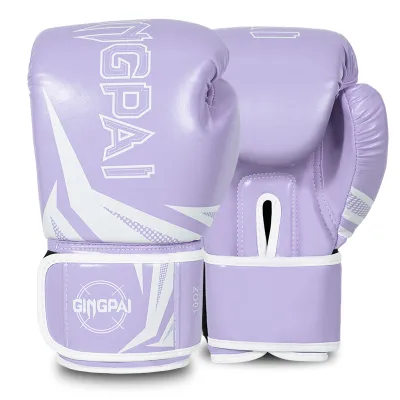
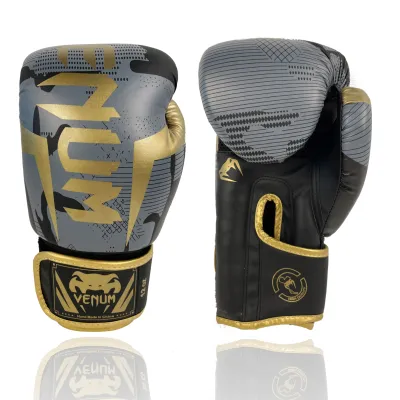
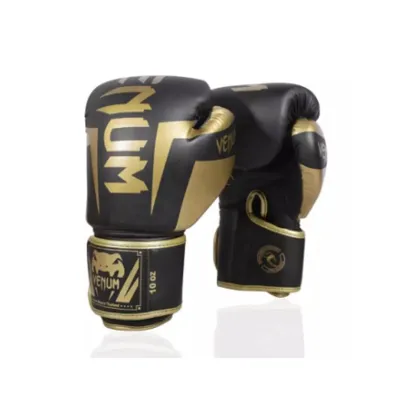
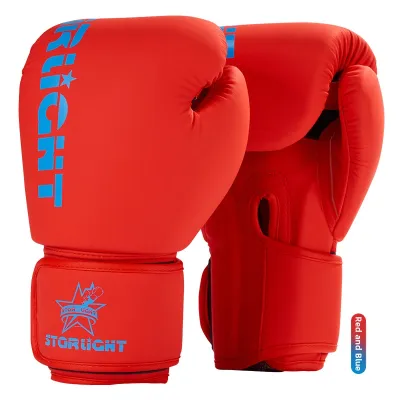
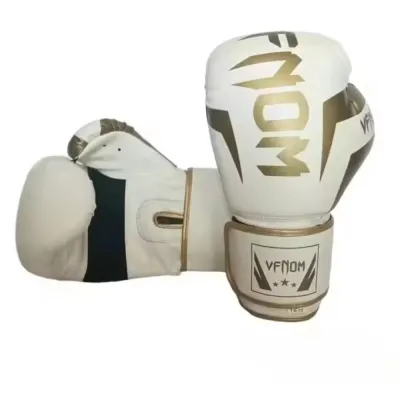
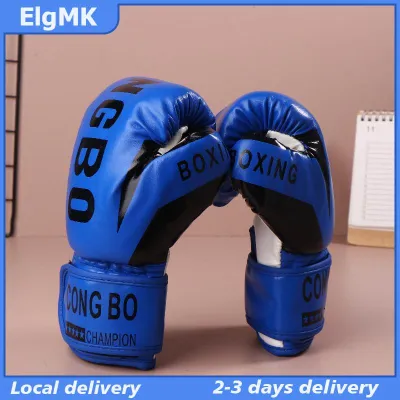
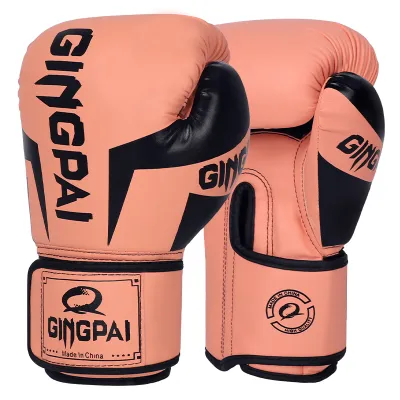
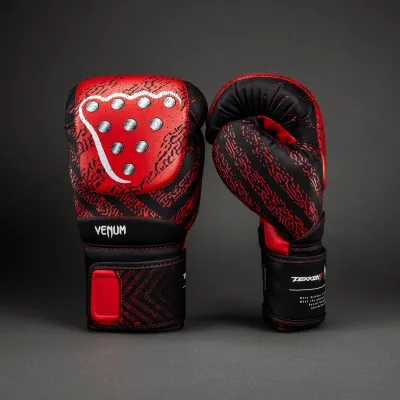
Prices are valid at publication and may change. Please refer to the product page for the latest price.
Training Gloves: The Versatile All-Rounder Training gloves are designed as a multi-purpose solution for athletes who engage in varied workouts. They feature a balanced distribution of medium-density foam that offers adequate protection for both bag work and mitt work. Typically weighing between 12 ounces (oz) and 14 ounces, these gloves are versatile enough for general gym use but are not specialized for heavy, high-volume power punching or hard sparring.
Sparring Gloves: Partner-Focused Protection Sparring gloves prioritize the safety of your training partner. They utilize thick, soft, pillowy padding—often made of layered open-cell foam—to cushion the force of your punches. These gloves are heavily padded around the knuckles and are usually weighted at 16 ounces or more. The extra weight and softer foam slow down the impact velocity, reducing the risk of cuts, bruises, and concussions during live practice.
Bag Gloves: High-Density Impact Absorption Bag gloves are built specifically to withstand the relentless impact of dense heavy bags and double-end bags. Unlike sparring gloves, they feature hard, high-density closed-cell foam or gel layers designed to absorb shock without bottoming out. They are often more compact and lighter, sometimes weighing between 10 ounces and 12 ounces, allowing you to focus on punching technique, speed, and hand alignment without the bulk of extra padding.
Critical Protection and Fit Features to Verify
Regardless of the glove category you choose, several physical specifications dictate how well the gear protects your hands and wrists during high-impact training.

Wrist Support and Alignment Your wrist must remain perfectly straight upon impact to prevent hyperextension or sprains. Look for gloves with wide, rigid cuffs that wrap securely around the wrist joint. When trying on a glove, make a fist and check if the cuff restricts lateral movement; a high-quality glove should feel like an extension of your forearm, keeping your wrist locked in a neutral position.
Thumb Placement and Attachment An improperly positioned thumb is a common cause of injury in boxing. Verify that the glove features a fully attached thumb, where the thumb is stitched securely to the main body of the glove. This design prevents your thumb from bending backward during a misplaced punch and keeps it from accidentally poking your training partner in the eye during drills.
Breathability and Moisture Management In tropical climates with high humidity, such as the Philippines, moisture management is critical for both comfort and gear longevity. Sweat buildup inside a glove degrades the inner foam and lining, leading to structural failure and severe odors. Look for gloves featuring mesh palms, ventilation eyelets, and moisture-wicking antimicrobial inner linings. These features help air circulate through the glove, allowing them to dry faster between intense training sessions.
Decision Framework: Match the Glove to Your Specific Workout
To determine which glove to purchase, evaluate your weekly training split and your current skill level. Investing in the wrong type can hinder your progress or lead to avoidable injuries.
Choose Training Gloves If:
- Your workout consists primarily of fitness boxing, focus mitt drills with a coach, and light bag work.
- You want a single, cost-effective pair of gloves for general gym classes.
- You are a beginner learning basic punching mechanics and do not yet engage in live sparring.
Choose Bag Gloves If:
- You train solo and spend the majority of your sessions hitting heavy bags, wall pads, or water bags.
- You are focusing on developing raw punching power and need maximum knuckle protection against hard surfaces.
- You want a durable glove with dense foam that will not degrade quickly under high-volume, repetitive impact.
Choose Sparring Gloves If:
- You are transitioning to live partner drills, technical sparring, or competitive preparation.
- Your local gym requires a minimum of 16-ounce gloves for safety during partner work.
- You prioritize the safety of your training partners and want to minimize the risk of impact injuries.
Evaluating Hybrid Needs and Injuries If your budget only allows for one pair of gloves, a heavy-duty 14 oz or 16 oz training glove is often the most practical compromise. However, if you have a history of wrist instability or knuckle pain, you should prioritize specialized bag gloves with enhanced gel padding for your bag workouts. Never use a single pair of gloves for both heavy bag work and sparring; the dense bag work will quickly compact the foam, making the gloves dangerous to use against a partner.
Sizing, Weight, and Closure Systems
Finding the correct fit requires measuring your hands and understanding how glove weight correlates with your body size and training goals.
Measuring Your Hand Circumference Do not rely solely on your weight or general clothing size to choose boxing gloves. Use a flexible fabric tape measure to measure the circumference of your dominant hand just below the knuckles, excluding the thumb. Compare this measurement to the manufacturer’s specific sizing chart, as sizing standards vary significantly between brands.
Selecting the Right Ounce (oz) Weight Glove weight is measured in ounces, which directly correlates to the amount of protective padding inside.
- 10 oz to 12 oz: Ideal for pad work, speed drills, and smaller athletes (under 55 kg) performing light bag work.
- 14 oz: The standard weight for general training, offering a balanced mix of speed and protection for athletes weighing 55 kg to 75 kg.
- 16 oz and above: Mandatory for sparring and recommended for heavier athletes (over 75 kg) to ensure adequate hand protection during heavy bag workouts.
Hook-and-Loop vs. Lace-Up Closures The closure system affects how easily you can put on your gear and the level of wrist support you receive.
- Hook-and-Loop (Velcro): This is the most practical choice for solo training. It allows you to put on and take off your gloves without assistance, which is essential during fast-paced gym classes or solo bag sessions.
- Lace-Up: This system provides superior, customized wrist support because the laces pull the entire cuff tight against your forearm. However, you cannot tie them yourself, making them practical only if you train with a dedicated coach or partner who can assist you before every round.
Frequently Asked Questions (FAQ)
Can I use one pair of gloves for both heavy bag and sparring?
No, using the same pair of gloves for both activities is highly discouraged due to safety and durability concerns. When you hit a heavy bag, the dense resistance gradually compacts the foam padding inside the glove, making it hard and rigid. If you then use those same compacted gloves for sparring, you risk injuring your partner with hard, unyielding impacts. Additionally, the high friction of heavy bag work accelerates the wear and tear on the outer shell, reducing the glove’s protective lifespan.
How do I know when my boxing gloves need replacing?
You should inspect your gloves regularly for signs of structural degradation. Replace your gloves immediately if you notice the padding has shifted, feels lumpy, or has bottomed out so that you can feel your knuckles through the foam. Other warning signs include cracked outer material, torn inner linings that expose the foam, and hook-and-loop straps that no longer stay securely fastened. In humid environments, a persistent, sour odor that does not go away after drying is also a sign of deep-seated bacterial growth, indicating it is time to invest in a new pair.
Community discussion
Share your experience or ask a question. Comments are reviewed before publication.