
Selecting the right boxing glove is not a matter of finding a single universal pair, but rather matching the glove’s design to your specific training activity. Your choice directly impacts your hand safety, your training partner’s well-being, and the longevity of your gear. Bag gloves, sparring gloves, and training gloves each feature distinct padding densities, weight distributions, and structural designs tailored for different gym scenarios. Before making a purchase, you must verify the manufacturer’s specifications for weight, padding type, and intended use to ensure compliance with your local gym’s safety guidelines.
Core Design Differences: Padding, Weight, and Hand Protection
The structural variations among boxing gloves dictate how they absorb impact and protect both the wearer and the target. Padding density is the primary differentiator. Some gloves utilize dense, layered foam to resist bottoming out against hard surfaces, while others use softer, high-volume foam designed to compress easily upon contact. Understanding these material differences helps you avoid hand injuries and ensures you do not inadvertently injure a training partner during drills.
Weight classifications in boxing gloves are measured in ounces (oz), typically ranging from 8 oz to 18 oz. The ounce rating primarily indicates the volume and weight of the padding built into the glove, rather than physical hand size. A heavier glove contains more padding, which generally offers greater impact absorption, though it also requires more physical effort to keep your hands up during extended training sessions.
Products mentioned in this guide
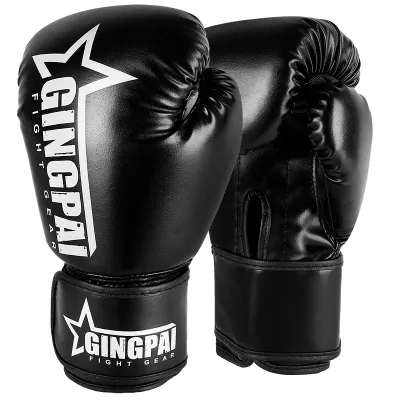
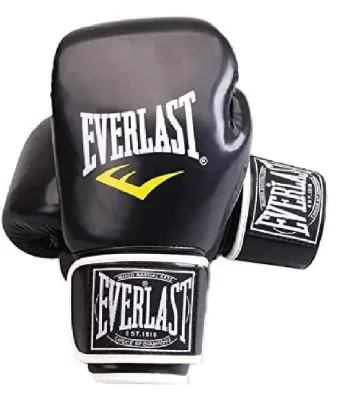
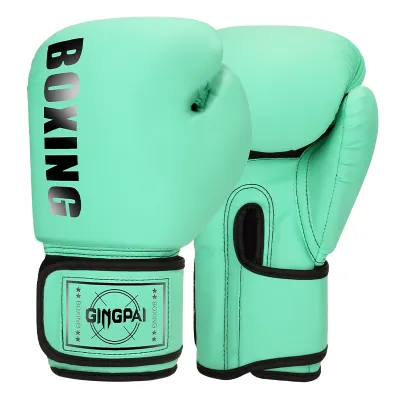
Prices are valid at publication and may change. Please refer to the product page for the latest price.
Hand compartment shape and thumb placement also vary significantly across glove categories. Some designs feature a pre-curved fist shape that forces the hand into a natural punching position, reducing muscle fatigue during long bag workouts. Other designs allow the hand to open more easily, which is useful for clinching. The thumb attachment is another critical safety feature; high-quality gloves secure the thumb close to the fist to prevent accidental hyperextension or eye pokes during partner drills.
Bag Gloves: Built for Heavy Impact and Technique
Bag gloves are engineered specifically to withstand the relentless, repetitive impact of hitting heavy bags, double-end bags, and focus mitts. The padding in these gloves is dense and highly compressed, designed to absorb the shock of striking a solid, unyielding target without collapsing. This dense barrier protects the delicate bones of your knuckles and stabilizes your wrists during high-force impacts, allowing you to focus on developing power and proper punching form.

These gloves often feature a slimmer, more compact profile compared to other glove types. This streamlined design allows you to observe your hand alignment and punch placement more clearly, which is essential for refining your technique. Lighter options, such as 10 oz or 12 oz, are frequently selected for bag work because they facilitate faster hand speed and help build shoulder endurance without adding excessive bulk to your guard.
However, the very characteristics that make bag gloves excellent for solo training make them highly dangerous for partner work. The dense, hard padding does not disperse shock outward; instead, it transfers the force directly to the target. Using bag gloves during a sparring session can cause severe cuts, bruises, or more serious injuries to your training partner. Consequently, almost all reputable boxing gyms strictly prohibit the use of dedicated bag gloves during any form of live sparring.
Sparring Gloves: Prioritizing Partner Safety
Sparring gloves are designed with a primary focus on the safety of your training partner. Unlike the dense foam found in bag gloves, sparring gloves utilize soft, pillowy, and highly distributed padding. This design is intended to disperse the force of a punch across a wider surface area, minimizing the sharp, localized impact felt by your opponent’s head and body during live, partner-based drills.
To ensure adequate protection, sparring gloves are typically much heavier than bag gloves, with 14 oz and 16 oz being the standard requirements in most gyms. The extra weight is concentrated in the knuckle area, providing a thick cushion that slows down punch acceleration and dampens the overall force of the blow. Training with heavier gloves also builds conditioning, making your hands feel significantly lighter and faster if you transition to lighter gloves for competition.
A critical rule of glove maintenance is to never use your sparring gloves for heavy bag workouts. The intense, repetitive impact against a dense heavy bag will rapidly degrade the soft foam inside sparring gloves, causing the padding to compact, shift, or crumble. Once the padding is compromised, the gloves lose their shock-absorbing properties, rendering them unsafe for sparring. Preserving your sparring gloves solely for partner work ensures they remain soft and safe for your teammates.
Training Gloves: The Versatile All-Rounder
Training gloves serve as the versatile middle ground of the boxing world, making them an ideal choice for beginners, fitness enthusiasts, or anyone who wants a single pair of gloves for a mixed routine. The padding in training gloves is balanced, offering a compromise between the dense protection needed for bag work and the softer cushioning required for light partner drills. They provide sufficient hand protection for moderate bag workouts while remaining safe enough for controlled, technical partner drills.
For those participating in general fitness boxing classes, shadow boxing, or introductory martial arts courses, training gloves offer a practical and cost-effective solution. You do not need to invest in multiple specialized pairs of gloves when a single pair of training gloves can handle a warm-up on the mitts, a few rounds on the heavy bag, and light defensive drills. This versatility makes them highly popular in commercial gyms and fitness studios.
The trade-off for this versatility is that training gloves do not excel at either extreme of boxing training. If you transition to heavy, high-power bag work, the balanced padding may not offer enough long-term knuckle protection compared to a dedicated bag glove. Conversely, if you begin engaging in hard, competitive sparring, the padding may still be too firm to guarantee your partner’s safety. As your skills progress and your training becomes more specialized, you will likely need to transition to dedicated gear.
Quick Comparison Matrix for Your Training Routine
To help you quickly identify which glove type aligns with your current training goals, the table below summarizes the key differences in design, weight, and safety applications. Always verify the manufacturer’s labels and consult your gym’s specific gear policies before making a final decision.
| Glove Type | Primary Use | Padding Density | Typical Weight Range | Partner Safety | Verify on Label |
|---|---|---|---|---|---|
| Bag Gloves | Heavy bags, mitts, speed bags | High (Dense, compact) | 10 oz – 14 oz | Unsafe (Do not use) | "Bag Work Only" or dense foam specs |
| Sparring Gloves | Live partner drills, sparring | Low to Medium (Soft, pillowy) | 14 oz – 18 oz | High (Designed for safety) | "Sparring" designation and weight |
| Training Gloves | Mixed routines, fitness classes | Medium (Balanced) | 12 oz – 16 oz | Moderate (Light drills only) | "All-Purpose" or "Training" label |
How to Choose the Right Glove for Your Current Routine
Selecting the right glove requires an honest assessment of your weekly training routine and your long-term athletic goals. If your workouts consist almost entirely of solo bag work, fitness classes, or focus mitt drills to burn calories and improve conditioning, a dedicated bag glove or a versatile training glove is your best option. These gloves will protect your hands from the hard surfaces of the bag and withstand the daily wear and tear of high-impact training.
If your training routine includes regular, live sparring or competitive partner drills, you must invest in a dedicated pair of sparring gloves, typically in 16 oz. Using separate gloves for bag work and sparring is the standard practice among serious practitioners. This dual-glove approach ensures your sparring partners remain safe from degraded padding, while your hands remain protected by the dense foam of your bag gloves during solo workouts.
For beginners who are still exploring the sport, starting with a high-quality pair of training gloves is highly practical. Look for gloves with a secure hook-and-loop (Velcro) closure system, as they are easy to put on and take off without assistance during a fast-paced class. Lace-up gloves offer superior wrist support and a more customized fit, but they require another person to tie them, making them less practical for solo training or casual fitness environments.
In tropical climates like the Philippines, high humidity and intense heat can cause significant sweat buildup inside your gloves, leading to rapid material degradation and unpleasant odors. Whether you are investing ₱2,000 or ₱8,000 in a pair of gloves, proper maintenance is essential. When choosing a glove, look for models with breathable mesh palms or ventilation holes to help moisture escape. After every session, ensure you open the gloves fully, wipe down the interior, and allow them to air dry in a well-ventilated area away from direct sunlight to preserve the integrity of the foam and synthetic or leather materials.
Frequently Asked Questions (FAQ)
Can I use one pair of boxing gloves for everything?
While you can technically use a single pair of training gloves for a variety of light workouts, doing so for intense, mixed training carries significant risks. Using one pair of gloves for both heavy bag work and sparring will rapidly compress the padding, making the gloves hard and unsafe for your sparring partners. Additionally, the constant friction and impact from the heavy bag will accelerate the wear and tear on the outer material and stitching, forcing you to replace the gloves much sooner than if you maintained separate pairs for different activities.
How do I know what weight (oz) to buy?
The correct glove weight depends on your body weight, your training goals, and your gym’s specific regulations. For general training and bag work, lighter individuals (under 60 kg) often prefer 12 oz gloves, to ensure adequate hand protection without excessive fatigue. For sparring, most gyms enforce a strict minimum requirement of 16 oz gloves regardless of your size, to maximize safety for all participants. Always consult your coach or check your gym’s written rules before purchasing to ensure your gloves are permitted on the canvas.
Community discussion
Share your experience or ask a question. Comments are reviewed before publication.