
Quick Guide: Which Boxing Gloves Should You Choose?
When shopping for new boxinh gloves, the sheer variety of options can quickly become overwhelming for beginners and experienced fighters alike. Selecting the wrong gear is not just a matter of discomfort; it directly affects your safety, the longevity of your equipment, and the physical well-being of your training partners. To help you make an immediate decision, let us break down the primary choices based on your specific training goals.
- Choose training gloves if you need a versatile, all-purpose option for daily gym workouts. These gloves are designed to handle a mix of focus mitt drills, light bag work, and general fitness boxing classes. They offer a balanced middle ground in terms of padding and weight, making them the default starting point for most enthusiasts.
- Choose sparring gloves if you are progressing to live partner drills or controlled ring combat. These gloves feature specialized, highly shock-absorbent padding designed to protect both your hands and your training partner from injury. They are strictly mandatory for any form of contact training to ensure mutual safety.
- Choose bag gloves if your workouts consist almost entirely of heavy bag training and power punching. These gloves feature dense, compact padding that provides direct impact feedback, helping you correct your punching form while protecting your knuckles from bottoming out against hard surfaces.
Using the incorrect glove type for your activity introduces avoidable physical risks. Striking a heavy bag with soft sparring gloves will rapidly degrade the delicate foam layers, rendering them useless for partner protection. Conversely, hitting a sparring partner with dense bag gloves can cause severe facial lacerations or concussive injuries. Matching your glove to your specific activity is the first rule of boxing safety.
Key Differences in Boxinh Gloves: Padding, Weight, and Support
Understanding the structural anatomy of boxing equipment is essential for making an informed purchase. While all gloves look similar from the outside, their internal construction varies dramatically across three primary design pillars: padding distribution, overall weight, and wrist support systems.
Products mentioned in this guide
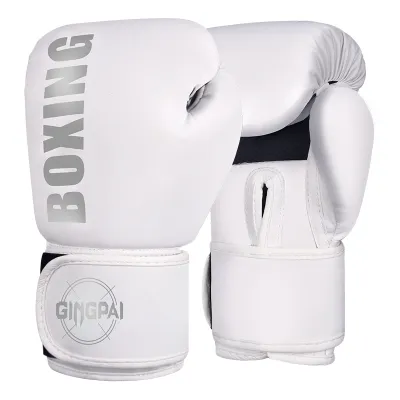
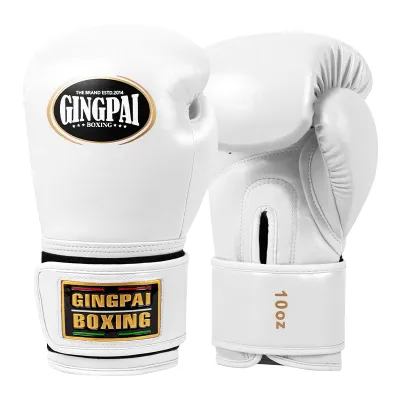
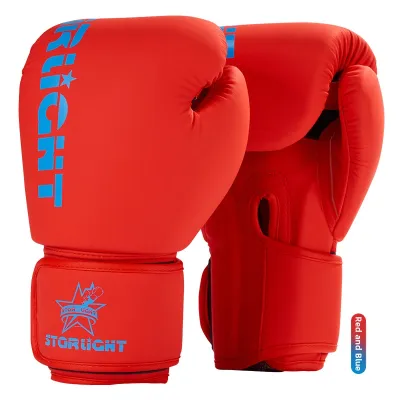
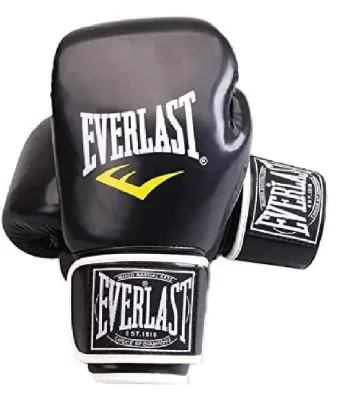
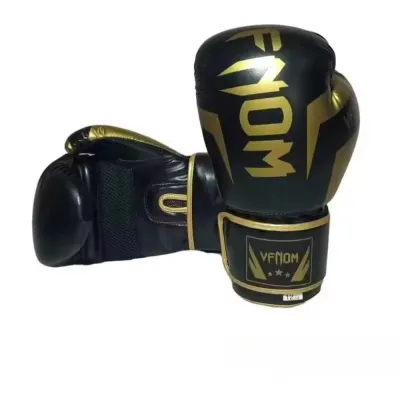
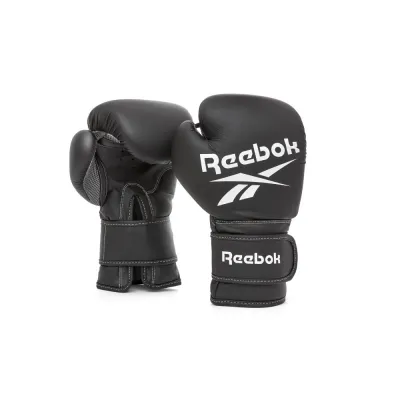
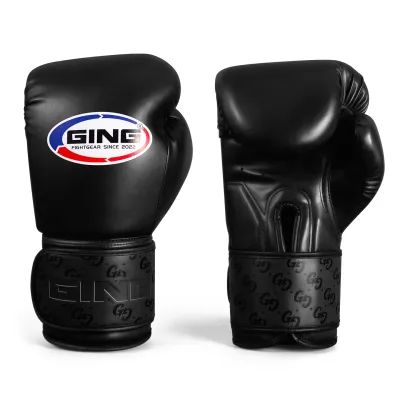
Prices are valid at publication and may change. Please refer to the product page for the latest price.

Padding distribution determines how kinetic energy is dispersed upon impact. Training gloves feature a balanced layer of medium-density foam spread evenly across the knuckles and the back of the hand. Sparring gloves utilize thick, pillowy, shock-absorbing layers concentrated heavily over the main knuckles to cushion impacts against human targets. Bag gloves, on the other hand, employ highly compressed, dense foam designed to withstand repeated, high-velocity impacts against solid, heavy surfaces without collapsing.
The weight of a glove is measured in ounces (oz) and dictates its protective capability and intended use. Lighter gloves, ranging from 8oz to 12oz, are built for speed and are commonly used in professional competitions or specialized bag work. Medium-weight gloves, typically 12oz to 14oz, serve as the standard for general training. Heavier gloves, specifically 16oz and above, are the universal standard for sparring because the extra weight represents additional protective foam that slows down hand speed slightly while maximizing safety.
Wrist support and closure systems are critical for stabilizing the joint during high-impact strikes. You will primarily choose between hook-and-loop (Velcro) and traditional lace-up closures. Lace-up gloves offer an unmatched, highly customized fit that secures the wrist in perfect alignment, but they require a coach or training partner to tie them securely before every session. Hook-and-loop closures allow you to slip the gloves on and off independently, which is highly practical for solo workouts in fast-paced gym environments.
Training Gloves: The Versatile Choice for Daily Workouts
Training gloves serve as the foundational workhorse of the boxing world. If you are stepping into a local boxing gym in the Philippines for a high-intensity cardio class or a technical coaching session, a standard training glove is almost always the most practical choice. They are designed to adapt to a wide range of activities without requiring you to change gear between rounds.
The primary advantage of training gloves lies in their balanced design. They typically weigh between 12oz and 14oz, offering enough hand protection for moderate impact while remaining light enough to prevent premature shoulder fatigue during long combinations. This balanced weight helps beginners build shoulder endurance and refine their punching mechanics without fighting against excessively heavy gear.
These gloves excel at focus mitt drills, double-end bag work, and shadow boxing. The medium-density foam provides a satisfying pop when hitting mitts, allowing you to gauge your speed and accuracy. They are also highly suited for circuit training where you transition quickly from boxing drills to bodyweight exercises like push-ups or mountain climbers. In the Philippine market, high-quality training gloves typically range from entry-level synthetic options at around ₱1,500 to ₱3,000, up to premium genuine leather models that can exceed ₱6,000.
However, training gloves are a compromise and have clear performance boundaries. They are not suitable for hard sparring because their padding is too firm to guarantee your partner’s safety during heavy contact. Additionally, if you subject them to daily, high-power workouts on a 100-pound heavy bag, the multi-layered foam inside will degrade prematurely, flattening out and leaving your knuckles vulnerable to bruising.
Sparring Gloves: Maximum Protection for Partner Drills
When you transition from hitting static targets to engaging with a live training partner, safety becomes your absolute priority. Sparring gloves are engineered specifically to minimize the risk of injury during controlled ring work. They are designed with a larger physical profile and highly resilient, soft foam layers that disperse kinetic energy over a wider surface area.
The defining characteristic of a sparring glove is its generous, pillowy padding. This soft foam is formulated to compress gradually upon impact, absorbing the force of the punch before it reaches your partner’s face or body. This design drastically reduces the risk of superficial cuts, nosebleeds, and concussive trauma, allowing both fighters to focus on technical development rather than survival.
In the Philippines, almost all reputable boxing gyms enforce a strict minimum weight of 16oz for sparring gloves. For lighter individuals under 110 pounds (50 kg), a gym coach may occasionally permit 14oz gloves, but 16oz remains the universal standard. This rule is non-negotiable because lighter gloves do not contain enough physical foam to prevent facial lacerations or hand fractures during live contact.
Using lighter training gloves or compact bag gloves in a sparring ring is a severe breach of gym etiquette and safety protocols. Before you step into the ring, always inspect your sparring gloves to ensure the foam has not collapsed or hardened over time. If you can feel your knuckles through the padding when pressing down firmly, the gloves are worn out and must be replaced immediately to protect your training partners.
Bag Gloves: Power, Speed, and Knuckle Feedback
Bag gloves are specialized tools built to endure the brutal, repetitive abuse of heavy bag training. Unlike human sparring partners, heavy bags offer solid, unyielding resistance that can quickly destroy softer gloves. Bag gloves are engineered with dense, impact-resistant foam that maintains its structural integrity over thousands of high-velocity impacts.
The primary benefit of bag gloves is the direct knuckle feedback they provide. The thinner, denser padding allows you to feel exactly how your fist connects with the target. If your wrist is slightly misaligned or your hand lands at an awkward angle, the immediate physical feedback helps you correct your form instantly, teaching you to land punches flush on the two front knuckles.
These gloves are typically lighter and more compact than sparring or training gloves, often weighing between 10oz and 12oz. This reduced weight allows you to work on hand speed, high-volume combinations, and cardiovascular conditioning without your shoulders burning out prematurely. The compact profile also makes it easier to maintain a tight, defensive guard during high-speed drills.
However, the minimalist design of bag gloves introduces strict safety boundaries. Because they offer less overall hand protection and minimal wrist stabilization on their own, they are highly unsuitable for beginners who have not yet developed proper punching technique. Using bag gloves without established wrist strength can easily lead to wrist buckling or joint hyperextension. Furthermore, bag gloves must never be used for sparring under any circumstances, as their dense foam can cause severe injuries to a partner. Always pair bag gloves with high-quality hand wraps to stabilize the small bones in your hands.
Boxing Gloves Comparison at a Glance
To help you quickly compare the structural differences and ideal use cases of each glove type, review the summary table below. This comparison highlights how design choices directly align with specific training activities.
| Glove Type | Primary Use | Padding Profile | Typical Weight (oz) | Best For |
|---|---|---|---|---|
| Training Gloves | All-around gym workouts | Balanced, medium-density foam | 12oz – 14oz | Focus mitts, light bag work, fitness classes |
| Sparring Gloves | Live partner drills | Thick, soft, shock-absorbing foam | 16oz – 18oz | Controlled sparring and technical ring work |
| Bag Gloves | Heavy bag power training | Thin, dense, impact-resistant foam | 10oz – 12oz | Speed drills, punch feedback, form correction |
Sizing, Fit, and Hand Wraps: Completing Your Setup
Selecting the correct glove type is only half the battle; ensuring a proper fit and utilizing correct hand support is vital for preventing acute injuries. Unlike traditional sportswear, boxing gloves are sized primarily by weight rather than standard small, medium, or large labels. To find your ideal size, you must measure your hand circumference and account for your overall body weight.
To measure your hand, wrap a soft fabric tape measure around your dominant hand, just below the knuckles, excluding the thumb. Compare this measurement against the manufacturer’s specific sizing chart, which will guide you to the appropriate glove weight. For example, individuals with a hand circumference of 7.5 to 8.5 inches typically fit well in 12oz or 14oz training gloves, while larger hands require 16oz options.
You must always account for the physical bulk of hand wraps when trying on new gloves. Never slip your bare hands into a glove to gauge its fit, as this will lead to buying gear that is far too tight once wrapped. Hand wraps are a non-negotiable safety component that stabilizes the wrist joint, secures the thumb, and cushions the delicate metacarpal bones in your hand. No glove, regardless of its cost or padding quality, can replace the structural support of a properly applied hand wrap.
Combatting Humidity: Glove Care in the Philippines
Training in the tropical climate of the Philippines presents unique challenges for gear maintenance. Open-air, high-humidity gyms accelerate sweat accumulation inside your gloves, creating an ideal breeding ground for odor-causing bacteria and mold. To protect your investment and maintain hygiene, you must establish a strict post-workout care routine.
Never leave your damp gloves zipped inside a dark gym bag after a workout, as this traps moisture and ruins the inner lining. Instead, wipe down the exterior of the gloves with a clean, dry microfiber cloth immediately after your session. To dry the interior, insert cedar-filled pouch inserts or “glove dogs” to absorb moisture and neutralize sweat odors naturally.
When drying your gloves at home, place them in a well-ventilated, shaded indoor area with active airflow from a fan. Avoid exposing your gloves to direct tropical sunlight or high-heat sources like hair dryers, as extreme heat will dry out genuine leather, crack synthetic materials, and melt the internal adhesive glues holding the foam layers together.
Final Verdict: Building Your Glove Rotation
If you are a beginner starting your boxing journey, do not feel pressured to purchase all three types of gloves at once. Your immediate priority should be acquiring a single, high-quality pair of 12oz or 14oz training gloves. This versatile pair will comfortably support you through your first several months of conditioning, focus mitt drills, and introductory bag work.
As your skills advance and your coach clears you to begin live partner drills, your next purchase must be a dedicated pair of 16oz sparring gloves. Reserve these gloves strictly for the sparring ring to ensure the soft foam remains intact and safe for your teammates. Using your sparring gloves on the heavy bag will quickly ruin them, defeating their protective purpose.
For advanced enthusiasts who train multiple times a week, adding a specialized pair of dense bag gloves completes the ideal gear rotation. By distributing the mechanical wear across specialized gloves, you maximize your safety, accelerate your skill development, and significantly extend the overall lifespan of your boxing gear.
Community discussion
Share your experience or ask a question. Comments are reviewed before publication.