
Choosing the right boxing gloves is not just a matter of style; it is a critical decision that directly impacts your hand safety, your training partner’s well-being, and the lifespan of your gear. The primary difference between training gloves, sparring gloves, and bag gloves lies in their internal construction, specifically the density and distribution of their padding. Bag gloves feature dense, impact-resistant foam designed to protect your knuckles from hard surfaces, while sparring gloves utilize softer, thicker padding to cushion the impact for your training partner. Training gloves serve as a versatile middle ground, offering balanced protection for a variety of gym activities. Selecting the wrong type can lead to premature gear wear, hand injuries, or being turned away from sparring sessions at your local gym.
Equipment alone cannot replace proper punching technique and wrist alignment. If you experience sharp wrist or knuckle pain during any session, you must stop training immediately and assess your form and gear.
Core Functional Differences at a Glance
To understand which glove suits your routine, you must look at how manufacturers distribute weight and foam density. Boxing gloves are measured in ounces (oz), typically ranging from 8 oz to 18 oz. This weight is not just about how heavy the glove feels on your arms; it indicates the volume of padding protecting your hands. In a tropical climate where high humidity and heat cause rapid physical exertion, carrying the correct weight is essential for maintaining proper form and avoiding shoulder fatigue.
Products mentioned in this guide
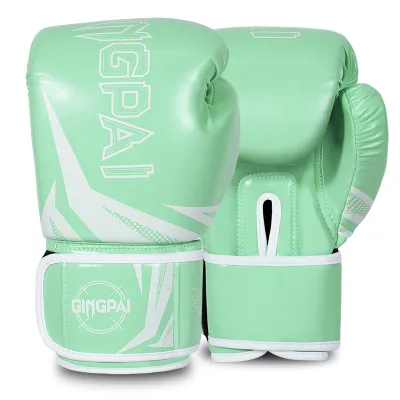
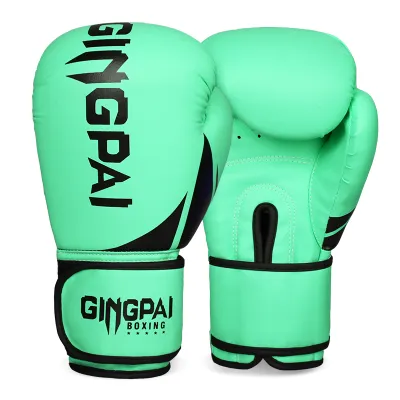
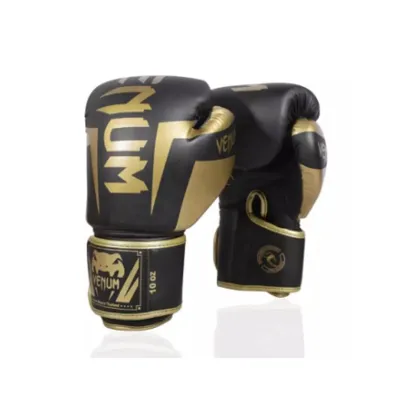
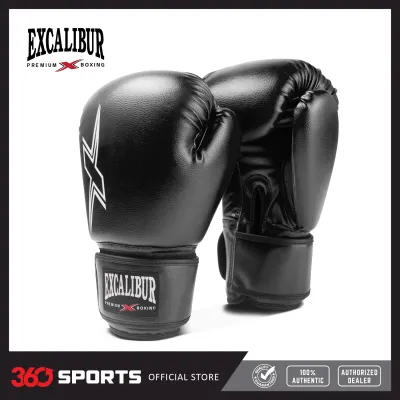
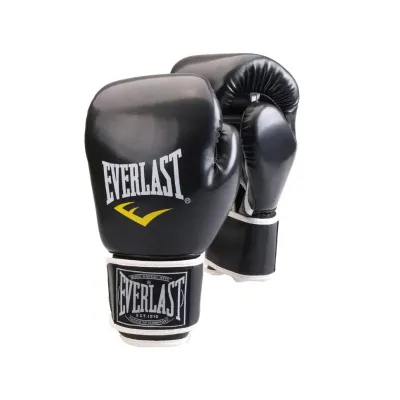
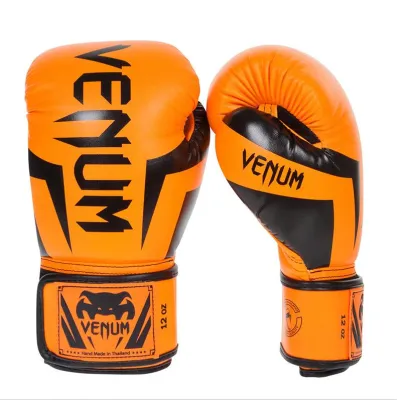
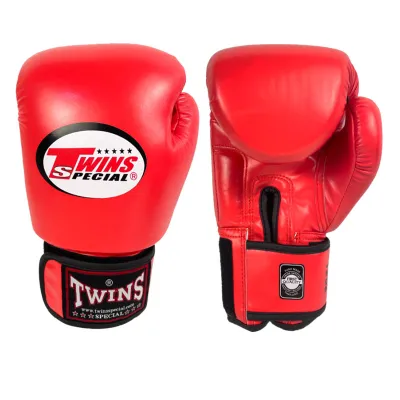
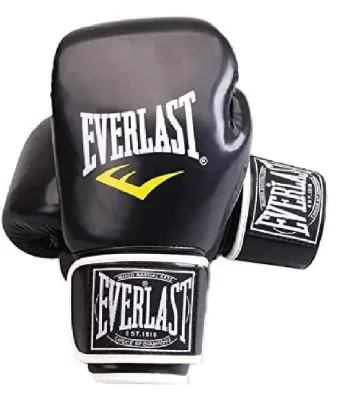
Prices are valid at publication and may change. Please refer to the product page for the latest price.
The structural differences dictate how shock is absorbed. Bag gloves prioritize protecting the wearer’s hand during repetitive, high-velocity impacts against dense targets like heavy bags. The foam is compact and firm, preventing the glove from bottoming out—a term for when the foam compresses completely, transferring the raw force directly to your knuckles. Sparring gloves, conversely, prioritize the safety of the person you are hitting. They feature a wider profile and softer, more pillowy foam that disperses the kinetic energy across a larger surface area, reducing the risk of cuts and concussions for your partner.
Training gloves attempt to bridge this gap by offering a moderate foam density. They are designed to handle light bag work, focus mitt drills, and controlled partner flow drills without requiring you to switch gear constantly. However, this versatility comes with compromises in specialized performance, which becomes more apparent as your training intensity increases.
Bag Gloves: Built for Heavy Impact and Conditioning
Bag gloves are engineered specifically to withstand the relentless punishment of heavy bag workouts, double-end bags, and focus mitts. The defining characteristic of a modern bag glove is its dense, layered foam system. Because synthetic leather and leather outers rub constantly against rough canvas or vinyl bags, these gloves often feature reinforced stitching and highly durable outer shells to prevent premature tearing.

When training in open-air, high-humidity gyms common in tropical regions, sweat buildup inside the glove can rapidly degrade internal materials. Bag gloves often incorporate moisture-wicking linings and ventilated palms to help manage this moisture. Using them for solo conditioning drills allows you to develop punching power, wrist alignment, and cardiovascular endurance without wearing down the softer foam of your other gear.
However, the very features that make bag gloves excellent for solo work make them highly dangerous for partner training. The dense, hard foam does not compress easily upon impact. If you attempt to spar with bag gloves, you risk injuring your training partner, as the impact feels similar to being hit with a bare fist wrapped in leather. Most reputable gyms strictly prohibit the use of dedicated bag gloves during any form of sparring or contact drills.
Sparring Gloves: Prioritizing Partner Safety and Control
Sparring is a highly technical, high-risk activity where safety must always come first. Sparring gloves are designed with a primary focus on protecting your partner from impact damage while shielding your own hands during defensive blocks. The padding in these gloves is significantly softer and more voluminous than that of bag or training gloves, acting as a cushion that absorbs and slows down the transfer of force.
In most boxing and martial arts gyms, there are strict weight requirements for sparring gear. Typically, adults are required to use gloves weighing at least 14 oz or 16 oz for sparring, regardless of their personal body weight. This standard ensures there is a sufficient volume of protective foam between your knuckles and your partner’s face. Before purchasing a pair specifically for sparring, always verify the exact rules of your local gym, as some facilities mandate 16 oz gloves for all live contact sessions to maintain a safe training environment.
Because sparring gloves are larger and heavier, they also require more physical effort to keep your hands up, which serves as an excellent conditioning tool. However, they are not intended for heavy bag use. The soft foam is easily crushed by repeated impacts against a hard heavy bag, which permanently ruins the glove’s protective qualities and renders them unsafe for future sparring sessions.
Training Gloves: The Versatile All-Rounder
For beginners or fitness enthusiasts who are just starting their boxing journey, purchasing multiple pairs of specialized gloves can be a significant financial commitment. This is where training gloves provide an ideal solution. Designed as an all-purpose option, training gloves feature a balanced foam density that is soft enough for light partner drills but durable enough to handle moderate bag work.
If your weekly routine consists of a mix of cardio boxing classes, pad work with a coach, and basic technical drills, a single pair of quality training gloves is usually sufficient. They allow you to learn the fundamentals of hand wrapping, punching form, and defensive movement without worrying about changing gear between segments of a class.
The trade-off of this versatility is that training gloves are a compromise. They will wear out faster if subjected to daily, heavy bag pounding, and their padding may not be soft enough or heavy enough for hard, competitive sparring. As you progress in skill level and begin to separate your training into dedicated conditioning days and sparring days, you will eventually need to transition to a two-glove system to ensure proper protection and gear longevity.
How to Match Your Glove Type to Your Training Routine
To determine the best glove setup for your needs, evaluate your weekly training schedule and the environment where you train. If your routine is 80% solo bag work and 20% pad work with a trainer, a dedicated bag glove or a durable training glove is your best option. If you plan to spar at least once or twice a week, you should budget for a dedicated pair of 16 oz sparring gloves alongside a lighter pair for your bag workouts.
Another critical factor to consider is the closure system: hook-and-loop (Velcro) versus lace-up. Hook-and-loop gloves are highly practical for solo training, as you can easily put them on and take them off without assistance. This is especially convenient in hot, humid environments where you may need to remove your gloves frequently to hydrate or wipe away sweat. Lace-up gloves offer superior wrist support and a more secure, customized fit, but they require a coach or training partner to tie them for you, making them less practical for solo bag sessions.
Before finalizing your purchase, perform a few essential checks. Inspect the manufacturer’s label to confirm the intended use of the glove. When trying them on, ensure there is enough room inside the hand compartment to accommodate your hand wraps comfortably without cutting off circulation. Finally, establish a strict maintenance routine: in humid climates, never leave your gloves inside a closed gym bag. Air them out in a well-ventilated space away from direct sunlight, and use glove deodorizers or inserts to absorb moisture and prevent the breakdown of the internal foam.
Frequently Asked Questions (FAQ)
Can I use my training gloves for both bag work and sparring?
While training gloves are designed for multi-purpose use, using the same pair for both activities is generally not recommended if you spar regularly. Repetitive impact against a heavy bag compresses and breaks down the internal foam over time, hardening the knuckles of the glove. If you then use those same compressed gloves to spar, you compromise your partner’s safety. If you must use one pair, limit your bag work to light sessions, and always check with your coach to ensure the padding remains soft enough for safe contact.
How do I know if my boxing gloves need to be replaced?
You should inspect your gloves regularly for signs of wear and tear. If you begin to feel sharp knuckle pain or increased impact feedback during standard bag workouts, the internal foam has likely collapsed and lost its protective integrity. Other clear indicators include loose or shifting padding inside the glove, torn inner linings that expose the foam, or a persistent, sour odor that indicates deep moisture damage. If the wrist support feels flimsy or the Velcro no longer stays secure, it is time to replace your gloves to prevent wrist hyperextension.
Community discussion
Share your experience or ask a question. Comments are reviewed before publication.