
Selecting the right boxing gloves is one of the most critical decisions you will make for your training, hand health, and the safety of your training partners. With hundreds of options on the market, choosing a pair can feel overwhelming. Many beginners mistakenly assume that any glove will suffice for all activities, only to experience premature hand fatigue, wrist strains, or damaged gear.
There is no single “best” boxing glove for every scenario. The ideal choice depends entirely on your primary training activities, whether you are focusing on heavy bag work, partner sparring, or general fitness. Selecting the wrong type of glove can lead to chronic knuckle pain, accelerated gear wear, or even gym accidents during partner drills.
To help you make the right investment, use this straightforward decision framework based on your current training routine:
Products mentioned in this guide
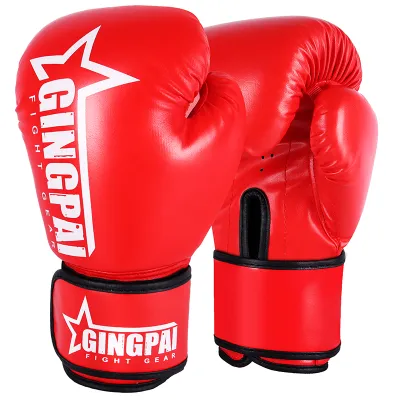
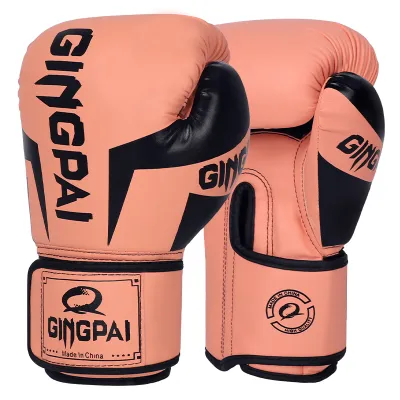
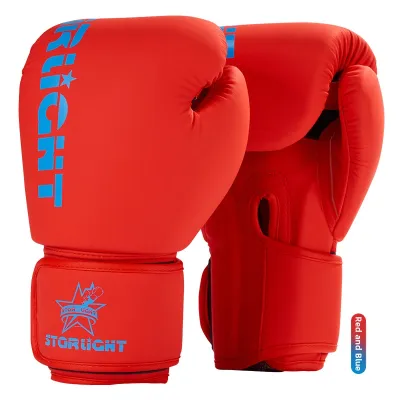
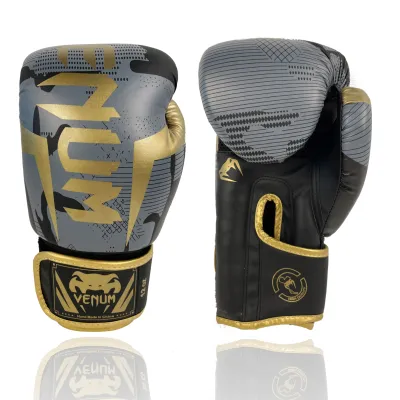
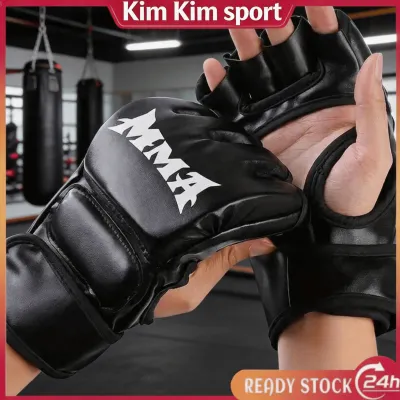
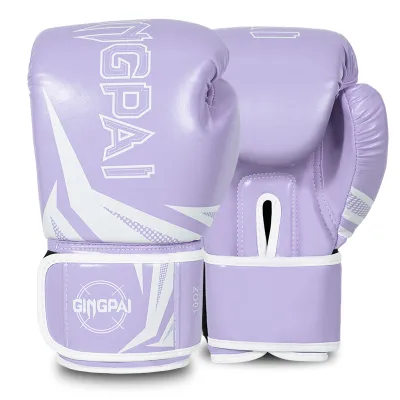
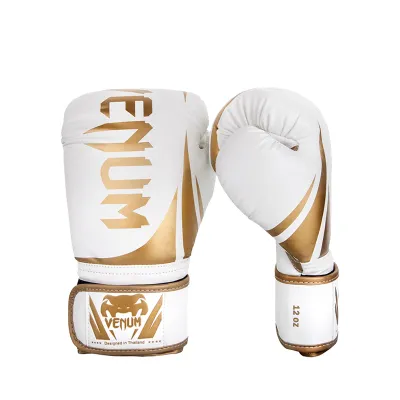
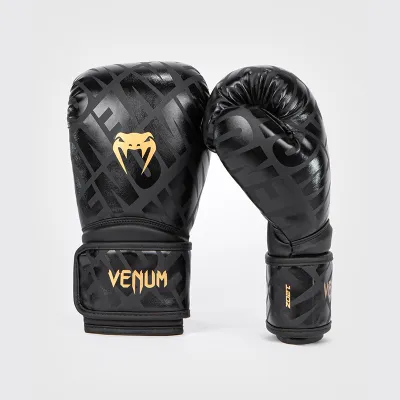
Prices are valid at publication and may change. Please refer to the product page for the latest price.
- Choose Training Gloves if you need one versatile, cost-effective pair for general workouts, focus mitts, and light bag use. This is the standard starting point for beginners and fitness enthusiasts who do not plan on heavy, competitive sparring.
- Choose Sparring Gloves if your routine involves regular partner sparring. These gloves feature extra, softer padding specifically engineered to disperse impact force, protecting both your hands and your training partner's face.
- Choose Bag Gloves if your primary focus is heavy bag work or double-end bag training. These gloves utilize dense, compact padding designed to absorb high-velocity impacts against hard surfaces without bottoming out.
As you advance in your boxing journey and your weekly training volume increases, relying on a single pair of gloves becomes impractical. Over time, serious practitioners naturally transition to owning multiple specialized pairs. This rotation not only ensures maximum safety for different drills but also dramatically extends the lifespan of each pair of gloves.
Understanding the Core Differences: Padding, Weight, and Design
While all boxing gloves share a similar external silhouette, their internal construction varies significantly. Manufacturers adjust the foam density, weight distribution, thumb positioning, and outer materials to optimize each glove for its intended task. Understanding these structural differences will help you appreciate why specialized gloves are necessary.
Training Gloves: The Versatile All-Rounders
Training gloves are designed as a hybrid solution, offering a balanced middle ground in padding volume, density, and weight distribution. They typically feature medium-density foam—often utilizing Injection Molded Foam (IMF) technology—which provides a consistent shape and a moderate level of shock absorption across the knuckles.
These gloves are highly versatile, making them the standard choice for everyday gym activities. They perform exceptionally well during focus mitt drills, light bag work, shadowboxing with light weights, and general cardiovascular conditioning classes. Because the padding is neither too soft nor too dense, they allow you to transition seamlessly from pad work to light technical drills without changing gear.
Key Characteristics of Training Gloves:
- Padding Density: Medium; balanced for shock absorption and durability.
- Weight Distribution: Evenly distributed across the hand and wrist.
- Primary Materials: Durable synthetic leather (such as polyurethane) or mid-grade genuine leather.
- Best For: Beginners, fitness boxing, pad work, and light bag training.
Sparring Gloves: Maximum Protection for You and Your Partner
Sparring gloves prioritize safety above all else, specifically focusing on minimizing the force transmitted to your training partner. They are constructed with softer, more voluminous padding—frequently utilizing layered foam systems that combine latex, memory foam, and low-density polyurethane. This thick, pillowy profile increases the surface area of the glove, which helps disperse impact energy over a wider zone.
These gloves are typically heavier than standard training gloves, with 16 ounces (oz) being the universal standard in most boxing gyms. The extra weight is concentrated around the knuckle area to provide maximum cushioning. This added mass also serves a secondary training purpose: it forces you to build shoulder endurance and encourages slower, more controlled, and highly technical punching during live rounds.
Key Characteristics of Sparring Gloves:
- Padding Density: Low to medium-low; soft and highly compressible.
- Weight Distribution: Concentrated heavily over the knuckles for impact dispersion.
- Primary Materials: Premium genuine leather or high-grade synthetic leather to withstand frequent friction.
- Best For: Live partner sparring, technical defense drills, and controlled mock fights.
Bag Gloves: Dense Padding for Heavy Bag Work
Bag gloves are built specifically to withstand the punishing impact of repeated strikes against dense, heavy training equipment. Unlike sparring gloves, they feature high-density, compact foam or gel-infused layers. This rigid padding structure is designed to prevent “bottoming out”—a dangerous occurrence where the foam compresses completely under force, leaving your bare knuckles to absorb the direct impact of the hard bag.
These gloves feature a thinner, more streamlined profile that allows you to feel the angle of your connection, providing valuable sensory feedback on your punching form. Because they are designed for solo equipment work, they prioritize protecting the user’s knuckles and stabilizing the wrist, with no regard for partner safety. Many traditional bag gloves also feature an open-thumb design or a minimalist wrist strap for quick transitions during circuit training.
Key Characteristics of Bag Gloves:
- Padding Density: High; rigid, dense, and resistant to compression.
- Weight Distribution: Compact and streamlined, keeping the hand close to the target.
- Primary Materials: Thick genuine leather or reinforced synthetic covers designed to resist high-friction wear.
- Best For: Heavy bags, water bags, double-end bags, and wall-mounted striking pads.
Key Comparison Dimensions for Your Training Goals
To determine which glove type aligns with your long-term athletic goals, you must evaluate how they compare across three critical dimensions: hand protection, partner safety, and structural durability.

Hand Protection and Knuckle Safety
Your hand contains 27 small bones that are highly susceptible to stress fractures and joint inflammation if subjected to repetitive, unabsorbed shock. Bag gloves provide the ultimate defense against solid, unforgiving surfaces by absorbing the peak force of your strikes and maintaining their structural integrity over hundreds of rounds. Training gloves offer adequate protection for moderate impact, but they may fall short during high-velocity power punching sessions on heavy, water-filled, or sand-filled bags.
Using sparring gloves on a heavy bag is a common mistake that can lead to severe hand injuries. Because sparring foam is soft and highly compressible, hitting a dense heavy bag will cause the padding to bottom out quickly. Over time, this constant compression destroys the internal foam cells, leaving your knuckles unprotected and significantly increasing your risk of wrist sprains, bruised knuckles, or carpal fractures.
Partner Safety and Sparring Etiquette
In boxing culture, gym etiquette and partner safety are paramount. Sparring gloves are non-negotiable for any form of live partner work because their soft, impact-dispersing foam prevents facial cuts, deep bruising, and concussions. Entering a sparring ring with dense bag gloves or poorly padded training gloves is considered highly disrespectful and dangerous, as the rigid foam acts like a solid block, causing unnecessary pain and injury to your partner.
While standard training gloves are acceptable for light, non-contact technical drills—such as practicing defensive slips or light shoulder-tapping games—they should never be used for hard or competitive sparring. If your coach schedules a live sparring session, you must wear dedicated sparring gloves, typically 16oz, to ensure a safe and productive training environment for everyone involved.
Wrist Support and Durability
Wrist alignment is critical to preventing hyperextension and maintaining punching power. While wrist support is heavily influenced by the closure system—with traditional lace-up gloves offering a highly customized, rigid fit and hook-and-loop (Velcro) straps offering convenience—bag gloves often incorporate specialized wrist-splinting technologies. These rigid internal structures help keep your wrist perfectly aligned even during off-center or poorly angled strikes on a heavy bag.
Durability profiles also vary widely across the three categories:
- Bag Gloves: Face extreme friction and heat on the striking surface. High-quality leather bag gloves are built to endure this abrasive wear, but their dense foam will eventually harden over years of use.
- Sparring Gloves: Maintain their soft, protective qualities for a long time if used exclusively on human targets. However, if they are misused on heavy bags, the delicate, layered foam will degrade within months, rendering them flat, stiff, and unsafe for sparring.
- Training Gloves: Offer moderate durability across all activities, but because they are used for everything, they tend to wear out faster overall due to constant, daily use.
How to Choose Based on Your Training Routine
Your current skill level, weekly training frequency, and specific workout environment should dictate your purchasing decision. Here is how to select the right gear based on your specific profile.
Beginners and General Fitness
If you are new to boxing or attend fitness-focused boxing classes, a high-quality pair of standard training gloves is your most practical and cost-effective option. As a beginner, you do not need highly specialized, expensive gear. Instead, you need a single, reliable pair of gloves that allows you to learn proper punching mechanics, build wrist strength, and participate in focus mitt drills or light bag work.
When shopping for your first pair, look for a middle-weight option—typically 12oz or 14oz—that offers a secure, wide hook-and-loop wrist strap. Ensure the glove interior has enough space to comfortably accommodate hand wraps, which are essential for protecting your wrists and knuckles. In the Philippines, entry-level synthetic training gloves generally range from ₱1,500 to ₱3,500, offering an accessible entry point without compromising basic safety features.
Selection Checklist for Beginners:
- Glove Type: Hook-and-loop training gloves.
- Recommended Weight: 12oz (for lighter frames) or 14oz (for average to larger frames).
- Key Feature: Wide, supportive wrist strap and comfortable thumb positioning.
- Budget Range: ₱1,500 to ₱3,500.
Intermediate to Advanced Boxers
Once you transition from basic fitness to active sparring and advanced technical drills, upgrading to a dedicated two-glove rotation becomes essential. Relying on a single pair of training gloves for both heavy bag work and live sparring compromises your safety and the safety of your training partners. Overused, compressed training foam will hurt your partners, while soft sparring gloves will quickly ruin your hands if used on the heavy bag.
At this stage, you should invest in a dedicated pair of 16oz sparring gloves (often required by gym rules regardless of your body weight) and a separate pair of 10oz or 12oz bag gloves or heavy-duty training gloves for equipment work. Rotating your gloves allows the internal foam of each pair to dry completely between sessions. In humid, tropical climates like the Philippines, this drying period is crucial for preventing mold growth, material rot, and foul odors, ultimately doubling the lifespan of your gear.
Selection Checklist for Intermediate/Advanced Boxers:
- Glove Rotation: One pair of 16oz sparring gloves + one pair of 12oz bag/training gloves.
- Sparring Glove Closure: Lace-up (for maximum wrist support, if you have a trainer to tie them) or dual-strap Velcro.
- Bag Glove Closure: Hook-and-loop for quick transitions between bag rounds and strength training.
- Budget Range: ₱4,000 to ₱10,000+ per pair for premium leather options.
Heavy Bag and Pad Work Specialists
If your training routine is focused entirely on solo workouts, heavy bag conditioning, and high-intensity interval training (HIIT) on the pads, you should prioritize specialized bag gloves. These gloves are engineered to handle the high-velocity impacts of power punching, allowing you to develop maximum striking force without risking chronic knuckle soreness or wrist fatigue.
To complement your heavy bag sessions, you can pair your bag gloves with a lightweight pair of training gloves (10oz or 12oz) for focus mitt work. The lighter training gloves will allow you to focus on hand speed, sharp accuracy, and rapid defensive movements while still receiving crisp, audible feedback from your coach’s pads. Keep in mind that dedicated bag gloves are completely unsuitable for partner sparring, so you must purchase a separate pair if you decide to introduce live sparring to your routine.
Selection Checklist for Bag Specialists:
- Primary Glove: High-density bag gloves with reinforced wrist support.
- Secondary Glove: Lightweight training gloves (10oz or 12oz) for focus mitts.
- Key Feature: Gel-infused padding or multi-layered dense foam to absorb high-impact shock.
- Budget Range: ₱3,000 to ₱6,000.
Common Mistakes to Avoid When Buying Boxing Gloves
To ensure you get the absolute best value from your purchase, avoid these common pitfalls that often lead to buyers buying the wrong gear, wasting money, or risking preventable injuries.
- Using Bag Gloves for Sparring: This is one of the most dangerous mistakes a boxer can make. The dense, rigid foam in bag gloves does not compress upon impact, meaning your partner will absorb the full, hard force of your punches. Doing this violates standard gym etiquette and can result in your coach banning you from the sparring ring.
- Using Sparring Gloves on the Heavy Bag: While it may feel comfortable to hit the heavy bag with soft, pillowy sparring gloves, doing so will quickly ruin your investment. The intense, repetitive impact against a hard bag compresses and breaks down the delicate, low-density foam, rendering the gloves flat and unsafe for future partner work.
- Ignoring Glove Weight and Hand Wrap Compatibility: Many buyers purchase gloves online without considering how they will fit with hand wraps. Always remember that hand wraps add significant bulk to your hands. If you buy gloves that fit tightly on your bare hands, they will likely be painfully restrictive once you wrap your hands, restricting blood circulation and causing hand cramping.
- Prioritizing Aesthetics Over Function: It is easy to be swayed by flashy colors, trendy brand logos, or sleek, slim-profile gloves. However, many of these aesthetically pleasing options lack adequate shock absorption, thumb protection, and wrist support. Always prioritize structural safety, padding quality, and wrist alignment over visual design.
- Buying Cheap, Poorly Constructed Gloves: Budget gloves priced under ₱1,000 are often made with low-grade synthetic leather and cheap, single-layer foam that degrades within a few weeks of consistent training. These gloves offer a false sense of security, fail to protect your wrists, and ultimately cost you more in the long run when you have to replace them due to rapid wear or injury.
Frequently Asked Questions (FAQ)
Can I use training gloves for sparring?
Yes, but only under very specific conditions. Standard training gloves are acceptable for light, technical drilling, flow sparring, or non-contact defensive work where punches are thrown at less than 50% power. However, they lack the thick, voluminous, and highly compressible padding required for hard or competitive sparring. For medium to high-intensity sparring, you must use dedicated sparring gloves—typically 16oz—to comply with standard gym safety rules and protect your partner from cuts, bruises, and concussions.
What size (oz) boxing gloves should I buy?
Your glove size should be determined by your body weight, hand circumference, and primary training activity. For solo heavy bag work and focus mitt training, lighter gloves weighing 10oz to 12oz are ideal because they allow you to focus on hand speed and proper technique. For general training and light partner drills, 14oz gloves offer a balanced option. For live partner sparring, almost all reputable boxing gyms mandate 16oz gloves to maximize safety, regardless of the boxer’s physical size or weight class.
How do I clean and maintain my boxing gloves?
To maximize the lifespan of your gloves and prevent foul odors, follow these low-risk maintenance steps after every training session:
- Wipe Down: Immediately after training, use a dry or slightly damp microfiber cloth to wipe away sweat, dirt, and oil from both the exterior and interior of the gloves.
- Air Dry: Open the gloves as wide as possible and place them in a well-ventilated, shaded indoor area to dry. Never leave them inside a closed gym bag, and avoid exposing them to direct sunlight or high heat sources (like hair dryers), which can crack and ruin synthetic or genuine leather.
- Moisture Absorption: Insert cedar chip glove dogs, silica gel packs, or specialized glove deodorizers into the hand compartments to absorb residual moisture and neutralize odor-causing bacteria.
- Avoid Water Submersion: Never submerge your boxing gloves in water or wash them in a washing machine, as soaking will permanently ruin the internal foam structure and rot the stitching.
Community discussion
Share your experience or ask a question. Comments are reviewed before publication.