
Choosing the right indoor cardio equipment is a major step toward building a sustainable home fitness routine, especially when tropical downpours or intense midday heat make outdoor exercise impractical. If you are deciding between a thread mill exercise machine, a stationary spin bike, or a rowing machine, there is no single option that suits every household. Each machine utilizes distinct biomechanical movements, targets different muscle groups, and places unique demands on your living space.
The ideal choice depends on your physical joint health, the floor space available in your home, local noise restrictions, and your specific fitness objectives. A treadmill offers a familiar, weight-bearing workout that mimics natural walking or running, while a spin bike provides a highly concentrated, low-impact lower-body session. Meanwhile, a rowing machine delivers a comprehensive full-body workout that engages both the upper and lower muscle groups simultaneously. Understanding these fundamental differences will help you invest in the machine you will actually use.
Core Differences in Workout Impact and Muscle Engagement
Treadmills provide a weight-bearing workout, which is highly beneficial for stimulating bone density and strengthening the supportive tissues of the lower body. Because you are working against gravity, running or walking on a treadmill closely mirrors outdoor movement. However, this weight-bearing nature also means your ankles, knees, and lower back absorb a significant amount of impact with every footstrike. While modern deck cushioning systems help mitigate this force, individuals with joint sensitivity may find prolonged running uncomfortable. The primary muscular focus remains on the quadriceps, hamstrings, calves, and glutes.
Products mentioned in this guide
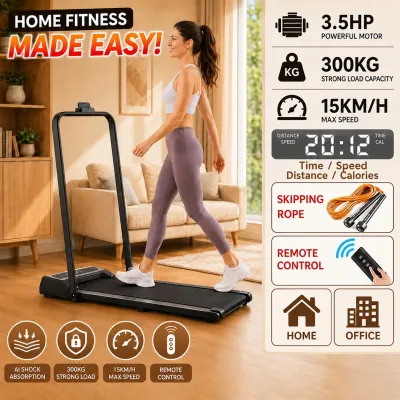
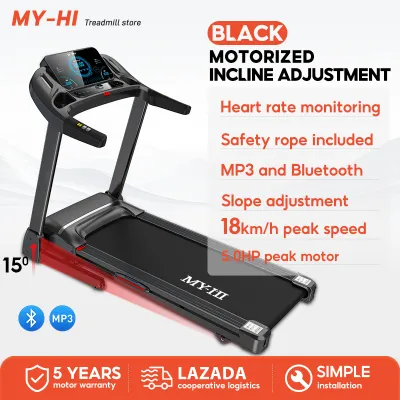
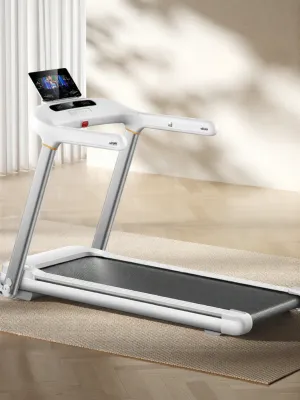
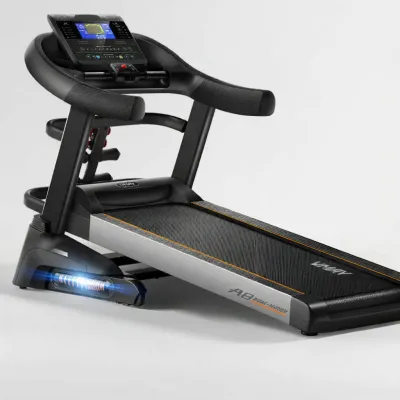
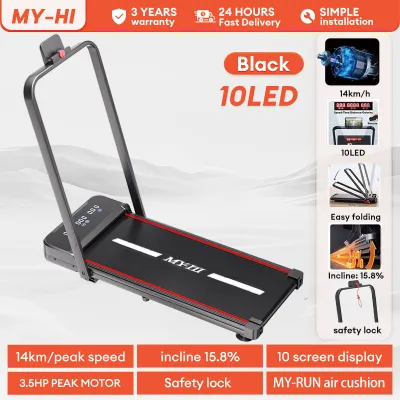
![[COD] Foldable Manual Home Treadmill with Adjustable Slope LED Display Anti-Slip Running Belt Free Twist Disc & Resistance Rope Space Saving Walking Machine for Home Fitness Exercise](https://img.lazcdn.com/g/p/1446617c7dcf63717d1a1640b68a647e.jpg_400x400q80.jpg_.webp)
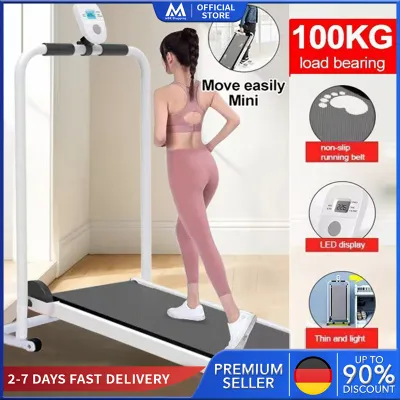
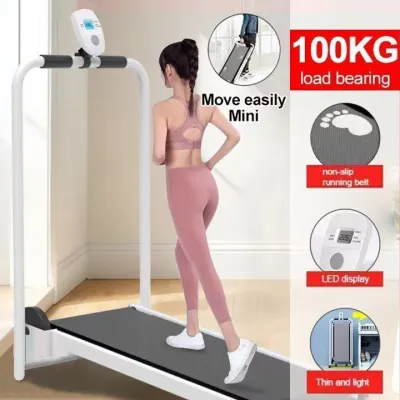
Prices are valid at publication and may change. Please refer to the product page for the latest price.
Spin bikes offer a non-weight-bearing, low-impact alternative that is exceptionally gentle on the joints. Because your feet remain securely clipped or strapped into the pedals, there is no jarring impact on your knees or ankles. This makes indoor cycling an excellent option for cardiovascular conditioning, lower-body endurance, and active recovery. The workout primarily targets the quadriceps, hamstrings, and calves, while also requiring continuous core stabilization to maintain proper riding posture, especially when standing out of the saddle.
Rowing machines stand out by offering a true full-body workout that distributes effort across both the upper and lower body. A proper rowing stroke utilizes lower-body power, core stabilization, and upper-body pulling force in a coordinated sequence. This low-impact, fluid motion engages your legs, glutes, core, back, shoulders, and arms in a single movement. However, because rowing involves a repetitive hinging motion at the hips, maintaining strict form is essential to prevent lower back strain.
Space, Noise, and Home Environment Constraints
Before purchasing any heavy fitness equipment, you must carefully evaluate your physical living environment, particularly if you reside in a multi-story home or a condominium. A thread mill exercise machine typically demands the largest permanent footprint. Even models designed with folding decks require substantial floor space when in use, along with clear safety zones behind and beside the machine. Additionally, you must consider ceiling height, as walking or running on an incline raises your head significantly closer to the ceiling.

Spin bikes are highly compact and easily fit into tight corners, balconies, or small study rooms. Their stationary nature means they do not require extensive clearance zones around them. Rowing machines occupy a long, narrow footprint during workouts, which can easily crowd smaller living areas. However, many modern rowers are designed to be stored vertically against a wall when not in use, making them surprisingly convenient for homes with limited floor space but adequate ceiling height.
Noise and structural vibrations are critical factors, especially in shared residential buildings where downstairs neighbors are easily disturbed. Treadmills generate the highest level of noise and structural vibration due to the combination of the internal motor and the physical impact of your feet hitting the deck. Spin bikes equipped with magnetic resistance are virtually silent, making them ideal for late-night or early-morning workouts. Rowing machines vary; magnetic rowers operate quietly, whereas air rowers produce a steady whirring sound from the flywheel, and water rowers emit a distinct sloshing noise that some find therapeutic but others may find distracting.
In tropical climates like the Philippines, high humidity can accelerate the wear of electronic components and metal frames. It is wise to position your equipment in a well-ventilated room or near an air conditioning unit to prevent sweat buildup and moisture damage. Always check your building’s structural weight limits and condominium guidelines regarding the delivery and operation of heavy fitness machinery before making a purchase.
Matching Equipment to Your Fitness Goals and Routine
Your choice of equipment should directly align with how you prefer to train and what you hope to achieve. When it comes to calorie expenditure, it is important to recognize that no single machine inherently burns more energy than another. Instead, calorie burn is a direct function of your heart rate, exertion level, and workout duration. To track this accurately, look for machines with built-in heart rate monitors or compatibility with external wearable chest straps and fitness smartwatches.
The variety of training styles differs significantly across these three platforms. Treadmills are highly versatile for functional daily movement, allowing you to transition from steady-state walking to steep incline climbs or high-speed running intervals. Spin bikes are perfect for high-intensity interval training (HIIT), rhythm riding, and cadence-focused endurance drills. Rowing machines excel at building cardiovascular endurance while simultaneously developing muscular power, offering a unique blend of strength and aerobic conditioning.
The learning curve is another practical consideration that affects long-term consistency. Treadmills and spin bikes are highly intuitive, requiring virtually no technical training to use safely and effectively. Anyone can step onto a treadmill or sit on a bike and begin exercising immediately. In contrast, rowing machines require a dedicated period of technical skill acquisition. Learning the correct sequence of the catch, drive, finish, and recovery is vital not only for maximizing workout efficiency but also for protecting your spine from repetitive strain.
Key Specifications to Verify Before Buying
To ensure your chosen machine is durable and safe, you must verify several critical specifications before finalizing your purchase. For a thread mill exercise machine, pay close attention to the continuous duty horsepower (CHP) of the motor rather than the peak horsepower; look for a motor rated at 2.5 CHP or higher if you plan to run regularly. Additionally, verify the running belt dimensions, ensuring it is wide and long enough to accommodate a natural running stride. Check the maximum user weight capacity and the quality of the deck cushioning system to protect your joints.
When evaluating spin bikes, check whether the resistance system is magnetic or friction-based. Magnetic resistance is highly recommended for home use because it requires virtually no maintenance and operates silently. Verify the adjustability of both the seat and the handlebars, ensuring they adjust both vertically and horizontally to accommodate your body proportions. You should also check the Q-factor, which is the distance between the pedals; a narrower Q-factor more closely mimics the natural alignment of your hips and knees during outdoor cycling.
For rowing machines, decide on the resistance type that fits your preferences: water rowers provide a natural feel and sound, air rowers offer dynamic resistance that responds to your pulling speed, and magnetic rowers provide silent, adjustable resistance levels. Ensure the monorail length is long enough to allow your legs to extend fully without hitting the rear stopper, especially if you are taller. Always verify the maximum weight capacity of the frame and the seat rail assembly.
Regardless of the machine type, always check the warranty terms and the availability of local after-sales service networks in your area. Shipping heavy replacement parts can be incredibly costly, so having access to local technicians is invaluable. Factor in potential delivery fees or assembly charges in ₱ when planning your budget. Finally, verify whether the machine’s console allows you to access basic manual modes and built-in workout programs without requiring a mandatory, paid third-party app subscription.
Decision Framework: Which Machine Fits Your Lifestyle?
To make your final decision, consider which set of conditions best matches your daily life and physical needs.
Choose a treadmill if you prefer natural walking or running mechanics, want to build bone density through weight-bearing exercise, and have a dedicated ground-floor space or a well-soundproofed room that can accommodate a larger, heavier machine.
Choose a spin bike if you need a highly compact, low-impact option that fits easily into a small room or condominium, require near-silent operation for early morning or late-night workouts, and enjoy high-intensity interval training.
Choose a rowing machine if you want a highly efficient, low-impact workout that engages your entire body in a single session, have the ceiling height to store the machine vertically, and are willing to spend time mastering proper rowing technique.
Before purchasing, always verify your physical readiness if you have pre-existing joint injuries, measure your designated floor space carefully, and check the subscription requirements of any smart console features.
Frequently Asked Questions (FAQ)
Is a treadmill or spin bike better for knee pain?
For individuals experiencing knee pain, a spin bike is generally more suitable than a treadmill because it offers a low-impact, non-weight-bearing workout. The circular pedaling motion keeps the joints moving smoothly without the repetitive, jarring impact associated with running or walking on a treadmill. However, because individual biomechanics, joint health, and the underlying causes of knee pain vary greatly, it is essential to consult a doctor or a physical therapist before starting any new exercise regimen.
Can I use these machines without a paid app subscription?
Yes, the vast majority of home cardio machines can be operated without a paid app subscription. Most manufacturers include a basic manual mode or a selection of pre-programmed workouts directly on the console that do not require an internet connection or a monthly fee. However, some modern smart machines are designed with screens that heavily prioritize proprietary software. To avoid unexpected costs, always check the product manual or verify with the manufacturer before purchasing to ensure the machine’s core functions remain fully accessible without an active subscription.
Community discussion
Share your experience or ask a question. Comments are reviewed before publication.