
Selecting the ideal exercise equipment at home requires balancing your personal fitness goals with the practical realities of your living space. There is no single machine that outperforms the others for every household; instead, the right choice depends on your joint health, available floor area, and noise tolerance.
A treadmill is excellent if you want to replicate natural, weight-bearing movements like walking or running, which are fundamental for daily functional fitness. A spin bike offers a compact, low-impact, high-intensity cardiovascular workout that protects sensitive joints while pushing your endurance. A rowing machine provides a highly efficient, full-body workout that engages both your upper and lower body simultaneously from a seated, non-weight-bearing position. By analyzing how each machine operates and fits into a typical household, you can make an informed investment that supports a consistent, long-term fitness routine.
Core Differences in Workout Impact and Muscle Engagement
Each type of exercise equipment at home targets different muscle groups and subjects your skeletal system to varying levels of physical stress. Understanding these biomechanical differences is crucial for selecting a machine that aligns with your physical capabilities and long-term health goals.
Products mentioned in this guide
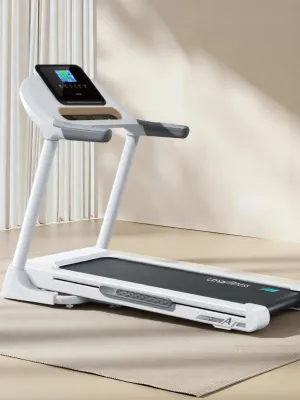
Prices are valid at publication and may change. Please refer to the product page for the latest price.
Treadmills offer a weight-bearing workout that closely mimics natural human locomotion. This weight-bearing nature is highly beneficial for stimulating bone density and strengthening the supportive muscles of your feet, ankles, calves, and hips. However, running or even brisk walking on a treadmill generates significant impact forces. Every foot strike sends a shockwave up through your ankles, knees, and lower back. While modern treadmills feature deck cushioning to absorb some of this impact, they still present a higher risk of joint strain compared to stationary options, making them less suitable for individuals recovering from joint injuries or managing chronic joint pain.
Spin bikes provide a highly effective cardiovascular workout with virtually zero joint impact. Because your feet remain securely in the pedals and your body weight is supported by the saddle and handlebars, your knees and ankles are spared from repetitive impact forces. This makes the spin bike an exceptional alternative for users with joint sensitivities, lower back issues, or those carrying excess body weight. The muscular focus of a spin bike is heavily concentrated on the lower body, specifically targeting the quadriceps, hamstrings, glutes, and calves. While it offers excellent cardiovascular conditioning, it provides minimal engagement for the upper body and core unless you actively stand up on the pedals during high-resistance climbs.
Rowing machines stand out for their comprehensive full-body engagement, utilizing a vast majority of your body’s muscles in every complete stroke. The rowing motion is divided into distinct phases that require coordinated effort from your legs, core, back, and arms. You initiate the movement with a powerful leg drive, transition the force through a stabilized core, and finish with a strong pull from your upper back and arms. Because rowing is performed in a seated, non-weight-bearing position, it delivers this intense full-body workout with minimal stress on your lower-body joints. This unique combination of strength training and cardiovascular conditioning makes the rowing machine highly efficient, though it does require proper technique to prevent lower back strain.
Space, Noise, and Living Situation Constraints
Before purchasing exercise equipment at home, you must carefully evaluate your physical living environment. In many Philippine homes, especially condominiums, townhouses, or multi-story residences, space is at a premium, and noise transmission can quickly become a source of friction with neighbors or family members.

The physical footprint and storage capabilities of each machine vary widely. Treadmills generally require the largest operational footprint, demanding a wide, long, and completely flat surface. While many home treadmills feature folding decks that lift upward when not in use, they still occupy significant visual and physical space even when folded. Spin bikes are highly compact, occupying a relatively small rectangular footprint that can easily tuck into a corner of a bedroom or living room. They rarely fold, but their small size makes folding unnecessary for most spaces. Rowing machines have a long, narrow footprint. While they require substantial longitudinal clearance during use to accommodate the sliding seat rail, many models are designed to be stored vertically, standing upright against a wall to occupy very little floor space when idle.
Noise and structural vibration are critical factors in shared living spaces. Treadmills are inherently the loudest of the three options. The sound of a motor running combined with the repetitive, heavy thud of your feet striking the deck creates low-frequency vibrations that easily travel through concrete slabs or wooden floors. In tropical climates where windows are often kept open for ventilation, this noise can also carry to adjacent homes. Spin bikes are remarkably quiet, especially those utilizing magnetic resistance and belt drives, which emit only a faint, consistent hum. Rowing machines vary by resistance type; water-resistance rowers produce a soothing sloshing sound, air rowers generate a noticeable wind whoosh, and magnetic rowers operate almost silently.
Clearance requirements extend beyond mere floor space. For a treadmill, you must account for ceiling height, particularly if the machine features an incline function that raises your body several inches higher than the base deck. You also need to maintain a safety clearance zone behind the treadmill in case of slips. For a rowing machine, you must ensure there is enough clearance on either side to prevent your elbows or the handle from striking nearby furniture, as well as sufficient length for the full extension of your legs and torso.
Budget and Long-Term Maintenance Considerations
Investing in exercise equipment at home involves both an upfront financial commitment and ongoing maintenance to protect your investment, especially in humid, tropical environments where moisture can accelerate wear and rust.
Price tiers for home fitness equipment generally reflect frame stability, material quality, and console sophistication. Entry-level options in the Philippine market, often priced at lower ₱ tiers, typically feature basic steel frames, manual adjustments, and simple LCD monitors that track basic metrics like time and distance. Mid-range investments offer a substantial step up in durability, featuring heavier frames that reduce wobbling, smoother resistance mechanisms, and consoles that may connect to fitness applications via Bluetooth. Premium tiers represent commercial-grade durability, advanced interactive touchscreens, automated resistance adjustments, and comprehensive warranty coverage. When budgeting, prioritize structural integrity and smooth mechanical operation over flashy console screens, as tablet mounts can easily substitute for built-in displays.
Maintenance requirements differ significantly across the three machines. Treadmills are mechanically complex and require regular upkeep. You must periodically lubricate the underside of the running belt with silicone oil to reduce friction against the deck, check and adjust belt tension to prevent slipping, and vacuum the motor compartment to remove dust and pet hair. Spin bikes require less intensive maintenance, but you must regularly wipe down the frame to remove corrosive sweat, check the tightness of the pedals and crank arms, and inspect the brake pads or magnetic assembly for wear. Rowing machines require you to keep the seat rail clean and free of debris to ensure a smooth glide, inspect the pulling strap or chain for fraying, and occasionally treat the water tank with purifying tablets if you own a water-resistance model.
Power requirements are another practical consideration. Most motorized treadmills require a dedicated, grounded electrical outlet and draw significant current, which can impact your monthly utility bills and require careful placement near power sources. In contrast, many spin bikes and rowing machines utilize manual adjustment knobs or magnetic resistance systems powered by small batteries or the user’s own pedaling and pulling motion, allowing you to place them anywhere without worrying about cord management or power outages.
Decision Matrix: Which Machine Fits Your Routine?
To finalize your decision, match your personal physical profile, lifestyle, and household constraints against the specific characteristics of each machine.
Choose a treadmill if you naturally enjoy walking, jogging, or running, and your primary goal is to train for outdoor road races or maintain functional, upright mobility. This option is ideal if you have healthy joints, a spacious room with high ceilings, and live on a ground floor or in a single-family home where the noise of footfalls will not disturb others. It is also the most intuitive machine to use, requiring no specialized athletic technique to get started.
Choose a spin bike if you want a space-saving, highly efficient cardio machine that allows you to perform high-intensity interval training (HIIT) without subjecting your joints to harsh impacts. This is a highly practical choice for apartment dwellers, those living in multi-story homes, or individuals who need to exercise quietly while family members sleep. It is highly suitable for users recovering from lower-body joint issues or those who prefer a structured, rhythm-based cycling workout.
Choose a rowing machine if you want to maximize your workout efficiency by targeting both strength and cardiovascular endurance in a single, low-impact session. This machine is highly suitable if you have a long, narrow space to accommodate the rail but need the ability to store the equipment vertically when not in use. It is highly suited for individuals who want to strengthen their posterior chain—including the upper back, glutes, and hamstrings—to counteract the physical toll of sitting at a desk all day.
Verify first with a qualified healthcare professional or physical therapist if you have pre-existing medical conditions, chronic joint pain, severe lower back issues, or balance concerns. Equipment cannot replace professional medical guidance, and starting an intense home exercise program on the wrong machine can exacerbate existing physical vulnerabilities.
What to Verify Before You Buy
Before finalizing your purchase of exercise equipment at home, you must verify several critical manufacturer specifications to ensure safety, compatibility, and long-term support.
First, check the maximum weight capacity and user height limits specified by the manufacturer. Home fitness equipment must be structurally rated to handle your body weight safely; operating a machine near or over its limit compromises stability and accelerates mechanical wear. For treadmills and rowers, also verify that the belt length or rail length is sufficient for your stride or leg length, especially if you are taller than average.
Second, investigate the warranty terms and the availability of local service. In the Philippines, high humidity can affect electronic consoles and motorized components over time. Ensure the manufacturer or local distributor offers a clear warranty on the frame, motor, and electronics. Confirm whether they have local repair technicians who can service the machine at your home or if you would be responsible for transporting a heavy piece of equipment to a service center.
Third, review the trial and return policies of the retailer. Whenever possible, visit a physical showroom to test the specific model or a similar machine. Pay close attention to how the movement feels on your joints, the noise level during operation, and the ease of adjusting the settings. If purchasing online, verify the return window and any associated restocking or shipping fees in case the equipment does not fit your physical needs.
Frequently Asked Questions (FAQ)
Can I lose weight faster on a treadmill compared to a spin bike or rowing machine?
Weight loss is primarily determined by achieving a consistent caloric deficit, which depends on your overall energy expenditure, workout duration, and consistency rather than the specific machine you use. Any of these machines can support weight loss if you maintain an elevated heart rate and exercise regularly. Rather than relying on the calorie-burn estimates displayed on equipment consoles—which are often generalized calculations—focus on your rate of perceived exertion or use a personal heart rate monitor to track your actual effort. Choose the machine you enjoy using most, as consistency is the most critical factor in long-term weight management.
Is a manual treadmill a good alternative to a motorized one for small apartments?
A manual treadmill can be a space-saving alternative because it lacks a heavy motor, requires no electrical power, and often folds into a more compact shape. However, it requires significantly more physical effort to initiate and maintain the movement of the belt, which is driven entirely by your feet. This can alter your natural running mechanics and place additional strain on your calves and Achilles tendons. If you prefer a natural running gait or have joint sensitivities, a motorized treadmill or a compact spin bike may provide a more comfortable and biomechanically sound workout experience in a small space.

Community discussion
Share your experience or ask a question. Comments are reviewed before publication.