
Quick Answer: Which Home Cardio Machine Fits Your Needs?
Selecting the right home cardio fitness equipment depends on your personal fitness goals, physical limitations, and available living space. Each machine offers distinct advantages tailored to different training styles and home environments.
- Treadmill: Best for individuals who want to replicate natural walking or running mechanics. It provides essential weight-bearing exercise that supports bone density and joint strength over time.
- Spin Bike: Best for low-impact, high-intensity cardiovascular workouts. Its compact footprint makes it ideal for smaller living spaces, while adjustable resistance allows for targeted lower-body conditioning.
- Rowing Machine: Best for comprehensive, full-body muscle engagement. It combines cardiovascular training with resistance work, engaging both the upper and lower body while promoting better posture.
Workout Effectiveness and Muscle Engagement
Understanding how each machine targets your muscles helps you align your purchase with your specific physical conditioning goals. The biomechanics of running, cycling, and rowing recruit different muscle groups and demand varying levels of energy expenditure.

Treadmills and Weight-Bearing Conditioning
Treadmills excel at functional, real-world movement patterns. When you walk or run, you engage your entire lower body, including your calves, hamstrings, quadriceps, and glutes. Because you are moving your own body weight against gravity, treadmills stimulate bone remodeling, which is vital for long-term skeletal health.
Products mentioned in this guide
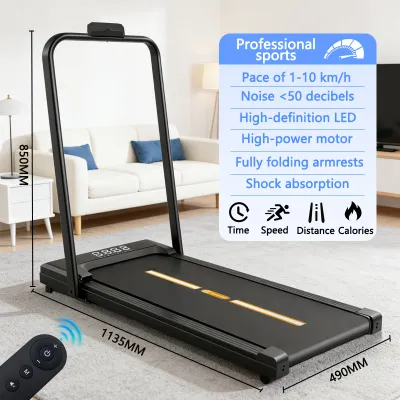
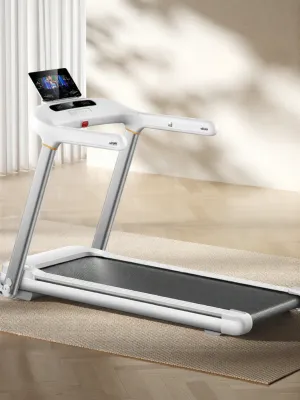
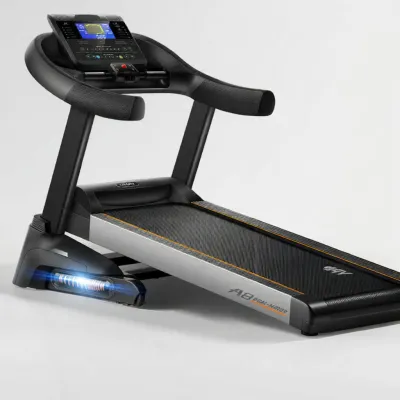
Prices are valid at publication and may change. Please refer to the product page for the latest price.
Adjusting the incline on a treadmill significantly alters muscle recruitment. Raising the deck shifts the workload to your posterior chain, placing greater emphasis on your glutes and hamstrings while reducing the impact forces on your knees. This makes incline walking an exceptionally efficient way to build cardiovascular endurance and lower-body strength simultaneously.
Spin Bikes and Lower-Body Power
Spin bikes isolate the lower body to deliver high-intensity cardiovascular training. The pedaling motion primarily targets your quadriceps, hamstrings, and glutes. By adjusting the resistance dial, you can transition from high-cadence cardiovascular intervals to heavy, strength-focused climbs that build muscular endurance in your legs.
While cycling is not a full-body workout, it allows you to push your cardiovascular limits with minimal upper-body fatigue. This isolation makes it easier to maintain a high heart rate for extended periods, making the spin bike an excellent tool for targeted aerobic conditioning and lower-body power development.
Rowing Machines and Full-Body Integration
Rowing machines offer a true full-body workout, engaging roughly 86% of your muscles in every stroke. A proper rowing stroke is initiated by a powerful leg drive, followed by core stabilization, and completed with an upper-body pull. This sequence targets your legs, glutes, core, upper back, shoulders, and arms in a single, fluid motion.
Because rowing combines cardiovascular demand with muscular resistance, it is highly effective for building muscular endurance across your entire body. The continuous engagement of the posterior chain—specifically the upper back and rear shoulders—helps counteract the forward-slumping posture associated with prolonged desk work.
Joint Impact and Physical Limitations
Your joint health and injury history should heavily influence your choice of home cardio fitness equipment. Selecting a machine that accommodates your physical limitations ensures your workout routine remains sustainable and pain-free.
Managing Impact on the Treadmill
Running on a treadmill subjects your joints to repetitive ground reaction forces. Each footstrike transmits impact through your ankles, knees, hips, and lower back. While modern treadmill decks feature built-in cushioning to absorb some of this shock, running may still aggravate pre-existing joint issues or chronic pain.
To manage this impact, you can modify your training style. Walking at a steep incline provides a high-intensity cardiovascular challenge comparable to running, but with a fraction of the joint stress. If you have a history of joint vulnerability, prioritizing walking or incline work is a safer, more sustainable approach.
The Low-Impact Advantage of Spin Bikes
Spin bikes offer a closed kinetic chain exercise, meaning your feet remain securely clipped or strapped into the pedals throughout the entire movement. This design eliminates the jarring impact forces associated with running, making indoor cycling exceptionally gentle on the joints.
This low-impact nature makes spin bikes an ideal choice for active recovery, joint rehabilitation, or individuals managing osteoarthritis. However, proper bike setup is critical. An incorrect seat height or fore-aft position can introduce unwanted strain on your kneecaps, so verifying your alignment before riding is essential.
Form-Dependent Impact on Rowing Machines
Rowing is a low-impact, non-weight-bearing activity that protects your lower-body joints from repetitive pounding. Because you are seated, your knees and ankles experience minimal stress during the stroke. This makes rowing highly accessible for individuals recovering from lower-extremity injuries.
However, rowing demands strict adherence to proper form to protect your lower back. If you round your spine during the drive or finish phases, you place significant shear stress on your lumbar region. If you have a history of chronic back pain or spinal issues, it is crucial to verify your physical readiness with a healthcare professional before adopting a rowing routine.
Space, Storage, and Noise Constraints
Integrating fitness equipment into your home requires a realistic assessment of your physical environment. Noise levels, floor space, and storage capabilities vary significantly among these three machines.
Treadmill Footprint and Structural Noise
Treadmills generally require the largest dedicated footprint of any home cardio machine. When planning your layout, you must account for both the physical dimensions of the deck and the safety clearance behind it. Additionally, you must verify your ceiling height, as using the incline feature raises your standing height by several inches.
Noise is another critical factor. Treadmills generate both motor noise and structural vibration from your footstrikes. In multi-story homes or apartments, this impact noise can easily travel through the floor. Placing a thick, high-density equipment mat beneath the treadmill is highly recommended to help dampen these vibrations.
Compact and Quiet Spin Bikes
Spin bikes are the most space-efficient option among the three, making them highly suitable for compact living areas or bedroom corners. Their heavy flywheels and compact frames require minimal floor space, allowing you to set them up easily without disrupting your room layout.
In terms of noise, spin bikes are exceptionally quiet, particularly models equipped with magnetic resistance. Unlike friction-based resistance, magnetic systems adjust difficulty without physical contact, resulting in a virtually silent ride. This quiet operation allows you to train early in the morning or late at night without disturbing others.
Rowing Machine Length and Storage Versatility
Rowing machines have a long, narrow footprint that requires significant horizontal space during use. You will need a clear path of at least eight feet to accommodate the slide rail and allow for a full range of motion. This length can make rowers challenging to use in tight or crowded rooms.
However, many rowing machines offer excellent storage versatility. Many models are designed to fold in half or stand vertically against a wall when not in use, reducing their storage footprint to that of a standard chair. Keep in mind that water-resistance and air-resistance rowers are naturally louder than magnetic models, producing a distinct swooshing or whirring sound during workouts.
Budgeting and Long-Term Maintenance
Investing in home cardio fitness equipment involves evaluating both the initial purchase price and the ongoing maintenance required to keep the machine operating safely and smoothly.
Evaluating Quality and Features
When comparing equipment tiers, focus on structural integrity and mechanical reliability rather than digital screens alone. For treadmills, prioritize motor horsepower and deck cushioning. For spin bikes, look for a heavy flywheel and a sturdy steel frame. For rowing machines, evaluate the smoothness of the slide rail and the durability of the pull strap or chain.
While premium models often feature large touchscreen displays and integrated coaching platforms, entry-level machines with manual controls can be just as effective for physical conditioning. Choose a machine that prioritizes robust mechanical components within your budget, as these parts bear the brunt of your daily workouts.
Essential Maintenance for Longevity
To protect your investment, you must perform regular maintenance tailored to your specific machine. In tropical climates like the Philippines, high humidity and sweat accumulation can accelerate rust and component wear, making routine care even more critical.
- Treadmills: Require regular belt lubrication with 100% silicone oil to reduce friction on the motor. You must also periodically check the belt tension and vacuum dust from under the motor cover.
- Spin Bikes: Demand routine checks of the pedal tightness and seat adjustment knobs. If your bike uses a chain drive, it requires periodic lubrication; belt drives should be inspected for wear.
- Rowing Machines: Require you to wipe down the slide rail daily to prevent dust from damaging the roller wheels. Water-resistance models need periodic purification tablets added to the tank to prevent algae growth.
Verifying Your Purchase
Before finalizing your decision, verify current pricing, warranty terms, and after-sales support through official brand stores or authorized sports retailers in the Philippines. Ensure that replacement parts and local technician services are accessible, as shipping heavy components for repairs can be costly and inconvenient.
Final Decision Framework: Making Your Choice
To make your final decision, evaluate your primary fitness goals, physical needs, and home environment against this practical checklist.
Choose a Treadmill if:
- Your primary goal is to train for outdoor running events or maintain natural walking mechanics.
- You want to prioritize weight-bearing exercise to support bone density and joint strength.
- You have a dedicated workout space with adequate ceiling height and floor load capacity.
- You can manage or mitigate the impact forces of running through incline walking or cushioned decks.
Choose a Spin Bike if:
- You need a highly compact machine that fits easily into a small room or apartment.
- You require a low-impact workout that protects your knees, hips, and ankles from impact stress.
- You prioritize near-silent operation to avoid disturbing family members or neighbors.
- You want to focus on high-intensity interval training and lower-body muscular endurance.
Choose a Rowing Machine if:
- You want a highly efficient, full-body workout that engages both your upper and lower body.
- You want to strengthen your posterior chain and improve your daily posture.
- You have the necessary floor length for workouts but appreciate the ability to store the machine vertically.
- You can maintain strict, disciplined rowing form to protect your lower back from strain.
Verify First
If you are managing chronic joint pain, recovering from a recent injury, or have a history of spinal discomfort, consult a physical therapist or physician before purchasing any home cardio fitness equipment. A professional can help you identify which movement patterns are safest for your body, ensuring your home workouts support your long-term health and mobility.
Frequently Asked Questions (FAQ)
Can I lose weight faster on a treadmill or a rowing machine?
Your rate of weight loss depends on your total energy expenditure, which is determined by your workout intensity, duration, and consistency rather than the machine itself. A rowing machine engages more muscle groups simultaneously, which can result in a higher calorie burn per minute at high intensities. However, a treadmill allows many users to sustain steady-state cardio for longer durations with less localized muscle fatigue. Choosing the machine you enjoy most will ultimately lead to the consistency required for long-term weight management.
Is a spin bike better than a treadmill for apartment living?
Yes, a spin bike is generally much better suited for apartment living than a treadmill. Spin bikes have a significantly smaller footprint, making them easier to place in tight spaces. Mechanically, spin bikes operate with minimal noise and virtually no structural vibration, especially models that utilize magnetic resistance. Treadmills, by contrast, generate noticeable motor noise and significant impact vibrations from footstrikes that can easily travel through floors and disturb neighbors below. If you do choose a treadmill for an apartment, using a thick equipment mat and focusing on walking or incline workouts can help minimize noise transmission.

Community discussion
Share your experience or ask a question. Comments are reviewed before publication.