
Choosing the right home cardio equipment depends on your physical space, fitness goals, joint health, and how much time you are willing to dedicate to maintenance. While treadmills, spin bikes, and rowing machines all deliver excellent cardiovascular workouts, they engage your body in fundamentally different ways. The ideal choice is not the machine that promises the highest theoretical calorie burn, but the one you will consistently use without causing injury or disrupting your household.
Understanding the Workout Profiles
Treadmills replicate natural human locomotion—walking, jogging, or running. This is a weight-bearing exercise, meaning your bones and muscles work against gravity to support your body weight. This action engages your entire lower body, including your glutes, hamstrings, quadriceps, and calves, while requiring continuous core stabilization to maintain an upright posture.
Spin bikes offer a seated, low-impact cycling experience. By transferring your body weight to the saddle, you isolate the lower body—specifically the quadriceps, hamstrings, and calves—without placing heavy stress on your skeletal system. The movement is cyclical and controlled, allowing you to adjust resistance to simulate flat roads or steep climbs.
Products mentioned in this guide
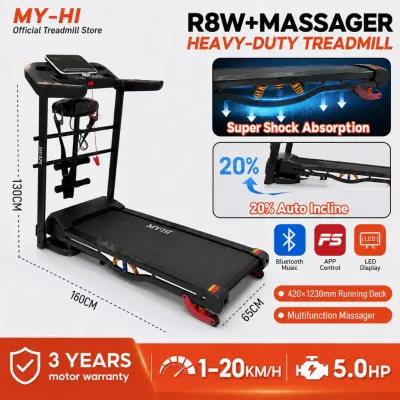
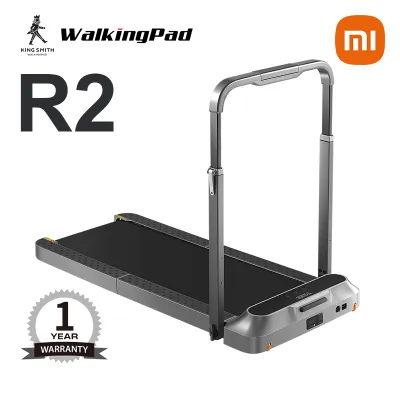
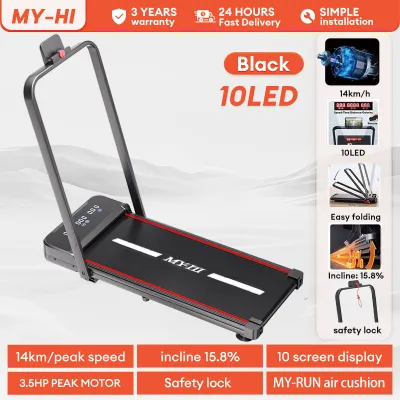
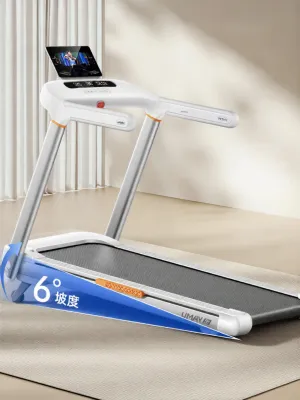
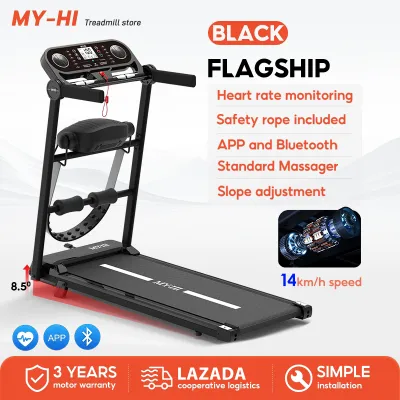
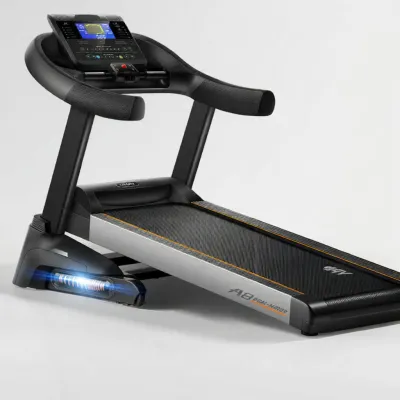
Prices are valid at publication and may change. Please refer to the product page for the latest price.
Rowing machines require a coordinated, full-body pulling motion that utilizes a sliding seat. Unlike running or cycling, rowing is a non-weight-bearing, horizontal exercise that engages roughly 86 percent of your muscles. Each stroke begins with a powerful leg drive, transitions through core stabilization, and finishes with a strong pull from the upper back, shoulders, and arms. This makes it an exceptional tool for simultaneous cardiovascular conditioning and muscular endurance.
Comparing Key Performance and Comfort Factors
Calorie expenditure is often a primary motivator, but actual burn rates depend heavily on individual effort, resistance levels, and workout duration. Treadmills allow for high energy expenditure because you are moving your entire body weight against gravity, especially when utilizing incline features. Spin bikes can match this intensity during high-energy interval sessions, though the seated position naturally reduces the overall muscle mass actively engaged at any one time. Rowing machines offer highly efficient calorie burn because they recruit both the upper and lower body simultaneously, but achieving this requires maintaining proper technique throughout the entire workout.

Joint impact is a critical differentiator for long-term comfort and safety. Running on a treadmill subjects your ankles, knees, and hips to repetitive impact forces that can be up to three times your body weight. While modern treadmill decks feature cushioning systems to absorb some of this shock, they still present the highest joint impact of the three options. Spin bikes and rowing machines are low-impact alternatives that keep your feet in constant contact with the pedals or footplates, virtually eliminating joint jarring and making them highly suitable for individuals recovering from joint issues or carrying extra body weight.
Noise and vibration are major concerns in tropical climates like the Philippines, where home workouts often take place in closed, air-conditioned rooms or shared condo spaces. Treadmills are inherently the loudest option due to the mechanical hum of the motor and the physical thud of your feet striking the deck. Spin bikes utilizing magnetic resistance are exceptionally quiet, producing only a soft whirring sound as the flywheel spins. Rowing machines vary by resistance type; magnetic rowers are nearly silent, whereas water or air resistance models produce a rhythmic swooshing or rushing wind sound that some find therapeutic but others may find too loud for shared living areas.
Evaluating Space, Setup, and Daily Convenience
Before purchasing, you must carefully measure your dedicated workout area. Treadmills require a substantial, permanent footprint, typically needing at least two meters of length and a clear safety zone behind the belt. You must also account for ceiling height, particularly if you plan to use the incline function, as this raises your head closer to the ceiling. Spin bikes are the most compact option, easily fitting into tight corners or small balconies. Rowing machines have a very long but narrow footprint; you must ensure you have enough clearance for the full length of the slide rail, which often exceeds two meters.
If your workout space must serve multiple purposes, storage design is paramount. Many home treadmills feature folding decks that lift vertically, though they still occupy significant visual space when folded. Spin bikes rarely fold, but their small footprint and transport wheels make them easy to roll against a wall when not in use. Rowing machines excel in storage flexibility, as many models are designed to be tipped vertically to stand flat against a wall, or can be separated into two pieces for easy closet storage.
The physical environment of your home dictates what equipment is safe to install. In Philippine homes with tiled or wooden floors, heavy cardio equipment can cause scratches, dents, or structural vibrations. Placing a thick, high-density rubber mat under any machine is essential to protect your flooring, absorb sweat in humid conditions, and dampen noise. Additionally, if multiple family members will use the machine, consider how quickly the console profiles, seat heights, or handlebar positions can be adjusted between workouts.
Budgeting and Long-Term Value
Investing in home fitness equipment requires balancing upfront costs with long-term durability. In the local market, entry-level models across all three categories typically range from ₱10,000 to ₱25,000; these are suitable for light, occasional use but may lack structural rigidity. Mid-range options, priced between ₱25,000 and ₱60,000, offer better build quality, smoother resistance mechanisms, and more robust consoles. Premium, commercial-grade machines exceed ₱60,000 and are built to withstand daily, high-intensity use by multiple household members.
When evaluating a treadmill, pay close attention to the continuous-duty horsepower (CHP) rating of the motor and the thickness of the running deck. For spin bikes, a heavy flywheel and a sturdy steel frame are indicators of stability and smooth pedaling. For rowing machines, inspect the quality of the slide rail and the integrity of the pull strap or chain. Always verify the manufacturer’s warranty terms, specifically looking for separate coverage on the frame, motor, and wear-and-tear parts.
The initial purchase price is rarely the final cost of ownership. You should factor in delivery fees, especially for heavy treadmills that require multi-person transport. Professional assembly is highly recommended for complex machines to ensure safety and preserve warranty coverage. Furthermore, high humidity levels in tropical regions accelerate rust and wear, making protective floor mats, specialized lubricants, and occasional part replacements necessary ongoing expenses.
Making Your Final Decision
Choose a treadmill if you prefer natural walking or jogging movements, want to build bone density through weight-bearing exercise, and have a dedicated, spacious area with high ceilings to accommodate the machine’s footprint and noise.
Choose a spin bike if you have limited floor space, live in a multi-story building or shared apartment where noise must be kept to an absolute minimum, prefer low-impact workouts that protect your joints, or enjoy high-intensity interval training (HIIT) in a seated position.
Choose a rowing machine if you want a highly efficient, full-body workout that builds cardiovascular fitness and muscular endurance simultaneously, you have a long room that can accommodate the rail length, and you are willing to invest time in learning and maintaining proper rowing form to prevent lower back strain.
Verify first if you have pre-existing joint conditions, back pain, or balance issues. In these cases, consult a medical professional or physical therapist before purchasing. Additionally, check your building’s structural load limits and noise regulations if you reside in a high-rise condominium.
Frequently Asked Questions (FAQ)
Can I use a treadmill or spin bike if I have knee pain?
If you experience chronic knee pain, a spin bike is generally the safer and more comfortable option because it is a low-impact exercise that removes your body weight from your joints. Treadmills can still be used if you limit your workouts to walking on an incline, which reduces joint impact compared to flat-surface running, and ensure you wear supportive athletic footwear. However, you should always consult a physical therapist or orthopedic specialist to diagnose the underlying cause of your knee pain before starting any new home cardio routine.
Which machine requires the least maintenance over time?
Spin bikes generally require the least maintenance, especially those equipped with magnetic resistance and a belt drive, as they have fewer moving parts and do not require regular lubrication. Rowing machines require moderate upkeep, primarily consisting of wiping down the slide rail after every workout to keep the seat gliding smoothly and checking the tension of the pull strap. Treadmills demand the most consistent maintenance; you must regularly lubricate the area beneath the running belt, vacuum the motor compartment to prevent dust buildup, and periodically adjust the belt tension to prevent slipping. Always refer to your specific manufacturer’s manual for detailed maintenance schedules and approved cleaning products.

Community discussion
Share your experience or ask a question. Comments are reviewed before publication.