
Choosing the right home cardio equipment is a highly personal decision that depends on your physical health, living space, and long-term fitness objectives. There is no single superior machine; instead, the treadmill, spin bike, and rowing machine each offer distinct biomechanical advantages and practical trade-offs. By understanding how these machines interact with your body and your home environment, you can make an informed investment that keeps you consistent and injury-free.
How Each Machine Affects Your Body and Muscles
Running or walking on a treadmill is a weight-bearing exercise. This means your bones and muscles must work against gravity to support your body weight. This constant loading is highly beneficial for stimulating bone remodeling and maintaining bone mineral density over time. However, this benefit comes with the trade-off of joint impact. Every foot strike sends a shockwave up through your ankles, knees, hips, and lower back, which can exacerbate joint wear if you have pre-existing conditions.
The primary muscle groups targeted by a treadmill are located in your lower body. Walking or running heavily recruits your quadriceps, hamstrings, glutes, and calves. If you utilize the incline feature, you can shift the emphasis more toward your posterior chain, specifically targeting the glutes and hamstrings while reducing the sheer impact on your knees. Your core muscles also play a minor role in maintaining an upright posture and stabilizing your torso as you move.
Products mentioned in this guide
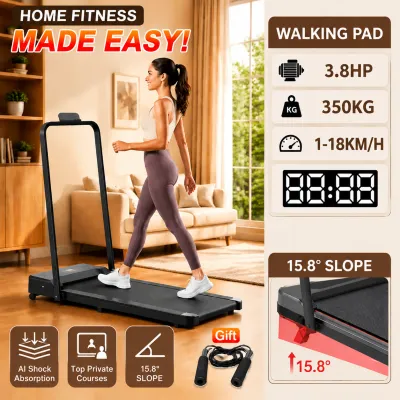
![[COD] Foldable Manual Home Treadmill with Adjustable Slope LED Display Anti-Slip Running Belt Free Twist Disc & Resistance Rope Space Saving Walking Machine for Home Fitness Exercise](https://img.lazcdn.com/g/p/1446617c7dcf63717d1a1640b68a647e.jpg_400x400q80.jpg_.webp)
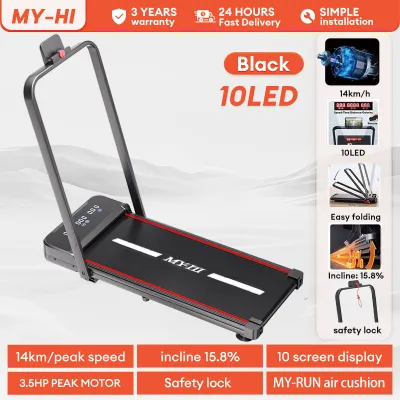
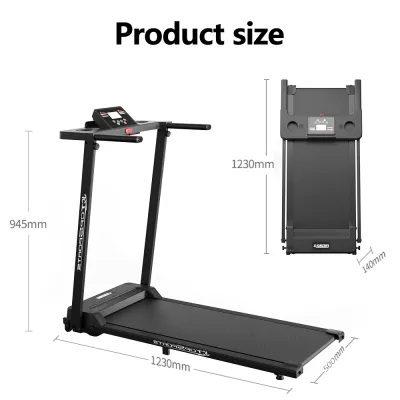
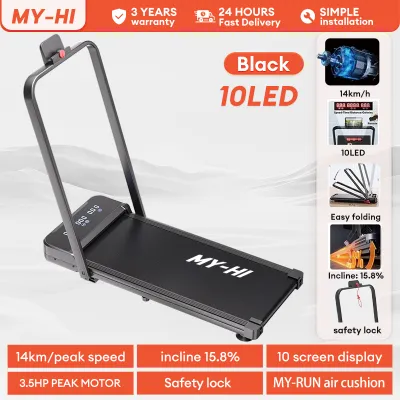
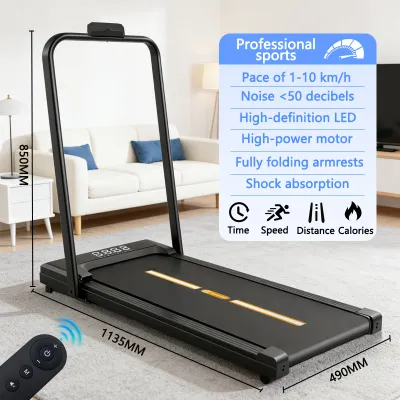
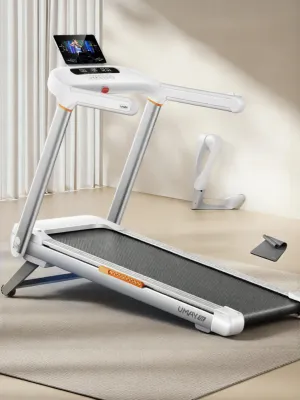
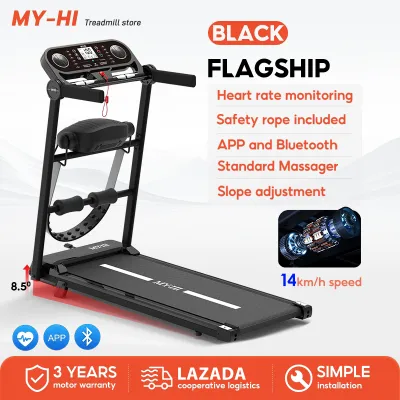
Prices are valid at publication and may change. Please refer to the product page for the latest price.
In contrast, a spin bike offers a low-impact, closed-chain cardiovascular workout. Because your feet remain securely clipped or strapped into the pedals, there is no moment of impact where your feet leave and strike a surface. This makes cycling exceptionally gentle on the joints, making it a preferred option for individuals recovering from joint injuries, those with arthritis, or anyone carrying significant extra body weight.
The muscular effort on a spin bike is heavily concentrated in your quadriceps and glutes, particularly during high-resistance climbs. Your hamstrings and calves also contribute to the pulling phase of the pedal stroke if you use proper cycling shoes or toe cages. However, because cycling is a seated activity, it requires careful attention to posture. Spending long sessions hunched over the handlebars can strain your neck and lower back, especially if you already sit at a desk all day.
A rowing machine provides a unique full-body workout that distributes the physical effort across both your upper and lower body. Unlike running or cycling, which are predominantly lower-body exercises, rowing recruits approximately 86 percent of your body’s musculature. Each stroke begins with a powerful leg drive, transitions into core stabilization, and finishes with an upper-body pull using your back, shoulders, and arms. This wide distribution of effort means you can achieve a high cardiovascular burn without overloading any single muscle group.
Despite its low-impact nature, rowing demands strict adherence to proper technique to prevent injury. The sliding seat and pivoting footplates require a coordinated hip hinge and a strong, stable core. If your core relaxes or you round your lower back during the drive phase, you place significant shear stress on your lumbar spine. For this reason, learning the correct sequence of movement is essential before attempting high-intensity rowing workouts.
Evaluating Space, Noise, and Setup for Your Home
Physical space is often the deciding factor when setting up a home gym, particularly in compact urban residences. Treadmills generally require the largest permanent footprint, often measuring up to two meters in length and nearly a meter in width. While many home-use treadmills feature folding decks that pivot upward, they still require a dedicated area and can be heavy to move.

Spin bikes are much more accommodating of tight spaces. With an average footprint of just 1.2 meters by 0.5 meters, a spin bike can easily fit into the corner of a bedroom, a balcony, or a small home office. They are also relatively easy to roll out of the way using transport wheels integrated into the front stabilizer bar, making them highly practical for multi-purpose rooms.
Rowing machines present a different spatial challenge due to their long, narrow design. The seat rail must be long enough to accommodate your full leg extension, resulting in an overall length that often exceeds 2.2 meters. However, many modern rowers are designed to be stored vertically when not in use. This allows you to stand the machine upright against a wall, reducing its idle footprint to a fraction of its operational size.
Noise levels can make or break your home workout consistency, especially if you live in an apartment with thin floors or share a home with others. Treadmills are inherently the loudest option because the impact of your feet running on the deck creates low-frequency vibrations. These vibrations can easily travel through the building’s structure, sounding like a dull thudding to anyone living directly below you.
Spin bikes are incredibly quiet, particularly those equipped with magnetic resistance and a belt drive system. They produce only a soft, consistent whir that is easily masked by background music or a television. Rowing machines vary in noise output depending on their resistance type. Magnetic rowers are virtually silent, water rowers produce a rhythmic sloshing sound that many find relaxing, while air rowers generate a loud rush of wind that can be disruptive in quiet households.
Regardless of the machine you choose, protecting your flooring is essential. Heavy fitness equipment can scratch hardwood, crack ceramic tiles, or leave deep indentations in carpets. Placing a high-density, non-slip rubber equipment mat under your machine is a simple way to absorb vibrations, dampen noise, and catch sweat. In tropical climates with high humidity, sweat can quickly corrode metal frames, so wiping down your equipment after every session is crucial to prevent rust.
Which Machine Matches Your Fitness Goals?
You should choose a treadmill if your primary fitness goal is functional, real-world movement or training for outdoor running events. If you enjoy walking, jogging, or running and want to maintain healthy bone density through weight-bearing exercise, the treadmill is unmatched. It allows you to simulate outdoor terrain by adjusting the incline, making it highly effective for progressive cardiovascular conditioning and fat loss.
A spin bike is the ideal choice if you want high-intensity cardiovascular workouts without the joint stress of running. It is perfect for those with limited floor space or anyone managing lower-body joint issues, such as knee discomfort or ankle instability. The ability to quickly adjust resistance makes it excellent for high-intensity interval training (HIIT), allowing you to push your cardiovascular limits safely.
Opt for a rowing machine if you want an efficient, time-saving workout that builds both cardiovascular endurance and muscular strength simultaneously. Because it engages the entire body, it is highly effective for burning calories and strengthening your posterior chain, which can help counteract the postural issues caused by prolonged sitting. It is a great fit if you have the physical space to accommodate its length and are willing to focus on mastering proper form.
While home cardio equipment is generally safe, neither machine may be suitable if you have severe mobility restrictions, acute lower back pain, or balance disorders. For example, the repetitive bending and pulling of rowing can aggravate acute lumbar disc issues, while the impact of running can worsen joint degeneration. If you are managing a chronic medical condition or recovering from surgery, always verify safe movement patterns with a physical therapist or healthcare professional before starting a new home exercise regimen.
Key Specifications to Check Before You Buy
When evaluating treadmills, pay close attention to the motor’s Continuous Duty Horsepower (CHP) rather than its peak horsepower. A motor with a rating of 2.5 to 3.0 CHP is recommended for regular running, as it can sustain speed without overheating. For spin bikes and rowers, check the resistance mechanism. Magnetic resistance offers smooth, silent adjustments and requires virtually no maintenance, whereas friction resistance (using felt pads) is common on budget bikes but requires periodic replacement as the pads wear down.
To ensure safety and durability, always verify the manufacturer’s stated maximum user weight on the product label. A good rule of thumb is to choose a machine with a weight capacity that exceeds your body weight by at least 15 to 20 kilograms. Additionally, check the machine’s overall net weight; heavier machines constructed from high-tensile steel frames are much more stable during intense workouts and are less likely to wobble, slide, or creak when you are sprinting or rowing hard.
Home fitness equipment is a significant financial investment, making the warranty a crucial indicator of build quality. Look for manufacturers that offer separate warranties for the frame, the motor or resistance mechanism, and the electronic console. A robust warranty typically covers the frame for several years, while cheaper, budget-grade machines may only offer a blanket six-month warranty. Ensure that the brand has accessible local service centers or customer support in your region to handle replacement parts or repairs.
When planning your budget in Philippine Pesos (₱), focus on structural durability and mechanical reliability rather than flashy digital consoles or built-in touchscreens. High-end screens often require ongoing monthly subscription fees to access workout programs, which can significantly increase the total cost of ownership. A sturdier frame with a basic, clear LCD monitor that tracks time, distance, and heart rate often provides far better long-term value than a flimsy machine equipped with a large, delicate tablet. Prioritize solid steel construction, high-quality bearings, and a reputable warranty within your target price range.
Frequently Asked Questions (FAQ)
Which cardio machine is easiest on the knees?
Spin bikes and rowing machines are significantly easier on the knees than treadmills because they are low-impact, closed-chain exercises. On a spin bike or rower, your feet remain in constant contact with the pedals or footplates, eliminating the jarring impact forces associated with running. If you have existing knee concerns, look for treadmills with advanced deck cushioning systems, or opt for a spin bike where you can carefully control the resistance. Always consult a medical professional if you experience persistent joint pain during or after your workouts.
Can I use these machines in an apartment with thin floors?
Yes, but you must take proactive steps to minimize noise and vibration transmission to your downstairs neighbors. A spin bike with magnetic resistance and a belt drive is the quietest option and rarely causes issues. If you choose a treadmill or a rowing machine, place a thick, high-density rubber equipment mat underneath to absorb the impact of footfalls or the sliding seat. Additionally, try to position the machine over a load-bearing wall rather than the center of the room, and check your building’s association rules regarding acceptable hours for physical exercise.

Community discussion
Share your experience or ask a question. Comments are reviewed before publication.