
Quick Answer: Which Cardio Machine Fits Your Goals?
Choosing home fitness equipment is a major step toward your health goals, especially when outdoor workouts are limited by unpredictable tropical weather, heavy rains, or intense heat. To make an immediate decision, align your primary fitness objective with the unique mechanics of each machine.
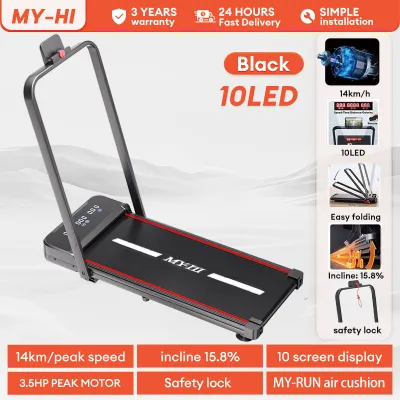
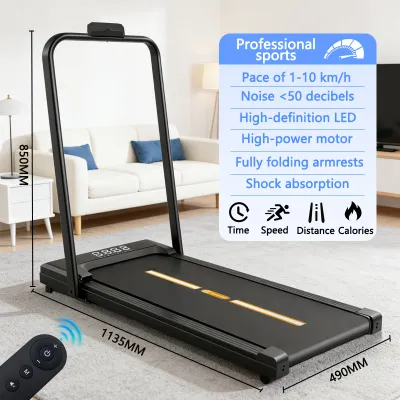
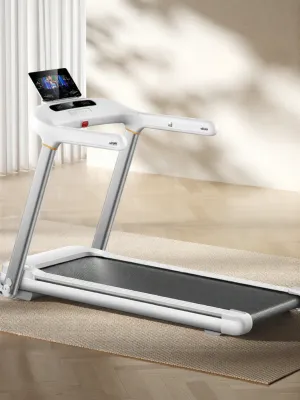
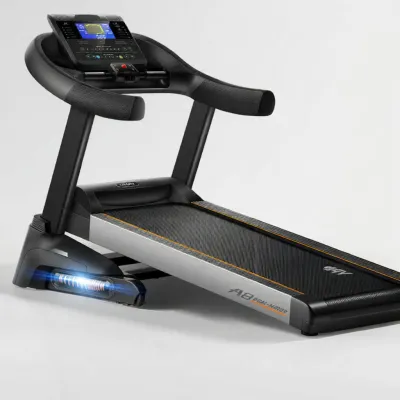
A treadmill (often searched as a threadmill) is ideal if you want to replicate natural walking or running. It provides a weight-bearing workout that builds bone density and prepares you for outdoor road races.
A spin bike is the most practical option for a compact, low-impact machine designed for high-intensity interval training (HIIT). It fits easily into tight living spaces and lets you push your cardiovascular limits without heavy joint stress.
Products mentioned in this guide
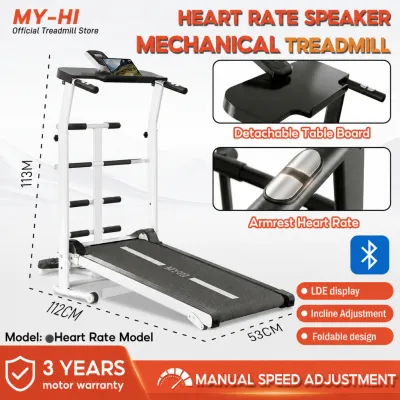
![[COD] Foldable Manual Home Treadmill with Adjustable Slope LED Display Anti-Slip Running Belt Free Twist Disc & Resistance Rope Space Saving Walking Machine for Home Fitness Exercise](https://img.lazcdn.com/g/p/1446617c7dcf63717d1a1640b68a647e.jpg_400x400q80.jpg_.webp)
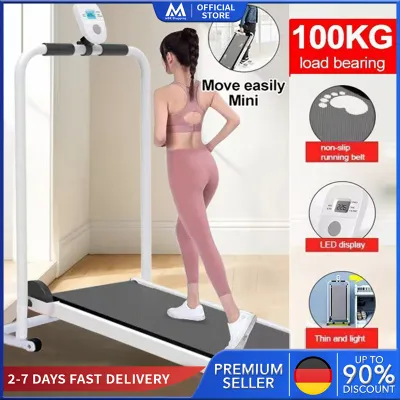
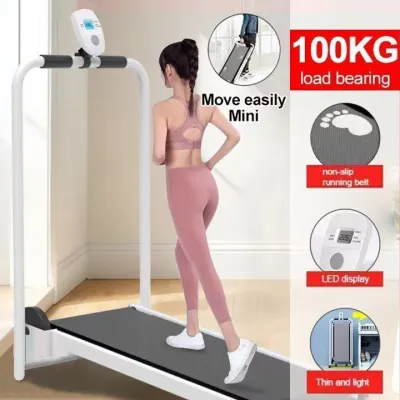
Prices are valid at publication and may change. Please refer to the product page for the latest price.
A rowing machine is the ultimate tool for full-body conditioning. It engages nearly every major muscle group simultaneously, helps correct rounded posture from desk work, and offers high caloric expenditure through a fluid, low-impact pulling motion.
Workout Experience and Muscle Engagement Compared
Each machine offers a distinct physical sensation and targets different muscle groups, altering how your body adapts over weeks of consistent training.

Treadmill: Natural Gait and Core Stabilization Working out on a treadmill closely mimics natural outdoor movement. Because you propel your own body weight across a moving belt, your lower body works dynamically. This movement primarily targets your quadriceps, hamstrings, calves, and glutes. Additionally, running upright requires constant core stabilization. Your abdominal and lower back muscles contract continuously to keep your torso balanced with every stride, making it excellent for functional, everyday fitness.
Spin Bike: Lower-Body Power and Endurance A spin bike shifts the focus entirely to your lower body in a seated or standing climbing position. The workout is highly quad- and glute-dominant, as your legs continuously push and pull the weighted flywheel against magnetic or friction resistance. Because your upper body remains relatively still, you can channel all your energy into rapid cadence changes and high-resistance climbs. This concentrated effort makes the spin bike exceptionally efficient for building cardiovascular endurance and leg power.
Rowing Machine: Full-Body Coordination and Posture Unlike the treadmill and spin bike, the rowing machine requires a coordinated effort from both your upper and lower body. Every stroke is a multi-phase movement that begins with a powerful leg drive, transitions through core stabilization, and finishes with a strong pull from the back and arms. This continuous push-and-pull dynamic engages approximately 86 percent of your muscles, including your hamstrings, glutes, lats, rhomboids, shoulders, and biceps. Because it emphasizes the posterior chain, rowing is highly effective at counteracting the slouched posture associated with long hours at a computer desk.
Space, Noise, and Home Setup Requirements
Before purchasing heavy fitness equipment, evaluate your physical living environment. In urban areas where condominium living is common, space constraints and noise transmission are critical factors.
Footprint and Storage Solutions Treadmills generally require the largest operational footprint. While many modern models feature foldable decks that lift upward, they still demand a dedicated rectangular space and a clear safety zone behind the belt. Spin bikes are highly space-efficient, occupying a compact footprint that easily fits into the corner of a bedroom. They do not fold, but built-in transport wheels make them easy to roll away. Rowing machines have a long, narrow footprint during use due to the seat rail. However, many models fold in half or stand upright against a wall, allowing you to reclaim floor space quickly.
Noise Levels and Floor Vibrations The acoustic impact of your machine affects your household and neighbors. Treadmills are typically the loudest option, producing both a continuous motor hum and a thumping sound from your feet striking the deck. This impact noise can travel through concrete floors to apartments below. Spin bikes with magnetic resistance are virtually silent, making them the best choice for late-night or early-morning workouts. Rowing machines vary by resistance type. Magnetic rowers are quiet, while air rowers produce a steady wind-swooshing sound, and water rowers create a rhythmic splashing sound.
Structural and Environmental Checks Always verify the weight capacity of your flooring, especially if placing a heavy motorized treadmill on a wooden loft or upper floor. Additionally, tall users must check ceiling clearance; running on an inclined treadmill or standing on a spin bike requires several inches of overhead space. In humid tropical climates, ensure your workout area has adequate ventilation. High humidity accelerates sweat buildup, making rust prevention and proper airflow essential for protecting internal electronics.
Joint Impact and Safety Considerations
Protecting your joints and ensuring safe operation should be top priorities when selecting home fitness equipment. Your current physical condition and injury history will heavily dictate which machine is safest for you.
Understanding Joint Impact Levels Running on a treadmill is a high-impact activity. Every footstrike sends a shockwave up through your ankles, knees, hips, and lower back. While high-quality treadmill decks feature built-in cushioning systems to absorb some of this shock, it still presents a higher risk of joint fatigue compared to stationary options. In contrast, both spin bikes and rowing machines are low-impact, closed-chain exercises. Your feet remain in constant contact with the pedals or footplates, eliminating the jarring impact of landing on a hard surface. This makes cycling and rowing highly suitable for individuals recovering from joint injuries.
Posture and Form Risks Each machine carries specific form risks if used incorrectly. On a rowing machine, the most common error is rounding the lower back during the catch phase, which can lead to lumbar strain. Proper rowing technique requires keeping a flat back and driving with the legs first. On a spin bike, improper seat height can cause your knees to track incorrectly, leading to patellar tendon strain. Adjusting the saddle so there is a slight bend in your knee at the bottom of the pedal stroke is essential. Treadmill users often face balance challenges, especially when adjusting speed or incline. Looking down at your feet or holding onto the handrails continuously can alter your natural gait and strain your shoulders.
Essential Safety Features to Verify When shopping, always check for built-in safety mechanisms. A treadmill must have a functional emergency stop clip that attaches to your clothing, instantly cutting power to the belt if you slip. For spin bikes, look for an emergency push-down brake to stop the spinning flywheel immediately. Ensure all machines meet the manufacturer’s specified weight limits to prevent structural failure.
Decision Framework: Which Equipment Should You Buy?
To finalize your decision, evaluate your lifestyle, space, and physical preferences against this practical decision framework.
Choose a Treadmill If:
- Your primary goal is to train for outdoor running events, marathons, or daily walking routines.
- You want to build bone density through natural, weight-bearing movement.
- You have a dedicated ground-floor space or a well-insulated room where footstep noise will not disturb others.
- You prefer straightforward, intuitive workouts that do not require learning complex movement techniques.
Choose a Spin Bike If:
- You live in a compact apartment or condominium where floor space is highly limited.
- You need a near-silent machine that allows you to exercise at any hour without disturbing family members or neighbors.
- You prefer high-intensity interval training (HIIT) and want to build lower-body strength with zero joint impact.
- You enjoy rhythm-based workouts or following virtual cycling classes.
Choose a Rowing Machine If:
- You want to maximize muscle engagement across your entire body in a single, time-efficient workout.
- You want to strengthen your back and core to counteract the physical toll of sitting at a desk all day.
- You have a long room that can accommodate the rail during use, but you appreciate the ability to store the machine vertically.
- You are willing to spend time mastering proper rowing form to prevent injury and maximize efficiency.
Critical Pre-Purchase Verifications Before making your final purchase from an online marketplace or local fitness retailer, measure your designated floor space twice and compare it to the machine’s fully assembled dimensions. If you live in a multi-story home, consider how you will transport the heavy boxes up the stairs. Lastly, verify the warranty terms, particularly for motorized treadmills, to ensure you have access to local repair services and replacement parts.
Maintenance and Long-Term Upkeep
Regular maintenance is essential to keep your home cardio equipment operating smoothly, quietly, and safely for years to come. Neglecting basic upkeep can lead to premature wear and void your manufacturer’s warranty.
Treadmill Maintenance Steps
- Belt Alignment: Periodically check that the running belt remains centered on the deck. Use the rear adjustment bolts to correct any drifting.
- Deck Lubrication: Apply a manufacturer-approved silicone lubricant under the running belt every three to six months, depending on usage, to reduce friction and protect the motor.
- Dust Removal: Vacuum around the base and carefully clean inside the motor cover annually to prevent dust buildup from overheating the electronics.
Spin Bike Maintenance Steps
- Sweat Protection: Wipe down the frame, handlebars, and flywheel with a damp microfiber cloth after every workout. Sweat is highly corrosive, especially in humid climates, and can quickly rust steel components.
- Hardware Checks: Regularly inspect and tighten the pedals, seat post, and handlebar adjustment knobs to prevent wobbling.
- Drive System: If your bike uses a chain drive, apply a light bicycle lubricant periodically. Magnetic belt drives generally require no lubrication but should be checked for wear.
Rowing Machine Maintenance Steps
- Rail Cleaning: Wipe the aluminum or steel seat rail with a damp cloth before every workout. Dust and grit on the rail can damage the rollers and create a bumpy, noisy glide.
- Bungee and Chain Inspection: Check the recoil bungee cord or chain for fraying or stiffness to ensure a smooth return stroke.
- Water Tank Care: If you use a water-resistance rower, add purifying tablets to the tank as recommended by the manufacturer to prevent algae growth in warm, humid conditions.

Community discussion
Share your experience or ask a question. Comments are reviewed before publication.