
Choosing the right gear for an outdoor adventure often comes down to balancing weight, functionality, and safety. Whether you need trekking poles, tent poles, or both depends entirely on your shelter design, your physical needs on the trail, and the specific terrain of your destination. If you are using a traditional freestanding dome tent, dedicated tent poles are non-negotiable for keeping your shelter upright. Conversely, if you are an ultralight backpacker, you might rely on your trekking poles to double as your tent’s structural support. For hikers tackling steep, slippery, or uneven trails, trekking poles provide essential stability and joint protection, whereas casual car campers can easily get by without them.
In tropical environments like the Philippines, where sudden downpours can turn trails into muddy slides and high humidity tests the durability of every piece of gear, understanding your equipment is crucial. Carrying unnecessary weight can quickly drain your energy, while leaving essential structural components behind can leave you exposed to the elements. By evaluating how these two types of poles function, you can make an informed decision that keeps your pack light and your shelter secure.
Understand the Core Functions and Design Differences
Trekking poles and tent poles are engineered for completely different mechanical tasks, and confusing their roles can lead to equipment failure or personal injury. Trekking poles are designed to act as dynamic extensions of your arms. They feature ergonomic grips made of cork, foam, or rubber, adjustable wrist straps to distribute weight, and telescoping shafts with secure locking mechanisms to adjust their height. The tips are typically made of durable carbide to grip rock and dirt, often accompanied by rubber feet for hard surfaces. Their primary job is to absorb the repetitive impact of hiking, assist with balance, and help propel you forward.
Products mentioned in this guide
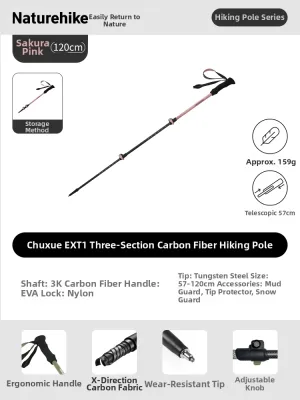
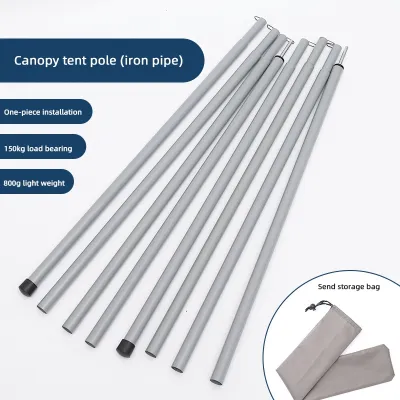
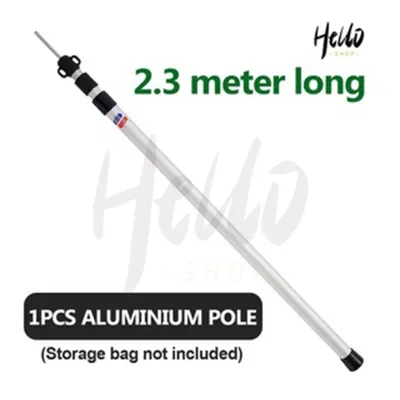
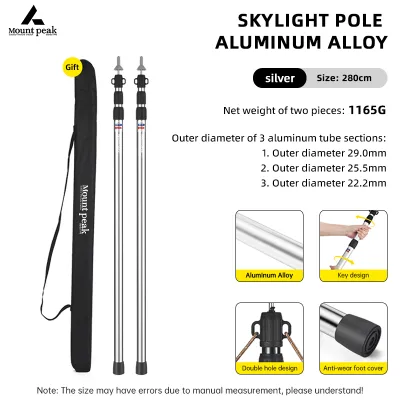
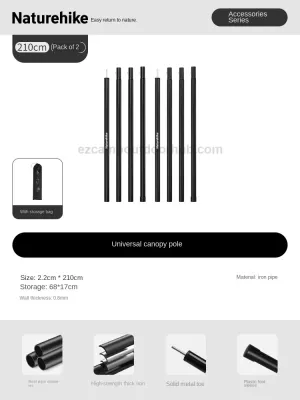
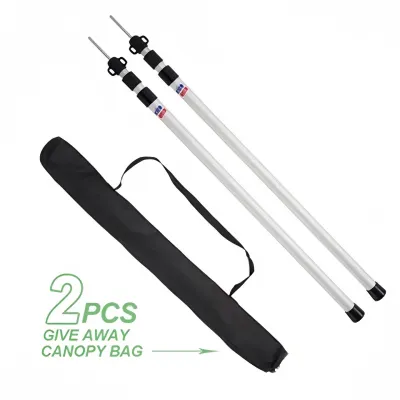
Prices are valid at publication and may change. Please refer to the product page for the latest price.
Tent poles, on the other hand, are static structural elements designed to hold a tent fabric under constant tension. They consist of hollow, flexible segments made of fiberglass, aluminum, or carbon fiber, which are threaded together with an internal elastic shock cord. Instead of supporting dynamic, shifting human weight, tent poles are engineered to bend into specific curves to create a stable living space and resist external forces like wind and heavy rain. They do not have grips, adjustable locks, or traction tips, as their ends are designed to fit into grommets, eyelets, or plastic clips on the tent body.
Using these poles outside of their intended design parameters is highly risky. Attempting to use a tent pole as a walking staff is a safety hazard; the flexible segments are not built to support vertical body weight and will easily bend, splinter, or snap under pressure, potentially causing a fall. Similarly, trying to force rigid, thick trekking poles into the narrow sleeves of a standard dome tent can tear the fabric, damage the mesh, or break the tent’s structural connectors. Each pole type must be respected for its specific engineering limits.
Assess Your Camping and Hiking Style
To determine which poles deserve a spot in your gear kit, start by analyzing the type of camping you plan to do. Car camping is highly popular at established campsites where you park directly next to your pitch. In this scenario, weight is rarely a concern, and your primary focus is comfort. You will almost certainly need the dedicated tent poles that came with your large, spacious family tent. Unless you plan to leave the campsite for strenuous day hikes on nearby peaks, you can generally leave trekking poles at home, saving your budget for other camp comforts.

If you are backpacking or trail walking over long distances, your physical relationship with your gear changes. Carrying a heavy backpack shifts your center of gravity, making you more unstable on uneven ground. Trekking poles become invaluable here, acting as extra points of contact that help you maintain balance on steep ascents and descents. In wet, tropical climates where trails are frequently muddy, clay-heavy, or crossed by rushing streams, the added stability of trekking poles can prevent slips and falls, protecting your knees and ankles from sudden twists.
Your personal fitness, pace, and hiking distance also play a major role in this decision. If you are recovering from a joint injury or find that long descents cause knee pain, trekking poles are highly recommended regardless of your shelter choice. They help distribute the workload to your upper body, reducing the impact on your lower joints over long mileages. However, if you prefer to keep your hands free to take photos, navigate with a phone, or scramble up rocky sections using your hands, you might find trekking poles more of a hindrance than a help on shorter, well-maintained trails.
Check Your Tent Compatibility and Shelter Needs
Your choice of shelter is the single most decisive factor in whether you must pack dedicated tent poles. Traditional freestanding tents rely entirely on their own specialized pole sets to maintain their shape. These tents can be pitched on almost any surface, including wooden platforms or solid rock, because the tensioned poles hold the structure open without requiring stakes. If you own a standard dome, tunnel, or cabin tent, you cannot set it up without its matching manufacturer-provided tent poles.
In contrast, non-freestanding trekking pole tents have become a staple for ultralight backpackers. These shelters do not come with heavy, long tent poles; instead, they feature reinforced pockets or grommets designed to receive the tips and handles of your trekking poles. By using your walking poles to prop up the tent, you eliminate the weight of dedicated tent poles from your pack. This hybrid approach is highly efficient, but it requires you to stake out the tent perfectly to maintain its structure, which can be challenging in very loose sand or extremely rocky soil.
Using a trekking pole tent requires careful planning if you plan to use your poles during the day. If you establish a base camp and want to go on a day hike, taking your trekking poles with you means you must collapse your shelter. To avoid leaving your gear exposed to sudden tropical downpours, you must either pack up your entire camp each morning, use temporary wooden sticks found near the campsite to prop up the tent, or carry a lightweight set of folding accessory poles designed specifically for this purpose. Understanding this logistical trade-off is essential before committing to an ultralight shelter system.
Decision Guide: What to Pack or Buy for Your Next Trip
To simplify your packing list, match your upcoming outdoor plans to one of these common scenarios:
- Scenario A: Car Camping with a Standard Tent. Pack your dedicated tent poles. There is no need to purchase or pack trekking poles unless you have planned a challenging side hike. Focus your budget on a high-quality, weather-resistant freestanding tent that can withstand local wind and rain.
- Scenario B: Backpacking with a Freestanding Tent. Pack your tent poles to ensure your shelter is secure. Additionally, consider packing a pair of trekking poles if your route involves steep elevation changes, muddy trails, or if you are carrying a pack that weighs more than a quarter of your body weight. You can strap the trekking poles to the side of your pack when they are not in use.
- Scenario C: Ultralight Backpacking with a Trekking Pole Tent. Your trekking poles are mandatory because they serve as both your trail support and your shelter's structural spine. Before setting off, double-check that your trekking poles are fully adjustable and can extend to the exact height required by your tent's design specifications.
Regardless of which poles you need, performing a pre-trip maintenance check is vital for safety. For tent poles, inspect each segment for hairline cracks, especially near the metal insert joints, and ensure the internal shock cord still has plenty of elasticity. For trekking poles, clean any mud or grit out of the telescoping joints, verify that the flip-locks or twist-locks hold firmly under pressure without slipping, and check that the tips are not excessively worn. Replacing a damaged pole section or a worn locking mechanism at home is far easier than dealing with a collapsed tent or a broken support pole in the middle of a remote forest.
Frequently Asked Questions (FAQ)
Can I use trekking poles to set up a standard dome tent?
No, you cannot use trekking poles to set up a standard dome tent. Dome tents require highly flexible, curved poles that slide through fabric sleeves or attach to plastic clips to create their shape. Trekking poles are rigid, straight, and designed not to bend. Attempting to force them into a dome tent structure will not support the fabric properly and is highly likely to puncture the tent walls, tear the sleeves, or damage the pole locking mechanisms.
How do I choose the right length for trekking poles?
To find the correct length for flat ground, stand up straight with your elbows bent at a 90-degree angle, forearm parallel to the floor. The distance from your hands to the ground is your target pole length. When hiking uphill, shorten the poles by a few centimeters to maintain leverage without reaching upward. When descending, lengthen them slightly to help you reach the ground ahead of you without leaning too far forward. Always consult the manufacturer’s sizing chart to ensure the poles you buy have an adjustment range that accommodates your height.
Are carbon fiber poles better than aluminum for camping?
Neither material is universally superior; they offer different trade-offs depending on your priorities. Carbon fiber poles are exceptionally light and stiff, making them excellent for reducing pack weight and vibration on the trail, but they can snap or splinter under sudden lateral stress. Aluminum poles are slightly heavier but highly durable; they tend to bend rather than snap under extreme loads, making them easier to straighten out in the field. For rugged, rocky terrain or budget-conscious hikers, aluminum is often the more practical and resilient choice.
Community discussion
Share your experience or ask a question. Comments are reviewed before publication.