
Finding space-efficient fitness gear is a priority for many home fitness enthusiasts in the Philippines, where compact living spaces and busy schedules make home workouts highly practical. Twist exercise equipment offers an accessible, low-impact solution to target the core, improve balance, and enhance rotational mobility without requiring a dedicated gym room. Whether you are considering a simple, portable waist twisting disc or a more robust standing twist machine, selecting the right option depends on your specific fitness goals, available space, and safety requirements.
To make an informed decision, it is essential to understand how these devices function, what features to look for, and how to integrate them safely into your daily routine. By evaluating key criteria such as stability, resistance mechanisms, and storage convenience, you can find a tool that fits seamlessly into your home setup and helps you maintain a consistent active lifestyle.
Understanding Twist Exercise Equipment and Its Core Benefits
Twist exercise equipment is designed to facilitate rotational movement, a fundamental physical action that is often underrepresented in traditional linear workouts like running or cycling. These devices typically feature a rotating platform or a pivoting mechanism that allows the user to twist their torso against varying levels of resistance. By engaging in controlled rotational exercises, you target the deep muscles of the abdomen and lower back, which play a crucial role in stabilizing the spine and maintaining overall posture.
Products mentioned in this guide
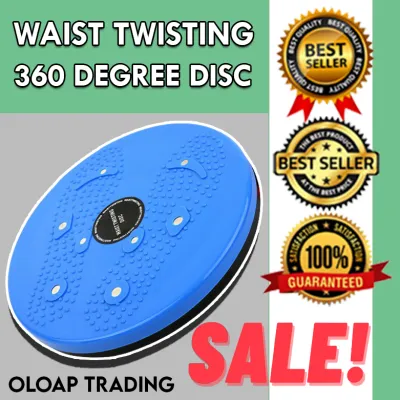
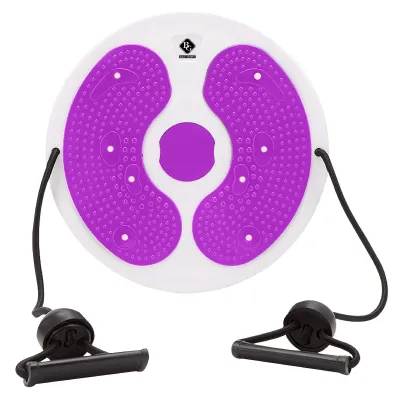
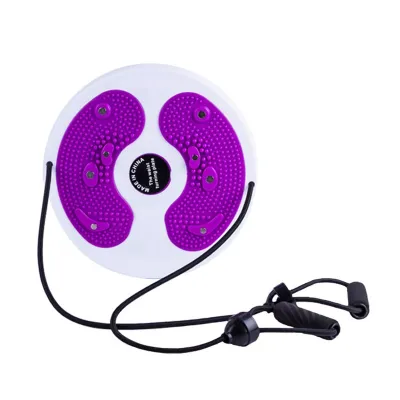
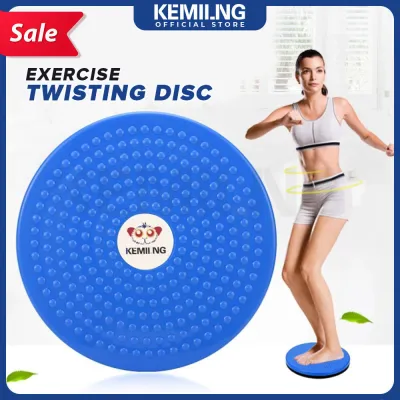
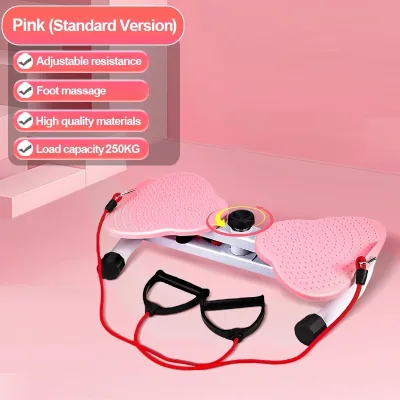
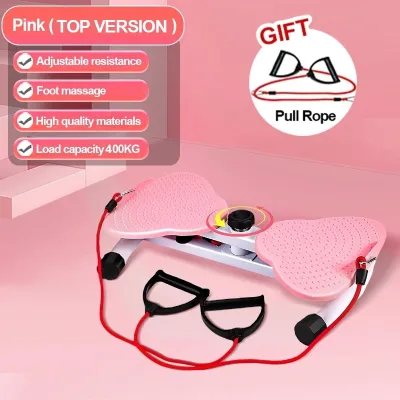
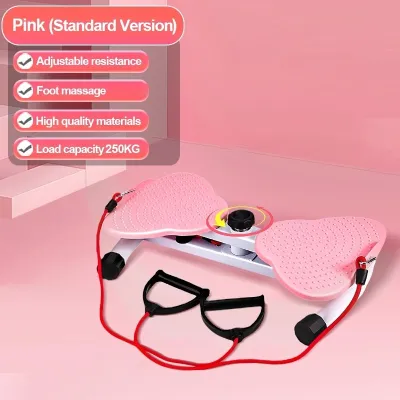
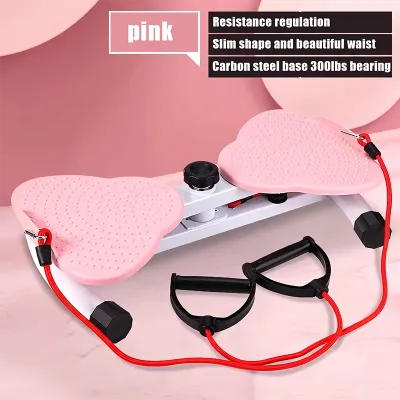
Prices are valid at publication and may change. Please refer to the product page for the latest price.
The primary muscle groups engaged during a twisting workout include the internal and external obliques, the rectus abdominis, and the transverse abdominis. The obliques are responsible for rotating the torso and lateral flexion, making them essential for functional movements such as lifting, reaching, and turning. Additionally, the deep core stabilizers and the muscles surrounding the lumbar spine are activated to maintain balance and control throughout the movement, promoting better spinal health and coordination.
In addition to muscle activation, rotational exercises contribute significantly to functional fitness and joint mobility. Daily activities, from swinging a golf club to reaching for an item on a high shelf, rely heavily on the body’s ability to rotate safely. Training these movement patterns helps maintain flexibility in the thoracic spine and hips, which can reduce stiffness and improve overall agility. This makes twist equipment particularly beneficial for individuals looking to maintain mobility as they age or those recovering from sedentary lifestyles.
However, it is important to set realistic expectations regarding the results of using twist exercise equipment. While these tools are excellent for improving muscular endurance, balance, and core tone, they are not designed for significant muscle hypertrophy or rapid strength gains. Because the resistance is typically low to moderate, twisting exercises should be viewed as a complementary component of a well-rounded fitness program rather than a standalone solution for building massive muscle mass or burning extreme amounts of calories.
Key Selection Criteria for Your Home Gym
Selecting the right twist exercise equipment for a home gym in the Philippines requires careful consideration of several practical factors. Because home environments vary from spacious houses to compact high-rise apartments, the physical characteristics of the equipment must align with your living situation and workout preferences.

Space and Storage The physical footprint of the equipment is a primary consideration for home users. Compact apartments and shared living spaces require gear that can be easily stored when not in use. Simple waist twisting discs have an incredibly small footprint, often measuring less than 30 centimeters in diameter, allowing them to slide under a bed, sofa, or into a closet. Conversely, standing twist machines and air steppers require dedicated floor space and are much heavier, making them harder to move. If you choose a larger machine, verify whether it features a foldable frame or transport wheels to facilitate easier storage.
Resistance Mechanisms Different types of twist equipment utilize distinct methods to generate resistance, which directly impacts the intensity of your workouts. Basic models rely solely on your body weight and the friction of the pivot bearing, requiring you to generate momentum and control the movement using your own muscle power. Intermediate options often include integrated elastic tension cords or resistance bands with handles, allowing you to engage the upper body and add resistance to the twist. Advanced standing machines may feature adjustable magnetic resistance or hydraulic cylinders, providing a smoother, more consistent challenge that can be adjusted as your strength improves.
Stability and Build Quality Safety should always be a priority when selecting fitness equipment. A stable base is essential to prevent tipping or sliding during vigorous workouts. Look for equipment constructed from high-quality materials, such as heavy-duty ABS plastic for discs or alloy steel for standing frames. The base of the equipment should feature wide, non-slip rubber feet to ensure it remains securely in place, especially on smooth tiled or polished wooden floors common in Philippine homes. Additionally, check the manufacturer’s specified weight capacity to ensure the equipment can safely support your body weight during dynamic movements.
Adjustability To ensure your equipment remains useful as your fitness level progresses, look for models that offer adjustability. For standing machines, this includes adjustable handlebar heights to accommodate different family members and variable resistance settings to increase the workout intensity. For twisting discs, adjustability might come in the form of detachable resistance bands of varying tension levels. Having the ability to modify the setup allows you to customize your workouts and continue challenging your core muscles over time.
Comparing Common Types of Twist Equipment
Twist exercise equipment generally falls into two main categories: floor-based tools and upright, frame-based machines. Understanding the structural and functional differences between these two types will help you determine which design best suits your physical capabilities, budget, and home environment.
Waist Twisting Discs and Balance Boards
Waist twisting discs, often referred to as rotating boards, are simple, floor-based platforms that rotate on a central ball-bearing system. These devices are highly popular due to their simplicity, affordability, and minimal space requirements, making them an easy addition to any home workout space.
These tools are best suited for beginners, seniors, or individuals looking for low-impact core activation, balance training, and gentle joint mobility. Because they require you to maintain your balance without the aid of a fixed frame, they actively engage the stabilizer muscles in your ankles, knees, and hips. This makes them excellent for improving overall coordination and body awareness.
When shopping for a twisting disc, look for models that feature textured, non-slip footplates to ensure your feet remain securely in place during use. Many models also incorporate raised massage nodes or magnetic points designed to stimulate the soles of your feet. It is also wise to check for models that include detachable ergonomic hand ropes or resistance bands, which provide extra stability and allow for simultaneous upper-body engagement. Ensure the central pivot bearing is made of durable steel to guarantee smooth, quiet rotation.
The primary limitation of waist twisting discs is the lack of progressive overload. Because the resistance is largely limited to your body weight and the friction of the board, it can be difficult to increase the intensity of the workout once your body adapts. While you can hold external weights like dumbbells to increase the challenge, the lack of a supportive frame means this requires a high level of core strength and balance to perform safely.
Standing Twist Machines and Air Steppers
Standing twist machines and multi-functional air steppers represent a more robust category of home fitness equipment. These devices feature a supportive steel frame, handlebars, and either rotating footplates or a stepping mechanism that incorporates a lateral twisting motion with each step.
These machines are ideal for users seeking a more intense, full-body workout that combines cardiovascular conditioning with core training. The inclusion of handlebars provides excellent stability, making them a safer option for individuals who may struggle with the balance required by simple twisting discs. The integrated stepping and twisting motion engages the glutes, thighs, and calves alongside the core, offering a more comprehensive workout.
When evaluating standing twist machines, verify the structural integrity of the frame, the quality of the welds, and the thickness of the steel tubing. The handlebars should be covered with high-density, sweat-resistant foam grips to ensure a secure hold. Look for wide base stabilizers with rubber end caps to prevent the machine from rocking or sliding on your floor. Additionally, check if the machine includes a digital monitor to track basic metrics such as step count, time, and estimated calories burned.
The main trade-offs of standing twist machines are their larger physical footprint and higher cost. These units are significantly heavier and more difficult to store than simple discs, requiring a dedicated space in your home. In terms of price, they represent a larger investment relative to simple twisting discs. However, for users committed to a regular home workout routine, the added stability, resistance options, and full-body engagement can justify the additional space and cost.
Safe Usage, Setup, and Maintenance Guidelines
To maximize the benefits of your twist exercise equipment and prevent injury, it is crucial to follow proper safety, setup, and maintenance protocols. Taking care of your equipment and using correct form ensures a safe and effective workout experience.
Pre-Workout Checks Before starting any exercise session, perform a quick inspection of your equipment. For twisting discs, ensure the platform rotates smoothly without catching or making grinding noises, which could indicate damaged bearings. For standing machines, check that all fastening screws, bolts, and adjustment knobs are tightly secured. Inspect any attached resistance bands for signs of wear, fraying, or cracking. Ensure the footplates and the floor beneath the equipment are completely dry and free of dust or moisture to prevent slipping.
Proper Form Maintaining correct posture is essential to protect your spine and joints during rotational exercises. Always stand with your feet hip-width apart and keep your knees slightly bent; never lock your knees, as this transfers the rotational stress directly to your joint ligaments. Keep your chest lifted, shoulders relaxed, and your spine in a neutral alignment. Engage your core muscles throughout the movement. Focus on rotating from your torso and thoracic spine rather than violently swinging your hips or twisting your knees, which can lead to strain. Keep your movements slow, controlled, and within a comfortable range of motion.
Floor Protection Using a high-density PVC or rubber exercise mat underneath your twist equipment is highly recommended. In many Philippine homes, floors are finished with ceramic tiles or polished hardwood, which can be slippery and prone to scratching. An exercise mat provides essential traction to keep the equipment stable, protects your flooring from scratches or scuffs, and helps dampen any operational noise or vibration. This noise reduction is particularly important if you live in a multi-story condominium or apartment building.
Cleaning and Storage The tropical climate and high humidity in the Philippines can accelerate the wear and tear of fitness equipment. Sweat contains salts that can corrode metal parts and degrade rubber or plastic surfaces over time. After every workout, wipe down the equipment thoroughly with a clean, damp cloth and a mild, non-abrasive soap. Avoid using harsh chemical cleaners that can damage the materials. Store your equipment in a cool, dry, and shaded indoor area. Avoid leaving it on balconies, near open windows, or in areas exposed to direct sunlight, as UV rays can cause plastics to become brittle and high humidity can promote rust on metal frames and bearings.
Frequently Asked Questions (FAQ)
Can twist exercise equipment help reduce waistline fat?
The belief that you can lose fat in a specific area of your body by targeting that area with exercise is a common fitness myth known as spot reduction. Twist exercise equipment is highly effective for strengthening, toning, and building endurance in the oblique and abdominal muscles, but it does not directly burn fat from the waistline. To reduce body fat, including around the midsection, you must create a caloric deficit by combining regular physical activity with a balanced, nutritious diet. As your overall body fat percentage decreases, the muscle definition you have built through twisting exercises will become more visible.
How often should I use a twisting disc or machine?
For most individuals, integrating rotational exercises into your routine two to three times per week is highly effective. This frequency allows you to build core strength and mobility while giving your muscles adequate time to rest and recover. It is best to use twist equipment as part of a balanced, full-body workout routine rather than as a daily standalone exercise. Overusing these devices, especially with high volume or excessive speed, can lead to muscle fatigue and increase the risk of straining your lower back or hip flexors.
Is twist equipment safe for individuals with lower back issues?
If you have a pre-existing lower back condition, such as a herniated disc, sciatica, or chronic lumbar pain, you should consult a healthcare professional or physical therapist before using any twist exercise equipment. Rotational movements, especially when performed quickly, with added weight, or with poor form, can place significant shear stress on the spinal discs and lumbar vertebrae, potentially worsening your condition. If you receive professional clearance to use this equipment, focus on very slow, gentle, and controlled movements, keep your range of motion small, and stop immediately if you feel any pain or discomfort.
Community discussion
Share your experience or ask a question. Comments are reviewed before publication.