
To choose the right plate-loaded twister bar for your home gym, you must evaluate four primary specifications: shaft diameter, knurling pattern, weight capacity, and sleeve design. Matching these specifications to your hand size, grip strength, and existing weight plates ensures a safe, effective workout. In the humid tropical climate of the Philippines, paying close attention to the metal finish is also critical to prevent rust and maintain a secure grip during high-intensity forearm and wrist training.
Shaft Diameter and Grip Ergonomics
The shaft diameter of a twister bar directly dictates how hard your hand and forearm muscles must work to maintain control during rotational exercises. Standard barbell shafts typically measure between 25mm and 28mm, which allows most users to wrap their fingers completely around the bar for a secure hold. In contrast, thick-grip or “fat” shafts range from 35mm to 50mm. This increased diameter shifts the training emphasis heavily onto your grip endurance, as a wider hand position prevents your fingers from overlapping and rapidly accelerates muscle fatigue.
Before purchasing, verify the manufacturer’s exact diameter tolerances rather than relying on product images, which can be visually misleading. If your primary goal is to build raw grip strength or prepare for specialized sports like arm wrestling, a thicker shaft is highly effective. However, if you are recovering from a wrist injury or have smaller hands, a standard 25mm to 28mm shaft provides a safer, more manageable grip. Matching the bar’s thickness to your current physical limits prevents premature hand failure, allowing you to complete your forearm training sets with proper form.
Products mentioned in this guide
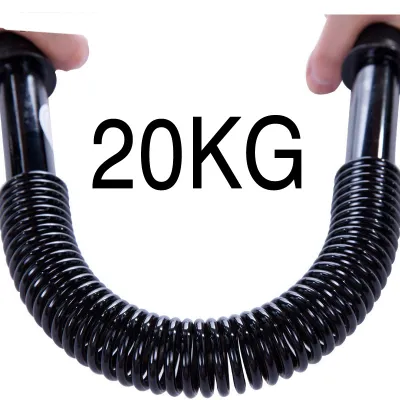
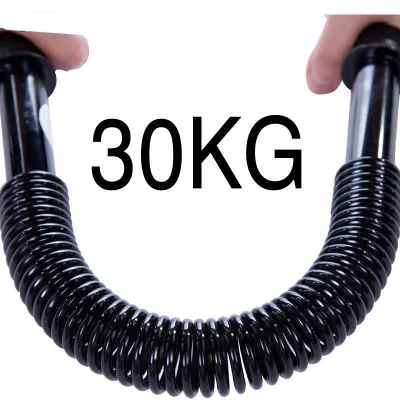
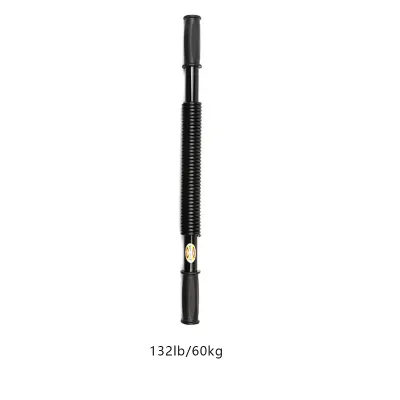
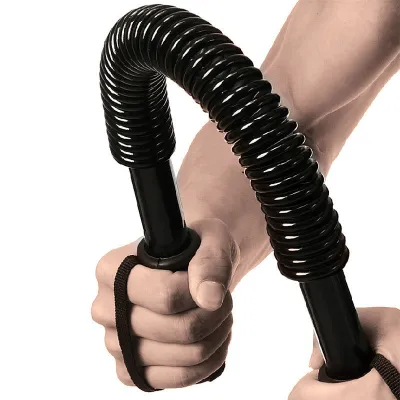
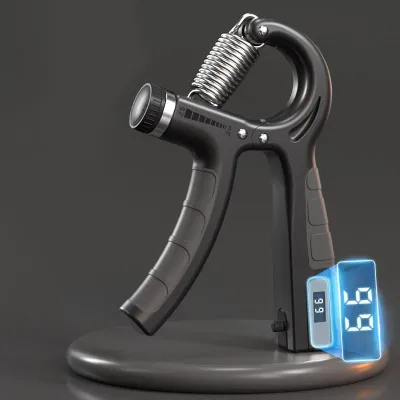
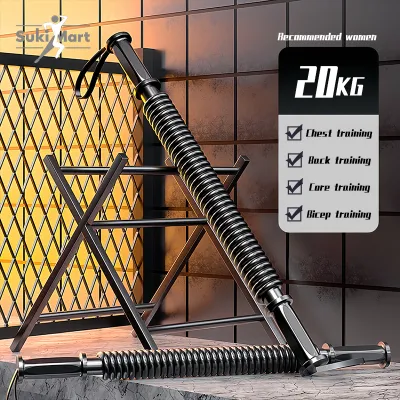
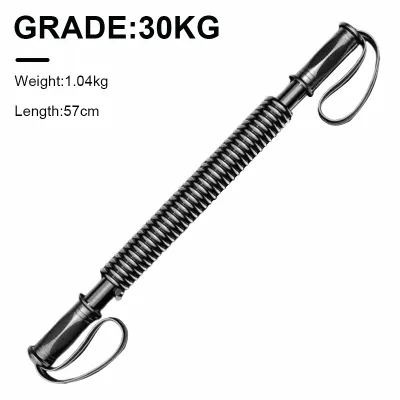
Prices are valid at publication and may change. Please refer to the product page for the latest price.
Knurling Patterns and Surface Finish
Knurling refers to the cross-hatched metal pattern cut into the shaft to increase friction between your skin and the bar. For rotational twisting movements, the aggressiveness of this texture is a vital safety factor. Light knurling feels smooth and is comfortable for high-repetition workouts, but it can easily slip if your hands sweat. Medium knurling offers a balanced, secure grip without tearing your skin, while deep, aggressive knurling is designed for heavy lifting where slippage is dangerous. If you prefer not to use gym chalk at home, a medium knurling pattern is generally the most practical choice for daily training.

The choice of metal finish is equally important, especially in warm, humid environments where sweat and moisture accelerate corrosion. Bare steel offers the most natural grip feel but rusts quickly without constant oiling. Chrome and black oxide finishes provide basic protection but can chip or wear away over time under heavy use. For long-term durability in tropical climates, look for zinc plating, e-coat, or stainless steel finishes, which offer superior resistance to rust and require minimal maintenance. Additionally, ensure the bar lacks aggressive center knurling; a smooth center section prevents painful skin irritation and clothing snags when the bar rotates close to your body.
Weight Capacity and Structural Limits
Understanding the structural limits of your twister bar is essential for preventing equipment failure and potential injury. Manufacturers typically list a static weight limit, which represents the maximum load the bar can support when resting completely still. However, dynamic movements—such as the sudden stops and directional changes inherent in twisting exercises—subject the bar to much higher forces. Always look for the bar’s yield strength (the point at which the metal permanently bends) and tensile strength (the point at which the bar breaks), which are measured in pounds per square inch (PSI). A high-quality training bar generally features a tensile strength of at least 150,000 PSI.
To ensure long-term safety, plan a progressive overload routine that keeps your actual training weight well below the bar’s rated maximum capacity. Loading a bar close to its limit increases the risk of micro-fractures and permanent bending over time. Remember that high-quality equipment cannot replace proper lifting technique and personal judgment. If you experience joint pain, or if the bar shows any visible signs of bending or structural fatigue, stop training immediately and inspect the equipment before proceeding.
Sleeve Design and Loading Mechanism
The sleeves are the outer ends of the bar where you load weight plates, and their design determines both plate compatibility and the smoothness of your exercises. First, measure the usable sleeve length to confirm it can accommodate the thickness of your existing weight plates, especially if you use wider bumper plates rather than slim cast-iron discs. If the sleeves are too short, you will be severely limited in how much weight you can safely load for progressive training.
Inside the sleeves, the rotation mechanism relies on either bushings or bearings. Bushings are solid rings made of brass or bronze that offer moderate spin and high durability, making them ideal for slow, controlled twisting movements. Bearings utilize small metal rollers or balls to provide an extremely fast, frictionless spin, which is highly responsive but often unnecessary and more expensive for basic forearm training. Whichever system you choose, ensure you use reliable collars—such as heavy-duty spring collars or lock-jaw clamps—to keep the plates tightly secured. Loose plates can slide during dynamic twisting, shifting the bar’s center of gravity and causing sudden, dangerous wrist strain.
Building Your Home Gym Shortlist
When compiling your shortlist of potential twister bars, create a clear checklist that prioritizes structural integrity over aesthetic details. Focus first on verifying the shaft diameter, rust-resistant finish, and sleeve compatibility with your current plate collection. Aesthetic features like colored shafts or branded end caps do not contribute to the safety or performance of your workouts and should be treated as secondary considerations.
Before finalizing your purchase from an online marketplace, carefully verify the seller’s warranty terms, return policies, and the total shipping weight. Heavy steel equipment can incur high shipping fees, so factoring these costs into your budget is essential. Finally, measure your designated home workout space to ensure the bar can be stored safely and used without hitting nearby walls, furniture, or your existing power rack.
Frequently Asked Questions (FAQ)
How do I clean and maintain the knurling on my twister bar?
To keep the knurling clean and free of sweat, dead skin, and chalk buildup, use a stiff-bristled nylon brush and a mild, diluted soap solution. Avoid using harsh chemical solvents or steel wire brushes, as these can strip away protective zinc or chrome coatings and expose the raw steel underneath to moisture. After brushing, wipe the bar down with a clean microfiber cloth and ensure it dries completely. In humid regions, applying a very light coat of 3-in-1 oil or specialized barbell oil once a month will help seal the metal against rust.
Can I use standard Olympic plates on any twister bar?
No, you must match the sleeve diameter of the twister bar to the center hole of your weight plates. Olympic sleeves have a standard diameter of 50mm (approximately two inches), whereas standard training bars feature 25mm or 28mm (one-inch) sleeves. Attempting to force standard plates onto Olympic sleeves will damage both the bar’s finish and the plate inserts. Conversely, using Olympic plates on standard sleeves creates a loose, unstable fit that allows the plates to wobble dangerously during rotational movements. Always check the product specifications to confirm sleeve compatibility before buying.
Community discussion
Share your experience or ask a question. Comments are reviewed before publication.