
The Philippine cycling scene has experienced a massive surge in popularity, with riders seeking more efficient, lightweight machines to tackle both urban commutes and weekend climbs. For many, a full carbon road bike represents the pinnacle of performance, offering a smooth ride quality that dampens road vibrations from uneven asphalt and concrete joints. However, premium carbon bikes from heritage brands often come with premium price tags, leading local cyclists to explore budget-friendly alternatives. Among these, Twitter has emerged as a highly visible brand, frequently discussed in local cycling communities and displayed in bike shops across the country.
Evaluating whether a Twitter full carbon road bike is worth your investment requires looking beyond the sleek paint jobs and analyzing the structural, component, and after-sales realities of budget carbon in the Philippines. While these bikes can offer a cost-effective entry point into carbon cycling, their true value depends on careful inspection of component specifications, frame verification, local warranty support, and factoring in assembly and tuning costs. They are not a universal choice for every rider, but they can be a viable option for recreational cyclists who know how to verify build quality and manage the maintenance requirements of carbon fiber.
Defining "Budget Carbon" and Setting Realistic Expectations
To make an informed decision, you must first understand what “budget carbon” actually entails. In the cycling industry, carbon fiber frames are constructed by layering sheets of carbon fiber fabric bound together by epoxy resin. High-end manufacturers invest heavily in proprietary carbon layups, specialized resins, and complex molding processes to minimize weight while maximizing stiffness. Budget carbon frames, on the other hand, typically utilize standard, commercially available carbon grades, such as Toray T700 or T800, and employ simpler manufacturing processes. This often results in slightly thicker tube walls and a higher overall frame weight compared to premium counterparts, though they still offer the characteristic compliance and aesthetic appeal of carbon.
Products mentioned in this guide
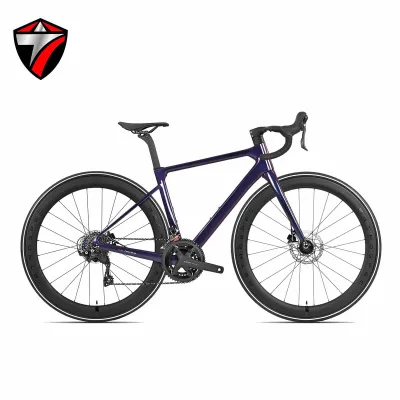
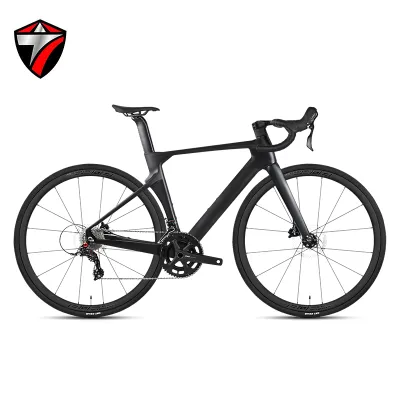
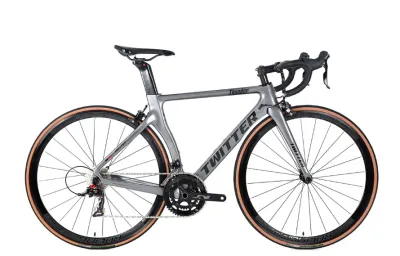
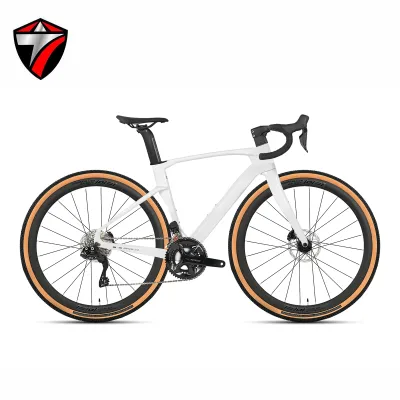
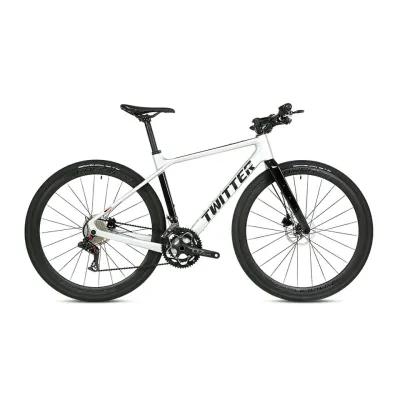
Prices are valid at publication and may change. Please refer to the product page for the latest price.
Furthermore, budget carbon bikes often achieve their appealing price points by making compromises on components. While the frame itself is carbon, the bike may be equipped with entry-level mechanical groupsets, heavier alloy wheelsets, and basic steel-rail saddles. In some cases, manufacturers mix and match drivetrain parts—using a branded rear derailleur paired with off-brand shifters, chains, or cranksets—to keep costs low. It is also common to see carbon-fork and alloy-frame hybrids marketed in similar price brackets. Cyclists must decide whether they prefer an entry-level full carbon frame with basic components or a high-quality aluminum frame paired with a carbon fork and higher-tier, more reliable components.
How to Evaluate a Twitter Full Carbon Road Bike
When considering a Twitter road bike, a systematic evaluation of the specific model is essential to ensure you are getting genuine value. Start by verifying the claimed carbon grade and frame construction methods. Because budget brands may use varying specifications across different production runs, you should check the manufacturer labels on the frame, request official dealer documentation, or consult the official brand store’s specifications. Do not rely solely on third-party product listings, which can sometimes contain copy-paste errors.

Next, closely inspect the component spec sheet. Pay close attention to the drivetrain and braking systems. Many budget carbon road bikes utilize mechanical disc brakes or rim brakes; if the bike features mechanical disc brakes, verify the brand and model of the calipers, as low-grade mechanical calipers can lack stopping power, especially during sudden downpours on steep descents like those in Antipolo or Teresa. Examine the wheelset as well; stock wheels on budget builds are typically heavy alloy models that, while durable enough for daily training, will limit the bike’s climbing responsiveness.
Finally, analyze the frame geometry charts. Twitter offers models ranging from relaxed endurance geometries to aggressive, aerodynamic racing profiles. An aggressive geometry features a shorter head tube and a longer reach, forcing your body into a low, aerodynamic tuck. While this is excellent for speed on flat coastal roads, it can cause significant lower back and neck strain if you lack the flexibility or core strength for it, particularly during long, hot rides in the tropical sun. Ensure the frame’s stack and reach measurements align with your physical capabilities and riding goals.
Comparing Twitter to Other Budget Carbon Options
When comparing Twitter to other budget carbon options available in the Philippines, several critical factors beyond the initial price tag come into play. The most important of these is the frame warranty and the presence of local distributor support. Some budget brands have established official, exclusive distributors in the country who maintain physical offices and authorized service centers. These distributors can facilitate quick warranty claims if a frame develops a structural defect. Conversely, brands that rely solely on parallel imports or independent bike shops may leave you with limited recourse if you need to claim a replacement frame, forcing you to deal with international shipping fees and long waiting periods.
Another point of comparison is the completeness and refinement of the frame’s design features. Look at the internal cable routing system. While internal routing gives the bike a clean, modern look, poorly designed internal channels without internal guide sleeves can make routine cable replacements incredibly difficult. In the humid, salty air of coastal Philippine roads, sweat and moisture can easily penetrate the frame, leading to premature cable corrosion and shifting degradation. Additionally, check the bottom bracket standard used by the frame. Threaded bottom brackets (such as BSA) are generally easier to service and less prone to developing annoying creaking noises than press-fit bottom brackets, which require highly precise frame manufacturing tolerances that budget brands sometimes struggle to maintain consistently.
You must also calculate the upgrade path. If a budget carbon bike comes with entry-level components that you plan to replace within a year, the total cost of ownership will quickly escalate. In many cases, saving up for a slightly more expensive model that already features a complete, mid-tier groupset and lighter wheels is more cost-effective than buying a baseline budget bike and upgrading the parts individually later.
Navigating Local Purchase Channels and Hidden Costs
Purchasing a budget carbon road bike in the Philippines involves navigating various retail channels, each with its own set of risks and hidden costs. If you choose to buy from an online marketplace or an independent importer, the bike will likely arrive partially assembled in a cardboard box. Unless you are an experienced mechanic with a high-quality torque wrench, you should budget for professional assembly and an initial tune-up at a reputable local bike shop. Carbon fiber is highly sensitive to over-tightening; using incorrect torque on the seatpost, handlebars, or stem can easily crush the carbon tubes, leading to catastrophic frame failure while riding.
Furthermore, you must factor in the cost of essential accessories that are rarely included with the bike. Budget for a quality helmet, front and rear safety lights for low-light or rainy conditions, bottle cages, a floor pump, and a set of pedals, as many road bikes are sold without pedals or only with basic plastic flats.
When purchasing, prioritize official brand stores or authorized local dealers over gray market imports. While gray market sellers might offer a slightly lower upfront price, they often cannot provide official warranty support. If you experience a frame failure due to a manufacturing defect, an unauthorized seller may deny your claim, leaving you with a useless piece of cracked carbon. An authorized dealer, however, is bound by manufacturer agreements to assist with legitimate warranty claims and can often source proprietary spare parts, such as replacement derailleur hangers, much more easily.
Making Your Final Decision: Is the Value Justified?
Ultimately, deciding whether a Twitter full carbon road bike is worth it depends on a realistic assessment of your riding goals, budget, and willingness to manage the maintenance of a carbon frame. If your primary goal is recreational riding, weekend group rides, and occasional long-distance touring on mostly paved roads, a budget carbon bike can provide an enjoyable, smooth-riding experience without breaking the bank.
However, you should establish clear go and no-go conditions before making your purchase. Proceed with the purchase if you can verify that the bike comes with a valid local warranty, the frame geometry matches your physical flexibility, and you have access to a professional mechanic who can properly assemble and maintain carbon components. On the other hand, you should halt the purchase if you find missing warranty documentation, suspiciously low pricing that suggests a counterfeit or damaged frame, or visible finish defects like ripples or soft spots in the carbon layup.
If you are a heavier rider, plan to carry heavy touring gear, or frequently ride on extremely rough, unpaved provincial roads, the structural demands on the frame will be significantly higher. In such cases, it may be wiser to wait, save your budget, and invest in a high-quality aluminum road bike with premium components, or save for a mid-tier carbon bike from a brand with a long-standing reputation for rigorous quality control and robust local support. Equipment and frame materials can never replace proper fit, training, and riding judgment.
Frequently Asked Questions (FAQ)
Are budget carbon frames safe for heavier riders?
Yes, but you must take specific precautions. Always check the manufacturer’s stated maximum system weight limit, which includes the rider, the bike, and any gear or water bottles. For heavier riders, the wheels are often the first point of failure rather than the frame itself. Inspect the wheelset’s spoke count; wheels with 24 or 28 spokes offer better load distribution and durability than low-spoke-count aerodynamic wheels. Additionally, verify the frame’s tire clearance. Running wider tires, such as 28mm or 30mm, at slightly lower pressures helps absorb road impacts, reducing the stress transmitted to both the carbon frame and your body.
Should I upgrade the wheels immediately after buying?
An immediate upgrade is rarely necessary for recreational riders, but it depends on your local road conditions and riding terrain. Stock alloy wheels on budget carbon bikes are typically heavy and built with basic hubs, which can feel sluggish on steep climbs. If you frequently ride in hilly areas or on rough roads with frequent potholes, upgrading to a lighter, more durable wheelset can noticeably improve your bike’s responsiveness and acceleration. However, if you are on a tight budget, a phased approach is highly recommended: ride the stock wheels until the bearings wear out or you have saved enough for a high-quality, reliable mid-tier wheelset, allowing you to get the maximum value out of your initial purchase.
Community discussion
Share your experience or ask a question. Comments are reviewed before publication.