
Comparing a Typti racket with other brands available in the Philippines requires looking closely at technical specifications, material composition, and overall build quality rather than relying solely on brand recognition. While mainstream brands offer extensive track records and professional endorsements, Typti rackets present an alternative option that can match your playing style if you carefully verify the frame’s physical properties. Making the right choice involves evaluating weight, balance, and construction details against your personal skill level and budget.
By focusing on objective metrics rather than marketing hype, you can determine whether a Typti racket offers the performance you need on the court. This guide provides a structured approach to comparing racket specifications, verifying material quality, and choosing the best equipment for your specific athletic goals.
Key Specifications to Compare Across Racket Brands
Weight and balance distribution are critical factors that dictate how a racket feels in your hand during a long match in the humid tropical climate. A head-light racket allows for faster swing speeds and quicker reactions at the net, which can significantly reduce arm fatigue during extended play sessions. Conversely, a head-heavy racket provides more natural power behind each stroke but requires more physical effort to swing consistently over time.
Products mentioned in this guide
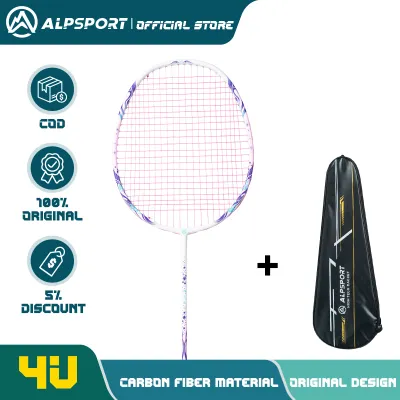
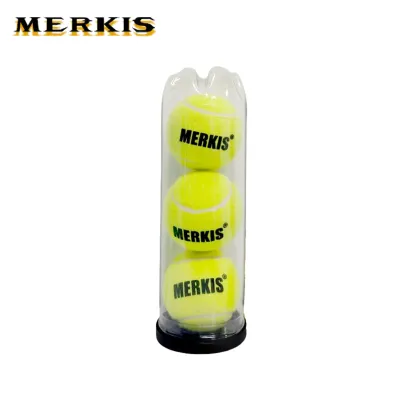
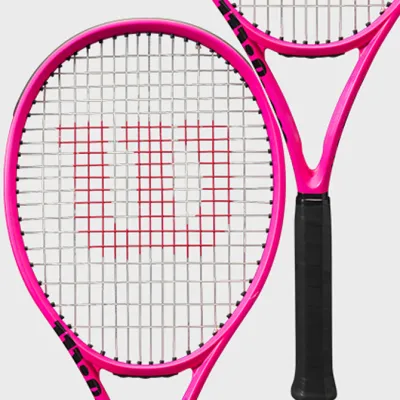
![[ONLINE EXCLUSIVE] WILSON Fusion Xl Tennis Recreational Racket](https://img.lazcdn.com/g/ff/kf/S9ee6dd6bb9284aca85cb86d0a03abb10H.jpg_400x400q80.jpg_.webp)
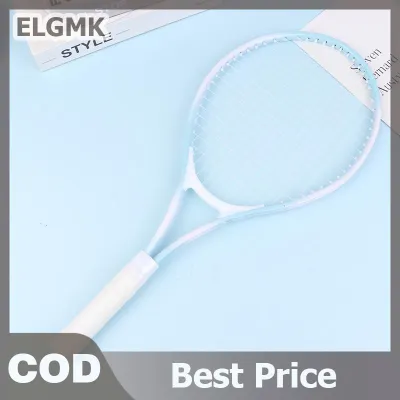
Prices are valid at publication and may change. Please refer to the product page for the latest price.
Head size and string pattern density directly influence the size of the sweet spot and the level of control you can exert over the ball. A larger head size offers a more forgiving sweet spot, making it easier to return off-center hits with decent power. A denser string pattern provides greater precision and control, whereas an open string pattern can generate more spin but may cause strings to wear out faster under high-humidity conditions.
Frame stiffness and vibration dampening features are also essential to compare using official manufacturer specifications. Stiffer frames transfer more energy to the ball for increased power, but they also transmit more shock to your wrist and elbow. Look for integrated dampening technologies or materials designed to absorb these vibrations, especially if you are prone to joint discomfort or tennis elbow.
Handle ergonomics and grip shape also vary subtly between manufacturers. Some brands design handles with more pronounced bevels, which help players feel their grip transitions more acutely, while others opt for a rounder profile that feels smoother in the hand. When comparing a Typti racket to other options, check if the handle shape matches your preferred grip style, as this small detail can greatly influence your control over the racket face.
How to Verify Build Quality and Material Specs
To ensure you are getting a durable product, you must identify the primary frame materials by examining product labels and official specification sheets. High-performance rackets typically utilize carbon fiber or graphite composites, which offer an excellent strength-to-weight ratio and long-term structural integrity. Entry-level models may use aluminum or basic composite blends, which are more affordable but less resilient under intense play.

Inspecting physical details is a practical way to assess a racket’s construction quality before hitting the court. Pay close attention to the grommet quality, as smooth and durable grommets protect the strings from premature shearing. You should also verify the maximum string tension limits specified by the manufacturer; exceeding these limits can warp or crack the frame, especially at the shaft-to-handle joint.
Comparing warranty terms and return policies is another vital step when evaluating Typti against mainstream alternatives. Established brands often have structured warranty programs and accessible customer service departments to handle manufacturing defects. When purchasing a Typti racket, check the seller’s return policy and after-sales support options to ensure you have recourse if the frame arrives with structural flaws.
The quality of the paint finish and the presence of integrated frame protection tape are additional indicators of overall build quality. A high-quality protective bumper guard along the top of the racket head prevents structural damage when scraping the court surface during low shots. Inspecting these external components can give you a clear indication of whether the manufacturer has prioritized long-term durability or cut corners on protective features.
Matching Racket Specs to Your Skill Level and Play Style
Selecting the right racket requires aligning its technical specifications with your current abilities and long-term court goals. Beginners generally benefit from larger head sizes, lighter overall frame weights, and highly forgiving sweet spots. These features help maximize power on slower swings and minimize frustrating mishits while you develop proper stroke mechanics.
Intermediate and advanced players usually require heavier frames, smaller head sizes, and denser string patterns to achieve precision control. A heavier racket provides the stability needed to handle fast-paced incoming balls, while a smaller head size allows for highly targeted shot placement. Transitioning to these specifications should be done gradually to avoid straining your muscles.
When physical demo rackets are unavailable for testing, you must estimate these factors by reading user reviews critically. Look for feedback from players who share your skill level, and pay attention to comments regarding real-world durability and feel. Be cautious of overly generic reviews, focusing instead on detailed descriptions of how the racket performs during specific drills or matches.
String tension customization is another critical factor that bridges the gap between racket specifications and your playing style. Lower string tensions generally provide more power and comfort due to a trampoline effect, which is highly beneficial for developing players. Higher string tensions offer superior control and accuracy for advanced players who can generate their own power, but they also require a more robust frame construction to handle the increased stress.
Evaluating Value and Verifying Authentic Purchasing Channels
Setting a realistic budget is the first step in finding the right balance between cost and performance. For instance, establishing a budget of ₱2,000 to ₱5,000 allows you to compare mid-range options across different brands without overspending. Consider your play frequency and commitment level; a casual weekend player may not need to invest in a premium carbon fiber frame, while an aspiring competitive player will benefit from a higher-quality build.
To avoid counterfeit products, always verify authorized retailers, official brand stores, and reputable sports equipment shops in the Philippines. Purchasing from verified sellers ensures that you receive an authentic product that meets the manufacturer’s quality standards. Be cautious when browsing online marketplaces, and look for official store badges or authorized dealer certificates.
Several red flags can help you identify potentially counterfeit or low-quality rackets. Unrealistic discounts that seem too good to be true, missing manufacturer tags, and incomplete specification labels are strong indicators of a counterfeit item. Additionally, avoid unauthorized third-party resellers who cannot provide clear details about the product’s origin or warranty coverage.
When evaluating value, it is helpful to calculate the total cost of ownership rather than just the initial purchase price. A cheaper racket that requires frequent restringing or suffers from rapid frame fatigue may end up costing more over a single season than a slightly more expensive, durable model. Factor in the local availability of stringing services and the cost of high-quality strings to get a complete picture of your investment.
Decision Framework: When to Choose Typti vs. Alternatives
A Typti racket can be an excellent choice if its specific weight, balance, and material specifications align perfectly with your play style and budget constraints. If you find a model that offers the exact frame stiffness and head size you desire at a competitive price point, it can serve as a highly capable tool for recreational play and skill development.
On the other hand, choosing established alternative brands is advisable if you require widely available replacement parts, specific professional endorsements, or extensive local demo programs. Mainstream brands often make it easier to test different models before buying and offer a broader network of local shops for restringing and maintenance services.
Finally, verify whether your intended use involves official tournament play, specialized coaching requirements, or strict equipment regulations. Some organized leagues and local associations enforce specific rules regarding racket dimensions, branding, and material composition. Ensuring your equipment complies with these standards beforehand will prevent any unexpected disqualifications on match day.
If you are currently working with a coach or enrolled in a training program, consult them before making your final decision. Coaches often have specific recommendations based on your stroke mechanics and physical development, and they can help you determine if a Typti racket’s specifications are suitable for your training regimen. Their hands-on experience can prevent you from purchasing a racket that might hinder your technical progress.
Frequently Asked Questions (FAQ)
Are Typti rackets approved for official tournament play?
To determine if a Typti racket is approved for competitive matches, you must consult the specific rulebooks of the governing body for your sport, such as the International Tennis Federation (ITF) or the International Table Tennis Federation (ITTF). These organizations maintain strict guidelines regarding racket dimensions, surface materials, and structural design. It is highly recommended to verify these details, along with any local organizing body rules, before registering for an official tournament.
How do I determine the correct grip size before buying online?
You can find your correct grip size by using standard measurement methods, such as the index finger test on a physical racket or by measuring the distance from the middle crease of your palm to the tip of your ring finger. If you are between sizes or purchasing online without testing, it is generally safer to choose the smaller size. You can easily increase the handle thickness and improve sweat absorption in warm weather by wrapping a high-quality overgrip around the handle.
Community discussion
Share your experience or ask a question. Comments are reviewed before publication.