
Evaluating a diving flashlight like the DA16MAX requires looking past flashy marketing numbers to understand how its specifications translate to real-world underwater conditions. In the tropical waters of the Philippines, where visibility can shift rapidly due to thermoclines, currents, and suspended organic matter, your primary dive light is a critical safety tool. To determine if this specific model fits your dive profile, you must analyze how its lumen output, beam angle, battery runtime, and depth rating perform under actual diving conditions.
Decoding Lumen Output and Beam Angle
When reviewing the DA16MAX specifications, it is vital to distinguish between peak lumens and sustained output. Flashlight manufacturers often advertise the maximum lumen rating, which represents the absolute brightest output the LED can produce on a fully charged battery. However, due to heat buildup and battery depletion, most dive lights automatically step down to a lower, sustained lumen level after a few minutes of continuous use. In dense or particulate-heavy water, a high sustained output is necessary to cut through the murk, but excessive brightness can also cause backscatter, reflecting light directly back into your eyes.
The beam angle is equally critical in determining how that light is distributed. A narrow spot beam (typically under 10 degrees) concentrates light into a tight, intense column, making it ideal for cutting through low-visibility water, exploring deep crevices, or signaling your dive buddy. Conversely, a wide flood beam (often 60 degrees or wider) distributes light evenly over a large area, which is essential for underwater photography or illuminating wide reef scenes. Because the DA16MAX is designed for underwater use, you should check its official manual or packaging to verify whether it features a spot beam, a flood beam, or an adjustable combination of both to match your specific diving activities.
Products mentioned in this guide
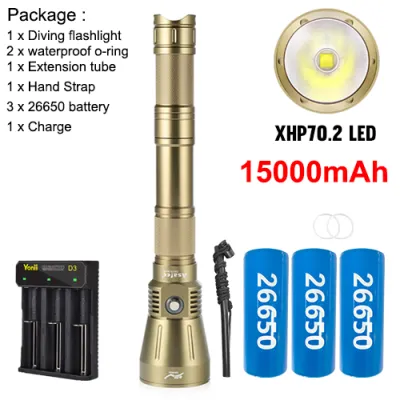
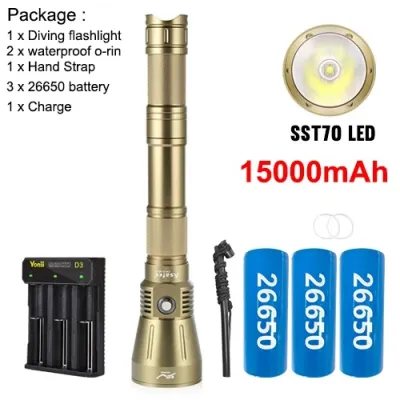
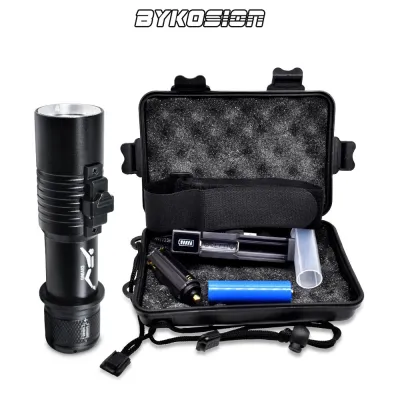
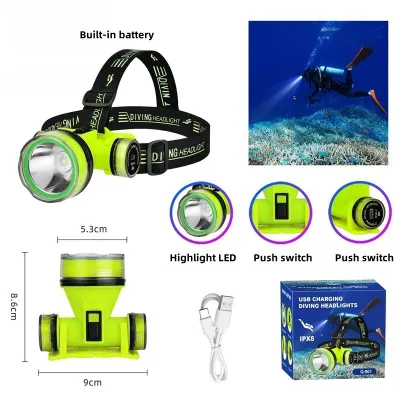
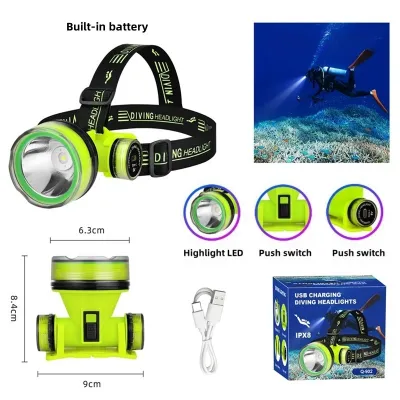
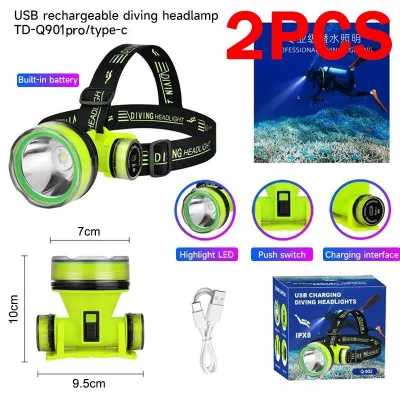
Prices are valid at publication and may change. Please refer to the product page for the latest price.
Evaluating Battery Life and Runtime
Battery performance underwater is heavily influenced by environmental factors and power management. While tropical waters in the Philippines are generally warm, deeper thermoclines can still introduce cooler temperatures that reduce battery efficiency. Continuous operation on the highest lumen setting drains power rapidly, meaning a light that promises hours of runtime on low power might only last a fraction of that time on its maximum setting.

To plan your dives safely, you must understand how the flashlight manages its power delivery. A regulated output maintains a consistent level of brightness throughout the battery cycle until the power is nearly exhausted, at which point it may drop sharply or shut off. An unregulated output, on the other hand, causes the light to dim gradually from the moment you turn it on. Before heading out on a boat, verify the DA16MAX battery type, charging interface, and official runtime chart on the manufacturer’s label to ensure the light will remain sufficiently bright for your entire planned bottom time plus a safety margin.
Understanding Depth Ratings and Waterproofing
A dive light’s depth rating is a measure of its structural integrity under pressure, not just a general waterproof label. Ratings like IPX8 indicate that a device can withstand continuous immersion, but for scuba diving, you must look for a specific depth rating measured in meters or atmospheres. As you descend, water pressure increases significantly, compressing seals and putting physical stress on the flashlight’s housing and lens.
To prevent catastrophic flooding, you must match the flashlight’s rated depth to your planned dive profile. Exceeding this limit, even briefly, can compress the seals to the point of failure, destroying the internal electronics. Before every dive, perform a meticulous inspection of the flashlight’s O-rings, checking for any dirt, sand, hair, or cracks that could compromise the seal. Always confirm the maximum operating depth of the DA16MAX in the official product documentation, keeping in mind that dynamic movements underwater can temporarily increase the pressure exerted on the seals.
How to Verify Your DA16MAX Specifications
With many online marketplaces and e-commerce platforms hosting third-party listings, it is easy to encounter exaggerated or inaccurate product descriptions. For critical safety equipment like a diving flashlight, you should never rely solely on unverified retail descriptions. Instead, cross-reference the physical unit in your hands with the official user manual or the manufacturer’s certified website.
Inspect the physical build quality of your DA16MAX, paying close attention to the anodized aluminum housing, the reliability of the switch mechanism, and the double O-ring seals on the battery compartment. Check the printed markings on the flashlight body itself, which often list the certified depth rating and battery requirements. Consulting the official documentation ensures you are operating within safe limits and using the correct battery chemistry, protecting both your investment and your safety underwater.
Frequently Asked Questions (FAQ)
Is the DA16MAX suitable for night diving?
A reliable primary light is mandatory for night diving, and it must be paired with a functional backup light. To determine if the DA16MAX is suitable as your primary night diving light, compare its official lumen output and beam angle against standard safety guidelines, which typically recommend a clear, focused beam for navigation and signaling. Additionally, ensure the battery runtime comfortably exceeds your planned dive time, and always verify that the light meets any specific requirements set by your local dive operator or resort.
How should I maintain the O-rings before a dive?
Proper O-ring maintenance is the single most effective way to prevent your dive light from flooding. Before every dive, carefully remove the O-rings using a non-sharp tool, wipe them clean with a lint-free cloth, and inspect them for any signs of wear, flattening, or debris. Apply a very light coat of the specific lubricant recommended in the DA16MAX user manual—usually 100% silicone grease—to keep the rubber supple, avoiding petroleum-based lubricants which can degrade the seals and cause them to fail under pressure.
Community discussion
Share your experience or ask a question. Comments are reviewed before publication.