
Selecting the right basketball is essential for consistent shooting, dribbling, and overall court performance. The Molten B7G4500 is a premium composite leather basketball designed to meet the rigorous demands of competitive indoor play. By understanding its specific physical dimensions, material composition, and design features, players can make an informed decision on whether this ball aligns with their playing style and local court conditions.
For players in the Philippines, where high humidity and tropical temperatures are constant factors, a basketball’s specifications directly influence how it handles during a fast-paced game. The ball’s ability to retain grip when wet, maintain a predictable bounce, and withstand the heat of local indoor gymnasiums depends entirely on its structural engineering. Examining these details closely ensures you get a ball that performs reliably from the opening tip-off to the final buzzer.
Core Specifications to Check on the Label
Before taking a new basketball to the court, it is important to verify its fundamental physical specifications. The Molten B7G4500 is a standard Size 7 basketball, which is the official size used in men’s high school, collegiate, and professional leagues worldwide. You can confirm this by checking the manufacturer’s markings printed directly on the outer cover or the product packaging.
Products mentioned in this guide
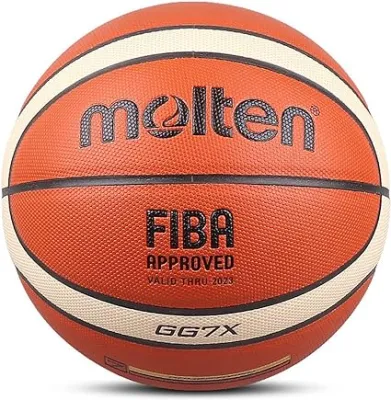
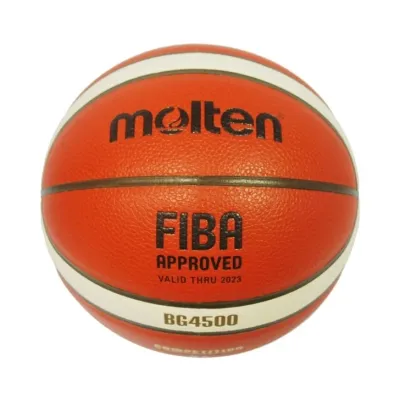
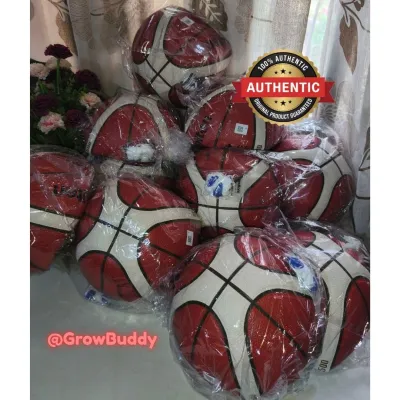
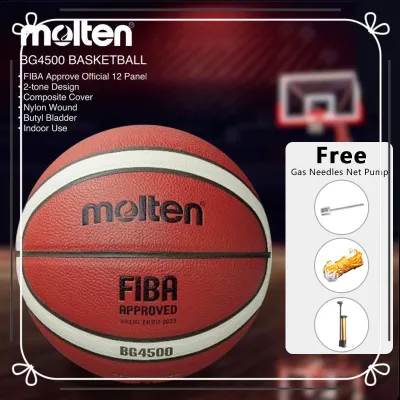
Prices are valid at publication and may change. Please refer to the product page for the latest price.
A standard Size 7 basketball typically features a circumference ranging between 74.9 and 78 centimeters. Along with this circumference, the official weight of the ball should fall between 567 and 650 grams. These dimensions are carefully regulated to ensure that players can develop consistent muscle memory for shooting and ball handling, regardless of the venue.
Another critical specification to verify is the recommended inflation pressure. This is usually printed as a range near the inflation valve, measured in pounds per square inch (PSI) or bar. Keeping the ball inflated to the manufacturer’s exact recommendation is vital; under-inflation leads to a sluggish, low bounce, while over-inflation can warp the inner butyl bladder and cause the ball to feel rock-hard.
Keep in mind that slight manufacturing tolerances can exist. When you first unbox the ball, it may feel slightly lighter or heavier than expected until it is properly inflated and broken in. Using a reliable pressure gauge and a standard measuring tape allows you to verify these physical properties before your first practice session.
How Material and Panel Design Affect Grip and Feel
The cover material of a basketball determines how it interacts with your hands and the court surface. The Molten B7G4500 utilizes a premium composite leather cover, which is engineered to provide a soft, cushioned feel that closely mimics genuine leather. This synthetic material is highly valued for its consistent texture and excellent durability under standard playing conditions.

In tropical climates like the Philippines, sweat and humidity are major challenges during intense games. A key advantage of high-quality composite leather is its moisture-absorbing capability. The material is designed to disperse sweat from your palms, preventing the ball from becoming slick and slippery during crucial plays, crossovers, or fast breaks.
The panel design also plays a significant role in handling and flight stability. This model features Molten’s signature 12-panel configuration, which differs from the traditional 8-panel design seen on many other basketballs. By increasing the number of panels, the design introduces more recessed seams across the surface of the ball.
These additional seams provide extra finger-contact points for players. When catching a pass or preparing to shoot, your fingers are more likely to find a seam quickly, allowing for better spin control and alignment. Furthermore, the contrasting color scheme of the panels enhances visual tracking, helping players and coaches monitor the ball’s rotation and trajectory through the air.
It is important to set realistic expectations regarding the initial feel of the ball. Out of the box, the composite leather may feel somewhat stiff or slick. This is completely normal for premium synthetic covers, which require a dedicated break-in period to reach their optimal softness, tackiness, and responsiveness.
Matching the Ball to Your Playing Environment
To get the most value out of your basketball, you must match its construction to the surface where you play most often. The composite leather cover of this model is optimized for indoor hardwood, polished concrete, or synthetic court surfaces. On these smooth indoor courts, the material experiences minimal abrasion, allowing the grip and texture to last for multiple seasons.
While it can be tempting to take this ball to local outdoor courts, doing so will significantly shorten its lifespan. Rough outdoor surfaces like asphalt, coarse concrete, or dirt courts act like sandpaper on composite leather. The abrasive friction will quickly wear down the pebbled texture, leading to a smooth, slippery surface and potential peeling along the panel seams.
Proper maintenance is key to preserving the integrity of the composite material. After a dusty or sweaty game, wipe the ball down with a clean, slightly damp microfiber cloth to remove dirt and oils. Avoid using harsh chemical cleaners, dish soaps, or submerging the ball in water, as these can dry out the synthetic leather and damage the internal bladder.
Storage conditions also affect the ball’s shape and pressure. Always store your basketball in a cool, dry indoor space away from direct sunlight. Leaving the ball in a hot car trunk or exposed to the elements on a balcony can cause the air inside to expand, warping the ball’s symmetry and degrading the outer adhesives.
Verifying Official Standards and Authenticity
When purchasing a competitive-grade basketball, verifying its authenticity and official certifications ensures you are getting a high-quality product. Look for official federation approval stamps, such as the FIBA logo, printed on the surface. This mark indicates that the ball has passed rigorous testing for bounce consistency, roundness, and weight retention under competitive conditions.
Inspect the physical construction of the ball carefully before purchase. Genuine models exhibit clean, precise seams with no visible glue overflow, uneven panel gaps, or asymmetrical shapes. The inflation valve should be perfectly centered and flush with the surrounding cover, ensuring a tight seal that prevents slow air leaks over time.
To protect your investment and ensure you receive a genuine product, always purchase from authorized sporting goods retailers, official brand stores, or verified distributors. Buying from reputable sources guarantees that the product meets safety standards and is backed by reliable customer support if any manufacturing defects arise.
Frequently Asked Questions (FAQ)
Is the Molten B7G4500 suitable for outdoor concrete courts?
The Molten B7G4500 is primarily designed for indoor use on hardwood or polished courts. While you can play with it on outdoor concrete, the highly abrasive surface will rapidly wear down the composite leather cover, smooth out the pebbled grip, and potentially cause the panels to peel. For regular outdoor play, it is highly recommended to use a basketball specifically rated for outdoor or concrete surfaces.
How long does it take to break in a new composite leather basketball?
A new composite leather basketball typically requires about two to three weeks of regular indoor use to break in fully. You can accelerate this process by using the ball during daily dribbling drills, passing practices, and shooting sessions. Avoid using leather conditioners, oils, or soaking the ball in water to soften it, as these substances can permanently ruin the synthetic cover and degrade the grip.

Community discussion
Share your experience or ask a question. Comments are reviewed before publication.