
Selecting a scuba air cylinder requires understanding how its physical specifications translate to your safety, comfort, and dive time underwater. These specifications—including capacity, working pressure, and material composition—determine how much breathing gas you can carry, how the tank’s buoyancy changes during a dive, and how it pairs with your regulator. In tropical diving environments like the Philippines, where high humidity, warm salt water, and boat-based entries are standard, choosing the right cylinder is not just about staying underwater longer; it is about ensuring your gear can withstand the elements and match your physical capabilities. Remember that no piece of equipment can replace formal training, certification, and sound dive planning. Always assess your personal limits, perform pre-dive safety checks, and stop the dive if any equipment behaves unexpectedly.
Decoding Cylinder Capacity: What the Numbers Mean
When looking at a scuba air cylinder, the capacity rating can be confusing because of how volume is measured. Manufacturers typically label cylinders using either nominal gas capacity (measured in cubic feet in imperial systems) or internal water volume (measured in liters in metric systems). For example, a standard aluminum tank often referred to as an “80” does not actually hold 80 cubic feet of physical space; rather, it holds approximately 80 cubic feet of atmospheric air when compressed to its maximum rated working pressure.
To understand how much breathing gas you actually have, you must distinguish this compressed gas capacity from the physical water volume of the tank. The water volume represents the actual liquid capacity of the empty cylinder if you were to fill it with water. A cylinder with a smaller water volume can hold the same amount of gas as a larger one if it is rated for a much higher working pressure.
Products mentioned in this guide
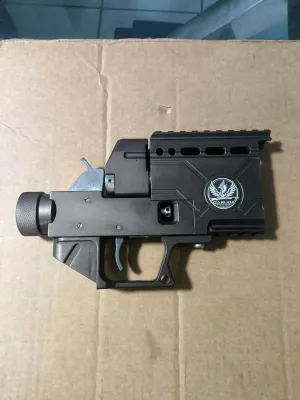
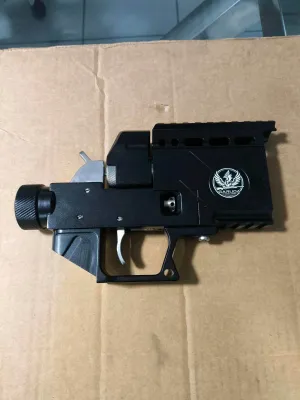
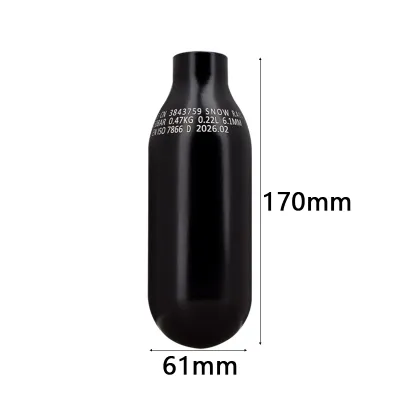
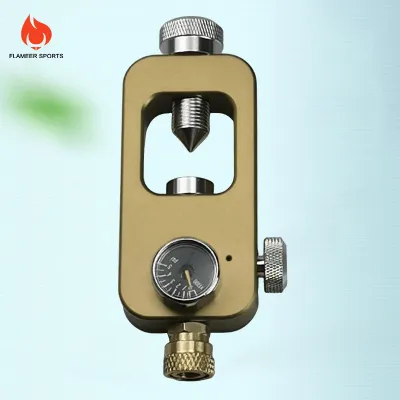
Prices are valid at publication and may change. Please refer to the product page for the latest price.
Physical size and weight also play a major role in your diving logistics. In tropical destinations where dives are frequently conducted from outrigger boats, managing heavy, bulky cylinders on a moving deck requires physical strength and careful handling. Larger cylinders take up more physical space, affect boat weight distribution, and can be cumbersome to transport from the dive shop to the water.
Before purchasing or renting, always check the manufacturer’s specifications stamped directly onto the cylinder’s neck. This stamped data provides the official, verified internal volume and rated capacity, ensuring you do not rely solely on common naming conventions that might slightly overestimate the actual gas volume available to you.
Understanding Working Pressure and Fill Limits
Every scuba air cylinder is engineered to operate safely within a specific pressure range, known as the working pressure. This limit is permanently stamped onto the neck of the cylinder, typically expressed in pounds per square inch (psi) or bar. Common working pressures include 3000 psi (207 bar) for standard aluminum cylinders and up to 3442 psi (237 bar) or higher for high-pressure steel cylinders.

Exceeding the manufacturer’s stamped working pressure is a critical safety hazard. Overfilling a cylinder puts extreme stress on the metal walls and the valve assembly, increasing the risk of catastrophic structural failure or valve rupture. Responsible fill stations will always check these stamps before connecting the tank to a compressor, and you should inspect the pressure gauge during the fill process to ensure the limit is respected.
Additionally, you must verify that your regulator’s first stage and submersible pressure gauges are rated to handle the specific working pressure of your cylinder. Standard yoke (INT) regulators are generally rated for pressures up to 232 bar, while DIN regulators can handle higher pressures up to 300 bar. Using an incompatible regulator or forcing a connection can lead to high-pressure leaks, damaged O-rings, or equipment failure at depth.
Aluminum vs. Steel: Choosing the Right Material
The choice between aluminum and steel cylinders significantly affects your underwater trim, buoyancy, and long-term maintenance routines. Aluminum cylinders are highly popular due to their lower initial cost and excellent resistance to external corrosion. However, aluminum is a softer metal, requiring thicker walls to withstand high pressures, which makes the cylinder physically larger and heavier on land relative to its gas capacity.
One of the most critical differences between the two materials is how their buoyancy shifts as you consume gas. Aluminum cylinders start the dive slightly negatively buoyant but become positively buoyant as the heavy compressed air is breathed down. This shift can cause the tank to float up at the end of the dive, potentially disrupting your safety stop if you have not adjusted your weight belt accordingly. Steel cylinders, being denser, remain negatively buoyant throughout the entire dive, allowing you to carry less lead weight on your harness.
Steel cylinders also feature thinner walls due to the high tensile strength of the alloy, resulting in a more compact physical profile for the same volume of gas. This compact size can improve carrying comfort and reduce lower back strain during shore entries.
However, steel is highly susceptible to internal and external rust, especially in humid, tropical coastal environments. Maintenance requires vigilant visual inspections. Divers must regularly check for bubbling paint, external rust spots, and internal oxidation. Aluminum tanks, while resistant to rust, must be monitored for neck thread cracking and internal oxidation, which appears as a white, powdery residue.
Matching Cylinder Specs to Your Diving Profile
Selecting the right scuba air cylinder requires matching the tank’s specifications to your personal breathing rate, typical dive depths, and physical comfort. Your Surface Air Consumption (SAC) rate determines how quickly you breathe through a given volume of gas. Divers with higher breathing rates or those planning deeper dives will benefit from larger capacity cylinders to ensure adequate reserve gas for safety.
Physical considerations should also guide your choice. If you frequently travel or participate in shore dives that require walking over uneven terrain, a lighter or more compact cylinder can prevent physical fatigue. Conversely, if you primarily dive from stable boats, a heavier steel cylinder might be preferred for its favorable buoyancy characteristics.
Ultimately, equipment selection is a highly individualized process. If you are unsure which specifications best suit your body size, physical strength, and diving style, stop and consult a certified dive professional or instructor. A qualified professional can provide personalized gear fitting, help you conduct buoyancy checks in a controlled environment, and ensure your cylinder matches your overall gear configuration safely.
Frequently Asked Questions (FAQ)
How often does a scuba cylinder need hydrostatic testing?
A scuba cylinder requires regular professional inspections to verify its structural integrity. Generally, cylinders must undergo a visual inspection once a year and a hydrostatic test every three to five years, depending on local regulations and manufacturer guidelines. The hydrostatic test involves pressurizing the cylinder in a water jacket to measure its expansion and ensure the metal has not fatigued. You can locate the stamped test dates on the cylinder neck, which show the month and year of the last successful test along with the testing facility’s unique mark. Always consult local dive shops or regional maritime authorities to verify the specific compliance rules and testing schedules required in your area.
Can I use any regulator with any scuba cylinder valve?
No, you cannot use any regulator with any cylinder valve without verifying compatibility. The two primary connection types are Yoke (INT) and DIN. Yoke regulators slip over the cylinder valve and clamp in place, whereas DIN regulators screw directly into the inside of the valve thread. You must check both the physical connection type and the pressure rating of your regulator’s first stage to ensure they match the cylinder valve. High-pressure cylinders require DIN connections to handle the elevated pressure safely. Before entering the water, always verify that the connection is secure, the threads are clean, and an undamaged O-ring is in place to ensure a safe, leak-free seal.
Community discussion
Share your experience or ask a question. Comments are reviewed before publication.