
When searching for a high-performance badminton racket, terms like “yonex graphite throttle” often surface in product descriptions, translation glossaries, or player discussions. This term typically refers to the structural design of the racket’s throat—the critical V-shaped transition joint where the shaft meets the frame—and how specialized graphite materials are layered in this high-stress zone. Understanding how these carbon specifications influence your racket’s behavior is key to selecting gear that complements your swing speed, power, and control on the court.
In badminton, the throat area acts as the anchor of the racket’s overall stability. When you swing, the shaft bends and twists, transferring energy from your arm to the frame face. If the throat lacks structural integrity, the racket face can twist during impact, causing off-center shots to fly wide. By analyzing how graphite composition and throat construction work together, you can make an informed decision next time you browse an online marketplace or visit a local pro shop.
Clarifying the "Graphite Throttle" Terminology
To make an informed purchase, you must first verify the exact technology or structural feature referred to by this term on official spec sheets. In many retail listings and regional catalogs, “throttle” is a translation variation of the word “throat.” The throat is the triangular or V-shaped joint area connecting the head of the racket to the shaft. Yonex often integrates specific technologies in this area, such as a built-in T-joint or specialized graphite layups, to manage torque and improve stability.
Products mentioned in this guide
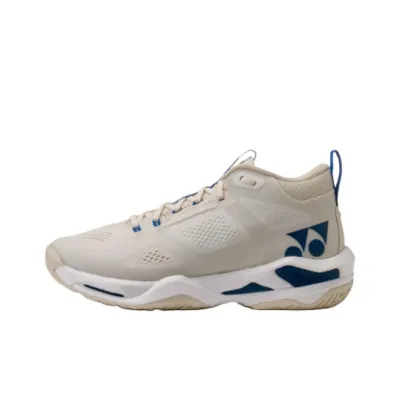
Prices are valid at publication and may change. Please refer to the product page for the latest price.
When examining a racket, look closely at the material composition labels typically printed directly on the shaft or near the cone. You will often see terms like “High Modulus Graphite,” “Super H.M. Graphite,” or proprietary resin names. These labels indicate the grade of carbon fiber used in the construction. High modulus graphite is stiffer and more responsive, while standard graphite offers more flexibility and durability at a lower price point.
It is important to remember that material names on spec sheets indicate structural composition rather than guaranteed performance outcomes. A racket labeled with advanced carbon materials will not automatically make your smashes faster or your drops more precise. Instead, these specifications tell you how the frame is engineered to behave under load, serving as a guide for how the racket might complement your physical technique.
How Graphite Composition Influences Racket Performance
Graphite, or carbon fiber composite, is the industry standard for modern badminton rackets because it provides an exceptional balance of lightweight construction and structural stiffness. Unlike steel or aluminum, which are heavy or prone to permanent bending, graphite can be engineered to flex and snap back into shape almost instantly. This rapid recovery is what allows players to generate high shuttle speeds with minimal physical effort.

The way the graphite is layered along the shaft and frame directly dictates the racket’s flexibility and rigidity. A stiff shaft requires faster swing speeds and stronger wrist action to bend, but it delivers highly predictable shuttle placement because the frame does not lag behind your hand movement. Conversely, a flexible shaft acts like a whip, bending easily during the backswing and releasing stored energy at impact, which assists players who are still developing their raw power.
Frame rigidity also plays a major role in shock absorption. When a shuttle impacts the string bed, the resulting vibrations travel down the frame, through the throat, and into your hand. Stiffer frames transmit more direct feedback, which advanced players use to gauge the quality of their shots. More flexible frames tend to absorb and dissipate these vibrations, offering a softer feel that can be gentler on the elbow and shoulder during long sessions.
Evaluating the Impact on Power, Control, and Feel
When evaluating how graphite specifications affect your power, you must look at how the material stiffness and weight distribution influence repulsion. A racket with high-density graphite in the throat and shaft resists twisting during a heavy smash. This resistance ensures that the maximum amount of kinetic energy is transferred directly into the shuttle, resulting in a crisp, high-velocity shot. If the throat area is too flexible, energy is lost to lateral movement, softening your offensive play.
Control relies heavily on the torsional stability of the frame. When you execute a delicate drop shot or a tight net play, even a fraction of a millimeter of twisting in the racket head can cause the shuttle to hit the net tape. High-quality graphite construction in the throat prevents this twisting, keeping the racket face perfectly aligned with your swing path. This stability gives you the confidence to aim for the lines, knowing the racket will respond predictably.
Feel is the sensory feedback you receive at the moment of impact, and it is highly dependent on material dampening. In tropical climates like the Philippines, where high humidity can soften string tension and alter the feel of the shuttle, having a racket with clear feedback is essential. A well-engineered graphite throat filters out harsh, high-frequency vibrations while preserving the solid, low-frequency thud that tells you exactly where the shuttle made contact on the string bed.
Matching Graphite Specs to Your Playing Style
To find the right racket, you must assess your own swing speed and wrist strength rather than simply buying the most expensive model available. If you have a fast, explosive swing, a stiff racket with high-modulus graphite in the throat will match your tempo. If your swing is slower or you rely more on full-arm movement rather than quick wrist snaps, a medium or flexible racket will help you clear the shuttle from baseline to baseline without straining your muscles.
Your role on the court also dictates your material needs. In singles play, where rallies are longer and court coverage is paramount, players often prefer rackets that offer a balanced blend of control and depth generation. In fast-paced doubles play, where quick defensive drives and rapid-fire net interceptions dominate, a lighter racket with a highly stable throat allows for faster recovery times and quicker flat exchanges.
Before committing to a purchase, always test rackets in real-court conditions if possible. Many local clubs and sports centers in the Philippines allow players to rent or demo rackets. Testing a racket on an actual indoor court—where you can feel how the frame cuts through the humid air and how it handles real shuttle impacts—is far more valuable than relying solely on spec sheet claims. Consult official manufacturer guidelines to match your skill level with the recommended shaft flex and weight distribution.
Frequently Asked Questions (FAQ)
Is a full graphite frame always better than composite alternatives?
For competitive and regular recreational play, a full graphite frame is generally superior to aluminum or composite blends. Pure graphite rackets are significantly lighter, allowing for faster reaction times, and they retain their structural shape without warping over time. Aluminum or steel-composite rackets are highly durable and budget-friendly, making them excellent for casual backyard play or school physical education classes, but they lack the performance ceiling, repulsion power, and vibration dampening required for serious badminton development.
How can I verify the material specifications of a Yonex racket before buying?
To ensure you are getting genuine graphite technology, always inspect the physical racket before purchasing. Look for the official holographic authenticity sticker on the cone, which should shift colors when tilted. Check the spec sticker on the shaft, which details the weight class (such as 3U or 4U), grip size, and recommended string tension. Finally, inspect the joint molding quality at the throat; genuine rackets feature seamless transitions without rough paint edges, uneven gaps, or visible glue residue around the joint area.
Community discussion
Share your experience or ask a question. Comments are reviewed before publication.