
Quick Answer: Matching Tricycle Types to Your Primary Goal
Choosing a bike with 3 wheels for an adult depends on your physical comfort, storage space, and what you plan to carry. If you want a familiar, easy-to-ride option for short neighborhood errands, an upright tricycle is the classic choice. For those seeking ergonomic support to reduce joint strain during longer fitness rides, a recumbent tricycle offers a reclined, low-impact position. If your primary goal is hauling heavy loads, groceries, or equipment through local streets, a dedicated cargo tricycle provides the specialized frame and stability you need.
Each design comes with distinct trade-offs. Upright models offer excellent visibility in traffic but can feel unstable at higher speeds or on sharp turns. Recumbent trikes excel in comfort and aerodynamics but sit very low to the ground, making them harder for motorists to spot. Cargo trikes handle massive payloads but require significant storage space and physical effort to maneuver, especially when starting from a complete stop on an incline.
Upright Tricycles: The Classic Choice for Casual and Local Riding
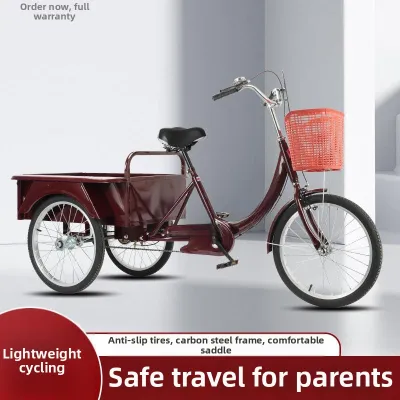
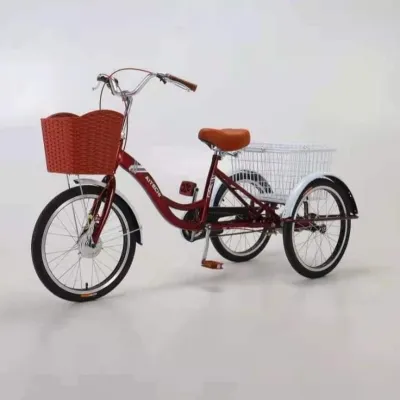
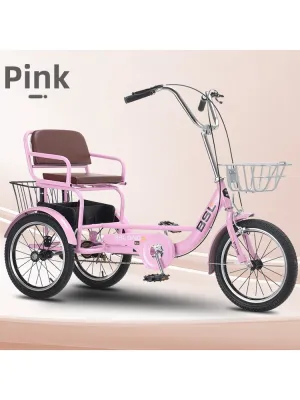
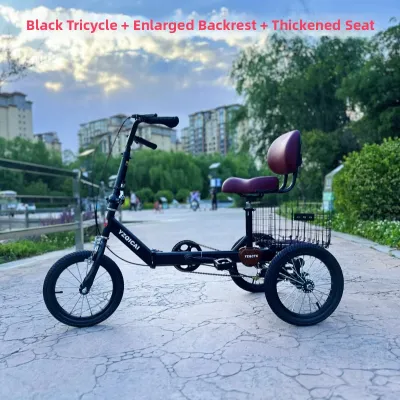
The upright tricycle represents the traditional silhouette most people picture when imagining a bike with 3 wheels for an adult. This design positions you in a familiar, vertical riding posture similar to a standard bicycle, which naturally elevates your line of sight. This high vantage point is highly beneficial when navigating busy local streets, shared paths, or suburban neighborhoods, as it allows you to see over parked cars and makes you highly visible to other road users.
Products mentioned in this guide

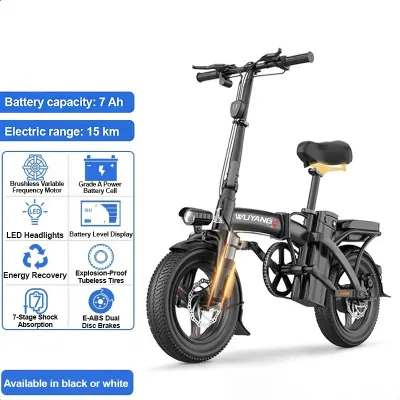
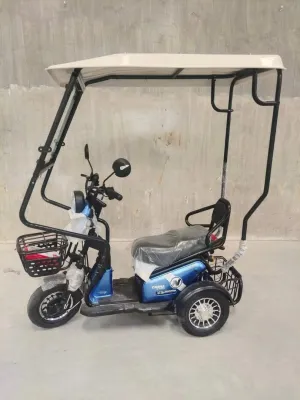
Prices are valid at publication and may change. Please refer to the product page for the latest price.

These models are ideal for casual, low-speed activities such as short leisure rides, quick trips to the local market, or gentle exercise. Because they feature two wheels in the rear and one in the front, they remain stable at a complete stop, eliminating the need to balance with your feet when waiting at intersections. This makes them an excellent entry point for riders who want to stay active without the learning curve or balancing demands of a traditional two-wheeled bicycle.
Before purchasing an upright model, you must verify several physical specifications to ensure a safe and comfortable fit. Look closely at the step-through frame clearance; a lower step-through height allows you to mount and dismount the tricycle without lifting your leg excessively high, which is crucial for riders with limited hip mobility. Additionally, check the range of seat and handlebar adjustability to ensure you can achieve a proper leg extension while keeping your back relatively straight.
Finally, pay close attention to the rear basket weight limits specified by the manufacturer. While these baskets are highly convenient for carrying light groceries or personal items, overloading them can severely affect the tricycle’s center of gravity. When a rear basket is packed past its recommended capacity, the front wheel can lose traction, making steering unpredictable and increasing the risk of tipping on uneven pavement or when turning corners.
Recumbent Tricycles: Prioritizing Back Support and Aerobic Fitness
For riders who experience discomfort on traditional bicycle seats, a recumbent tricycle offers an engineered solution focused on ergonomic support. By placing the rider in a reclined, feet-forward position, these trikes distribute your body weight across a much larger surface area, specifically supporting the hips and lower back. This layout significantly reduces pressure on your wrists, neck, and shoulders, allowing you to enjoy extended aerobic exercise sessions without the typical soreness associated with upright riding.
However, the unique geometry of a recumbent design introduces specific trade-offs that you must evaluate against your riding environment. Because you sit much closer to the ground, your visibility to motorists is drastically reduced, particularly when navigating intersections or riding alongside larger vehicles. Additionally, recumbent trikes typically feature a wider wheelbase and a longer frame, resulting in a much larger turning radius and requiring substantial storage space in your home or garage.
When shopping for a recumbent model, your first verification step should focus on the seat construction. Test the tension of the mesh or the padding of the bucket seat to ensure it provides adequate lumbar and hip support without creating pressure points. Because your legs extend forward rather than downward, a supportive seat is essential for transferring power efficiently to the pedals without straining your lower back.
You must also carefully inspect the gearing range of the tricycle, especially if you live in an area with rolling hills or steep inclines. Because you cannot stand up on the pedals to gain extra leverage as you would on an upright bike, you rely entirely on low gear ratios to climb hills. Verify that the drivetrain offers sufficiently low gears to allow for a high pedaling cadence on climbs, preventing knee strain and ensuring you do not stall on steep sections.
Cargo Tricycles: Maximizing Utility for Hauling and Family Tasks
When your daily routine involves transporting heavy goods, tools, or large market loads, a dedicated cargo tricycle serves as a robust utility vehicle. These trikes are specifically engineered with reinforced frames and heavy-duty components to handle payloads that would compromise the stability of standard three-wheelers. They generally fall into two design categories: front-loading models, where the cargo box sits between the two front wheels, and rear-loading models, which feature an extended rear rack or large bin behind the rider.
The placement of the cargo area fundamentally alters how the tricycle steers and balances. Front-loading cargo trikes allow you to keep an eye on your payload at all times, which is highly beneficial when carrying fragile items, but they require a distinct steering technique as you push the entire cargo box to turn. Rear-loading models steer more like traditional tricycles but require careful load distribution to prevent the front wheel from lifting when climbing hills or accelerating.
Before committing to a cargo model, you must verify the maximum payload capacity and the exact dimensions of the cargo bed with the manufacturer. Ensure these specifications align with your intended use, whether you are hauling heavy water containers, agricultural produce, or commercial goods. Furthermore, check that the braking system is rated for heavy-duty stopping power; mechanical or hydraulic disc brakes are highly recommended to ensure you can stop safely when carrying a full load, especially on wet or downhill roads.
Practical constraints must also play a major role in your decision. Cargo tricycles are significantly wider and heavier than other designs, meaning they require dedicated parking spaces and may not fit through standard doorways or narrow gates. Additionally, starting a fully loaded cargo trike from a complete stop requires substantial physical effort; you should assess whether your physical strength is sufficient to initiate movement, or consider models with specialized low-gear ratios designed to ease acceleration.
Final Scenario Checklist: Confirming Your Ideal Adult Tricycle
To finalize your decision and ensure your chosen bike with 3 wheels for an adult fits seamlessly into your lifestyle, work through this practical evaluation checklist.
Route and Terrain Assessment
- Road Surface: Evaluate the quality of your typical routes. If you frequently ride on unpaved, gravel, or muddy paths common in tropical environments, look for wider tires with deep tread to maintain grip.
- Incline and Hills: Count the steep hills on your daily path. If your route is flat, a single-speed or simple three-speed hub may suffice; for hilly areas, a wide-range multi-speed drivetrain is essential.
- Path Width: Measure any narrow gates, alleyways, or shared pathways you must navigate. Ensure the tricycle's maximum width allows for safe clearance without forcing you off the path.
Storage and Transport Logistics
- Storage Footprint: Measure your garage, hallway, or balcony. Compare these dimensions to the tricycle's total length and width, keeping in mind that recumbent and cargo models require significantly more floor space.
- Folding Mechanisms: If space is limited, verify if the frame features a folding joint or quick-release wheels that allow for more compact storage or transport in a vehicle.
- Weight and Lifting: Consider whether you will need to lift the tricycle over curbs, steps, or into a storage shed. Ensure the total weight of the frame is manageable for your physical capability.
Safety and Maintenance Planning
- Visibility Gear: Plan to equip your tricycle with high-visibility flags, reflective tape, and bright LED lights, especially if choosing a low-profile recumbent model.
- Braking and Control: Establish a routine inspection schedule for your brakes. Tricycles carry more momentum than standard bicycles, making reliable stopping power a critical safety priority.
- Tire and Chain Care: In humid or coastal environments, moisture can accelerate rust and wear. Plan for regular chain lubrication and tire pressure checks to ensure smooth, efficient riding.
Frequently Asked Questions (FAQ)
Do I need special safety gear for a recumbent tricycle?
While standard bicycle helmets are perfectly compatible and highly recommended for recumbent riding, the low-slung profile of these trikes requires additional safety considerations. Because you sit much lower to the ground than other road users, you should install a tall, high-visibility safety flag on the rear frame to ensure you remain visible to motorists over car hoods and tailgates. Wearing bright, reflective clothing is also highly advisable. Always check your local traffic regulations, as some areas may have specific mandates regarding safety flags, active lighting, or reflector placement for low-profile cycles on public roads.
Can I convert a standard upright tricycle into a cargo bike?
Standard upright tricycles are designed for light recreational use and personal transport, meaning their frames, axles, and wheels are not engineered to support the extreme weight of heavy cargo. Attempting to bolt on large aftermarket cargo boxes or heavy-duty racks can exceed the manufacturer’s structural weight limits, leading to frame failure, broken spokes, or compromised braking performance. If you require heavy hauling capabilities, it is far safer to purchase a dedicated cargo tricycle. For minor upgrades, always consult a professional bicycle mechanic to verify that any aftermarket rack or basket is compatible with your specific frame and does not exceed its safe load capacity.
Community discussion
Share your experience or ask a question. Comments are reviewed before publication.