
Selecting the ideal cycle exercise machine for your home gym is a decision that directly impacts your long-term fitness consistency, physical comfort, and home environment. With multiple designs available on the market, choosing between an upright bike, a recumbent bike, and a spin bike can feel overwhelming. Each machine offers a distinct riding posture, mechanical setup, and workout intensity, meaning that what works perfectly for one person might cause discomfort or frustration for another.
In a home setting—particularly in compact spaces like urban condominiums or shared family houses—practical considerations often carry as much weight as fitness goals. Factors such as the physical footprint of the machine, the noise generated during a high-intensity session, and how well the equipment withstands tropical humidity must be carefully weighed. Investing in a machine without analyzing these variables can lead to an expensive piece of equipment sitting idle, serving as little more than an oversized clothes rack.
To make an informed investment, you must evaluate how each bike type aligns with your current physical health, your specific training objectives, and the spatial constraints of your living area. By understanding the structural differences and operational demands of these three categories, you can select a machine that integrates seamlessly into your daily routine and supports your wellness journey for years to come.
Products mentioned in this guide
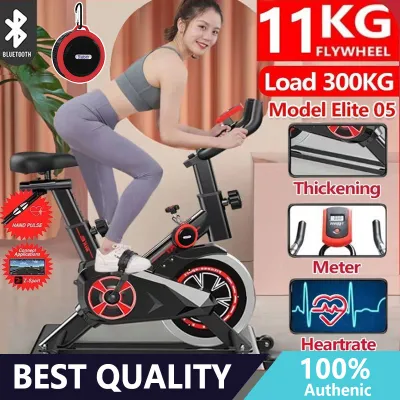
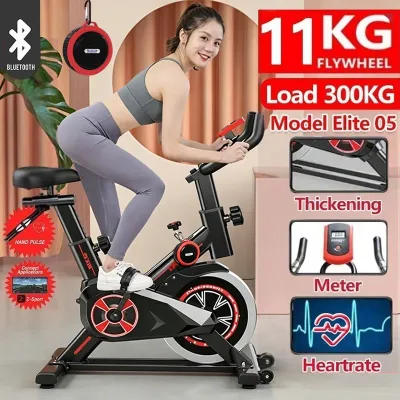
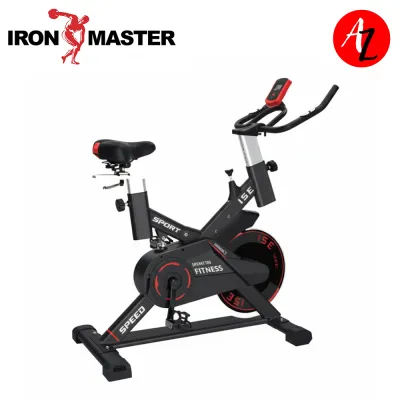
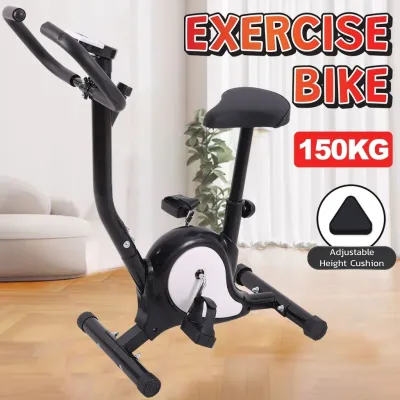
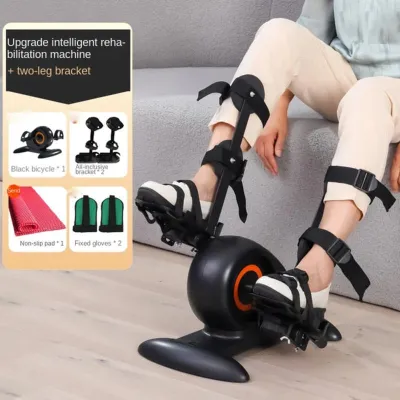
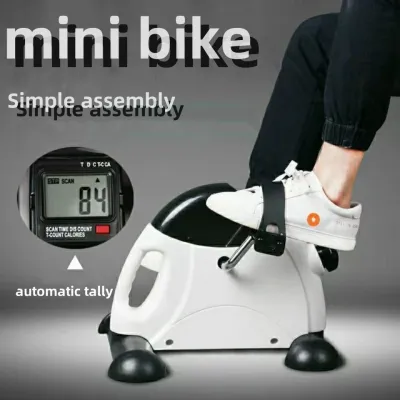
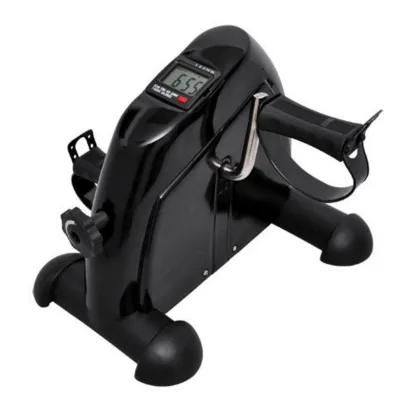
Prices are valid at publication and may change. Please refer to the product page for the latest price.
Core Differences in Design and Riding Posture
The most fundamental distinction among these three cycle exercise machines lies in their structural design, which dictates your riding posture and determines how your muscles are engaged during a workout. An upright bike features a design that closely mirrors a traditional outdoor road bicycle. The seat is positioned directly above the pedals, requiring you to sit vertically and hold onto handlebars that are roughly level with the saddle. This posture demands constant, subtle core stabilization to keep your torso upright, engaging your lower back and abdominal muscles while primarily targeting your quadriceps, hamstrings, and calves.
In contrast, a recumbent bike features an ergonomic, reclined design characterized by a bucket-style seat with a supportive backrest. The pedals are positioned well in front of the body rather than directly underneath the seat. This configuration shifts your center of gravity backward and distributes your body weight across a much larger surface area, significantly reducing the physical strain on your upper body, neck, and shoulders. Because your back is fully supported, the core stabilization required is minimal, allowing you to focus your physical effort entirely on the lower body pedaling motion.
A spin bike, often referred to as an indoor cycle, is engineered for high-intensity training and closely replicates the aggressive, forward-leaning posture of competitive road cycling. The handlebars are typically positioned lower relative to the saddle, forcing you to hinge forward at the hips and engage your upper body, shoulders, and core to support your weight. Spin bikes utilize a heavy, exposed flywheel that is directly linked to the pedals, maintaining momentum and allowing you to transition smoothly between seated riding and standing sprints. This design is built to withstand the high forces of out-of-the-saddle climbing simulations, making it the most physically demanding posture of the three options.
Matching the Bike to Your Fitness Goals and Physical Needs
Your physical condition and fitness objectives should be the primary drivers when choosing a cycle exercise machine. For individuals managing joint sensitivity, lower back pain, or recovering from an injury, the recumbent bike is highly recommended by physical therapists and fitness professionals alike. The built-in lumbar support stabilizes the pelvis, preventing the spinal flexion or rounding that can exacerbate lower back issues. Additionally, the horizontal pedaling alignment reduces the gravitational load on your knees and ankles, providing a highly effective cardiovascular workout with minimal joint impact.

If your primary goals are high-calorie burn, cardiovascular endurance, and high-intensity interval training (HIIT), a spin bike or an upright bike is generally more suitable. Spin bikes excel at elevating your heart rate quickly because they allow you to stand up on the pedals, engaging your glutes, core, and upper body in a full-body effort. This makes them the preferred choice for those who enjoy structured, studio-style cycling classes or intense athletic conditioning. Upright bikes offer a middle ground, providing excellent steady-state cardio that can be easily adjusted from low to high resistance, making them highly versatile for general fitness and weight management.
Mobility and accessibility are also critical factors to consider, particularly for older adults or individuals with limited flexibility. Many recumbent bikes feature a step-through frame design, which eliminates the need to lift your leg over a high center bar to mount the machine. This low-clearance entry point makes getting on and off the bike safe and effortless. Upright and spin bikes, on the other hand, typically require you to swing your leg over the saddle or a high frame tube, which may present a balance or mobility challenge for some users.
Space, Setup, and Home Gym Integration
Integrating a cycle exercise machine into your home requires a realistic assessment of your physical space and environmental conditions. Recumbent bikes, due to their elongated, reclined design, generally have the largest footprint of the three types. They require a significant amount of horizontal floor space, making them more challenging to fit into tight corners or small condo rooms. Upright bikes are typically the most space-efficient option, featuring a compact, vertical footprint that fits easily into small spaces, with some models even offering folding frames for convenient storage when not in use.
Spin bikes have a moderate footprint, but they introduce a unique spatial requirement: vertical clearance. Because spin bike workouts frequently involve standing up on the pedals to simulate steep climbs, you must verify that your ceiling height can safely accommodate your height plus the height of the pedals at their highest point. Additionally, you should consider the portability of the machine; look for models equipped with high-quality transport wheels on the front stabilizer bars, which allow you to roll the bike out of the way when cleaning or rearranging your space.
Environmental factors, particularly in tropical climates with high humidity, can significantly impact the lifespan of your equipment and the comfort of your home. Heavy sweating is inevitable during intense indoor cycling sessions, and sweat can quickly corrode metal frames and damage flooring. Placing a high-density, water-resistant equipment mat beneath your bike is highly recommended to catch sweat, protect your tiles or wooden floors, and dampen vibration noise. Furthermore, if you live in a shared household or an apartment, the noise level of the bike’s drive system is crucial; magnetic resistance systems coupled with belt drives operate almost silently, whereas friction resistance and chain drives tend to produce more audible hums and mechanical noise.
Specification Checklist for Comparing Models
When comparing specific models within your budget—whether you are looking at entry-level options around ₱15,000 or premium connected trainers exceeding ₱50,000—it is essential to rely on verifiable manufacturer specifications rather than broad marketing claims. First, examine the resistance mechanism. Magnetic resistance systems use powerful magnets to create tension without physically touching the flywheel, resulting in a smooth, virtually silent ride with minimal wear and tear. Friction resistance systems use felt or leather pads that press directly against the flywheel; while often more affordable, these pads wear down over time and require periodic replacement and lubrication, which you can verify by reviewing the maintenance section of the user manual.
Next, carefully check the adjustability limits of the machine to ensure a proper ergonomic fit for all intended users. Do not rely solely on general height recommendations; instead, look for the manufacturer’s stated inseam range. A high-quality bike should offer multi-directional adjustments, allowing you to move the seat both vertically and horizontally (fore and aft), as well as adjust the handlebar height and reach. Proper alignment is critical to prevent knee strain and lower back discomfort during long riding sessions.
Stability and weight capacity are vital safety indicators that you can verify through the product’s technical specifications. Check the labeled maximum user weight capacity, and compare it to the physical weight of the machine itself. A heavier frame and a heavier flywheel (typically 15 to 20 kilograms for spin bikes) provide a more stable foundation, preventing the bike from rocking or tipping when you pedal vigorously or stand up. Finally, evaluate the console and connectivity options; verify whether the console requires a direct power outlet or runs on batteries, and check if it features built-in metrics like cadence (RPM) and heart rate compatibility, or if it requires a subscription to access interactive training features.
Decision Framework: Which Cycle Machine Fits Your Routine?
To finalize your decision, apply these conditional rules to match a cycle exercise machine to your daily routine and home environment:
- Choose an upright bike if you want a familiar, straightforward riding experience, prefer moderate-intensity cardiovascular workouts, and have limited floor space in your home or condo.
- Choose a recumbent bike if you require dedicated lumbar support, are recovering from a joint or back injury, prefer low-impact endurance sessions, or need a highly accessible step-through frame.
- Choose a spin bike if your primary goal is high-intensity interval training (HIIT), athletic conditioning, or replicating the dynamic, out-of-the-saddle experience of studio cycling classes.
Before making any purchase, always measure your designated workout area to ensure you have at least two feet of clear space on all sides of the machine for safe mounting and dismounting. Verify that your ceiling height is sufficient if you plan to stand on a spin bike, and invest in a high-density equipment mat to protect your floors from sweat and vibration.
Frequently Asked Questions (FAQ)
Can I use a spin bike for casual daily cardio instead of intense training?
Yes, you can use a spin bike for casual, low-intensity steady-state (LISS) cardio by adjusting the resistance dial to a lower setting and maintaining a relaxed pedaling cadence. However, keep in mind that the aggressive, forward-leaning posture of a spin bike is designed for active riding and may feel less comfortable over long, relaxed sessions compared to the upright or recumbent positions. If your primary goal is casual daily movement while watching television or reading, an upright or recumbent bike will generally provide a more comfortable and ergonomic experience.
Do I need a special mat for my cycle exercise machine?
While not strictly mandatory for the machine to function, using a high-density equipment mat is highly recommended for home setups. A quality mat serves multiple critical purposes: it protects your flooring from scratches and indentations caused by the heavy metal stabilizers, prevents the machine from shifting or walking during vigorous workouts, and dampens vibration noise that could disturb neighbors. Additionally, in humid environments, a water-resistant mat is essential for catching sweat and preventing moisture from pooling on and damaging your floors.
Community discussion
Share your experience or ask a question. Comments are reviewed before publication.