
Quick Answer: Is Venom the Right Choice for You?
Choosing the right boxing gloves in the Philippines requires balancing your training goals, budget, and a critical brand verification step. The best value for your money depends entirely on whether you are engaging in casual fitness workouts or rigorous combat sports training.
A vital first step for any buyer in the local market is verifying the spelling of the brand name. There is a significant difference between generic gloves labeled “Venom” (with an ‘o’) and the globally recognized combat sports brand “Venum” (with a ‘u’). Many budget-friendly gloves sold under the “Venom” spelling are unbranded, generic, or counterfeit products that lack the structural integrity of established gear.
While ultra-budget gloves may seem appealing for occasional cardio classes, they often compromise on wrist support and padding density. For serious practitioners, investing in authentic, established brands ensures proper hand protection and long-term durability, preventing injuries that could halt your training progress.
Products mentioned in this guide
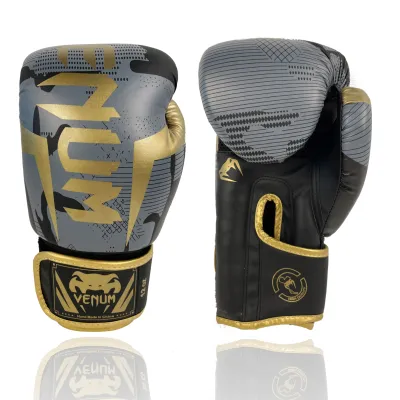
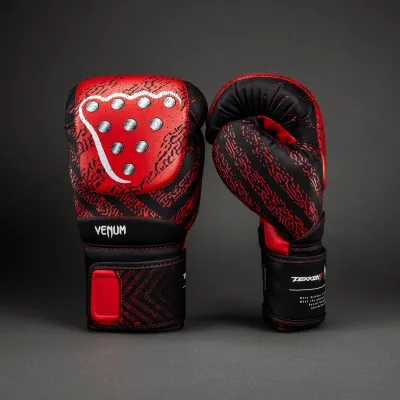
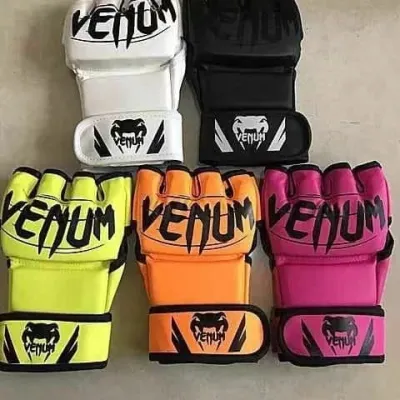
Prices are valid at publication and may change. Please refer to the product page for the latest price.
Key Factors to Evaluate Before Buying Boxing Gloves
Before comparing any specific brands, you must understand the core technical specifications that determine a boxing glove’s quality, safety, and performance.

The outer material is the first line of defense against wear and tear. Genuine leather, such as cowhide, offers the highest durability, natural flexibility, and breathability, making it highly resistant to the intense sweat and humidity typical of Philippine training environments. Synthetic leathers, including Polyurethane (PU) and Polyvinyl Chloride (PVC), are more affordable and easier to clean but tend to degrade faster under heavy use. When inspecting any glove, examine the stitching along the seams; double-stitched edges and reinforced thumb attachments are critical indicators of a glove that will not split open during high-impact bag work.
Padding composition directly affects shock absorption and hand safety. Modern gloves utilize either multi-layered foam or Injection Molded Foam (IMF). IMF technology provides a pre-curved, uniform cushion that is excellent for general fitness and heavy bag training because it maintains its shape consistently. Traditional layered foam allows manufacturers to customize the density, often placing softer layers on the outer surface to protect sparring partners and firmer layers inside to shield your knuckles. Remember that no amount of padding can compensate for poor punching technique; proper hand alignment remains the primary factor in preventing injury.
The closure system dictates both wrist stability and convenience. Hook-and-loop (Velcro) closures are the most popular choice for daily training because they allow you to secure and remove your gloves independently without needing assistance from a coach. Lace-up systems offer a highly customized, secure fit that wraps tightly around the wrist anatomy, providing superior stabilization. However, lace-ups are impractical for solo training sessions as they require another person to tie and untie them.
Glove weight, measured in ounces (oz), must be matched to your body weight, hand size, and training activity. Lighter gloves, such as 8 oz or 10 oz, are designed for competitive bouts or precise pad work where speed is prioritized. Medium weights, like 12 oz or 14 oz, serve as versatile options for heavy bag training and general gym work. Heavy gloves, specifically 16 oz, are the standard requirement for safe partner sparring in most reputable gyms, as the extra padding reduces the impact force delivered to your training partner.
Assessing Venom Boxing Gloves: Specs and Verification
When navigating local retail stores or online marketplaces in the Philippines, performing a systematic inspection of Venom-branded gloves is essential to ensure you receive a safe and authentic product.
To avoid purchasing low-quality knock-offs, always verify the seller’s credentials and check for official distribution certificates. Authentic combat sports gear is typically sold through authorized sports retailers or verified flagship stores on major e-commerce platforms. Be highly skeptical of listings that use generic stock photos, exhibit inconsistent branding, or feature prices that are drastically lower than established market averages.
Carefully read the product label and packaging for specific material declarations and manufacturing details. Authentic gloves will clearly state the exact material composition—such as premium synthetic leather or genuine leather—along with the country of origin and the precise weight specification. If the label lacks detailed material descriptions, uses poor grammar, or fails to specify the weight in ounces, the product is likely an unauthorized imitation.
Perform a physical inspection of the gloves before using them in active training. Press your fingers firmly into the knuckle area to check for consistent padding distribution; there should be no hollow spots, shifting foam, or hard lumps. Check the thumb alignment to ensure it is sewn closely to the main body of the glove, which prevents the thumb from bending backward upon impact. Finally, test the rigidity of the wrist strap by flexing it; a high-quality strap should feel stiff and supportive, resisting bending or twisting under pressure.
Venom vs. Established Alternatives: A Feature-by-Feature Breakdown
Comparing Venom gloves against established market alternatives requires analyzing verifiable specifications, local pricing, and material performance under realistic training conditions.
In the Philippine market, pricing is a clear indicator of product tiering. Generic or unverified “Venom” gloves are often positioned in the ultra-budget category, typically retailing for under ₱1,200. In contrast, authentic mid-range training gloves from established brands generally range from ₱2,500 to ₱5,000, while premium professional gloves can exceed ₱7,000. While the low price of generic gloves is tempting, the long-term cost-per-use often favors investing in a mid-range alternative that lasts significantly longer.
Durability is heavily influenced by the local climate. The high humidity and ambient heat in non-airconditioned local gyms accelerate the chemical breakdown of low-grade synthetic materials, a process known as hydrolysis. Budget PU leather gloves often begin to peel, crack, and lose their structural integrity within three to six months of regular training. Established brands utilizing high-grade microfiber or genuine leather resist moisture absorption much better, maintaining their outer shell and internal padding structure for years when properly maintained.
Wrist support and padding stiffness vary dramatically between budget options and established brands. Budget gloves frequently feature short, thin wrist cuffs with low-grade Velcro that loses its grip over time, leaving your wrists vulnerable to bending during heavy punches. Reputable brands design wider, elongated cuffs with integrated splints or multi-layered wrist support systems that lock the joint in place. The padding in budget gloves also tends to bottom out quickly, meaning your knuckles can penetrate straight through the foam to the hard surface of the bag, whereas established brands use resilient foam that disperses impact energy effectively.
Availability and after-sales support are crucial considerations for online buyers. Authorized local retailers provide clear return policies, warranty coverage against manufacturing defects, and reliable customer service. Purchasing unverified generic gloves from random online sellers carries a high risk of receiving defective items with no recourse for refunds, exchanges, or product support if the seams split during your first workout.
Final Decision Framework: Which Gloves Should You Buy?
To make a smart purchase that protects your hands and fits your budget, use this structured decision framework based on your verified findings and training needs.
Choose Venom (or budget-friendly alternatives) if you are a complete beginner testing your interest in boxing, your training consists solely of light cardio-boxing classes without heavy bag work, and you have a strict budget limit. If you proceed with this option, ensure the gloves pass basic physical checks for thumb alignment and padding consistency, and accept that you will likely need to upgrade as your training intensity increases.
Choose established alternatives if you train multiple times a week, incorporate heavy bag workouts or partner sparring into your routine, and require verified wrist protection. Investing in a reputable brand ensures you receive high-grade materials, proper impact dispersion, and the durability required to withstand the humid Philippine climate.
Verify first if you are unsure about the spelling of the brand name, the seller’s authorization status, or the specific glove weight required by your gym. Never compromise on safety gear; if you cannot verify the authenticity or structural quality of a pair of gloves, it is always safer to consult your coach or purchase from a recognized local distributor.
Frequently Asked Questions (FAQ)
How do I properly clean and maintain my boxing gloves to prevent odor?
To prevent the buildup of bacteria and unpleasant odors in the humid Philippine climate, wipe down both the exterior and interior of your gloves with a clean, dry microfiber cloth immediately after every training session. Air-dry your gloves in a cool, well-ventilated indoor area away from direct sunlight, as extreme tropical heat can warp the internal padding and cause synthetic leather to crack. You can also insert natural deodorizing pouches, such as active charcoal inserts, to absorb lingering moisture, and always check the manufacturer’s care label before using any chemical sprays or sanitizers.
What size (oz) boxing gloves should a beginner buy for general training?
Beginners should select their glove weight based on their body weight and primary training activity to ensure adequate hand protection. For individuals weighing under 140 lbs (approximately 63 kg) focusing on light pad and bag work, 10 oz or 12 oz gloves are generally suitable, while those over 140 lbs should opt for 14 oz or 16 oz gloves to provide sufficient cushioning. Always try the gloves on while wearing hand wraps, as the internal pocket volume varies between manufacturers, and a secure fit is essential for proper wrist and knuckle alignment.
Community discussion
Share your experience or ask a question. Comments are reviewed before publication.