
Understanding a badminton racket’s technical specifications is the most reliable way to predict how it will perform on the court and whether it aligns with your physical capabilities. For a racket like the Victor Exbolt 65, key metrics such as weight distribution, shaft flexibility, and maximum string tension dictate everything from the speed of your defensive drives to the depth of your clears. Analyzing these specifications helps you make an informed decision, ensuring your equipment enhances your natural playing style.
In tropical playing environments like the Philippines, where high humidity and heat can rapidly soften string beds and accelerate player fatigue, choosing the right racket configuration is critical. A racket’s physical properties determine how much energy you must expend during long, grueling rallies in local sports centers. By learning to read and interpret the official specifications directly from the frame, you can customize your setup to optimize control, maximize power, and protect your joints from repetitive strain.
How to Verify the Official Victor Exbolt 65 Specifications
Before analyzing how a racket behaves during a match, you must verify its authentic physical properties by inspecting the manufacturer’s markings. High-quality badminton rackets feature laser-engraved or printed specifications directly on the shaft, cone, or inner frame. To ensure you are working with accurate baseline data, look closely at the cone area just above the handle grip, where manufacturers typically engrave the official weight classification and grip size.
Products mentioned in this guide
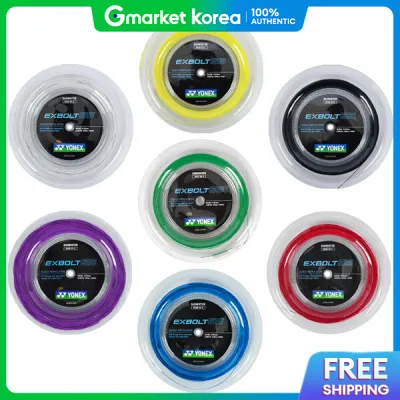
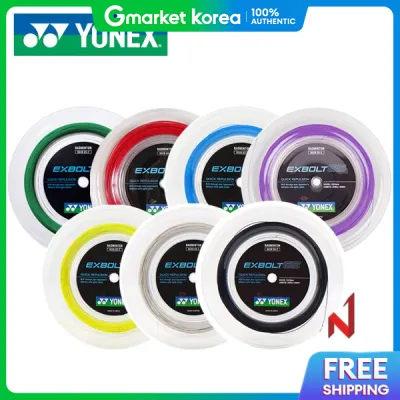
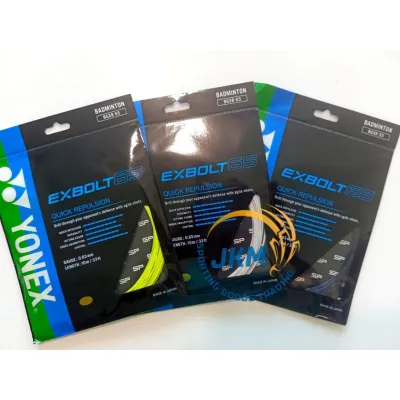
Prices are valid at publication and may change. Please refer to the product page for the latest price.
The weight is usually designated by a “U” rating, while the grip circumference is marked with a “G” rating. For example, a racket marked as 4U indicates a lighter frame weight, whereas a 3U marking denotes a heavier frame. Additionally, look along the inner rim of the frame or the lower section of the shaft to find the recommended string tension limits. Cross-referencing these physical engravings with official brand catalogs or authorized local distributors is a crucial step to confirm authenticity and avoid counterfeit products.
Decoding Weight and Balance for Your Playstyle
A racket’s weight and balance point are the primary factors influencing its maneuverability and swing speed. The “U” weight system categorizes rackets into specific mass ranges, with higher numbers representing lighter frames. Lighter rackets, such as those in the 4U or 5U categories, allow for rapid defensive reactions, quick recovery times, and swift drive exchanges at the net. Conversely, heavier rackets in the 3U category provide more physical mass, which translates into greater momentum and power when executing deep clears and downward smashes.

The balance point of the racket further refines how this weight feels during a swing. Rackets are classified as head-heavy, even-balance, or head-light based on where the center of gravity lies along the shaft. Head-heavy designs concentrate mass toward the top of the frame, amplifying the force of your overhead shots but requiring more effort to swing. Head-light configurations shift the weight toward the handle, offering exceptional speed for defensive blocks and quick net play.
Highly head-heavy or heavy rackets demand significant wrist and forearm strength to operate effectively. If your physical conditioning is not matched to a demanding frame, you may experience rapid muscle fatigue during extended play. In warm, humid climates where perspiration can compromise your grip, managing swing weight is essential for maintaining control and preventing the racket from twisting during high-impact shots.
Shaft Stiffness and String Tension: Power vs. Control
The relationship between shaft stiffness and string tension determines how energy is transferred from your arm to the shuttlecock. Shaft flexibility is rated from flexible to stiff. A flexible shaft bends more easily during the backswing, storing elastic energy that is released upon impact to assist players with moderate swing speeds in generating depth. A stiff shaft bends very little, offering immediate response and precise directional control for advanced players who possess the explosive wrist speed required to flex the frame manually.
String tension acts as the second half of this performance equation, directly affecting the size of the sweet spot and the feel of the string bed. Lower string tensions create a trampoline effect, where the strings stretch more upon impact, providing easier depth on clears and a larger, more forgiving sweet spot. Higher string tensions tighten the string bed, reducing contact time with the shuttlecock to deliver crisp, highly accurate placement, though this setup significantly shrinks the sweet spot and requires precise hitting technique.
When customizing your racket, you must adhere strictly to the manufacturer’s maximum tension limits printed on the frame. Exceeding these limits places immense structural stress on the graphite, which can lead to micro-fractures, frame warping, or catastrophic collapse during a mishit. Furthermore, high humidity can cause strings to lose tension quickly, meaning players in tropical regions may need to restring more frequently to maintain performance.
Matching the Exbolt 65 to Your On-Court Role
To determine if this racket’s configuration suits your game, evaluate your tactical role and physical capabilities. In fast-paced doubles, players defending drives or intercepting shots at the net benefit from lighter, head-light, or even-balanced setups that prioritize recovery speed. If your role involves dominating the backcourt with continuous attacking smashes, a slightly heavier or head-heavy configuration will better support your offensive strategy.
Your physical conditioning and swing mechanics should always take precedence over professional player trends. Using a racket that is too stiff or too head-heavy for your current strength level can lead to poor timing, increased unforced errors, and chronic overuse injuries like tennis elbow. If you struggle to clear the shuttlecock from baseline to baseline, transitioning to a more flexible shaft or a lower string tension can provide the necessary assistance.
Ultimately, prioritizing control-oriented specifications over raw power is highly beneficial for intermediate players looking to reduce unforced errors. A balanced setup that offers a generous sweet spot and manageable swing weight allows you to focus on proper footwork and stroke mechanics. Matching the verified physical specifications of your racket to your actual skill level ensures a safer, more enjoyable experience on the court.
Frequently Asked Questions (FAQ)
Is the Victor Exbolt 65 suitable for beginners?
A racket with a very stiff shaft or a heavy head-heavy balance is generally not recommended for beginners who are still developing basic swing mechanics. Novice players often lack the explosive wrist speed and consistent hitting technique required to flex a stiff frame, which can result in short clears and increased physical strain on the arm. Beginners should look for rackets with flexible shafts and lighter, even-balanced frames, as these specifications are much more forgiving of off-center hits and help prevent early muscle fatigue.
How do I choose the right string tension for this racket?
Choosing the right string tension requires balancing your skill level with the racket’s structural limits. Beginners should generally start with a lower tension range, such as 20 to 22 lbs, to maximize the sweet spot and get easier depth on their shots. Intermediate players often find their sweet spot between 23 and 26 lbs, which offers a balanced mix of power and control. Advanced players with consistent technique may opt for 27 lbs or higher for maximum precision, but everyone must stay within the manufacturer’s official recommended limits to avoid damaging the frame.
Community discussion
Share your experience or ask a question. Comments are reviewed before publication.