
Finding the right running bag is a personal decision that directly impacts your performance, comfort, and safety on the road or trail. The ideal choice depends on three main factors: how far you run, what you need to carry, and how your body responds to carrying extra weight. If you are heading out for a quick thirty-minute jog around your neighborhood, a simple armband or a slim waist belt is often all you need to secure your phone and keys. For longer endurance sessions or trail runs where access to clean water and emergency gear is vital, a dedicated hydration vest becomes an indispensable piece of equipment.
Choosing incorrectly can lead to painful chafing, distracting bounce, or finding yourself stranded without enough water under a hot tropical sun. By matching your specific running habits to the design strengths of each bag type, you can ensure a distraction-free run that keeps your focus entirely on your stride and breathing.
Assess Your Running Distance and Hydration Needs
Your hydration strategy should dictate the carrying capacity of your running gear. During short runs lasting under an hour, your body can generally rely on pre-hydration, meaning you might only need a minimal setup or no water at all. However, once your training sessions extend past sixty minutes, especially in hot and humid conditions, carrying fluid becomes non-negotiable to maintain performance and prevent heat-related fatigue.
Products mentioned in this guide
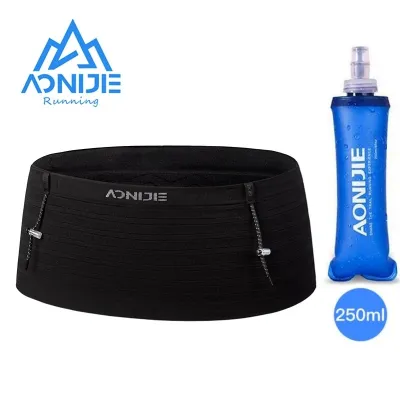
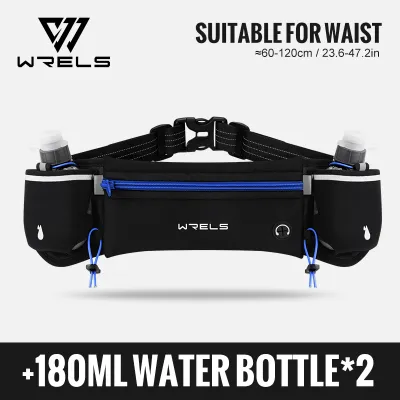

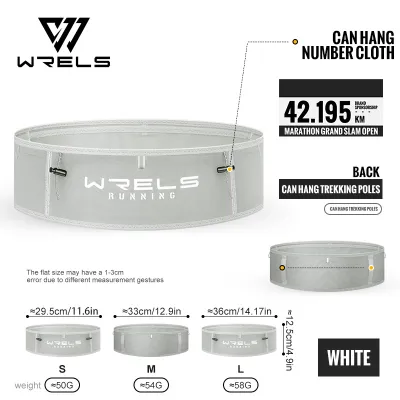
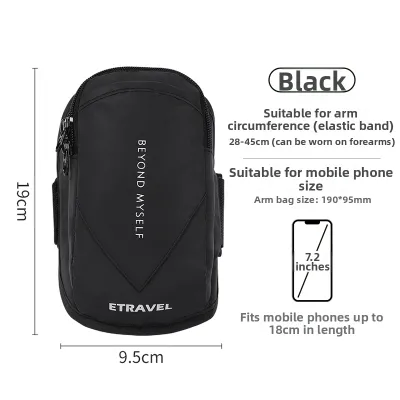
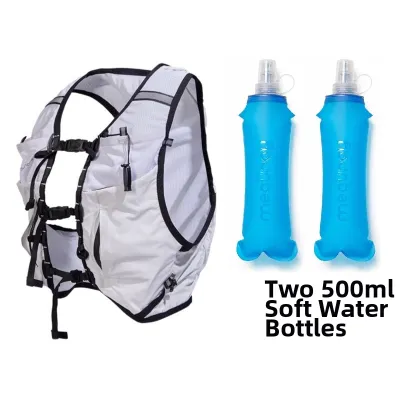
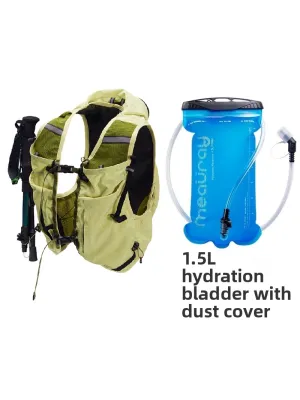
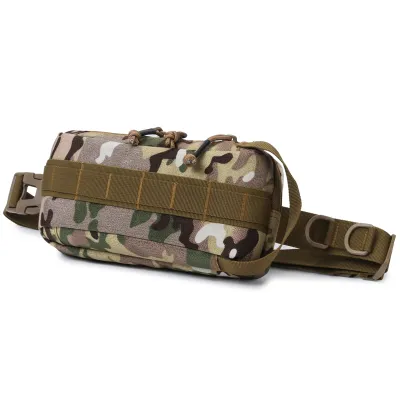
Prices are valid at publication and may change. Please refer to the product page for the latest price.
Waist packs and hydration vests offer very different approaches to carrying fluids. Many waist packs feature specialized holsters designed to hold one or two small, angled bottles, which are easy to slide out and replace while moving. This setup works exceptionally well for moderate distances where you want to keep your upper body completely free of straps and fabric. In contrast, hydration vests utilize integrated flexible bladders or front-mounted soft flasks that distribute water weight evenly across your chest and back. Vests allow you to carry significantly larger volumes of water—often up to two liters—without the sloshing and localized pressure associated with waist-mounted bottles.
Paying attention to your body’s physical signals is crucial for determining when to upgrade your hydration system. Early signs of dehydration, such as a dry mouth, a rising heart rate at a familiar pace, or a persistent headache during or after your run, indicate that your current fluid carrying capacity is insufficient. If you find yourself constantly planning your routes around public water fountains or convenience stores, it is a clear sign that a higher-capacity, hands-free hydration vest is necessary to support your training safely.
Evaluate Your Gear-Carrying Requirements
Beyond water, the physical items you must carry on every run will quickly narrow down your bag options. A minimalist runner who only needs to secure a front door key, a single identification card, and a compact smartphone will find that an armband or a micro-sized waist belt is perfectly adequate. These streamlined options keep your items tight against your body, eliminating the annoying rattling sound of loose keys and keeping your hands completely free.

As your mileage increases, your nutritional and safety needs will expand, requiring a step up in storage space. For medium-distance road runs, you will likely need to carry energy gels, electrolyte tablets, a larger modern smartphone, and perhaps a lightweight, packable windbreaker to shield you from sudden tropical downpours. A standard waist pack with zippered compartments and expandable mesh pockets is the ideal tool for this level of gear, keeping these items accessible at your hips without adding unnecessary bulk to your torso.
For long-distance trail runs, wilderness excursions, or marathon training, your gear list must accommodate safety essentials that a waist pack simply cannot hold. Hydration vests are designed with multiple front, side, and rear pockets to organize high-capacity loads, including basic first-aid kits, emergency whistles, extra clothing layers, and even specialized loops to secure trekking poles. When your safety depends on having these items readily available, a structured vest is the only option that can carry the weight comfortably and securely.
Compare Comfort, Fit, and Body Mechanics
The way a running bag distributes weight across your body directly influences your running posture, energy expenditure, and overall comfort. An armband concentrates all the weight of your phone onto a single bicep, which can sometimes cause a subtle, subconscious asymmetry in your arm swing over long distances. Waist packs center the load around your pelvis, keeping your center of gravity low, but they can press uncomfortably against your stomach or lower back if they are packed unevenly or tightened too much. Hydration vests excel at weight distribution by wrapping around your entire torso, spreading the load across your shoulders, back, and chest to minimize localized pressure points.
To avoid painful movement and distraction, you must carefully evaluate sizing charts and adjustability features before making a purchase. Unlike loose-fitting casual wear, running bags must fit snugly to prevent bouncing. Look for waist packs with wide, elasticized straps and heavy-duty buckles that allow you to adjust the tension on the fly as your water bottles empty. For hydration vests, check the manufacturer’s chest measurements rather than standard clothing sizes, and prioritize models with adjustable sternum straps that let you fine-tune the fit to match your breathing expansion.
In hot and humid climates, material breathability and strap placement are critical factors in preventing severe skin chafing. Look for bags constructed from lightweight, moisture-wicking open mesh that allows air to circulate and sweat to evaporate quickly. Pay close attention to the seams and edges of the straps; they should be soft, bound with anti-friction piping, and positioned away from high-friction areas like your underarms and neck. Applying a thin layer of anti-chafing balm to these contact points before your run is an excellent preventive measure, regardless of the bag style you choose.
Decision Matrix: Matching Your Profile to the Right Bag
To make an informed decision, you can match your typical running profile to the specific strengths of each bag category. The ideal armband user is a short-distance road runner who prioritizes a completely unencumbered torso and only needs to carry a phone for music or safety tracking. This setup is highly affordable, simple to use, and keeps your core cool during hot midday runs.
The ideal waist pack user is a medium-distance runner or half-marathon trainer who wants a balanced load and quick, easy access to pockets without stopping. This runner values keeping their upper body free from fabric to maximize ventilation, but still needs enough space to carry a phone, keys, and a few energy gels or a small water bottle.
The ideal hydration vest user is a long-distance road or trail runner who requires maximum fluid capacity and even weight distribution over several hours of continuous movement. This runner needs to carry a variety of gear, values hands-free access to front-pocket soft flasks, and accepts the extra coverage on their torso in exchange for superior stability and storage.
You should also watch out for clear red flags that indicate your current gear is a mismatch for your body or running style. If your waist pack persistently rides up to your stomach or bounces violently with every stride, it is either poorly fitted or overloaded, suggesting you need to transition to a vest. Conversely, if you find your hydration vest is mostly empty and causing excessive heat buildup on short runs, switching to a minimalist waist belt will improve your comfort and running efficiency.
Frequently Asked Questions (FAQ)
Can I use a regular backpack instead of a hydration vest?
Using a standard school or hiking backpack for running is generally not recommended because these bags are not designed to handle the high-impact, repetitive motion of running. Regular backpacks lack the specialized harness systems of running vests, leading to severe bouncing, shifting weight, and painful chafing against your shoulders and lower back. Additionally, their stiff structures and thick straps can restrict your natural arm swing and chest expansion, making your run significantly more tiring and uncomfortable.
How do I prevent my waist pack from bouncing while running?
To eliminate bounce, start by positioning the waist pack lower on your hips, resting it directly on your pelvic bones rather than around your soft waist or stomach. Ensure the strap is tightened snugly while you are standing, and make minor adjustments after your first few warm-up strides. Additionally, pack your heaviest items, such as your phone or water bottle, closest to the center of your back or abdomen to keep the load balanced, and compress any empty space using the pack’s adjustment cords.
Are armbands still practical for modern large smartphones?
While armbands remain a popular choice, modern smartphones have grown significantly larger and heavier, which can make traditional armbands feel unbalanced or restrictive on your arm. If you use a large-screen device, look for armbands made from wide, highly elastic neoprene bands that distribute the weight over a larger surface area of your bicep. Always verify the manufacturer’s maximum device dimensions and weight limits before purchasing to ensure your phone fits securely without straining the strap.
Community discussion
Share your experience or ask a question. Comments are reviewed before publication.