
Choosing the right jogging bag for women comes down to your target distance, hydration needs, and how you prefer to distribute weight on your body. For short, fast runs where you only need to carry a smartphone, a house key, and perhaps a single energy gel, a streamlined waist pack is often the most comfortable and unobtrusive option. For longer training sessions, trail runs, or half-marathon preparation where carrying water, nutrition, and extra layers is non-negotiable, a structured running vest is the superior choice.
The fundamental difference between these two styles lies in their load-bearing design. A waist pack concentrates all weight around your hips and lower torso, keeping your upper body completely free and ventilated. A running vest distributes weight across your shoulders, upper back, and chest, wrapping around your torso like a garment to minimize movement. Understanding how these designs interact with your running stride, body shape, and local climate is the key to finding a bag that stays secure without causing discomfort.
While general guidelines can point you in the right direction, individual body shape and specific product engineering ultimately dictate actual comfort. Because women have highly varied chest, waist, and hip measurements, a bag that fits one runner perfectly might bounce or chafe on another. Prioritizing brands that offer adjustable straps, multiple sizes, or flexible return policies allows you to test the fit in your own home before committing to long miles on the road.
Products mentioned in this guide
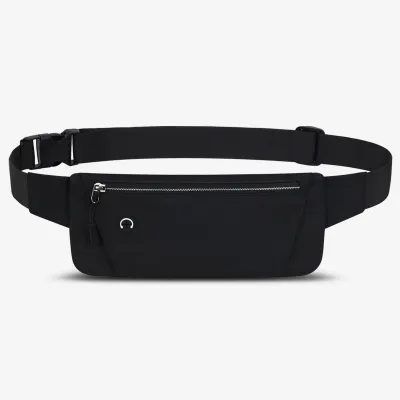
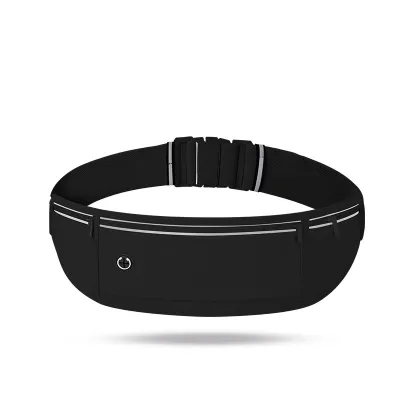
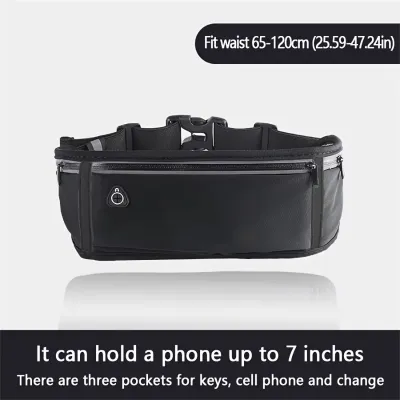
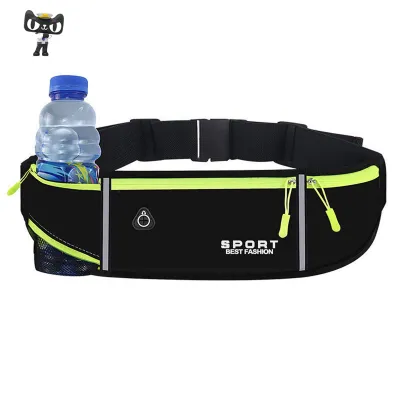
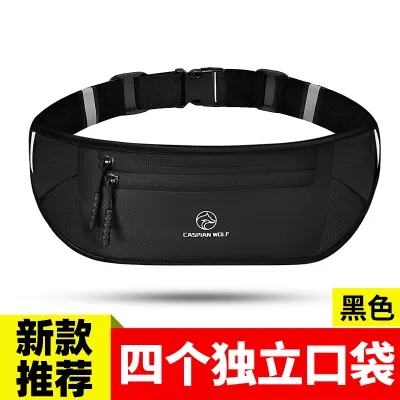
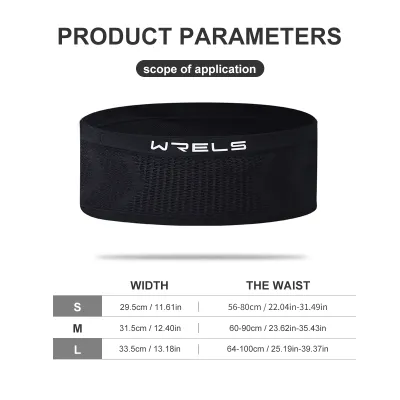
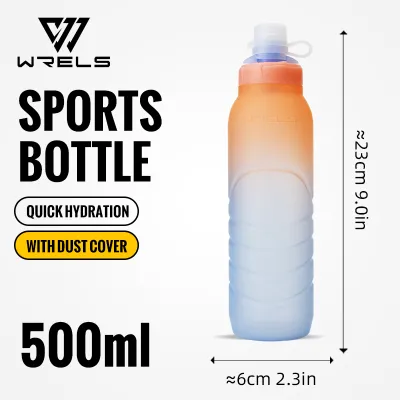
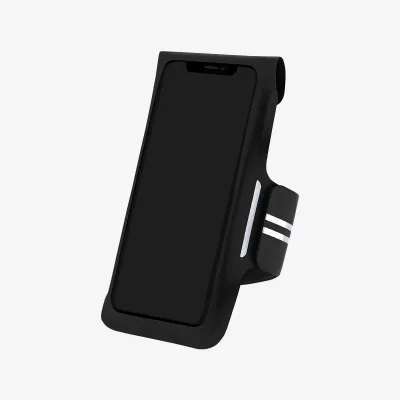
Prices are valid at publication and may change. Please refer to the product page for the latest price.
Evaluating Body Fit and Running Comfort
When evaluating a running vest, the chest and bust fit require the closest attention. Unlike unisex designs that can compress the chest uncomfortably, women-specific vests often feature curved shoulder straps and adjustable sternum cords that route either above or below the bust line. If the straps press directly across the widest part of your chest, they can restrict deep breathing during high-intensity intervals or cause painful chafing along the inner arms. Look for vests with multi-point adjustment systems that let you raise or lower the front straps to match your torso length.
For waist packs, the primary challenge is preventing the belt from riding up toward your natural waist or bouncing against your stomach. A waist pack should sit snugly across the widest part of your hips or just below your belly button, depending on your natural curves. If the belt is too loose, the weight of your phone will cause the pack to bounce rhythmically with every stride, which can lead to skin irritation or mild nausea. Conversely, overtightening a waist pack to stop it from moving can restrict your breathing and compress your abdominal muscles, making your run feel significantly harder.
In the tropical climate of the Philippines, heat and humidity add another layer of complexity to the fit equation. Running in high humidity means you will sweat heavily, and any fabric pressed tight against your skin will trap moisture. Running vests cover a much larger surface area of your back and chest, which can make you feel noticeably warmer during midday runs. To mitigate this, check the product specifications for open-mesh panels, lightweight perforated fabrics, and moisture-wicking materials that allow air to circulate.
Waist packs offer a distinct advantage in hot weather because they leave your upper torso completely exposed to the breeze, helping your body cool itself naturally. However, the waistband itself can still trap sweat against your lower back and hips, leading to heat rash or friction burns if the material is too abrasive. When inspecting either style of jogging bag, feel the inner lining to ensure it is soft, seamless, and free of rough binding tape that could saw against your skin when your shirt is damp with sweat.
Storage Capacity and Gear Organization
Before choosing a jogging bag, audit the exact items you plan to carry on a typical run. A standard waist pack is designed for minimalism, offering just enough space for a large smartphone, a key fob, and a couple of small items like cash or an emergency card. Many modern waist packs feature stretchy, weather-resistant pockets that expand to hold these essentials flat against your body. However, if you try to stuff a bulky key ring, a thick wallet, and multiple energy bars into a slim belt, the pack will bulge, lose its structural integrity, and begin to bounce.

Hydration is where the division between these two styles becomes most apparent. While some specialized waist packs include holsters for small water bottles, carrying more than 300 to 500 milliliters of liquid on your hips often causes the belt to sag and shift during movement. The sloshing of water at your waist can also disrupt your running rhythm. If your training routes do not have reliable public drinking fountains, or if you are running for more than an hour in the heat, a waist pack may fall short of your hydration needs.
A running vest excels at carrying water efficiently by distributing the liquid weight across your upper body. Most vests are designed to hold two soft flasks in front chest pockets, allowing you to sip on the go without removing the bottles. Many models also feature an internal sleeve in the back to accommodate a hydration bladder, which can hold up to two liters of water for self-sustained long runs. Because the water is held snug against your shoulder blades and ribcage, the weight feels like an extension of your body rather than a heavy pendulum swinging with your hips.
Beyond water, running vests offer extensive storage options for extra gear that a waist pack simply cannot accommodate. If you need to carry a lightweight windbreaker, a small first-aid kit, salt tablets, and multiple nutrition packets, a vest provides dedicated compartments to keep these items organized. Front-facing mesh pockets allow you to grab an energy gel or check your phone without stopping, while zippered rear compartments keep heavier, less frequently used items secure. This level of organization is invaluable for trail runners or marathoners who need to manage their gear while maintaining a steady pace.
Decision Framework: Which Jogging Bag Style to Choose
To finalize your decision, evaluate your running habits against this practical framework. Your choice should align with your typical mileage, the environment where you run, and your personal comfort preferences.
Choose a waist pack if:
- Your typical runs last under 60 minutes and you do not require large volumes of water.
- You prefer an unrestricted, lightweight feel around your chest and shoulders, especially in hot weather.
- You only need to carry a smartphone, a single key, and a small amount of cash or nutrition.
- You want a budget-friendly option that is easy to wash and quick to slip on before a casual neighborhood jog.
Choose a running vest if:
- You regularly run for over an hour or train for long-distance events like half-marathons and marathons.
- You need to carry 500 milliliters or more of water, along with multiple energy gels, salt capsules, and personal items.
- You experience lower back discomfort or stomach cramping when wearing a tight belt around your hips.
- You run on trails or remote routes where carrying safety gear, a light jacket, and navigation tools is necessary.
Verify first if:
- The pocket dimensions of the bag actually fit your specific smartphone model, especially if you use a thick protective case.
- The manufacturer's sizing chart matches your current chest or hip measurements while wearing your typical running apparel.
- The product features adjustable straps or elastic cords that allow you to fine-tune the fit as your hydration flasks empty during a run.
- The retailer offers a flexible return or exchange policy, allowing you to test the fit and bounce of the bag in your living room before taking it outside.
Frequently Asked Questions (FAQ)
Can I use a unisex jogging bag instead of a women-specific design?
Yes, you can use a unisex jogging bag, but a women-specific design often provides a more secure and comfortable fit. Unisex vests are typically patterned on a longer, broader torso, which can cause the shoulder straps to sit too wide on a woman’s frame, leading to chafing near the armpits. Women-specific vests are engineered with shorter torso lengths, narrower shoulder cuts, and chest straps designed to sit comfortably around the bust. If you have a petite frame or a larger bust, investing in a women-specific model can significantly reduce bounce and friction.
How do I prevent chafing when using a running vest or waist pack?
To prevent chafing, start by ensuring your jogging bag is adjusted as snugly as possible without restricting your breathing or movement. Any loose fabric or strap will rub against your skin with every step, creating painful friction points over long distances. Apply a specialized anti-chafe balm to high-friction areas, such as your collarbones, lower ribs, underarms, and waistline, before you head out. Additionally, avoid overloading your bag beyond its intended capacity, as excess weight increases bounce and causes the materials to pull and rub against your clothing.
Community discussion
Share your experience or ask a question. Comments are reviewed before publication.