
Selecting the right waist twister equipment for a home gym in the Philippines requires balancing your specific training goals with your available space, budget, and environmental conditions. While these machines are excellent for building rotational strength and targeting the obliques, choosing the wrong type can lead to cluttered workout areas, premature equipment wear due to tropical humidity, or even physical injury. By understanding the mechanical differences between rotary torso machines, standing twist boards, and cable attachments, you can make an informed decision that enhances your core training safely and effectively.
Core Selection Criteria for Waist Twister Equipment
To select the ideal waist twister exercise equipment, you must first define your primary training goal. Core training generally falls into two categories: targeted oblique isolation and dynamic core stability. If your objective is to build muscle volume and strength in the rotational muscles of the abdomen, you will require a machine that offers adjustable, progressive resistance while stabilizing your lower body. Conversely, if your goal is to improve balance, coordination, and functional movement for sports, a free-rotating platform that challenges your entire kinetic chain may be more appropriate.
Next, assess the physical constraints of your home gym. Heavy, dedicated fitness equipment requires a stable, level floor and sufficient clearance to prevent interference with other gear. In Philippine households, where spare room dimensions can vary significantly and high humidity is common, choosing equipment with a compact footprint or multi-functional capabilities is often the most practical route. You must also evaluate the load-bearing capacity of your flooring, especially if you are considering a heavy, plate-loaded or selectorized machine that remains in a fixed position.
Products mentioned in this guide
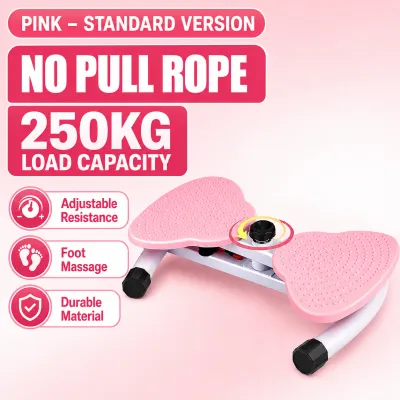
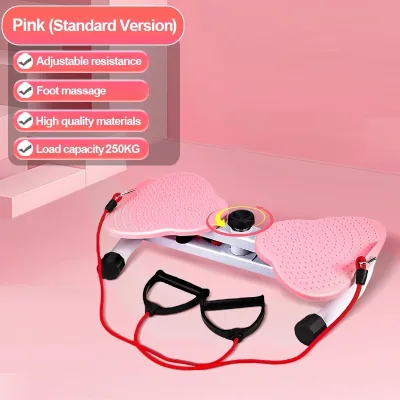
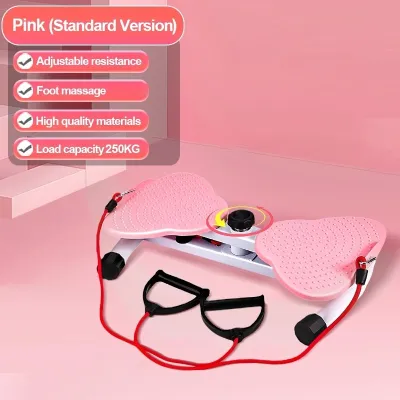
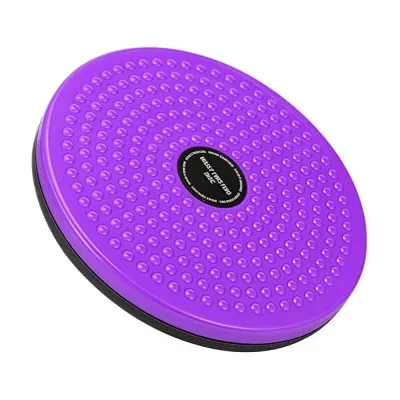
Prices are valid at publication and may change. Please refer to the product page for the latest price.
Finally, match the equipment to your current fitness level and physical condition. Beginners should prioritize high-stability options that guide the body through a controlled, safe range of motion. Advanced users, on the other hand, will need equipment that supports progressive overload through weight stacks, plate sleeves, or heavy-duty resistance bands. Failing to align the machine’s stability features with your physical capabilities can lead to compromised form, reducing the effectiveness of the exercise and increasing the risk of joint strain.
Types of Waist Twister Equipment for Home Gyms
Waist twister equipment comes in several distinct designs, each offering unique movement patterns, space requirements, and resistance mechanisms. Understanding these categories allows you to narrow down your options based on your budget, available space, and training preferences.

Rotary Torso Machines
Rotary torso machines are dedicated, heavy-duty units designed specifically for isolating the oblique muscles. These machines typically feature a seated or kneeling platform where your lower body is locked into place by padded thigh supports, allowing your upper torso to rotate against a selected weight stack. Alternatively, some designs keep the upper body fixed while the lower platform rotates. When evaluating these machines, look closely at the weight stack capacity or the length of the plate-loaded sleeves to ensure they meet your long-term strength goals.
Ergonomic safety is the most critical factor when using a rotary torso machine. The machine’s mechanical pivot point must align perfectly with your natural spine rotation, specifically the transition between your thoracic and lumbar spine. If the pivot point is misaligned, the machine will force your lower back into unnatural lateral shearing forces, which can lead to spinal disc irritation. Before purchasing, verify the seat and chest pad adjustment ranges to ensure the machine can be tailored to your height and torso length.
Keep in mind that rotary torso machines require a significant amount of floor space and are highly heavy. They are not designed to be moved around, making them suitable only for dedicated, spacious home gyms. Additionally, their heavy steel frames and weight stacks require a solid concrete floor or reinforced flooring to prevent structural damage over time.
Waist Twist Boards and Standing Platforms
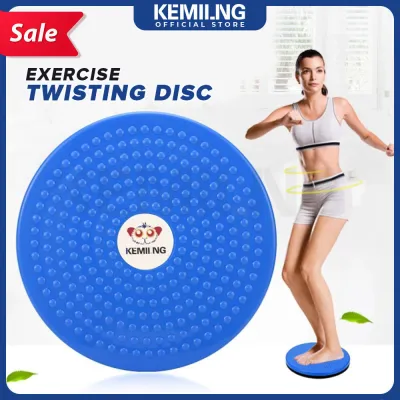
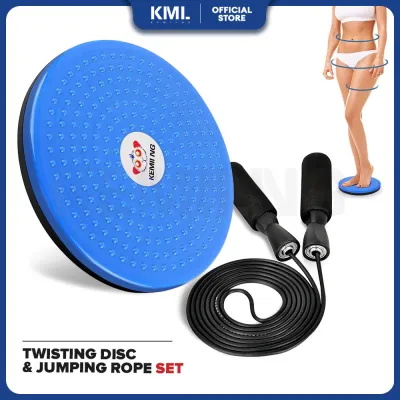
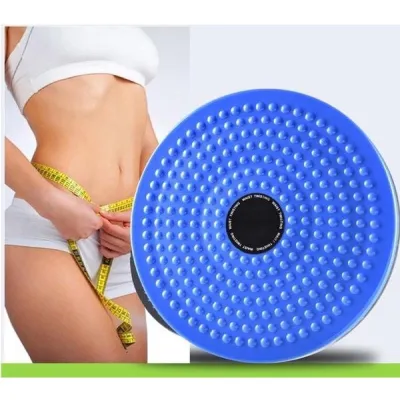
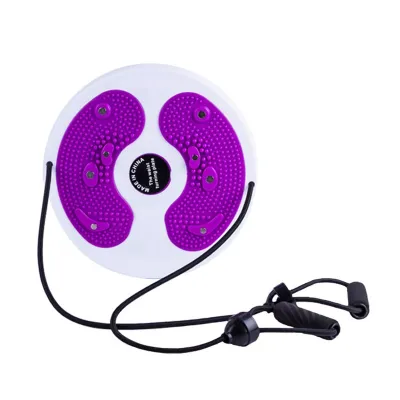
Waist twist boards, also known as standing platforms, are highly compact, lightweight, and budget-friendly tools. They consist of a rotating disc mounted on a circular base containing ball bearings, allowing you to perform standing rotational movements. Because of their minimal footprint, they can be easily stored under a bed or in a closet, making them ideal for smaller homes or apartments where space is at a premium.
When shopping for a twist board, prioritize surface grip and base stability. The platform should feature a textured, non-slip rubber surface to prevent your feet from sliding, especially during intense workouts in warm, humid conditions. Check the manufacturer’s specifications for the maximum weight capacity, as lower-quality plastic models can flex or crack under heavy loads, disrupting the smooth rotation of the internal bearings.
Unlike selectorized machines, basic twist boards do not offer built-in resistance. To achieve progressive overload, you will need to incorporate external resistance, such as holding dumbbells, kettlebells, or attaching heavy-duty resistance bands to the base of the platform. It is also important to recognize that standing twists place a high demand on the stability of your ankle, knee, and hip joints. Users must maintain a slight bend in the knees to absorb the rotational forces and protect the joint capsules from excessive torsional stress.
Cable Machine Attachments
If you already own a functional trainer, cable crossover, or a power rack with a pulley system, utilizing cable machine attachments is an exceptionally versatile way to perform waist twister exercises. By attaching a specialized rotational bar, a double-loop strap, or a standard D-handle to a cable pulley, you can perform standing or kneeling woodchops and torso rotations. This setup offers a highly smooth, constant tension throughout the entire range of motion.
To target the oblique fibers effectively while protecting your spine, you must adjust the cable pulley to the correct height. For horizontal rotations, the pulley should be set at mid-torso height. Adjusting the cable to a high-to-low or low-to-high angle allows you to target different regions of the abdominal wall. Always ensure that your hips remain relatively stable and square, forcing your core musculature to drive the rotation rather than relying on momentum or hip sway.
Before performing high-velocity rotational exercises on a cable machine, verify the unit’s structural integrity. Lateral pulling forces exert different physical stresses on a gym frame than vertical lifts. Ensure your cable machine is securely bolted to the floor or wall, or has a sufficiently wide and heavy base to prevent tipping. Additionally, check that the cable and pulley system are rated for dynamic, lateral movements to avoid premature wear or cable snapping.
Key Features to Evaluate Before Buying
When comparing different waist twister options, the resistance mechanism is a primary feature to evaluate. Selectorized weight stacks offer the greatest convenience, allowing you to quickly change resistance by moving a magnetic pin. Plate-loaded systems are highly cost-effective if you already own standard or Olympic weight plates, though they require manual loading and unloading. Magnetic tension systems provide a quiet, ultra-smooth feel that is excellent for home environments, but they may lack the high-end resistance needed by advanced lifters.
Ergonomic design elements directly impact both your comfort and safety during training. For seated machines, look for thick, high-density foam padding on the thigh holds and chest supports to prevent bruising during heavy rotations. Adjustable backrests and seat heights are essential for maintaining proper spinal alignment. For standing platforms, look for wide, non-slip footplates that accommodate different stance widths, ensuring you can maintain a stable base of support throughout your workout.
Durability is particularly important in the Philippines, where high ambient humidity and sweat can quickly degrade fitness equipment. Inspect the frame’s steel gauge; heavy-duty home gym equipment should utilize at least 12-gauge steel. The quality of the pivot bearings is another critical indicator of longevity. Sealed ball bearings are highly superior to open bushings, as they prevent dust, sweat, and moisture from entering the mechanism, ensuring a smooth, catch-free rotation over years of use. Finally, review the manufacturer’s warranty terms, paying close attention to coverage for structural frames, weld joints, and moving parts.
Space, Setup, and Safety Considerations
Before installing any rotational training equipment, you must carefully measure your workout area. Ensure there is adequate clearance for the full range of motion of the machine. For rotary torso machines, this includes the sweep of the handles and the rotation arc of the seat. For cable setups, you must account for the length of the cable travel and the space required to stand clear of the weight stack. A minimum clearance of 0.5 meters around the entire perimeter of the equipment is recommended to prevent accidental contact with walls or other gear.
Floor protection and load distribution are equally vital. Heavy fitness equipment can easily damage tiled, wooden, or vinyl flooring common in Philippine homes. Placing a high-density rubber mat (at least 15mm thick) under your machine helps distribute the weight, dampens noise, and absorbs the dynamic vibrations generated during rapid twisting movements. For standing twist boards, a thin, non-slip yoga mat placed underneath the base will prevent the platform from sliding across smooth tile floors during use.
Because rotational exercises place unique physical demands on the spine, safety must always be your top priority. Equipment cannot replace proper training, core bracing technique, and physical judgment. Always lead with your current physical ability limits. If you experience sharp lower back discomfort, joint clicking, or find that your form is breaking down due to fatigue, stop the exercise immediately. Ensure that your movements remain slow, controlled, and driven by your abdominal muscles rather than relying on momentum, which can easily hyperextend the spine.
How to Build a Shortlist for Your Home Gym
To build a practical shortlist of waist twister equipment, follow this structured, step-by-step framework:
Step 1: Filter by Space, Budget, and Training Goals Begin by assessing your physical and financial constraints. If you have a dedicated garage gym with ample space and a larger budget, a light-commercial rotary torso machine offers the best isolation. If you have limited space or a modest budget, a high-quality standing twist board or a cable attachment for your existing pulley system is the most logical choice.
Step 2: Cross-Reference Biomechanical Specifications Once you have selected a category, dive into the manufacturer’s specification sheets. Cross-reference your height, weight, and shoulder width with the machine’s dimensions. Ensure the maximum weight capacity of the platform or seat exceeds your body weight by a safe margin. If purchasing a seated machine, verify that the adjustment ranges can accommodate your specific torso length to guarantee proper pivot alignment.
Step 3: Verify Logistics and Support Before finalizing your purchase, check the shipping dimensions and total package weight. Heavy fitness equipment can incur substantial delivery fees, especially when shipping to provincial areas outside Metro Manila. Verify the seller’s return policies for defective components and confirm whether they offer local warranty support or replacement parts, such as cables, pulleys, and bearings, to ensure your investment remains functional for years to come.
Frequently Asked Questions (FAQ)
Can waist twister machines reduce belly fat?
No, waist twister machines cannot selectively burn or reduce belly fat. Exercise science has repeatedly demonstrated that spot reduction—the idea that training a specific muscle group will burn fat in that exact area—is a myth. Fat loss occurs systemically when your body is in a caloric deficit, meaning you burn more calories than you consume. Waist twister exercises are highly effective for building abdominal muscle hypertrophy, strengthening the obliques, and improving core stability, which can contribute to a toned appearance once overall body fat is reduced through a balanced diet and regular cardiovascular exercise.
How often should I use a waist twister for visible results?
For optimal results, target your obliques and core rotational muscles two to three times per week, allowing at least 48 hours of recovery between intense sessions. Like any other muscle group, the obliques require rest to repair and grow stronger. To build a balanced, structurally sound midsection, you must balance rotational exercises with anti-rotation movements (such as Pallof presses) and linear core work (such as planks and deadbugs). This comprehensive approach ensures that your spine remains stable and protected while preventing muscular imbalances.
Are waist twist boards safe for people with knee issues?
Standing waist twist boards can place significant torsional stress on the knee and ankle joints if used incorrectly. Because your feet are planted on a rotating disc, any restriction in hip mobility can force the knees to twist laterally, which can aggravate existing joint issues or meniscus injuries. If you have a history of knee pain or instability, it is highly recommended to consult a physical therapist before using a standing twist board. Alternatively, consider using a seated rotary torso machine, which locks your lower body in place and eliminates rotational forces on the lower joints.
Community discussion
Share your experience or ask a question. Comments are reviewed before publication.