
To fit a small condo unit in the Philippines, a walk pad must balance a compact footprint with practical storage features like a folding deck or vertical standing capability. Because typical metropolitan condos feature limited floor areas and shared walls, selecting a model with a low-decibel motor, built-in shock absorption, and integrated transport wheels is essential for maintaining a peaceful living environment. By matching the machine’s physical dimensions to your specific floor plan and storage gaps, you can enjoy a convenient indoor cardio routine without cluttering your home or disturbing your neighbors.
Evaluating Your Condo Space for a Walk Pad
Before browsing online marketplaces for fitness equipment, grab a tape measure to map out the exact zone where you plan to walk. A safe workout zone requires more than just the physical footprint of the machine itself. Always measure for a clearance zone, leaving at least 0.5 meters of open space on both sides and 1 to 1.5 meters behind the walk pad. This clearance is crucial for safe mounting and dismounting, and it prevents you from hitting walls or furniture if you lose your balance or need to step off suddenly.
Consider your arm swing and stride when choosing a location. If you place the machine too close to a wall, a pillar, or a glass sliding door, you risk striking your hands or elbows during a vigorous walking session. Ensure the surrounding area is free of low-hanging decorations, floor lamps, or side tables that could easily be knocked over while you are in motion.
Products mentioned in this guide
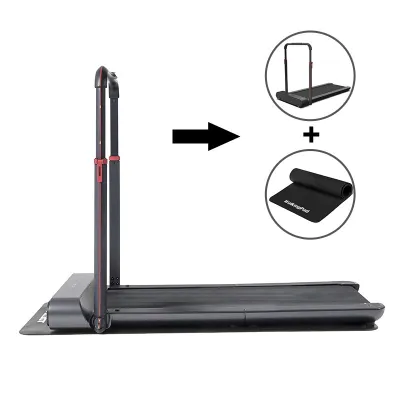
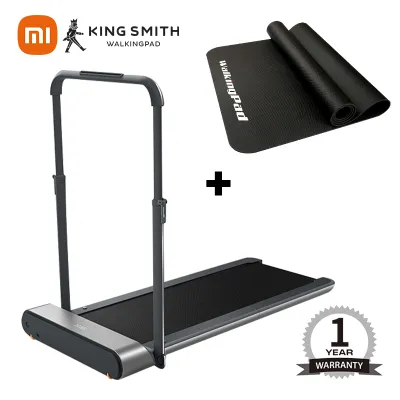
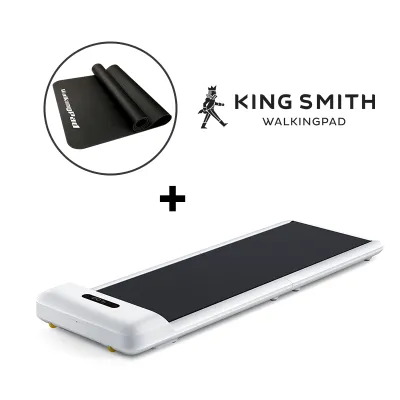
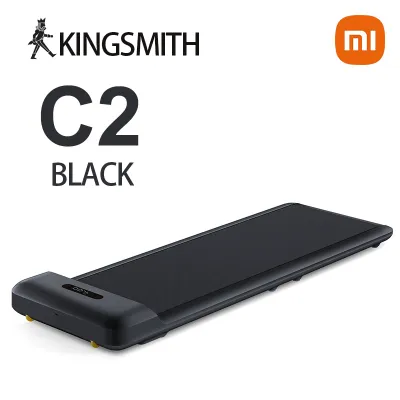
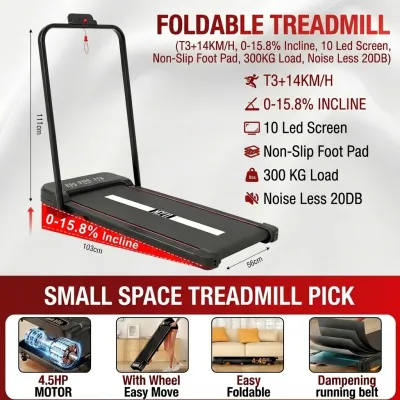
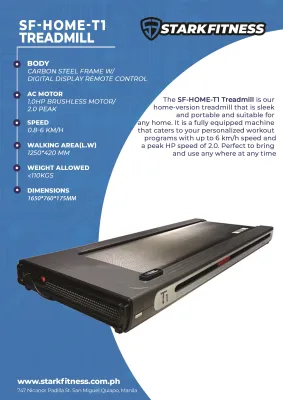
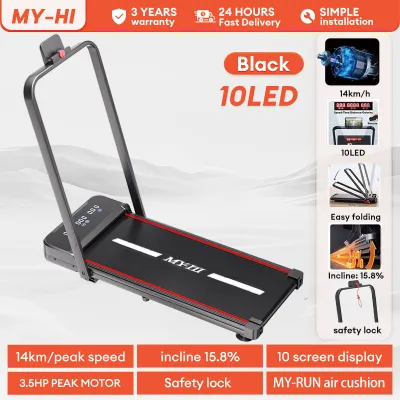
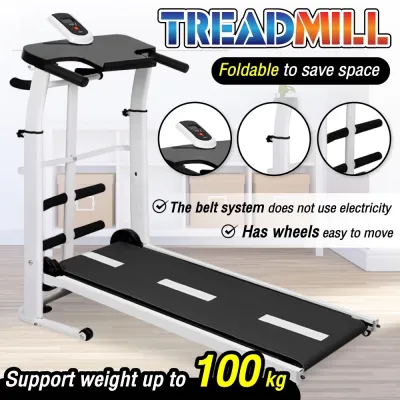
Prices are valid at publication and may change. Please refer to the product page for the latest price.
Next, trace the physical path from your condo’s main entrance to your designated workout spot. Measure the width of your main doorway, interior hallway corners, and any tight turns in your floor plan. Many high-rise condo buildings in metropolitan areas have narrow service elevators, tight entryways, or restrictive stairwells. Ensuring the boxed or assembled unit can clear these entry points prevents the frustration of a delivery that cannot physically reach your unit.
Finally, identify your primary storage spots to determine your maximum folded height and length limits. If you plan to slide the walk pad under a sofa or bed, measure the vertical clearance from the floor to the underside of the furniture frame. Do not guess this height; even a half-centimeter difference can prevent a folded machine from sliding out of sight. If you plan to store the unit vertically in a utility closet or behind a bedroom door, measure the available depth and height, ensuring the storage spot is dry and well-ventilated to protect the internal electronics from tropical humidity.
Critical Walk Pad Dimensions to Verify
When reviewing product specifications, pay close attention to the distinction between the overall machine dimensions and the actual running belt dimensions. The running belt, or walking area, must accommodate your natural stride and shoe size. For most users of average height, a belt length of at least 100 to 120 centimeters is necessary for a comfortable walking gait. Taller users with longer strides should verify if they need a slightly longer deck to prevent their feet from slipping off the rear roller during faster walks.

Belt width is equally critical for safety and comfort. A belt that is too narrow, such as those under 40 centimeters, requires constant focus to keep your steps perfectly centered, which can cause mental fatigue or accidental missteps. A width of 41 to 45 centimeters generally offers an excellent balance between a compact machine footprint and sufficient lateral stepping space.
Compare the fully unfolded footprint against your measured workout zone to understand the true space trade-off. A typical compact walk pad occupies about 1.2 to 1.5 meters of floor length when in use. If your living room double-purposes as your home office, ensure the unfolded machine does not block primary walkways, kitchen access, or emergency exit routes during your workout sessions.
Do not overlook the machine’s weight capacity and structural frame thickness. Ultra-thin models often advertise an attractive thickness of 10 to 15 centimeters, making them ideal for low-profile furniture. However, you must verify the machine’s maximum weight capacity alongside these slim dimensions. Extremely thin, lightweight frames may compromise structural stability and durability for heavier users. Check the manufacturer’s specified weight limit to ensure it safely exceeds your body weight, providing a stable, non-flexing platform that won’t degrade prematurely under daily impact.
Space-Saving and Condo-Friendly Features
Living in a multi-story condominium means your floor is someone else’s ceiling, making noise reduction a top priority. Look for walk pads equipped with brushless motors rather than traditional brushed motors. Brushless motors generally operate much more quietly, reducing the high-pitched hum that can easily penetrate thin condo walls and floors. This allows you to walk while attending virtual meetings or watching television without raising the volume excessively.
In addition to motor noise, the physical impact of your footsteps creates structural vibrations that travel through concrete floors. To mitigate this, verify that the walk pad features built-in shock absorption, such as rubber dampeners, multi-layer running belts, or flexible deck materials. These components cushion your joints while dampening the thud of each step, keeping your workouts polite and neighbor-friendly even during early morning or late-night sessions.
Storage flexibility is another game-changer for tight quarters. Some advanced models feature a patented 180-degree folding deck, allowing the machine to fold completely in half, cutting its storage length in half. Other models utilize a folding handrail that double-purposes as a structural support when stored upright. If you choose a model with a handrail, check whether it requires tools to fold down or if it uses a quick-release lever for rapid, tool-free storage.
To make daily setup painless, prioritize units with integrated transport wheels at the front base. A walk pad can weigh anywhere from 20 to 40 kilograms, making manual lifting difficult and risky for your back. Smooth-rolling wheels allow you to roll the machine from under a bed to the center of your living room with minimal effort. Ensure the wheels are made of a non-marring material like polyurethane to protect your condo’s laminate, vinyl, or engineered wood flooring from unsightly scratches.
Safe Setup and Daily Usage in Tight Quarters
Once your walk pad arrives, proper setup is key to both safety and machine longevity. Always place the machine on a flat, level, and stable surface. Avoid placing the walk pad directly on thick, plush rugs or high-pile carpeting. Thick carpet fibers can block the motor’s ventilation intake located underneath the deck, leading to overheating, and can also cause the belt to slip or run unevenly.
Maintain a strict safety clearance around the machine during every session. Keep the area behind the belt completely clear of power cords, toys, or decorative items. If you lose your footing, you must have a clear path to step off safely without tripping over obstacles. Position the walk pad away from glass coffee tables, sharp furniture corners, and delicate home decor to prevent secondary injuries in case of a fall.
Manage your power connections safely to protect your condo’s electrical system. Because walk pads draw significant electrical current, plug the unit directly into a grounded wall outlet rather than using cheap, unrated extension cords or multi-plug adapters, which can pose a fire hazard in enclosed spaces. Keep the power cord routed away from the walking belt and foot rails to prevent accidental damage during operation.
Always follow the manufacturer’s specific guidelines for folding, unfolding, and storing the machine. If your model supports vertical storage, ensure the locking mechanisms or safety pins are fully engaged before leaving the machine upright. Never leave a vertically stored walk pad in a high-traffic area where children, pets, or passing guests could accidentally knock it over, and always store it away from direct sunlight and moisture sources.
Frequently Asked Questions (FAQ)
Can I use a walk pad on a condo balcony?
Using a walk pad on a condo balcony is generally not recommended due to environmental risks. The tropical climate in the Philippines brings high humidity, sudden rain showers, and intense direct sunlight, all of which can rapidly damage the machine’s sensitive electronic console, motor, and power cables. Moisture can cause internal short circuits or rust on the steel frame, while UV exposure can degrade the rubber walking belt. Additionally, outdoor balcony use can amplify operational noise, potentially violating your building administration’s guidelines regarding noise transfer and external balcony aesthetics. If you must store or use it near a balcony, keep it strictly indoors behind closed glass doors.
Do I need an equipment mat under the walk pad?
Yes, using a dedicated equipment mat is highly recommended for condo living. A dense PVC or rubber mat serves two vital purposes: floor protection and noise reduction. It prevents the heavy metal frame and transport wheels from scratching, denting, or scuffing delicate condo flooring materials like laminate, vinyl, or engineered wood. Furthermore, the mat acts as an additional barrier that absorbs structural vibrations and impact noise, preventing the sound of your footsteps from traveling down into the unit below you. Ensure the mat is slightly larger than the walk pad’s fully unfolded footprint for maximum protection.
Community discussion
Share your experience or ask a question. Comments are reviewed before publication.