
Choosing between a walking pad and a regular treadmill for your home gym comes down to balancing your fitness goals against your available living space. In the Philippines, where tropical heat, high humidity, and sudden monsoon rains can make outdoor jogging unpredictable or uncomfortable, having a reliable indoor cardio option is highly practical. While both machines deliver excellent cardiovascular benefits, they serve entirely different styles of exercise and household setups. If your primary goal is to stay active while working or to squeeze daily steps into a compact urban apartment, a walking pad offers a lightweight, easily storable solution. Conversely, if you are training for a marathon, require high-intensity interval workouts, or need robust incline options, a traditional treadmill remains the standard choice.
Space, Storage, and Portability
Evaluating your physical living environment is the first step in deciding which machine will fit your home. Walking pads are designed with a minimalist footprint, often measuring less than half the height of a traditional treadmill and lacking a bulky console. This slim profile allows you to slide the unit under a sofa, bed, or standing desk when it is not in use, which is particularly advantageous for those living in compact condominiums or shared apartments where floor space is at a premium. Traditional treadmills, even those labeled as folding models, require a permanent or semi-permanent footprint because their heavy frames, handrails, and upright consoles do not fold completely flat.
Weight and portability also differ significantly between the two categories. Most walking pads weigh between 20 to 30 kilograms and feature built-in transport wheels, making them manageable for a single person to roll across a room or tuck away after a workout. Regular treadmills frequently exceed 80 kilograms, requiring multiple people or professional movers to relocate safely, and they are generally meant to stay in one dedicated spot once assembled.
Products mentioned in this guide
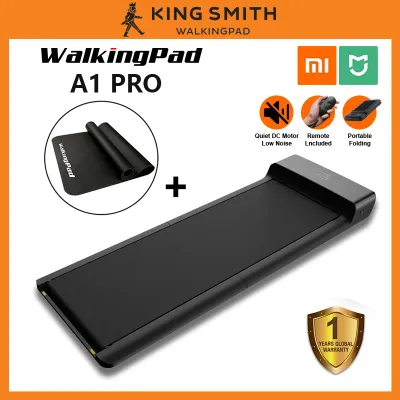
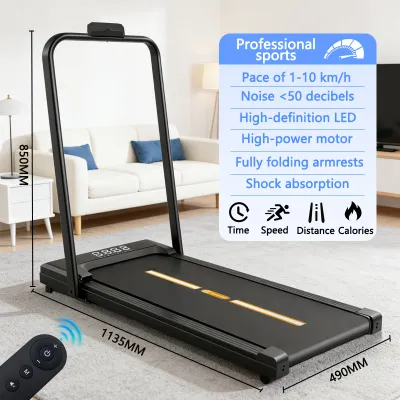
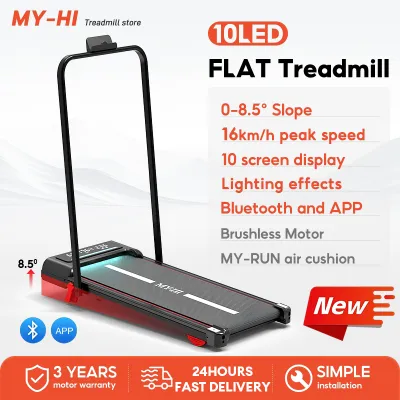
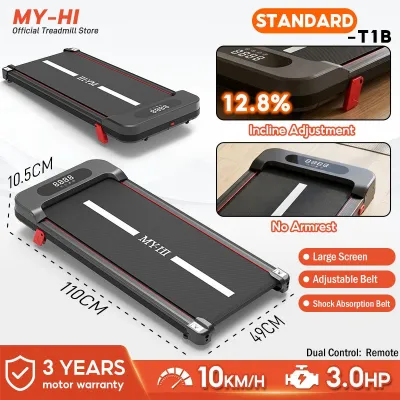
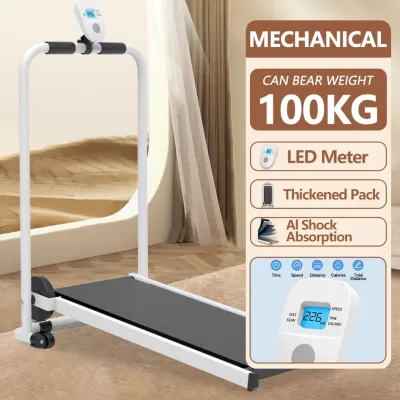
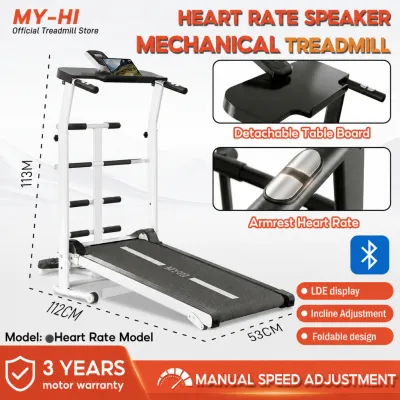
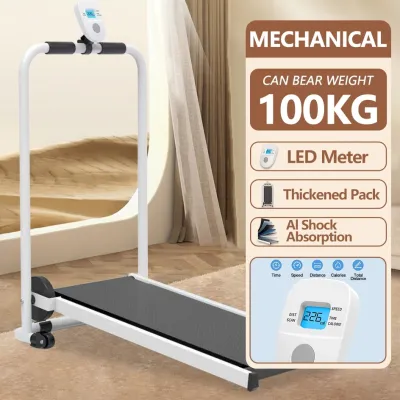
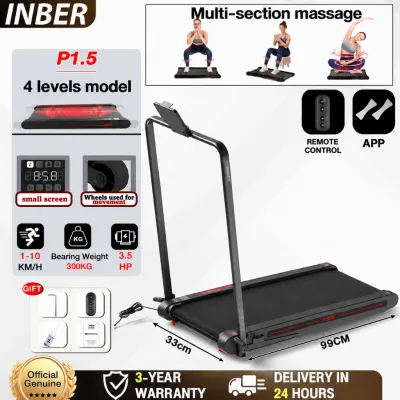
Prices are valid at publication and may change. Please refer to the product page for the latest price.
Regardless of which machine you choose, you must plan for adequate clearance space and floor protection to ensure safe operation. Operating any motorized belt requires at least one to two meters of clear, unobstructed space behind the machine to prevent injury in the event of a fall. Additionally, placing a dedicated equipment mat underneath the unit protects your flooring from scratches, sweat, and mechanical grease while stabilizing the machine during operation. In humid tropical climates, a high-quality mat also prevents moisture from trapping between the machine and your floor, reducing the risk of mold or floor damage.
Fitness Goals and Workout Capabilities
Your exercise routine dictates the mechanical specifications you need from a cardio machine. Walking pads are engineered primarily for low-to-moderate intensity movement, with maximum speeds typically capping out between 6 to 8 kilometers per hour. This speed range is ideal for brisk walking or light jogging but will not accommodate sprinting, high-intensity interval training (HIIT), or athletic running. Regular treadmills, on the other hand, easily reach speeds of 16 to 20 kilometers per hour, making them suitable for serious runners, endurance training, and speed workouts.

Incline capabilities and training variety also separate these two options. Traditional treadmills often feature motorized incline adjustments, allowing you to simulate outdoor hills, target different muscle groups, and increase calorie burn without increasing your speed. Walking pads rarely offer incline options, and those that do are usually fixed at a slight manual angle that cannot be adjusted during your workout. If you enjoy pre-programmed workouts, heart-rate tracking, or interactive training screens, a regular treadmill provides the robust console technology needed to support those features.
The physical dimensions of the running belt directly impact your safety and comfort. Walking pads feature shorter and narrower belts, which are perfectly adequate for the shorter strides of walking. However, if you have a longer stride or plan to run, the generous belt length of a regular treadmill is necessary to prevent your feet from slipping off the back or sides of the moving platform. Before purchasing, measure your natural stride length and compare it to the machine’s belt specifications to ensure you have enough room to move naturally.
Budget, Pricing, and Maintenance
The financial commitment of home fitness equipment includes both the initial purchase price and long-term upkeep. In the local market, entry-level walking pads generally range from ₱8,000 to ₱18,000, making them an accessible entry point for home fitness. Regular treadmills represent a more significant investment, with basic motorized models starting around ₱25,000 and premium, commercial-grade units exceeding ₱75,000.
This price variance is closely tied to motor size and overall durability. Walking pads utilize smaller motors, often rated between 0.75 to 1.5 continuous horsepower (CHP), which are designed for lighter loads and shorter operating sessions. Regular treadmills feature heavy-duty motors ranging from 2.5 to 4.0 CHP, enabling them to support higher user weight capacities and withstand prolonged running sessions without overheating. Because electricity rates can be high, it is worth noting that smaller walking pad motors generally consume less power than large treadmill motors, though actual consumption depends on your usage patterns.
Both machines require regular maintenance to ensure longevity and safe operation. You will need to periodically check the belt alignment and apply silicone lubricant underneath the belt to reduce friction on the motor. Because walking pads have smaller motors working harder to move the belt, keeping up with lubrication schedules is especially critical to prevent premature motor failure. Additionally, in humid environments, wiping down the machine after every workout is essential to prevent sweat from corroding the metal frame and electronic components.
Noise Levels and Household Impact
Acoustic and structural impacts are major considerations, particularly if you live in a shared household, apartment, or condominium. Walking pads operate with relatively quiet motors, and the low-impact nature of walking produces minimal footstrike noise. This makes them highly suitable for use during virtual work meetings, while watching television, or while family members are sleeping.
Regular treadmills generate significantly more noise due to their larger motors and the heavy impact of running feet. The downward force of running creates structural vibrations that can easily travel through concrete floors to units below, which can lead to noise complaints in multi-story residential buildings.
To mitigate noise and vibration, always place your equipment on a thick, high-density rubber mat designed for heavy gym gear. Positioning the machine away from shared walls and scheduling your workouts during daytime hours can also help maintain household harmony. Regular maintenance, such as tightening loose bolts and keeping the belt properly lubricated, also prevents squeaking and mechanical rattling.
Decision Framework: Which Equipment Fits Your Lifestyle?
To finalize your decision, evaluate how each machine aligns with your daily habits, fitness aspirations, and physical space.
Choose a walking pad if you have limited floor space, live in an apartment or condo, want to stay active while working at a standing desk, or prefer a budget-friendly machine for low-impact daily steps.
Choose a regular treadmill if you are an active runner, want to perform high-intensity interval training, require incline options to simulate outdoor terrain, or have a dedicated home gym space that can accommodate a heavy, permanent machine.
Verify first if your home can support your chosen equipment. Check the manufacturer’s specified weight capacity to ensure it accommodates all potential users in your household. Ensure your ceiling height allows for safe head clearance when standing on the machine, especially if you choose a treadmill with an incline feature. Finally, confirm that you have a grounded electrical outlet nearby to avoid using hazardous extension cords, as high-power fitness equipment should always be plugged directly into the wall.
Frequently Asked Questions (FAQ)
Can I run on a walking pad?
Running on a walking pad is generally not recommended due to safety and mechanical limitations. Most walking pads lack the handrails required for stability at higher speeds, and their shorter belt lengths increase the risk of stepping off the platform. Additionally, running puts excessive strain on the smaller motors and lightweight frames of walking pads, which can lead to rapid wear or sudden mechanical failure. Always check the manufacturer’s maximum speed and weight capacity labels before attempting anything faster than a brisk walk.
Do walking pads require assembly?
One of the primary conveniences of walking pads is their out-of-the-box readiness, as most models require virtually no assembly. You typically only need to unbox the unit, unfold any safety bars if equipped, plug it into a grounded outlet, and perform an initial belt alignment check. In contrast, regular treadmills often arrive in large, heavy boxes and require a multi-step assembly process involving tools, wiring connections, and securing heavy console masts.
Community discussion
Share your experience or ask a question. Comments are reviewed before publication.