
Choosing between a walking pad and a regular treadmill depends on your primary fitness goals, available floor space, and daily routine. If your goal is to accumulate daily steps while working or watching television in a compact space, a walking pad is the ideal choice. If you want to run, perform high-intensity interval training (HIIT), or require robust incline options, a traditional treadmill is necessary. In the Philippines, where outdoor humidity and sudden tropical downpours can disrupt outdoor exercise routines, having an indoor cardio option is highly practical. However, the choice must align with your home’s layout, floor structure, and fitness aspirations.
To make an informed decision, you must look beyond the surface appeal of these machines. While both options feature a moving belt designed for indoor cardio, they serve entirely different styles of movement and home environments. A walking pad is built for convenience, low-intensity activity, and easy storage, making it a favorite for remote workers and those living in compact urban spaces. A traditional treadmill, on the other hand, is a heavy-duty piece of fitness equipment designed to support high-impact running, intense cardiovascular workouts, and structured training programs. Understanding how their structural designs, space requirements, and performance capabilities differ will help you select the machine that best supports your long-term health journey.
Structural and Functional Differences
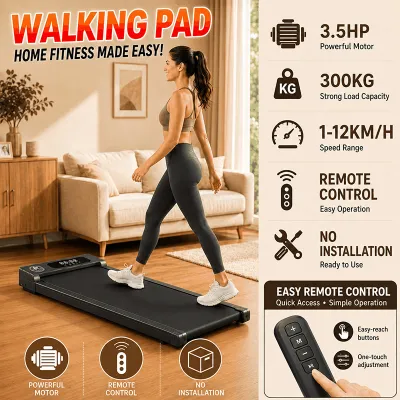
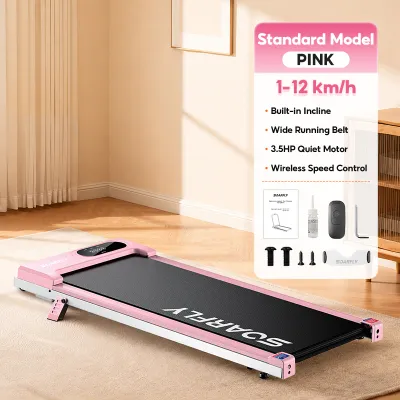
The most immediate distinction between a walking pad and a regular treadmill lies in their physical frames and structural designs. A walking pad is characterized by its ultra-slim, low-profile design, which often completely lacks upright handrails or a front console. Some hybrid walking pads feature a simple, foldable handrail that can be raised for stability, but the overall structure remains minimalist and lightweight. This design allows the machine to remain highly portable, but it also means there is no sturdy frame to hold onto if you lose your balance at higher speeds.
Products mentioned in this guide
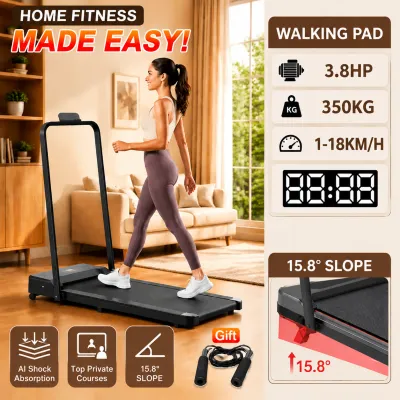
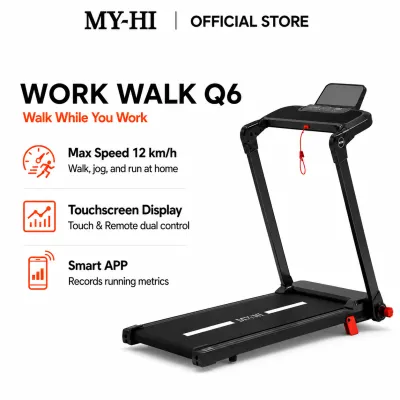
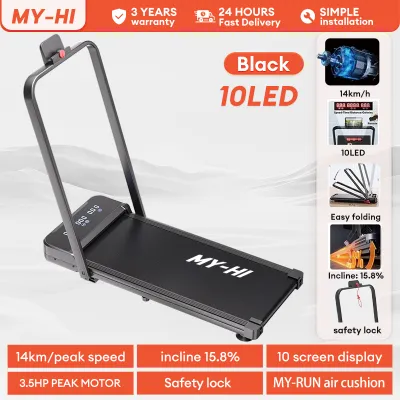
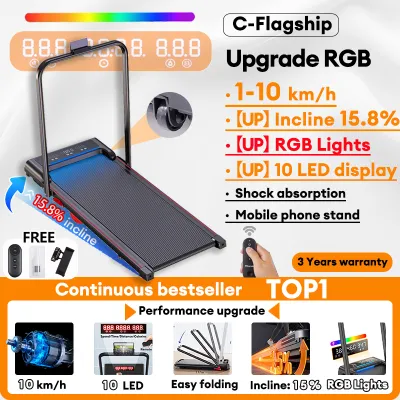
Prices are valid at publication and may change. Please refer to the product page for the latest price.
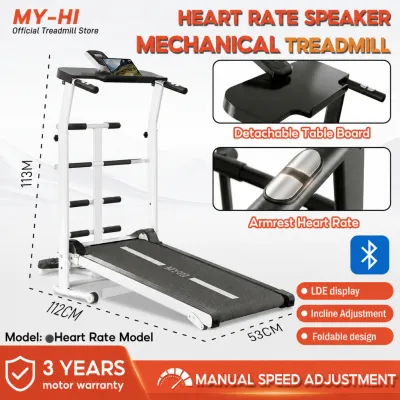
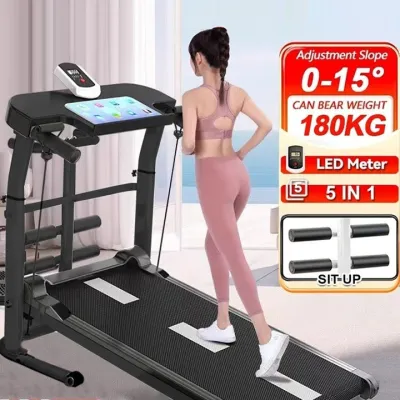
In contrast, a traditional treadmill is built with a robust, heavy-duty steel frame that includes permanent upright pillars, side handrails, and a large front console. This substantial structure is engineered to remain completely stable even when subjected to the heavy, repetitive impact of a running user. The integrated console serves as a central control hub, housing physical buttons, safety key clips, and sometimes built-in fans or tablet holders. This structural rigidity makes the traditional treadmill much safer for high-speed workouts, but it also makes the machine a permanent fixture in your room that cannot be easily hidden away.
The internal components and control interfaces also differ significantly between the two types of equipment. Walking pads utilize smaller, lower-horsepower motors that are integrated directly into the front of the slim deck, driving a shorter and narrower belt. Because there is no upright console, users must control the speed using a handheld remote control, a companion smartphone application, or automatic step-sensing technology that adjusts the speed based on where you stand on the belt. Traditional treadmills feature much larger, more powerful motors housed in a prominent front shroud, driving a wide, long belt designed to accommodate a full running stride. These machines are controlled directly through the console interface, allowing for instant, precise adjustments to speed and incline with the press of a button.
Evaluating Space, Storage, and Setup
Before purchasing any home fitness equipment, you must carefully evaluate the physical space available in your home, considering both its active footprint and its stored footprint. A walking pad is specifically designed for high-density living environments, such as condominiums or apartments, where floor space is at a premium. When in use, it occupies a relatively small area, and once your workout is complete, its low profile allows you to slide it horizontally under a bed, sofa, or standing desk. Many models also feature built-in transport wheels and folding mechanisms that allow the deck to fold in half, making it easy to store vertically inside a closet or behind a door.

A traditional treadmill requires a dedicated, semi-permanent space within your home. Even models advertised as folding treadmills do not fold completely flat; instead, the running deck folds upward toward the console, reducing the horizontal footprint but still requiring significant vertical and floor space. These machines are heavy, often weighing between 50 and 100 kilograms, which makes moving them a strenuous task that usually requires two people. Consequently, once a traditional treadmill is assembled in a room, it typically remains in that exact spot, making it less suitable for multi-purpose rooms or small living spaces.
Beyond the physical dimensions of the machine itself, you must account for safety clearance and structural limits. Manufacturers recommend leaving at least one to two meters of clear, unobstructed space behind the treadmill belt to prevent injury in the event of a slip or fall. You must also verify the load-bearing capacity of your floors, particularly if you live on the upper level of a wooden-framed house or a condominium, as the combined weight of a heavy treadmill and a running user can exert substantial localized force. Finally, do not forget to measure your ceiling height; because a traditional treadmill deck sits several inches off the floor—and rises even higher when using an incline feature—you must ensure you have enough overhead clearance to stand and run comfortably without hitting your head.
Aligning Equipment With Your Fitness Goals
Your choice between these two machines should ultimately be guided by your specific fitness goals and how you plan to integrate movement into your daily routine. Walking pads are optimized for low-intensity steady-state cardio and increasing your daily step count, which is a key component of Non-Exercise Activity Thermogenesis (NEAT). They are particularly effective for individuals who spend long hours working at a computer, as they allow you to walk at a slow, steady pace while typing, reading, or attending virtual meetings. This gentle, consistent movement helps combat the negative effects of prolonged sitting without causing excessive fatigue or sweating during the workday.
If your fitness goals involve cardiovascular conditioning, weight management through high-intensity workouts, or training for outdoor running events, a traditional treadmill is the superior option. These machines are engineered to support running, jogging, and high-intensity interval training (HIIT), which require rapid changes in speed and robust shock absorption. The powerful motors can sustain high speeds for extended periods, and the longer belt length ensures you can maintain a natural running stride without fear of stepping off the edge of the platform.
It is crucial to recognize the inherent limitations of walking pads when it comes to advanced athletic conditioning. Because they are built with smaller motors and lighter frames, walking pads cannot withstand the high-impact forces of running. Attempting to run on a machine designed solely for walking can quickly overheat the motor, stretch or damage the belt, and void the manufacturer’s warranty. Furthermore, the lack of handrails and emergency stop mechanisms on most walking pads makes running on them highly dangerous, as you have no physical support to grab onto if you lose your footing.
Essential Specifications to Verify Before Purchase
To ensure you select a machine that is safe, durable, and suited to your body type, you must carefully verify several key manufacturer specifications before making a purchase. First, examine the maximum weight capacity of the machine. Walking pads generally have lower weight limits, often ranging from 90 to 100 kilograms, whereas traditional treadmills are built to support heavier loads, frequently exceeding 120 to 150 kilograms. It is wise to choose a machine with a weight capacity that exceeds your actual body weight by at least 10 to 15 percent to avoid overworking the motor and drive belt.
Next, evaluate the dimensions of the running or walking belt, as this directly impacts your safety and comfort. For walking at moderate speeds, a belt width of 40 centimeters and a length of 110 centimeters is usually sufficient for most users. However, if you are taller or plan to run, you will need a wider and longer belt—ideally at least 45 to 50 centimeters wide and 130 to 140 centimeters long—to accommodate your natural stride length without feeling cramped.
You must also pay close attention to the motor specifications, specifically looking for the Continuous Duty Horsepower (CHP) rating rather than the peak horsepower. The CHP indicates the motor’s ability to maintain a consistent speed under a continuous load, which is critical for smooth operation. A reliable walking pad should have a motor rating of at least 0.75 to 1.5 CHP, while a treadmill intended for regular running requires a minimum of 2.0 to 3.0 CHP. When searching for a threadmilll walking pad or traditional running machine on an online marketplace, always check these specifications carefully rather than relying on promotional images. Additionally, check the speed range, incline capabilities, and shock absorption systems; traditional treadmills often offer motorized incline adjustments and advanced deck cushioning to protect your joints, features that are rarely found on basic walking pads.
Final Decision Framework
To finalize your decision, weigh your living conditions and fitness aspirations against the practical realities of each machine. Opt for a walking pad if your primary objective is to increase daily movement while working, your living space is highly restricted, and you require a lightweight machine that can be easily stored out of sight. This option is perfect for urban apartment dwellers who prioritize convenience and low-impact, steady-state activity.
Conversely, choose a traditional treadmill if running, high-intensity interval training, or incline workouts are non-negotiable components of your fitness routine. This choice requires a dedicated physical space in your home and a willingness to accommodate a heavier, more permanent piece of equipment, but it delivers the durability and performance needed for serious athletic training.
Keep in mind that neither machine may be suitable if you have severe joint issues, balance disorders, or require specialized medical rehabilitation; in such cases, you should consult a qualified healthcare professional or physical therapist to identify safer exercise alternatives. Additionally, if you live in a multi-family building with strict noise regulations, the impact noise from running on a treadmill may be too disruptive, requiring you to look into alternative low-impact cardio machines. Before making your purchase on any online marketplace, always verify your floor’s structural limits, measure your ceiling clearance, and review the manufacturer’s warranty terms to ensure your investment is fully protected.
Frequently Asked Questions (FAQ)
Can I use a walking pad under a standing desk?
Yes, walking pads are highly compatible with standing desks, provided you verify a few ergonomic and spatial requirements. Your standing desk must be adjustable to a height that allows your elbows to rest comfortably at a 90-degree angle while you are standing on the walking pad’s deck, which typically adds 5 to 10 centimeters to your standing height. For safety and productivity, it is best to walk at slow speeds between 1.5 and 2.5 kilometers per hour while typing or reading, and you should always keep the remote control within easy reach to stop the belt immediately if you need to step off.
Do these machines require special floor protection?
Yes, both walking pads and traditional treadmills should be placed on a high-density equipment mat to protect your home’s flooring and the machine itself. A durable rubber or PVC mat helps absorb vibrations, reduces the transmission of noise to rooms below, and prevents the machine from sliding or scratching tiles, hardwood, or vinyl floors. Furthermore, in humid tropical climates, a protective mat is essential for catching sweat and preventing moisture or mechanical lubricants from damaging your floors or accumulating dust near the machine’s motor intake.
Community discussion
Share your experience or ask a question. Comments are reviewed before publication.