
Finding a high-quality walking pad with vibration features in the Philippines requires looking beyond flashy marketing and focusing on mechanical specifications, electrical compatibility, and local after-sales support. Vibration walking pads—which combine a moving running belt with high-frequency oscillating plates or secondary vibration motors—are increasingly popular for home workouts and active workstations. However, because these dual-function fitness machines are heavy investments, buyers must carefully evaluate motor horsepower, structural stability, and local warranty terms before purchasing.
To make an informed decision, you must understand how these machines operate under tropical conditions and within the constraints of local residential spaces. This guide outlines the essential technical specifications, electrical requirements, and purchasing strategies to help you select a reliable walking pad that fits your fitness goals and home environment.
Understanding Vibration Walking Pads: Core Specs to Evaluate
Vibration walking pads generally utilize one of two mechanical designs to deliver their dual-action benefits. The first design features a single, larger motor that drives both the belt and an integrated vibration mechanism, while the second employs a dual-motor system where a dedicated motor controls the walking belt and a separate, smaller motor powers the vibration plate. Dual-motor systems are highly recommended because they allow you to control the walking speed and vibration intensity independently, preventing mechanical strain on a single power source. When evaluating these machines, look for adjustable frequency ranges, typically measured in Hertz or vibrations per minute, which let you customize the intensity from a gentle muscle-relaxing hum to a high-frequency stimulation.
Products mentioned in this guide
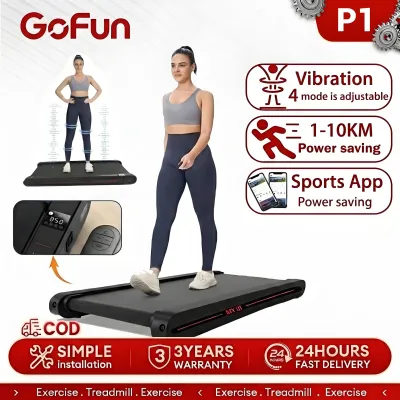
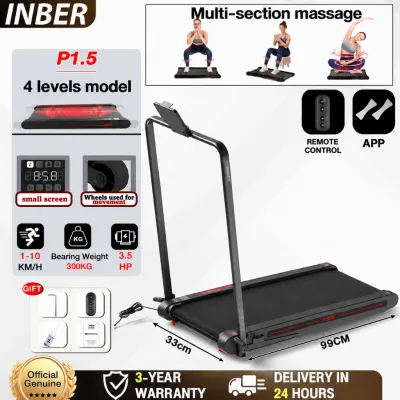
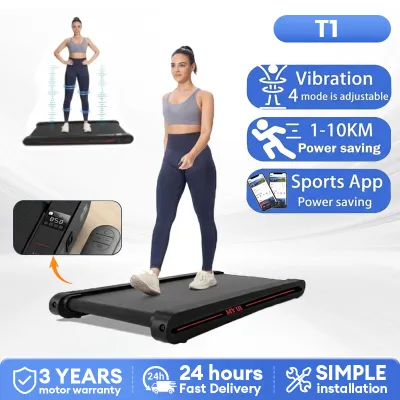
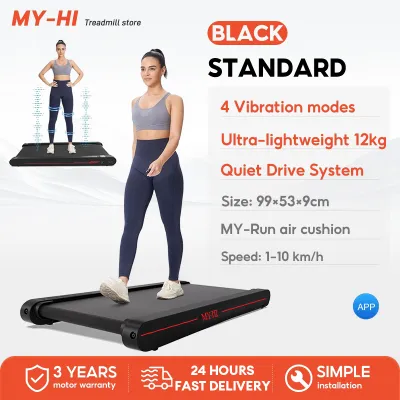
Prices are valid at publication and may change. Please refer to the product page for the latest price.
The physical dimensions of the running belt directly impact your safety and comfort during use. A belt width of less than 40 centimeters can feel restrictive and increases the risk of stepping off the moving surface, so aiming for a width of 42 to 45 centimeters is ideal for most body types. Additionally, you must verify the continuous horsepower (CHP) rating of the primary motor rather than the peak horsepower (PHP). A motor with at least 1.5 to 2.0 CHP ensures the belt moves smoothly under load without stuttering or overheating, which is especially critical during extended walking sessions in warm environments.
Because vibration naturally generates additional mechanical stress and noise, the deck construction and shock absorption systems require close inspection. High-quality walking pads utilize multi-layer running belts and high-density fiberboard decks supported by heavy-duty rubber dampers or silicone shock absorbers. These components work together to isolate the vibration, preventing it from transferring directly to your floor and creating a loud, disruptive hum. In Philippine homes, which frequently feature tiled or concrete floors that naturally amplify low-frequency sounds, robust noise reduction engineering is essential to maintain a quiet household.
Market-Specific Checks for Buyers in the Philippines
Before purchasing any heavy fitness equipment online, you must verify its electrical specifications to ensure compatibility with local power grids. The standard residential voltage in the Philippines is 220V at a frequency of 60Hz. Many imported walking pads are manufactured for 220V but rated at 50Hz, which is common in other parts of Asia and Europe. Running a 50Hz motor on a 60Hz electrical system causes the motor to spin faster than intended, leading to rapid heat buildup, premature component wear, and a significantly shortened lifespan. Always ask the seller for a photo of the product’s electrical label to confirm it is rated for 60Hz operation.

After-sales support is another critical factor that distinguishes a reliable purchase from a risky gamble. Because walking pads contain complex electronic consoles, dual motors, and moving belts, they are susceptible to wear and tear over time. Prioritize sellers who offer a comprehensive local warranty of at least one year on the motor and frame, backed by an authorized service center located within the country. Avoid gray-market units or unauthorized importers who offer lower upfront prices but require you to ship the heavy machine back to an overseas warehouse for repairs, which is often financially impractical.
Finally, consider the logistical challenges of shipping a heavy, bulky item to your home. Walking pads typically weigh between 20 and 40 kilograms, meaning shipping fees can vary drastically depending on your location. If you live outside Metro Manila or in an island province, regional delivery surcharges can add a substantial amount to the final cost. Check if the seller provides in-home delivery and assembly services, as maneuvering a heavy box up multi-story townhouses or condominium stairs can be difficult without professional assistance.
Building Your Conditional Shortlist: Matching Features to User Needs
To build a practical shortlist, you must match the physical specifications of the walking pad to your unique body measurements and fitness habits. Stride length is a primary consideration; taller individuals with longer strides require a belt length of at least 120 centimeters to walk comfortably without hitting the front motor cover or slipping off the back. Weight capacity is equally vital, and you should always choose a machine with a maximum weight limit that exceeds your actual weight by at least 20 kilograms. This safety margin prevents the motor from running at its absolute limit, reducing heat generation and extending the overall life of the drive belt.
Your intended usage scenario should dictate the console design and handlebar configuration of the machine. If you plan to use the walking pad primarily as a standalone fitness device for active cardio sessions, look for models that feature a folding handlebar with integrated speed controls and an emergency stop clip. For those who intend to use the machine while working, a flat, low-profile design without a fixed handlebar is necessary so it can slide easily under a standing desk. In this setup, a wireless remote control or a wearable wrist controller is essential for adjusting the speed and vibration settings safely without bending down.
Storage footprint is a major constraint for many urban dwellers living in compact condominiums or apartments. Evaluate how the machine folds and where it can be stored when not in use. Some walking pads fold completely flat to a height of less than 15 centimeters, allowing them to slide under a bed or sofa, while others are designed to stand vertically against a wall. Ensure the model you select features built-in transport wheels on the base, which make it much easier to roll the machine across the room without straining your back.
Navigating Online Marketplaces and Official Stores
When browsing major online marketplaces, identifying reputable sellers is the most effective way to avoid counterfeit products or poor customer service. Look for official brand flagship stores or authorized distributors that carry verified merchant badges on the platform. These sellers are more likely to provide authentic products, accurate specifications, and valid tax invoices that are necessary for claiming warranty services. Be skeptical of listings with generic titles, unusually low prices, or missing brand names, as these often indicate low-quality generic models that lack safety certifications.
Customer reviews provide invaluable, real-world insights into how a walking pad performs over time. When reading reviews, look past the initial five-star ratings and focus on detailed feedback from buyers who have used the machine for several weeks or months. Pay close attention to comments regarding the noise level of the vibration feature, how hot the motor housing gets after 30 minutes of continuous use, and whether the belt tends to slip or misalign. Reviews that include videos are particularly helpful for assessing the actual sound level and stability of the machine during operation.
Lastly, carefully review the platform’s return policies and available payment methods before checking out. Because shipping a defective walking pad back to the seller is incredibly expensive, ensure the merchant offers a clear, hassle-free return policy that covers return shipping costs for damaged or defective items. Many authorized sellers also partner with local banks to offer zero-percent interest installment plans over 3 to 12 months, which can make purchasing a high-quality, durable walking pad much more budget-friendly.
Frequently Asked Questions (FAQ)
Can I use a vibration walking pad under a standing desk?
Yes, you can use a vibration walking pad under a standing desk, provided you verify the clearance height of both the machine and your desk. However, you should be aware that high-frequency vibrations can travel up through your body and transfer to the desk surface, which may cause your computer monitor to wobble or make typing difficult. To minimize this effect, place a thick, high-density rubber equipment mat underneath the walking pad to absorb excess vibrations and isolate the noise from your workspace.
Does the vibration feature consume significantly more electricity?
The addition of a vibration feature does increase the overall power consumption of the walking pad, but the impact on your monthly electricity bill is generally minimal. A standard walking pad motor typically draws between 500 and 1,000 watts during use, while a dedicated vibration motor adds an additional 100 to 200 watts. To protect the sensitive dual-motor electronics from power surges and voltage fluctuations common in the Philippines, always plug your walking pad into a high-quality surge protector rather than directly into a wall outlet.
Community discussion
Share your experience or ask a question. Comments are reviewed before publication.