
Quick Answer: Wall-Mounted vs. Portable Basketball Hoops
Choosing the ideal basketball ring and bord system for your home depends on your available space, property ownership, and local environment. A wall-mounted basketball ring and bord setup offers maximum stability, a true rebound, and space-saving benefits, making it the premier choice for homeowners with a solid concrete or masonry wall. Conversely, a portable basketball ring and bord system provides the flexibility needed by renters, families sharing a multi-use driveway, or those playing on neighborhood streets where permanent structures are not permitted.
Ultimately, the decision rests on three main factors: whether you own or rent your home, the structural capacity of your exterior walls, and how your household shares the outdoor area with daily activities like parking and foot traffic.
Space and Location: Matching the Basketball Ring and Bord to Your Property
In the Philippines, residential spaces vary widely, from tight urban compounds in Metro Manila to spacious suburban driveways in Cavite or Laguna. Evaluating your physical layout is the critical first step before purchasing any basketball ring and bord equipment.
Products mentioned in this guide
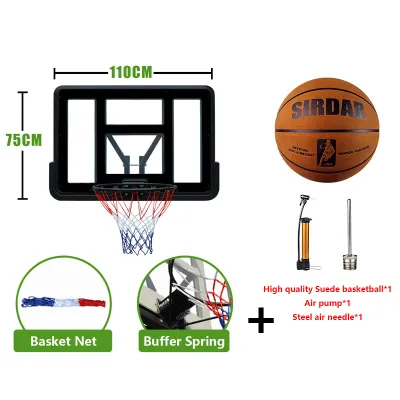
![[best price]Standard Basketball Hoop Set For Teenagers and Adults Basketball ring and board set Height-adjustable 10FT Outdoor basketball court Basketball ring with stand 10ft Outdoor and Indoor portable basketball hoops](https://img.lazcdn.com/g/p/a1d2deea08d256d0c8dba790bda522cd.jpg_400x400q80.jpg_.webp)
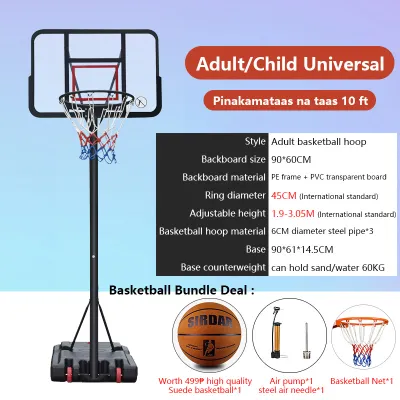
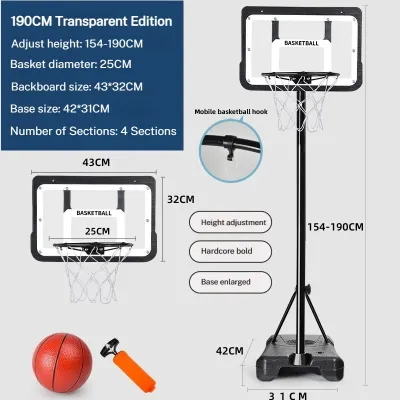
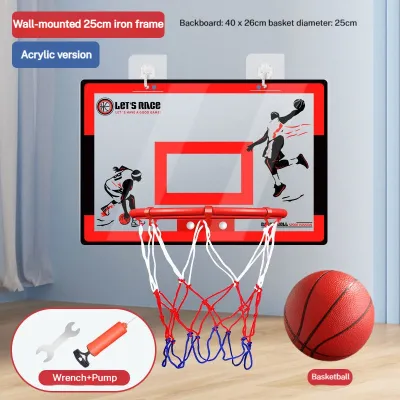
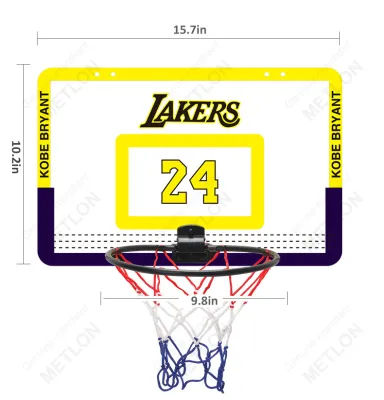
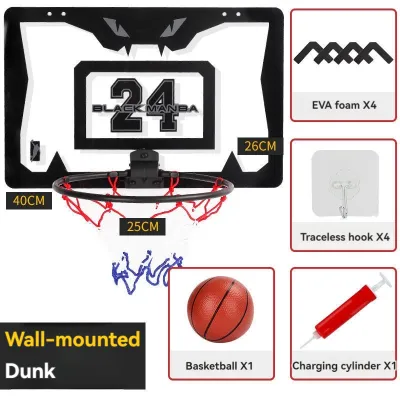
Prices are valid at publication and may change. Please refer to the product page for the latest price.

For homes blessed with a dedicated half-court, a spacious backyard, or a wide garage, a wall-mounted system is highly advantageous. Because the backboard mounts directly to an existing wall, it eliminates the need for a bulky ground pole and base. This design preserves precious floor space, allowing players to utilize the entire paved area right up to the wall without risking collisions with a metal support structure.
In contrast, multi-use driveways require a more adaptable solution. Many Filipino families use their front driveways for multiple purposes, such as parking the family car, drying laundry, or hosting neighborhood gatherings. A portable hoop shines in these dynamic environments because it can be rolled to the side when the space is needed for parking or when a vehicle needs to exit the gate.
Shared neighborhood streets and barangay alleys also demand portable setups. In many local communities, residents set up temporary half-courts on quiet side streets. Since permanent structures cannot be erected on public roads, a portable system allows players to wheel the hoop onto the asphalt for an afternoon game and return it safely inside their property line before sunset.
For renters and residents of strict subdivisions or condominium compounds, property rules often dictate the choice. Homeowners’ associations (HOAs) and landlords frequently prohibit drilling heavy anchors into exterior walls or altering the facade of the building. In these living situations, a portable unit is the only viable path to enjoying the game without risking fines or losing a security deposit.
Installation and Structural Requirements
Before purchasing any basketball ring and bord system, you must assess the structural realities of your installation site. A mistake here can lead to severe property damage or serious physical injury during play.
For a wall-mounted setup, the primary requirement is a solid, load-bearing structure. In the Philippines, most residential exterior walls are constructed from concrete hollow blocks (CHBs). Standard, unreinforced CHBs are brittle and hollow inside; they cannot safely absorb the intense vibrations, downward pull, and dynamic forces generated when a basketball bounces off the board or when a player makes contact with the rim.
Mounting a heavy backboard on an unreinforced hollow block wall, a lightweight fiber-cement partition, or a wooden fence is highly dangerous. Over time, the vibration will loosen the fasteners, cracking the wall and potentially causing the entire assembly to collapse. You must ensure the chosen wall is made of reinforced concrete or solid masonry, and you must use high-grade, heavy-duty steel expansion anchors or sleeve anchors to secure the mounting brackets.
If you are uncertain about the structural integrity of your wall, it is imperative to consult a local structural engineer or a professional contractor. They can verify if the concrete is thick enough and recommend the correct anchoring depth to handle the weight of the steel brackets, backboard, and rim.
Portable systems have different but equally strict prerequisites. A portable hoop requires a completely flat, level, and paved surface to operate safely. Placing a heavy portable base on uneven dirt, gravel, or a sloped driveway creates an immediate tipping hazard, as the center of gravity can easily shift during aggressive play or high winds.
Assembling a portable unit is also a significant undertaking that should not be attempted alone. The process involves piecing together multi-section steel poles, attaching a large backboard, and securing the heavy base. This task typically requires at least two or three adults, proper tools, and several hours of labor to ensure all bolts are tightened to the manufacturer’s exact specifications before the base is filled.
Stability, Play Quality, and Tropical Weather Resistance
The playing experience and lifespan of your basketball ring and bord system are heavily influenced by local weather. The Philippines experiences intense tropical heat, high humidity, and frequent typhoons, all of which test the limits of outdoor sports equipment.
For play quality, stability is the defining factor. A wall-mounted system offers a rigid, gym-like playing experience. Because the brackets anchor into solid masonry, the backboard absorbs the ball’s energy without flexing, resulting in a true, consistent rebound that allows for realistic bank shots.
Portable hoops naturally exhibit more movement. Even high-end portable systems will shake or sway slightly after a hard shot, especially if the base is not fully weighted. This vibration can disrupt the flow of play, as players must wait a few seconds for the backboard to stop shaking.
Typhoon safety is an absolute priority in the Philippines. During typhoon season, strong winds can turn a portable hoop into a hazardous sail. If left upright, it can blow over, smashing the backboard or damaging property. Owners must lower the hoop, move it to a sheltered area, or lay it flat ahead of a storm.
Wall-mounted systems are far more resilient against high winds because they are firmly anchored to the house structure. However, owners should still perform regular inspections after major storms, checking the brackets for signs of stress, metal fatigue, or loose concrete anchors.
The tropical climate also accelerates material wear. High humidity and salty air cause rapid rust on steel components. For wall-mounted systems, ensuring the brackets and rim have a thick, rust-resistant powder coating is essential. Any chipped paint should be touched up immediately to prevent moisture from eating into the metal.
Portable systems face environmental challenges at ground level. The plastic bases are subjected to intense, year-round UV radiation, which causes cheap plastics to degrade and crack over time. Additionally, because the steel pole sits directly in or adjacent to the base, pooling rainwater can cause severe rust at the structural foundation.
Flexibility, Mobility, and Height Adjustability
As families grow and neighborhood dynamics shift, the ability to adapt your basketball ring and bord setup becomes highly valuable. Understanding how each system handles adjustments and movement will prevent future frustration.
Height adjustability is a key feature for households with children of varying ages. Most modern portable systems come equipped with user-friendly, tool-free adjustment mechanisms. These can range from simple telescoping poles secured by knobs to advanced pneumatic or counterbalanced crank systems that allow even a child to raise or lower the rim from the standard 10 feet down to 7.5 feet.
While wall-mounted systems can be adjustable, doing so is often more complicated. Unless you invest in a premium bracket with a mechanical crank, adjusting a standard wall-mounted backboard usually requires a ladder, tools, and multiple people to safely loosen, slide, and retighten the mounting bolts. Consequently, most are set at a fixed height permanently.
The mobility of portable hoops is often misunderstood. Manufacturers frequently show these units being rolled effortlessly across a driveway. In reality, once the base is filled with over 100 kilograms of sand or water, moving the unit becomes a strenuous, multi-person task.
Draining a water-filled base makes the unit light enough to move, but frequent draining is impractical. Furthermore, water provides less ballast than sand, making the hoop more prone to tipping. If you choose sand for its superior stability, expect the hoop to remain semi-permanent, requiring significant physical effort to relocate.
Storage options also differ dramatically between the two types. If you need to clear your outdoor space completely for a special event, a family gathering, or seasonal storage, a portable unit can be carefully tilted onto its wheels and rolled into a garage or backyard shed. A wall-mounted system, once installed, remains a permanent architectural fixture on your wall, meaning it will always be visible and cannot be hidden away when guests arrive.
Cost, Upkeep, and Long-Term Value
Investing in a home basketball ring and bord setup requires looking beyond the initial purchase price. You must consider the total cost of ownership, including installation accessories, tools, and the long-term maintenance required to keep the system safe and functional.
The initial investment structure of these two systems differs significantly. Portable basketball hoops are generally sold as complete, all-in-one retail packages. When you buy a portable unit from a local sports retailer in the Philippines, the box contains the base, the poles, the backboard, the rim, and the net. Prices can range from budget-friendly entry-level models starting around ₱8,000 to premium, heavy-duty systems that can exceed ₱40,000.
Wall-mounted systems, on the other hand, can have a more complex pricing structure. While some basic packages exist, higher-quality setups often require you to purchase the backboard and rim separately from the wall-mounting bracket. This modular approach allows you to customize the overhang distance and the quality of the board, but it also adds to the total cost.
Additionally, unless you possess professional-grade masonry drills, you will likely need to hire a local contractor to install a wall-mounted unit safely. This professional labor can add several thousand pesos to your initial expenses, though it ensures the system is anchored securely.
Upkeep is essential for both systems to prevent premature degradation in the harsh Philippine climate. For a wall-mounted setup, maintenance is relatively straightforward but crucial for safety. You should inspect the mounting bolts and masonry anchors at least twice a year, tightening any hardware that has vibrated loose. Applying a rust-inhibiting primer and paint to any exposed metal on the brackets or rim will prevent tropical moisture from compromising the steel.
Portable hoops require more diverse, hands-on maintenance. If you use water to fill the base, you must regularly inspect the plastic shell for small cracks or slow leaks that could quietly drain the ballast and leave the hoop vulnerable to tipping. You must also ensure the fill cap is tightly sealed to prevent the water from becoming a breeding ground for dengue-carrying mosquitoes, a common concern in tropical areas.
For portable systems filled with sand, check that the sand has not compacted unevenly, which can cause the base to bulge or tilt. The height-adjustment crank, springs, and moving joints must be lubricated periodically with a silicone-based spray to prevent them from seizing up due to dirt, rust, and outdoor debris. Finally, ensure the transport wheels are kept clean and free of mud so they can roll when you need to move the unit.
Final Decision Framework: Which Setup Fits Your Needs?
To help you make the right choice for your household, use this practical decision framework to match your living situation to the ideal basketball ring and bord system.
Choose a Wall-Mounted System If:
- You own your home: You have the legal right to drill permanent anchors into the exterior structure without landlord or HOA approval.
- You have a solid concrete wall: The installation site features reinforced concrete or structural masonry capable of supporting heavy dynamic loads.
- You prioritize play quality: You want a professional-grade rebound with minimal backboard vibration and shake.
- You have a dedicated court area: Your playing space is permanently set aside for basketball and does not need to be cleared for parking or other household chores.
Choose a Portable System If:
- You are renting your property: You need a non-permanent basketball setup that can be disassembled and moved to a new home in the future.
- You share a multi-use space: Your driveway doubles as a parking lot, a pathway, or a communal area where the hoop must be moved out of the way regularly.
- You want easy height adjustments: You have young children who are growing quickly and need a system that can be lowered or raised in seconds without tools.
- You live in a strict community: Your subdivision or compound has rules against permanent outdoor modifications but permits temporary sports equipment.
Verify These Critical Factors First:
- Wall Construction: Check if your target wall is made of standard concrete hollow blocks (CHBs). If it is, do not install a wall-mounted hoop without professional reinforcement.
- Wind Exposure: If your property is in a highly exposed coastal or elevated area prone to strong seasonal winds, ensure you have a safe plan to secure or lower a portable unit during typhoons.
- Local Regulations: Review your subdivision's homeowners' association guidelines regarding outdoor sports equipment to avoid unexpected fines or disputes with neighbors.
Frequently Asked Questions (FAQ)
Can I install a wall-mounted basketball ring on a hollow block wall?
Installing a wall-mounted basketball ring and bord directly onto a standard concrete hollow block (CHB) wall is highly discouraged and poses severe safety risks. Standard hollow blocks do not have the structural density or strength to withstand the constant vibrations and heavy downward forces of active basketball play. Over time, the anchors will crack the surrounding concrete, causing the fasteners to pull out and the entire system to fall. If you must use a CHB wall, you must have a professional contractor structurally reinforce the wall with solid concrete columns or install a heavy-duty steel backing plate on the opposite side of the wall to distribute the load safely.
Is it better to fill a portable basketball base with sand or water?
For maximum safety and performance, sand is the superior filling material. Sand is approximately 30% denser than water, providing significantly more weight and ballast at the base of your portable system. This extra weight dramatically reduces backboard shake during play and prevents the unit from tipping over in strong winds. However, sand is difficult to pour into the base and makes the unit extremely heavy to relocate. Water is much easier to fill and drain, making it a convenient choice if you plan to move or store the hoop frequently. If you choose water, ensure the base is completely sealed to prevent leaks and treat the water to prevent algae growth and mosquito breeding.
Community discussion
Share your experience or ask a question. Comments are reviewed before publication.