
Quick Answer: Matching Bandage Type to Your Athletic Needs
Choosing between a washable bandage and a disposable one depends on your training frequency, sweat exposure, and specific physical support requirements. For athletes who train multiple times a week and require consistent, low-impact compression for joint warmth or mild swelling, a reusable washable bandage offers an economical and sustainable solution. Conversely, disposable bandages are highly suited for acute injuries, situations requiring strict sterile hygiene, or when traveling light for out-of-town tournaments.
There is no single option that excels in every athletic scenario. Instead, active individuals often benefit from keeping both types in their gym bags. This approach ensures you have the right tool whether you are managing a chronic, minor joint instability during daily drills or addressing an unexpected scrape on the field.
Key Comparison Factors for Active Users
To make an informed choice, athletes must evaluate how each bandage type performs across several practical dimensions. While convenience and upfront cost are immediate considerations, the physical demands of sport require a deeper look at hygiene, moisture management, and structural support.
Products mentioned in this guide
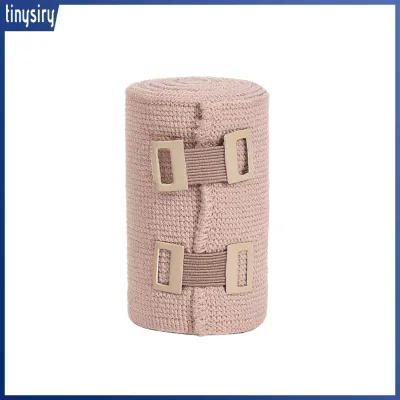
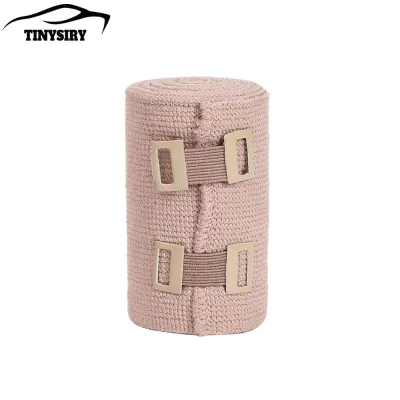
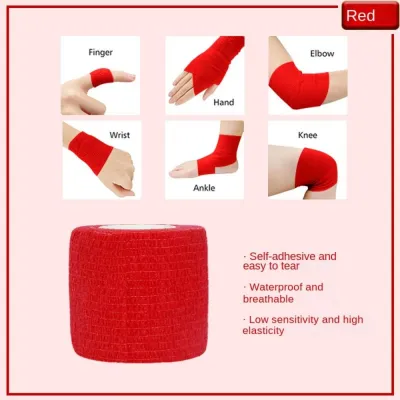
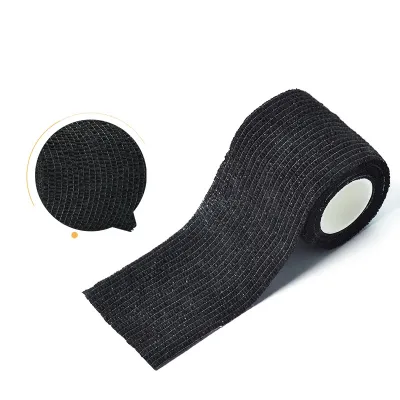
![Professional Finger Guard Wrap Washable Adjustable Compression Joint Band Protector Basketball Volleyball Strap Bandage [RANDOM DESIGN]](https://img.lazcdn.com/g/p/2657609060ea26bfb99a7f8ee06f6148.jpg_400x400q80.jpg_.webp)
Prices are valid at publication and may change. Please refer to the product page for the latest price.

It is also important to recognize that the performance of any wrap is heavily influenced by its material composition and weave. Simply labeling a bandage as washable or disposable does not tell the whole story; the underlying fabric technology determines how well it holds up under tension and heavy sweat.
Cost and Long-Term Value
When analyzing the financial aspect of athletic gear, the distinction between immediate expenses and long-term value becomes highly apparent. Washable bandages generally require a higher initial investment per unit. However, because you can reuse them dozens of times, the cost per use drops significantly over weeks of consistent training.
To find your personal break-even point, calculate your weekly usage. If you wrap an ankle three times a week for basketball practice, using disposable cohesive tape can quickly accumulate a substantial monthly bill. In contrast, a pair of high-quality washable elastic wraps can last for months, making them highly cost-effective for high-frequency users.
Actual retail prices vary depending on the brand, material quality, and where you shop. To compare options accurately, check current listings on local online marketplaces or sports pharmacies, where prices are typically listed in Philippine Pesos (₱). Factor in the cost of laundry detergent and water, though these are usually negligible compared to the recurring purchase of single-use rolls.
Hygiene, Sweat, and Skin Sensitivity
Athletic training in tropical climates, such as the high-humidity environment of the Philippines, presents unique challenges for skin health. Disposable bandages offer a fresh, sterile application every single time. This makes them the preferred choice for covering open wounds, blisters, or skin that is highly prone to chafing and irritation.
Washable bandages, on the other hand, require diligent care to maintain proper hygiene. During intense workouts, fabric wraps absorb sweat, sebum, and dead skin cells, creating an environment where bacteria can thrive if the material is left damp in a dark gym bag. Failing to wash these wraps regularly can lead to skin rashes, unpleasant odors, or localized infections.
To protect your skin, never assume a bandage is safe just because of its appearance. Always check product labels for hypoallergenic materials, latex-free certifications, or specialized antimicrobial treatments. If you have sensitive skin, verifying these details on the packaging is crucial before wrapping any fabric tightly against your body during a sweaty workout.
Convenience, Portability, and Application
The practicalities of packing a gym bag or first aid kit often dictate which bandage you reach for during a session. Disposable bandages excel in grab-and-go convenience. They are typically pre-packaged, lightweight, and require no preparation, making them perfect for rapid application directly on the field or court when an unexpected injury occurs.
Washable bandages demand more preparation and storage space. After use, they must be rolled up, stored, washed, and dried before they can be used again. In humid regions, the drying process can take considerable time, meaning you may need to own multiple wraps to ensure you always have a clean, dry one ready for your next training session.
Environmental considerations also play a role in this decision. While disposable bandages generate continuous single-use waste that ends up in landfills, washable alternatives require water, energy, and detergent for upkeep. Athletes looking to minimize their ecological footprint often favor reusables, balancing the environmental cost of laundering against the reduction of physical waste.
Support, Elasticity, and Performance
An athletic wrap must deliver reliable physical support, but this capability is determined by the specific weave, material blend, and elasticity of the product rather than its reusability status. High-performance support requires a balance of tension and flexibility to allow natural movement while stabilizing joints.
Before purchasing, check the manufacturer specifications for stretch percentage, tensile strength, and intended use. Some wraps are designed strictly for light compression to manage swelling, while others feature a tighter, more rigid weave intended for joint stabilization during heavy lifting or high-impact cutting movements.
It is vital to monitor how these physical properties change over time. The elasticity of washable bandages inevitably degrades with repeated stretching and laundering cycles. To ensure your safety during training, regularly inspect your reusable wraps for a loss of recoil or visible thinning of the elastic fibers, as a stretched-out bandage will fail to provide the necessary joint support.
Decision Framework: Which Bandage Should You Buy?
To finalize your choice, evaluate your athletic routine against the following practical guidelines.
Choose Washable Bandages If:
- You engage in daily or high-frequency training sessions that require consistent joint compression.
- Your primary goal is managing chronic, minor swelling or keeping joints warm during warm-ups.
- You want to minimize long-term recurring expenses and reduce single-use plastic and adhesive waste.
- You have access to reliable laundry facilities and can allow wraps to dry completely between uses.
Choose Disposable Bandages If:
- You are treating acute injuries, open wounds, or fresh abrasions that require sterile protection.
- You travel frequently for tournaments or outdoor adventures where washing and drying gear is impractical.
- You have highly sensitive skin or a known allergy to common laundry detergents or specific fabric blends.
- Your bandage usage is infrequent, making a box of single-use wraps more practical than maintaining reusable ones.
Verify First If:
- Your specific sport governing body or local league has regulations regarding the types of wraps, colors, or fasteners allowed during official matches.
- You are dealing with a severe or persistent injury; always seek professional medical advice to ensure a compression wrap is the correct therapeutic approach.
- The product specifications match your physical needs, paying close attention to width, length, and closure mechanisms like hook-and-loop strips or metal clips.
Care and Maintenance for Washable Bandages
Proper upkeep is essential to preserve the structural integrity and hygienic safety of reusable athletic wraps. To clean your washable bandages, hand washing in cool or lukewarm water with a mild, scent-free detergent is generally recommended. Avoid using fabric softeners, as these can coat the elastic fibers and reduce their gripping ability and breathability.
If you prefer machine washing, always place the wraps inside a mesh laundry bag to prevent them from tangling around the agitator or clinging to other garments. Use a gentle cycle and avoid high-heat drying settings. Excessive heat from dryers can melt or warp the synthetic elastic strands, permanently destroying the bandage’s recoil and support capabilities.
In humid climates like the Philippines, thorough air drying is critical. Hang the wraps in a well-ventilated area out of direct, intense sunlight, which can also degrade certain materials over time. Ensure the fabric is completely dry before rolling it up for storage; packing away even slightly damp wraps can lead to mold, mildew, and stubborn odors.
Inspect your wraps regularly and replace them immediately if you notice fraying edges, permanent stretching where the fabric no longer snaps back, lingering odors that persist after washing, or a loss of grip in the hook-and-loop fasteners.
Frequently Asked Questions (FAQ)
Can I use a washable bandage directly on an open wound?
No, washable bandages should not be applied directly to open wounds, cuts, or fresh abrasions. Reusable wraps are designed for external support and compression, and they are not sterile. Placing them directly on broken skin increases the risk of introducing bacteria into the wound. Always apply a sterile, disposable dressing or gauze pad directly over the wound first, secure it, and then use the washable bandage as an outer layer for support or compression if needed. For deep, heavily bleeding, or potentially infected wounds, consult a medical professional immediately.
How often should I replace my washable athletic bandage?
There is no universal expiration date for reusable wraps, as their lifespan depends on usage frequency, sweat exposure, and how carefully they are laundered. Instead of relying on a calendar, perform regular physical checks on your gear. Replace the bandage if you observe a significant loss of elasticity, frayed edges, thinning fabric, or if it no longer holds the required tension during movement. Always refer to the manufacturer’s specific care and replacement guidelines printed on the product packaging to maximize the safe usage window of your equipment.
Community discussion
Share your experience or ask a question. Comments are reviewed before publication.