
Selecting a reliable waterproof flashlight for diving requires looking far beyond standard water-resistance claims. A true dive light must withstand intense underwater pressure, resist saltwater corrosion, and provide dependable illumination in low-visibility environments. Before heading into the water, divers must verify that their equipment matches their specific dive profile and skill level, as a sudden light failure underwater can quickly lead to disorientation.
While a standard waterproof light might survive a quick splash or a shallow swim, scuba diving subjects equipment to atmospheres of pressure that can easily bypass basic seals. Proper underwater navigation and safety depend on choosing a light engineered specifically for depth. This guide breaks down the essential technical specifications, from pressure ratings to beam angles, to help you select a reliable light for your next underwater adventure.
Depth Ratings vs. IPX Water Resistance: What Keeps You Safe
Many general-use flashlights carry an IPX8 rating, which leads some users to assume they are safe for scuba diving. However, the IPX rating system is designed for temporary immersion, typically tested at shallow depths of one to three meters under static conditions. These tests do not simulate the dynamic pressure changes, movement, and thermal shifts that occur when descending into deeper water.
Products mentioned in this guide
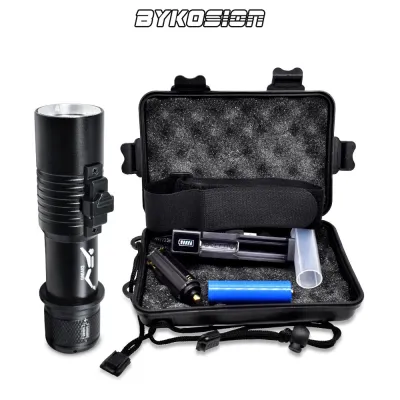
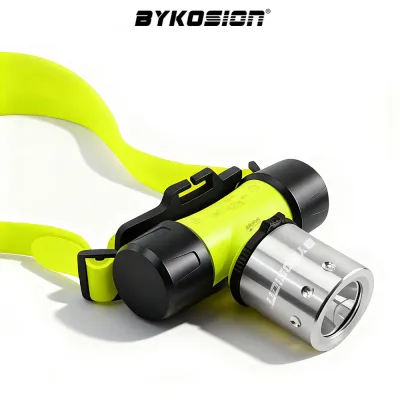
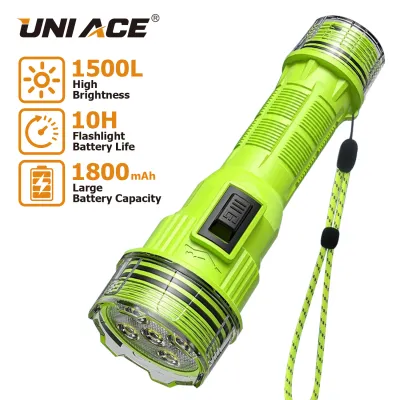
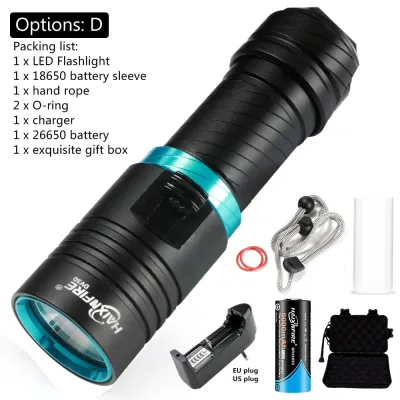
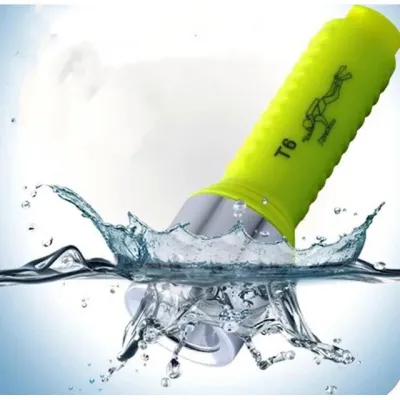
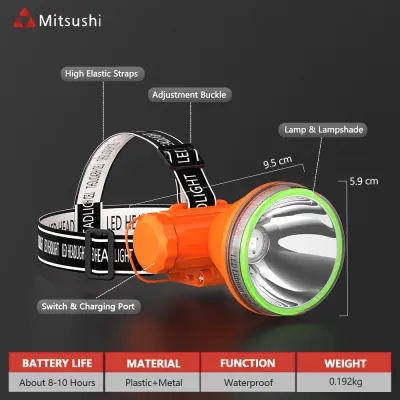
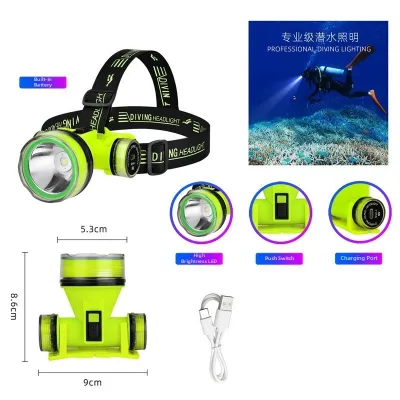
Prices are valid at publication and may change. Please refer to the product page for the latest price.
A dedicated waterproof flashlight for diving features an explicit depth rating, usually measured in meters or atmospheres. Manufacturers of authentic diving lights subject their products to specialized pressure chambers to verify seal integrity at specific depths, such as 100 meters or more. These ratings include a safety margin to account for the movement of the diver, which can temporarily increase the local pressure on the seals.
When evaluating a light, always check the manufacturer’s official documentation for a certified depth rating rather than relying on generic waterproof labels. If a product listing only mentions an IPX rating without a specified diving depth, it is likely not designed to withstand the pressures of recreational or technical diving. Using an unrated light risks immediate flooding, which can destroy the electronics and leave you in darkness.
Lumens and Beam Angles: Matching Light to Your Dive Environment
The effectiveness of your light underwater depends heavily on its beam angle and brightness, which must match your diving environment. Spot beams, which typically feature a narrow angle of 5 to 15 degrees, concentrate light into a tight, intense beam. This design is ideal for cutting through turbid water, exploring deep crevices in coral reefs, and signaling your dive buddy.

In contrast, flood beams offer a wide angle, often ranging from 60 to 120 degrees, which distributes light evenly across a broad area. Flood lights are excellent for night diving in clear waters and are essential for underwater photography or videography, as they prevent harsh hotspots in your images. Some advanced dive lights offer dual-beam functionality, allowing you to switch between spot and flood modes depending on the situation.
Water density and suspended particles significantly affect how light travels underwater. In murky or plankton-rich waters, a high-lumen flood light can cause severe backscatter, reflecting light directly back into your eyes and reducing visibility. Under these conditions, a lower-lumen spot beam is often more effective. Additionally, remember that operating a light at its maximum brightness setting drains the battery rapidly, so balancing your lumen output with required burn time is critical for safety.
Battery Types and Burn Time: Ensuring Reliable Power Underwater
A diving flashlight is only as reliable as its power source. Rechargeable lithium-ion batteries are the standard for modern dive lights due to their high energy density and ability to maintain a consistent voltage output throughout most of the discharge cycle. This prevents the light from dimming gradually during your dive, ensuring predictable performance.
Disposable alkaline batteries are sometimes used in compact backup lights, but they perform poorly in cold water and suffer from rapid voltage drops. When planning your dive, always review the manufacturer’s burn-time specifications for each brightness level. A light that boasts thousands of lumens may only sustain that output for a few minutes before stepping down to a lower level or draining the battery completely.
Before every dive, verify the integrity of the battery compartment. Ensure that the threads are clean, the O-rings are properly lubricated, and the compartment is sealed tightly. In tropical climates like the Philippines, high humidity can trap moisture inside the battery compartment during changes, leading to internal condensation or corrosion. Always change batteries in a dry, air-conditioned environment when possible.
Build Materials and Switch Mechanisms: Durability and Usability Checks
The physical construction of a dive light determines how well it survives the harsh marine environment. Marine-grade anodized aluminum is highly favored for its structural strength, resistance to saltwater corrosion, and excellent heat dissipation. Plastic or composite bodies are lighter and often more affordable, but they may not tolerate accidental impacts against rocks or boat decks as well as metal.
Switch mechanisms are another critical point of failure under pressure. Standard push-button switches rely on flexible rubber boots that can compress under depth, potentially turning the light on permanently or causing a leak. Diving flashlights typically utilize magnetic slide switches, rotary rings, or electronic tail switches that isolate the internal electronics from the external environment.
When selecting a light, test the switch mechanism while wearing your diving gloves. A switch that is easy to operate with bare hands can become difficult to manipulate when wearing thick neoprene. Additionally, inspect the lens material; tempered glass is highly resistant to scratching and can withstand significant pressure changes without cracking or distorting the beam.
How to Build Your Diving Flashlight Shortlist
To choose the right waterproof flashlight for diving, start by defining your primary diving activities. A recreational day diver exploring shallow reefs may only need a compact, low-lumen spot light to peer into crevices. A night diver or wreck diver, however, requires a high-output primary light with a long burn time, along with a reliable, compact backup light.
Create a verification checklist for every model you consider:
- Confirm an explicit depth rating that exceeds your maximum planned depth.
- Verify the beam angle matches your visibility conditions (spot for murky water, flood for clear night dives).
- Check that the battery burn time at your required brightness level exceeds your planned dive time by a safe margin.
- Ensure the switch mechanism is easily operable with your diving gloves.
Finally, look into the availability of replacement parts and maintenance support. A high-quality dive light should have user-replaceable O-rings and clear guidelines on lubrication. Verify the manufacturer’s warranty terms and ensure you can easily source compatible batteries and chargers to keep your equipment functioning safely for years to come.
Frequently Asked Questions (FAQ)
Can I use a regular waterproof tactical flashlight for scuba diving?
No, standard tactical flashlights are not designed to handle the pressure of deep underwater environments. Even if a tactical light has a high IPX waterproof rating, its seals and push-button switches are prone to failure or leaking when subjected to the pressure of scuba depths. Dedicated diving lights feature specialized double or triple O-rings and pressure-resistant switches to prevent flooding.
How often should I replace the O-rings on my diving flashlight?
You should inspect your flashlight’s O-rings before every dive and replace them immediately if you notice any cracks, stretching, or flattening. As a general rule, active divers should replace the O-rings at least once a year, even if they appear undamaged. Always apply a thin layer of manufacturer-approved silicone grease to the O-rings to maintain their elasticity and ensure a reliable waterproof seal.
Community discussion
Share your experience or ask a question. Comments are reviewed before publication.