
When camping during the rainy season in the Philippines, a standard summer tent will quickly leave you drenched. To withstand the intense downpours of the southwest monsoon (Habagat) and tropical depressions, you should look for a rainfly with a verified hydrostatic head (HH) rating of at least 1,500mm to 3,000mm and a tent floor rating of 3,000mm to 5,000mm or higher. However, the fabric’s waterproof rating is only one part of the equation; staying dry also requires a double-wall design, fully taped seams, a bathtub floor, and proper campsite setup.
Selecting the right shelter involves balancing fabric ratings with structural wind resistance and ventilation. In a tropical climate characterized by relentless rain and high humidity, a failure to manage internal condensation can make the inside of your tent just as wet as the outside. Understanding how these specifications translate to real-world performance is the key to choosing a reliable shelter for your next outdoor adventure.
Understanding the Philippine Rainy Season and Typhoon Challenges
The Philippine rainy season, which typically peaks between June and October, presents a unique set of meteorological challenges for outdoor enthusiasts. The southwest monsoon, locally known as the Habagat, brings prolonged, heavy rainfall that can last for days without interruption. Additionally, the country experiences multiple tropical cyclones annually that bring severe gusty winds and torrential downpours.
Products mentioned in this guide
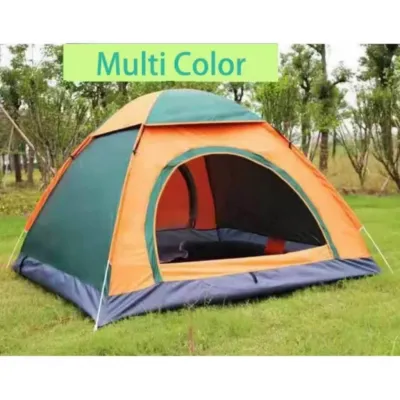
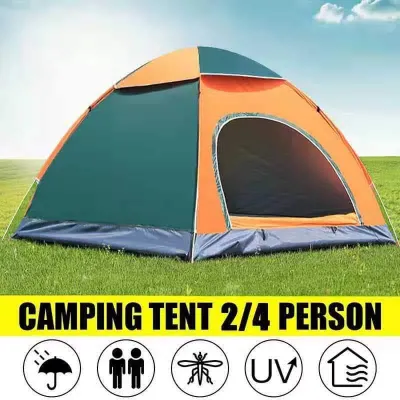

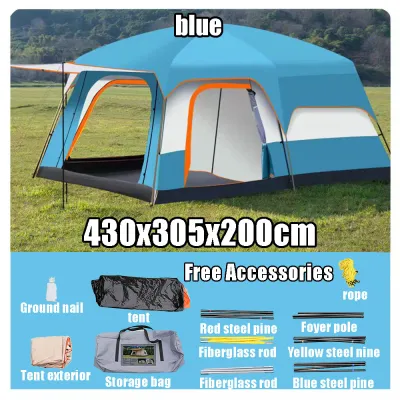
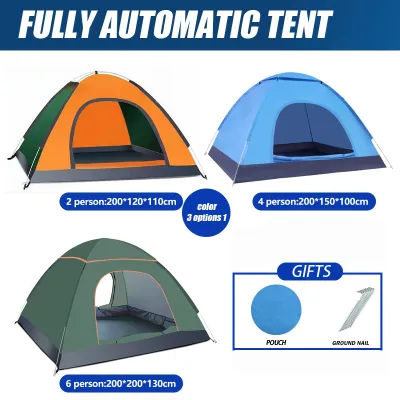
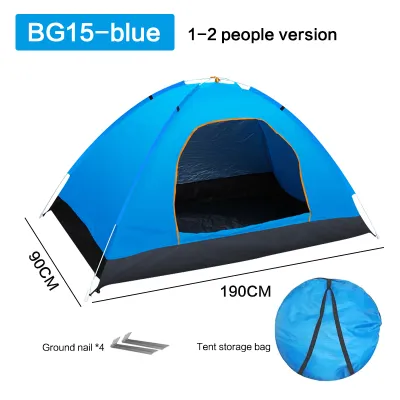
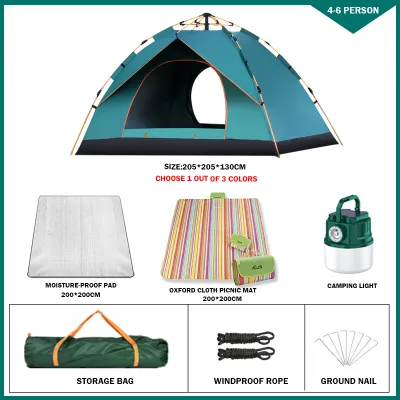
Prices are valid at publication and may change. Please refer to the product page for the latest price.
These tropical weather systems differ fundamentally from the brief, mild rain showers common in temperate climates. In the Philippines, rain is often accompanied by high wind velocities that drive water horizontally, forcing it against zippers, seams, and ventilation ports. The sustained nature of these storms means that fabrics are subjected to continuous water pressure over extended periods, testing the limits of any waterproof barrier.
Furthermore, the ambient relative humidity during a tropical storm frequently approaches 100 percent. This extreme moisture level makes managing internal condensation exceptionally difficult. When warm, humid air inside the tent cannot escape, it condenses on the cooler fabric of the rainfly, creating internal moisture that mimics a leak. Therefore, your core decision when selecting a tent must account for three distinct environmental pressures: managing wind load, resisting ground-level water runoff, and facilitating continuous moisture vapor escape.
Decoding Hydrostatic Head (HH) Ratings for Tropical Downpours
The primary metric used to measure a tent’s water resistance is the Hydrostatic Head (HH) rating, expressed in millimeters (mm). This rating is determined through a standardized laboratory test where a column of water is placed over a piece of taut tent fabric. The height of the water column is increased until water begins to penetrate through three distinct points in the material. For instance, a fabric with a 2,000mm rating can withstand a 2,000-millimeter-tall column of water before leaking.

For camping during the rainy season in the Philippines, you should target specific minimum HH benchmarks to ensure adequate protection:
- Rainfly Rating (1,500mm to 3,000mm): A rainfly within this range is highly capable of resisting wind-driven rain and heavy tropical downpours. Ratings below 1,500mm are generally reserved for dry-season camping and can easily fail under the mechanical pressure of heavy, wind-accelerated raindrops.
- Tent Floor Rating (3,000mm to 5,000mm+): The floor requires a significantly higher waterproof rating than the rainfly. This is because the floor is subjected to physical pressure from your body weight, sleeping pads, and gear. When you kneel or sit on the tent floor, you exert localized pressure that can force water through lower-rated fabrics if the ground underneath is saturated.
When shopping for a tent, always verify these numerical ratings on the manufacturer’s official specification sheets or product tags. Vague marketing terms such as “monsoon-proof,” “storm-resistant,” or “waterproof” carry no standardized meaning and should not replace verified HH ratings.
While it may seem logical to choose the highest possible HH rating, there is a distinct trade-off regarding weight and packability. Higher HH ratings require thicker polyurethane (PU) coatings or heavier fabrics, which add bulk and weight to your backpack. If you are backpacking long distances in mountainous regions like Mt. Pulag or Mt. Dulang-dulang, a tent with a balanced 2,000mm rainfly and 4,000mm floor provides excellent protection without becoming an excessive physical burden. Broadly speaking, budget-friendly tents under ₱3,000 often cut corners on HH ratings, whereas premium expedition tents exceeding ₱15,000 offer verified high-performance coatings.
Essential Waterproof Features Beyond the HH Rating
Even a tent fabric with an exceptionally high HH rating will fail if the overall construction of the shelter is substandard. Water will always find the path of least resistance, which is why you must look closely at structural waterproofing details beyond the fabric itself.
The most common failure points in any tent are the seams. Every time a panel of fabric is sewn together, the needle punctures thousands of tiny holes in the waterproof barrier. To prevent water from dripping through these holes, a reliable rainy-season tent must feature fully taped or sealed seams. During manufacturing, a specialized waterproof tape is heat-sealed over the seams on the inside of the rainfly and floor. You should inspect these seams to ensure the tape is smooth, continuous, and free of bubbles or peeling edges.
Another critical design element is the “bathtub floor.” This construction method uses a single, continuous piece of highly waterproof material for the floor that wraps several inches up the lower walls of the tent before meeting the lighter wall fabric. By elevating the seams above ground level, a bathtub floor prevents ground runoff, splashing mud, and pooling rainwater from seeping through the lower seams of your shelter.
Furthermore, evaluate the coverage of the rainfly. A partial rainfly that only covers the top of the tent is entirely unsuitable for the windy conditions of the Philippine monsoon. You need a full-coverage rainfly that extends almost to the ground, creating a protective envelope around the entire inner tent. This fly must be designed to sit several inches away from the inner tent body, creating an insulating air gap. Additionally, look for spacious vestibules—sheltered gear storage areas created by the extended rainfly outside the tent doors. Vestibules allow you to store wet hiking boots, muddy backpacks, and damp clothing outside the main sleeping area, keeping the interior clean and dry while protecting the inner doors from direct wind-driven rain.
Finally, pay attention to the entryways. Zippers are inherently non-waterproof, so high-quality tents utilize heavy-duty storm flaps or fabric covers that fold over the zippers to deflect rain. Some premium models feature water-resistant polyurethane-coated zippers, but even these benefit from secondary fabric flaps to ensure complete protection during high-wind storms.
Tent Design and Structure for High Winds and Humidity
In the hot and humid climate of the Philippines, tent architecture plays a massive role in both safety and comfort. The debate between single-wall and double-wall tents is easily settled when it comes to tropical rainy seasons: double-wall tents are vastly superior. A double-wall tent consists of a highly breathable inner tent (often constructed largely of fine mesh) and a separate, waterproof outer rainfly. This design creates a physical barrier that separates you from the condensation that inevitably forms on the inside of the rainfly. The moisture from your breath and body heat rises, passes through the inner mesh, and condenses on the underside of the outer fly, where it drains down to the ground rather than dripping onto your sleeping bag.
The structural shape of the tent also dictates how well it handles the unpredictable wind loads of a tropical depression. Dome and geodesic shapes feature overlapping poles that cross over each other multiple times, creating a highly stable, low-profile structure. Dome and geodesic designs excel at shedding wind from any direction, making them the safest choice for exposed mountain ridges or coastal campsites. In contrast, tunnel tents offer excellent space-to-weight ratios but must be oriented precisely into the wind to avoid collapsing, while tall cabin tents present large, flat walls that act like sails in high winds, making them highly vulnerable to damage during a storm.
Pole materials are another critical factor in wind resistance. Aluminum poles are highly recommended for rainy and windy conditions due to their superior strength-to-weight ratio and flexibility. Under high wind stress, aluminum poles will bend rather than break, allowing the tent to deform slightly to absorb the wind’s energy before returning to its original shape. In contrast, cheap fiberglass poles are brittle; when subjected to sudden, violent gusts during a tropical storm, they are prone to splintering or snapping completely, which can tear through the tent fabric and collapse the shelter.
It is vital to recognize the safety limits of your gear. While a high-quality aluminum-pole dome tent with a 3,000mm HH rating can withstand moderate tropical storms, no recreational tent is designed to survive a severe typhoon with sustained winds exceeding 100 kilometers per hour. If local weather advisories warn of incoming typhoons or extreme weather events, do not attempt to camp. Your safety depends on your judgment; always postpone your trip or seek shelter in a permanent, sturdy building.
Campsite Selection and Setup Strategies for Monsoon Weather
Even the most advanced expedition tent can fail if it is pitched in a poor location or set up incorrectly. When camping during the rainy season, campsite selection is your first line of defense against flooding and structural damage.
Always avoid pitching your tent in low-lying depressions, dry riverbeds, or natural drainage pathways. What appears to be a dry, sandy clearing can rapidly transform into a rushing torrent or a deep mud puddle during a sudden tropical downpour. Seek out elevated, gently sloping ground that allows rainwater to drain naturally away from your shelter. Additionally, avoid camping directly under dead tree branches or near steep, unstable slopes that could be prone to landslides after prolonged rain.
Using an additional footprint or groundsheet under your tent is highly recommended to protect the tent floor from sharp rocks, roots, and abrasion. However, you must follow a strict rule when setting it up: the footprint must be slightly smaller than the actual perimeter of the tent floor. If the footprint extends beyond the edges of the tent, it will catch rainwater dripping off the rainfly and funnel it directly underneath your tent, creating a pool of standing water that will test the limits of your floor’s HH rating. If your footprint is too large, fold the excess material underneath itself so it is completely hidden beneath the tent floor.
When pitching the tent, take the time to set it up perfectly. Pull the rainfly completely taut using all available guylines and stakes. A loose, sagging rainfly will flap violently in the wind, reducing its lifespan and potentially touching the inner tent wall, which allows water to transfer directly into the sleeping compartment. Use high-quality aluminum stakes that hold firmly in wet, muddy soil, and utilize the tensioners on the guylines to keep the structure rigid.
Finally, consider the orientation of your tent. Position the tent so that the smallest, most aerodynamic profile faces the prevailing wind, and ensure that the main entry door faces away from the oncoming wind and rain. This prevents rain from blowing directly into the sleeping area when you unzip the door to enter or exit.
Post-Trip Maintenance: Drying, Cleaning, and Re-waterproofing
The humid tropical climate of the Philippines is highly conducive to the growth of mold and mildew, which can ruin a high-quality tent in a matter of days. Proper post-trip maintenance is essential to preserve the waterproof coatings and extend the lifespan of your investment.
Never store a wet or damp tent. As soon as you return home, hang the tent, rainfly, and footprint in a well-ventilated, shaded area out of direct sunlight until they are completely dry. Direct sunlight should be avoided during extended drying, as prolonged ultraviolet (UV) radiation breaks down the nylon or polyester fibers and degrades the waterproof polyurethane coatings.
If your tent is dirty, clean it gently using lukewarm water and a soft sponge. Refer to your tent manufacturer’s care label, which typically advises against machine washing or tumble drying, as the mechanical agitation will permanently damage the waterproof membranes and seams. Never use harsh household detergents, bleach, or dish soap, as these chemicals strip away the durable water repellent (DWR) coatings and can dissolve the seam tape. If necessary, use a specialized, pH-neutral tent cleaner designed specifically for outdoor gear.
Over time, even the best waterproof coatings will begin to degrade. You can identify coating failure by inspecting the inner side of the rainfly and floor for signs of polyurethane (PU) hydrolysis. This process, accelerated by heat and humidity, causes the PU coating to become sticky, flake off, or emit a sour, vinegar-like odor. Additionally, if water no longer beads up and rolls off the outer surface of the rainfly but instead soaks into the fabric (known as “wetting out”), the Durable Water Repellent (DWR) finish has worn off.
To restore your tent’s performance, you can reapply an aftermarket DWR spray to the exterior of the clean rainfly. For leaking seams, clean the area thoroughly and apply a specialized seam sealer designed for your specific fabric type (such as polyurethane-coated polyester or silicone-treated nylon). Always consult the manufacturer’s care instructions before applying any chemical treatments, as using incompatible products can void your warranty and damage the fabric.
Frequently Asked Questions (FAQ)
Is a 1000mm waterproof rating enough for camping in the Philippines?
No, a 1000mm waterproof rating is generally insufficient for the sustained, heavy downpours and wind-driven rain typical of the Philippine rainy season. While a 1000mm rating can handle light, brief showers, it will likely permit water ingress during a prolonged monsoon storm or tropical depression. Tents with a 1000mm rating should be reserved for fair-weather summer camping. If you must use one in wet conditions, you should pitch a heavy-duty, waterproof tarp over the tent to act as a secondary barrier against the rain.
How do I stop condensation inside my tent during the humid rainy season?
To minimize condensation in a highly humid environment, you must maximize airflow through your shelter. Always choose a double-wall tent with a highly breathable mesh inner body, which allows warm, moist air from your breath to escape to the outer rainfly. Keep all built-in rainfly vents propped open, even during heavy rain, as they are designed to shed water while allowing air exchange. Avoid bringing wet gear, muddy boots, or damp clothing inside the sleeping compartment; instead, store them in the vestibules. Finally, never cook inside your tent, as boiling water releases massive amounts of moisture that will immediately condense on the cold tent walls.
Community discussion
Share your experience or ask a question. Comments are reviewed before publication.