
Finding a high-quality treadmill cover waterproof solution is essential for protecting your fitness investment, but the ideal cover depends entirely on where you store the machine. In the Philippines, fitness enthusiasts must contend with a tropical climate characterized by high relative humidity, intense solar radiation, and sudden, heavy downpours. These environmental factors accelerate the wear and tear on fitness equipment, making a protective barrier necessary for long-term durability.
Your storage location dictates the specific protective features your cover must possess. Indoor setups require lightweight, breathable protection to prevent dust accumulation without trapping ambient moisture. Garages and semi-enclosed utility rooms demand rugged fabrics that resist pests, concrete dust, and rising dampness. Balconies and semi-outdoor areas require heavy-duty, fully waterproof materials equipped with robust UV protection and secure wind straps to withstand tropical storms.
To make an informed decision, you must evaluate how different cover designs and materials perform under these specific conditions. Matching the cover’s specifications to your storage environment ensures your treadmill remains clean, dry, and safe for your next workout.
Products mentioned in this guide
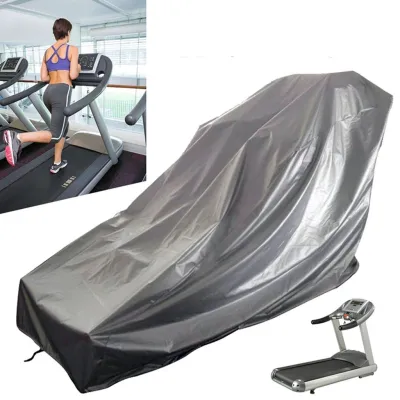
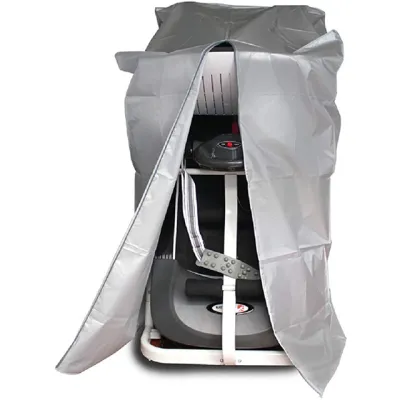
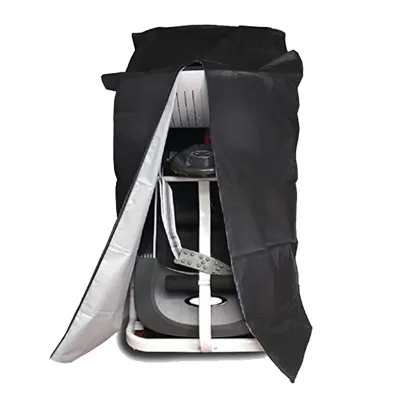
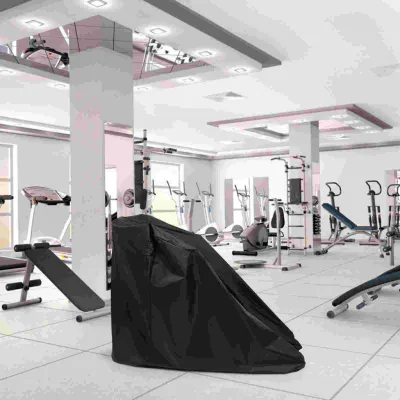
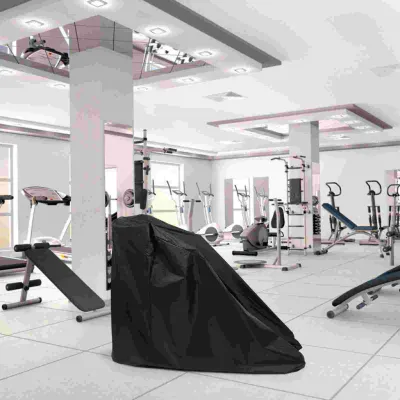
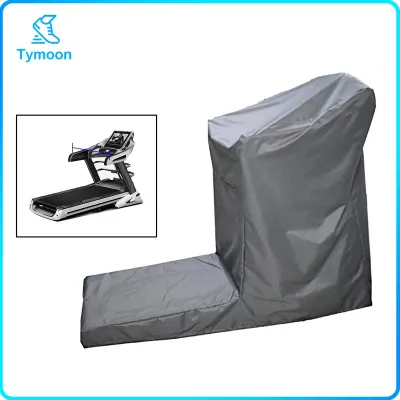
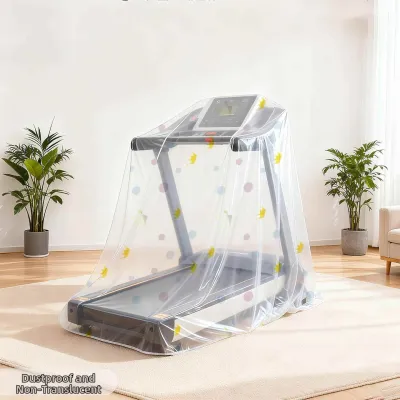
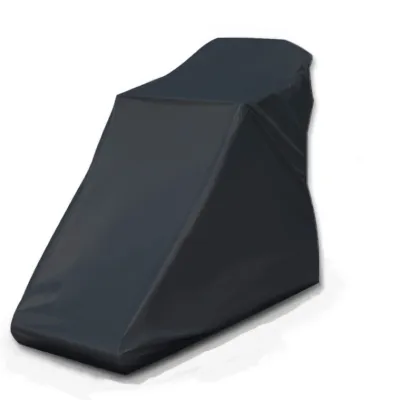
Prices are valid at publication and may change. Please refer to the product page for the latest price.
Decoding Materials: Selecting a Treadmill Cover Waterproof Rating for Your Space
When browsing online marketplaces, you will encounter various product descriptions claiming complete protection. However, understanding the technical specifications on the product label is key to verifying these claims. The first distinction to make is between water-resistant and waterproof fabrics. Water-resistant materials are designed to repel light splashes or brief exposure to moisture, whereas a truly waterproof fabric blocks sustained, heavy water penetration.
The durability of a cover is often indicated by its Denier (D) rating, which measures the thickness and density of the individual threads in the fabric. Common options include 210D, 420D, and 600D polyester or Oxford cloth. A higher Denier rating indicates a thicker, heavier yarn, which translates to superior tear resistance and durability. For lightweight indoor protection, a 210D fabric is generally sufficient, but semi-outdoor or garage storage requires at least 420D or 600D to withstand abrasions and environmental stress.
The fabric itself is only part of the waterproofing system; the inner coating provides the actual moisture barrier. Look for covers lined with Polyurethane (PU) or Polyvinyl Chloride (PVC) coatings. PU coatings are flexible, lightweight, and offer excellent water resistance while allowing some flexibility for easy folding. PVC coatings are heavier, highly rigid, and offer maximum water exclusion, making them the preferred choice for extreme weather protection.
Finally, pay close attention to the construction of the seams. Even the most advanced waterproof fabric will fail if water can penetrate the stitching. High-quality covers feature taped or heat-sealed seams on the interior, where a waterproof tape is applied over the stitched lines to block water from seeping through the needle holes during heavy rain.
Indoor Storage: Balancing Dust Protection and Breathability
Storing your treadmill inside your living room, bedroom, or a dedicated home gym protects it from direct weather, but indoor environments present their own set of challenges. The primary threats indoors are household dust, pet hair, lint, and accidental minor spills. Over time, fine dust and pet dander can settle on the running belt and migrate into the motor housing, increasing friction, overheating the motor, and wearing down the deck.

While it might seem logical to purchase the heaviest, most waterproof cover available, doing so can actually harm your machine in a humid tropical climate. Fully sealed, non-breathable waterproof covers can trap ambient indoor humidity underneath the fabric. When temperature fluctuations occur—such as when turning an air conditioning unit on and off—this trapped moisture condenses on the cold metal frame and sensitive electronic circuit boards of the treadmill. This microclimate promotes rust, electrical corrosion, and mold growth.
To prevent this, look for indoor covers designed with built-in ventilation features. These often include mesh ventilation panels or covered air vents located near the top or sides of the cover. These vents allow continuous air circulation, enabling trapped moisture to escape while keeping dust and pet hair from settling on the machine’s vital components.
Convenience is another critical factor for indoor setups. If a cover is heavy, bulky, and difficult to remove, you may find yourself skipping workouts or leaving the machine uncovered permanently. Opt for lightweight designs featuring zippered fronts, Velcro flaps, or quick-release drawstrings. These user-friendly elements allow you to expose the console and running deck quickly without needing to lift and fold a massive piece of heavy fabric every day.
Garage and Utility Rooms: Defending Against Dust, Pests, and Dampness
Garages, carports, and utility rooms are popular storage locations that offer shelter from direct rain but expose your treadmill to harsh ambient conditions. In these semi-enclosed spaces, your equipment faces heavy concrete dust, exhaust soot, significant temperature swings, and high humidity. Furthermore, garages are highly accessible to pests such as geckos, spiders, cockroaches, and rodents, which often seek shelter inside the warm, enclosed spaces of a treadmill’s motor hood.
To defend against these hazards, choose a cover made from a mid-to-high Denier fabric, such as 420D Oxford cloth. The material must be tough enough to resist abrasions if brushed against by bicycles, garden tools, or vehicles. An abrasion-resistant outer layer also ensures that the cover does not tear when dragged across rough concrete floors during installation or removal.
Secure bottom closures are absolutely vital in a garage setting to prevent pest intrusion. Standard loose-fitting covers leave an open invitation for pests to crawl upward into the mechanical parts. Look for covers equipped with strong elastic hems, adjustable drawstrings, or heavy-duty buckle straps that pull the bottom edge of the fabric tight around the treadmill’s base. Securing the bottom tightly creates an effective barrier against crawling insects and rodents.
Although direct rainfall is not a concern in a garage, rising dampness from concrete floors can still damage your machine. Concrete is porous and absorbs moisture from the ground, which then evaporates upward. Ensure your cover extends all the way to the floor to block this rising moisture, and consider placing a heavy-duty rubber equipment mat underneath the treadmill to act as an additional barrier between the machine and the concrete floor.
Balcony and Semi-Outdoor: Maximum Weather and UV Protection
Storing a treadmill on a balcony, patio, or semi-outdoor area is sometimes unavoidable due to space constraints, but it carries severe risks. Treadmills are complex electronic appliances designed primarily for indoor use. Before placing your machine in any semi-outdoor area, check your manufacturer’s warranty and user manual. Most manufacturers explicitly state that outdoor storage voids the warranty, as extreme heat can degrade the running belt adhesive, and moisture can corrode internal circuit boards. If you must store your treadmill semi-outdoors, understand that a cover is your primary line of defense, but it cannot completely eliminate these environmental risks.
For balcony storage, your cover must feature maximum weatherproofing specifications. Look for heavy-duty 600D polyester fabric with a thick PVC backing and fully taped seams to block torrential rain. Additionally, the fabric must be treated with UV-resistant coatings (look for UV 50+ ratings or silver-reflective inner linings). Intense, direct sunlight quickly breaks down the polymers in the treadmill’s running belt, causing it to crack and warp, while also fading and damaging the plastic console components.
Windproofing is another critical consideration during the Philippine monsoon season. High winds during tropical storms can easily get underneath a loose cover, turning it into a sail that can rip the cover away or even tip the treadmill over. To prevent this, select a cover that features multiple adjustable click-close straps designed to loop tightly around the treadmill’s wheels or frame legs, combined with a heavy-duty drawstring hem to lock the cover in place.
Finally, pay attention to the structural design of the cover when installed. Rainwater pooling on top of a flat surface will eventually stretch the fabric, weaken the waterproof coating, and seep through. Choose a cover designed with a sloped or angled top that matches the profile of your folded treadmill. If your treadmill is stored flat, you can place a soft, water-resistant object (such as a foam block) on the center of the console or deck before covering it to create an artificial slope, ensuring rainwater runs off naturally.
Sizing, Installation, and Maintenance in Humid Climates
Selecting the correct size is the first step toward ensuring effective protection. Never rely on generic “small, medium, large” labels, as treadmill dimensions vary widely between brands and models. Begin by placing your treadmill in its designated storage position—whether that is fully folded upright or kept flat on the floor. Use a measuring tape to record three key dimensions:
- Total Length: Measure from the front of the motor hood to the rear of the running deck.
- Total Width: Measure the widest part of the machine, which is typically the handlebars or console.
- Total Height: Measure from the floor to the highest point of the console or the folded frame.
Once you have these measurements, compare them to the product specifications of the cover. Always select a cover that is 2 to 3 inches larger than your treadmill’s actual dimensions. This extra margin ensures that you can install and remove the cover easily without stretching the fabric tightly over sharp plastic corners or metal brackets, which can cause the material to puncture or tear over time.
In humid tropical climates, you must follow a strict installation rule: never cover a damp treadmill. After a workout, your machine will be covered in sweat, and the surrounding air may be highly humid. If you throw a waterproof cover over the machine immediately, you will trap that corrosive moisture inside. Wipe down the entire frame, console, and belt with a dry microfiber cloth, and allow the machine to air dry completely for at least 30 minutes before putting the cover back on.
Maintaining the cover itself is simple but essential for extending its lifespan. Clean the exterior periodically by wiping it down with a soft cloth, lukewarm water, and a mild soap. Avoid using harsh chemical cleaners, bleach, or stiff brushes, as these will strip away the protective UV coatings and damage the inner PU or PVC waterproof lining. Never wash the cover in a washing machine or put it in a dryer. Periodically inspect the inside of the cover for any signs of peeling, cracking, or seam separation, and patch any small tears immediately to maintain a reliable moisture barrier.
Frequently Asked Questions (FAQ)
Can I leave my treadmill outside without a cover?
No, leaving a treadmill exposed to the elements without a cover will quickly and permanently damage the machine. Rainwater will penetrate the console and motor housing, causing immediate electrical short circuits and destroying the electronic components. Additionally, continuous exposure to direct sunlight and high humidity will warp the running deck, degrade the rubber running belt, and cause the steel frame to rust rapidly. Storing a treadmill indoors is always the safest option, but if semi-outdoor storage is your only choice, a heavy-duty waterproof and UV-resistant cover is an absolute necessity.
How do I prevent mold from growing under the treadmill cover?
To prevent mold growth, you must ensure that both the treadmill and the floor underneath are completely dry before applying the cover. Wipe down any sweat or condensation after your workout and let the machine air out. Choose a cover equipped with built-in mesh ventilation panels to allow continuous airflow and prevent moisture buildup. Finally, on dry, sunny days, remove the cover entirely for a few hours to allow the treadmill and the surrounding area to air out and dry completely.
Community discussion
Share your experience or ask a question. Comments are reviewed before publication.